






Urban Construction Wheel Loader Selection Guide: How to Choose the Right Machine?
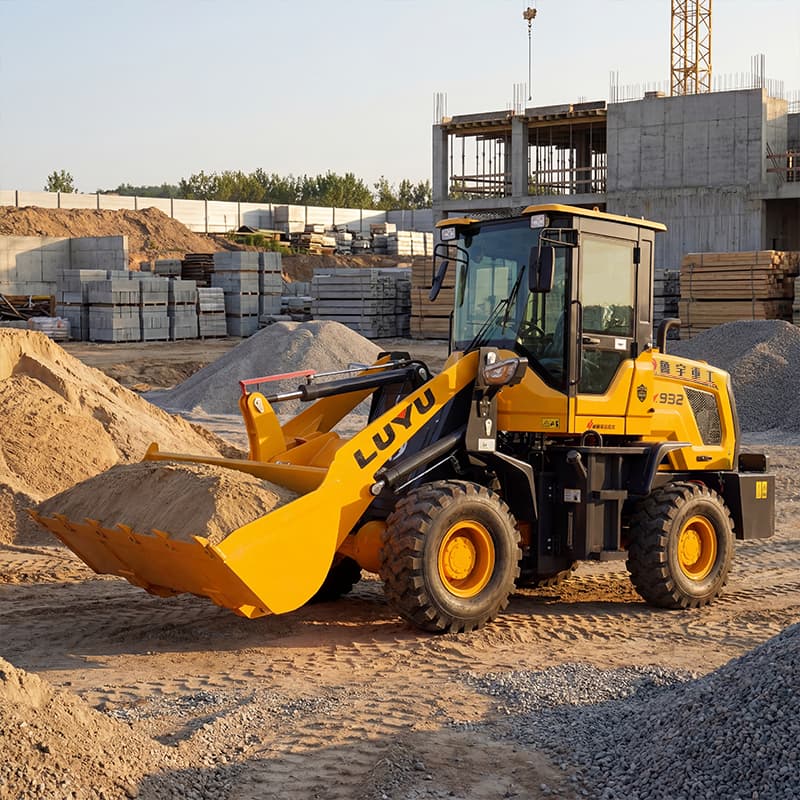
A wheel loader plays a vital role in modern urban building sites, handling everything from earthmoving and material transport to site grading and debris removal.
Unlike mining and quarry sites, urban job sites demand greater flexibility due to spatial constraints, varied tasks, and frequent transport between job sites. Selecting the ideal model goes beyond horsepower or bucket capacity; it demands a clear match between job scale, operational demands, material traits, and machine parameters.
The right choice directly enhances site productivity while lowering operating costs. What key criteria should guide your decision when picking a wheel loader for urban work?
Key Applications in Urban Construction
1. Material Handling
Urban construction projects frequently require wheel loaders to transport various materials, such as:
n Sand and gravel
n Cement
n Bricks
n Soil
n Construction waste
Compared to manual labor or smaller transport equipment, wheel loaders move materials much faster thanks to their generous bucket capacity and higher loading capacity. These features can significantly improve job site working efficiency.
If the wheel loader will be used primarily for material handling, focus on:
n Rated load
n Bucket capacity
n Lifting height
n Operating efficiency
If your project involves frequent loading and unloading, a loader with a higher rated load and larger bucket capacity is recommended.
2. Earthmoving and Site Leveling
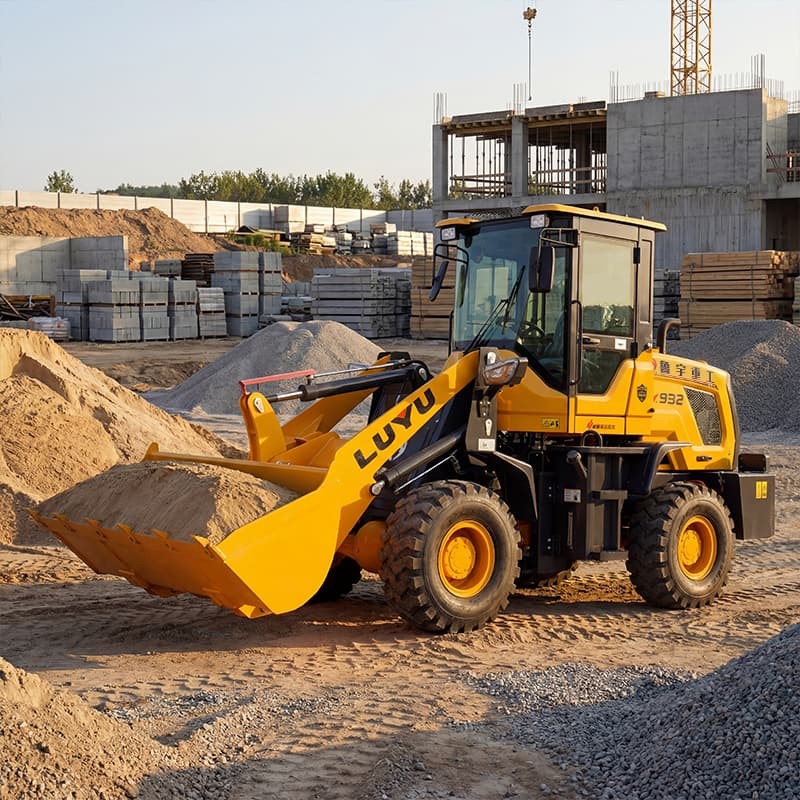
Urban construction usually involves substantial earthwork, including:
n Soil transfer after foundation excavation
n Site leveling
n Backfilling
n Construction debris cleanup
Under these working conditions, the wheel loader needs sufficient engine power and reliable performance during continuous operation.
When selecting a loader for earthmoving tasks, consider:
n Engine power
n Tractive effort
n Hydraulic system performance
n Cycle time
For projects with larger earthwork volumes, medium or large loaders generally deliver greater productivity.
3. Urban Roadwork and Municipal Projects
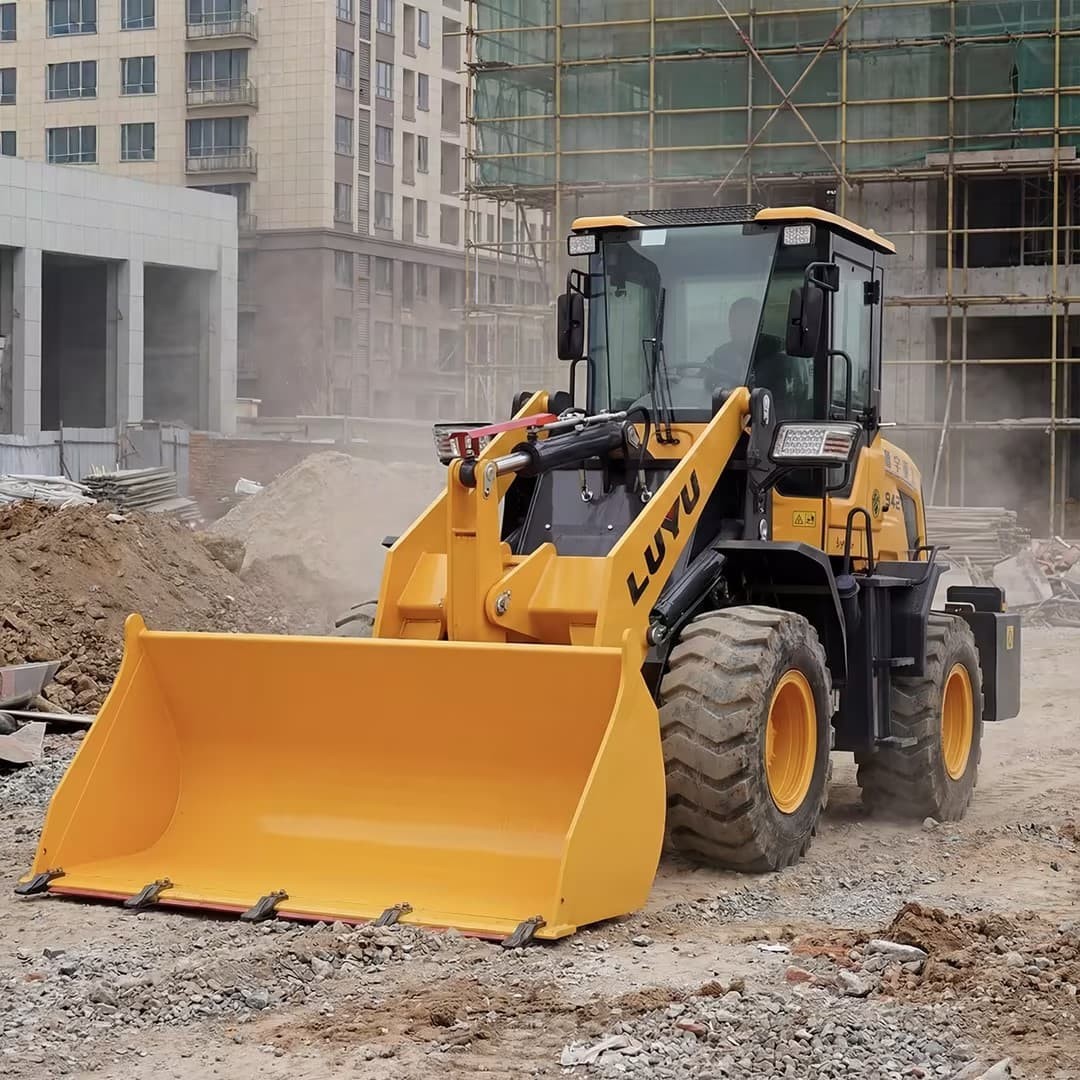
Beyond general building construction, wheel loaders are widely used in urban roadwork and municipal maintenance, such as:
n Road base construction
n Pavement repair
n Utility pipeline installation assistance
n Public space renovation
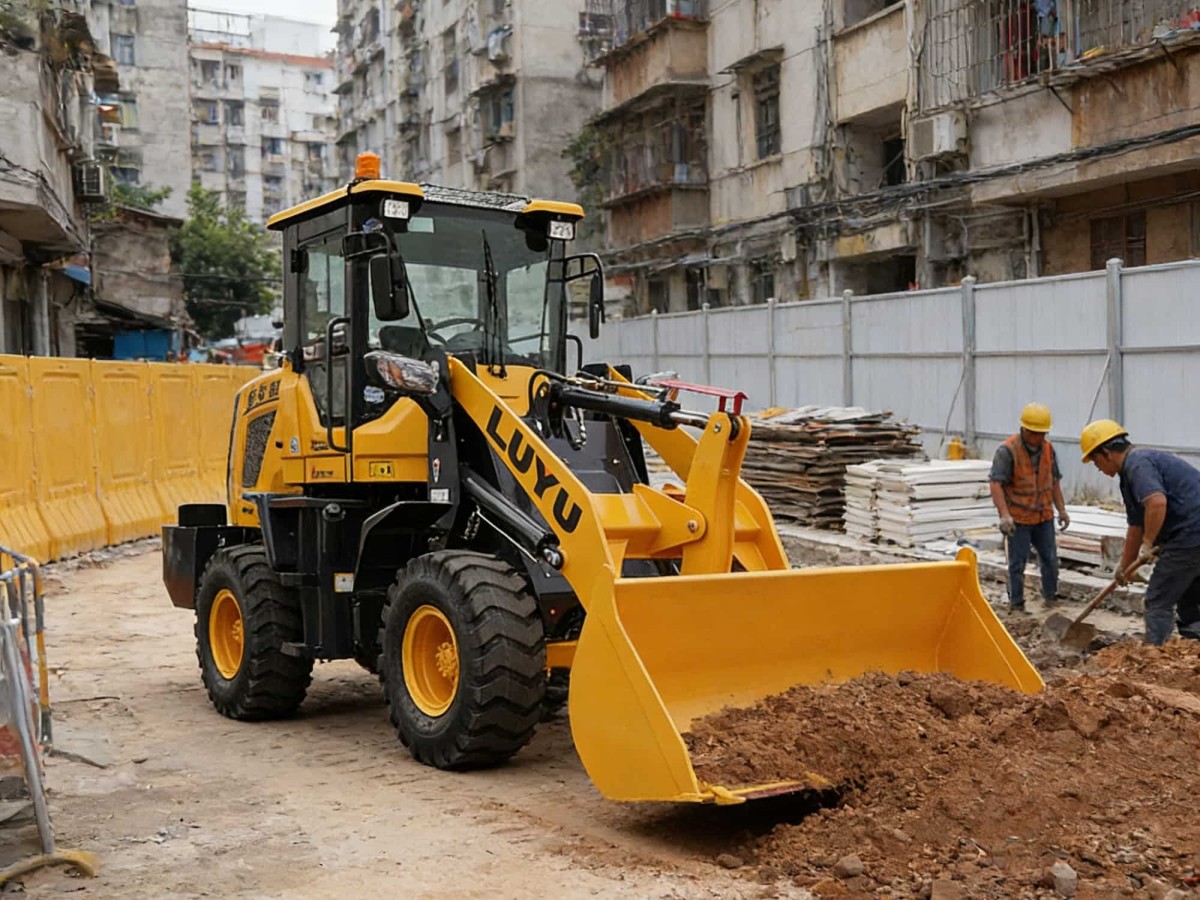
These environments usually feature confined spaces and demand high machine maneuverability.
When choosing equipment for these applications, look beyond loading capacity and consider:
n Overall dimensions
n Turning radius and maneuverability
n Ease of operation
n Fuel economy
A mini or compact wheel loader is typically better suited for tight urban job sites.
Choosing the Right Loader Model by Project Scale
Rated load indicates the maximum load a loader is designed to handle under specified operating conditions.
For urban construction needs, you can select from the following ranges:
1. Small & Compact Wheel Loaders (Rated Load: 600–1,200 kg)
A small or compact wheel loader is ideal for urban projects with limited space and lower operational intensity.
Typical applications:
n Small-scale residential construction
n Neighborhood renovations
n Landscaping
n Urban road maintenance
n Small-scale building projects
Key advantages:
n Compact design
n Easy transport between job sites
n Agility in narrow spaces
n Low operating costs
If your site entrance is narrow or daily material volume is moderate, a small or compact wheel loader is usually a practical, cost-effective choice.
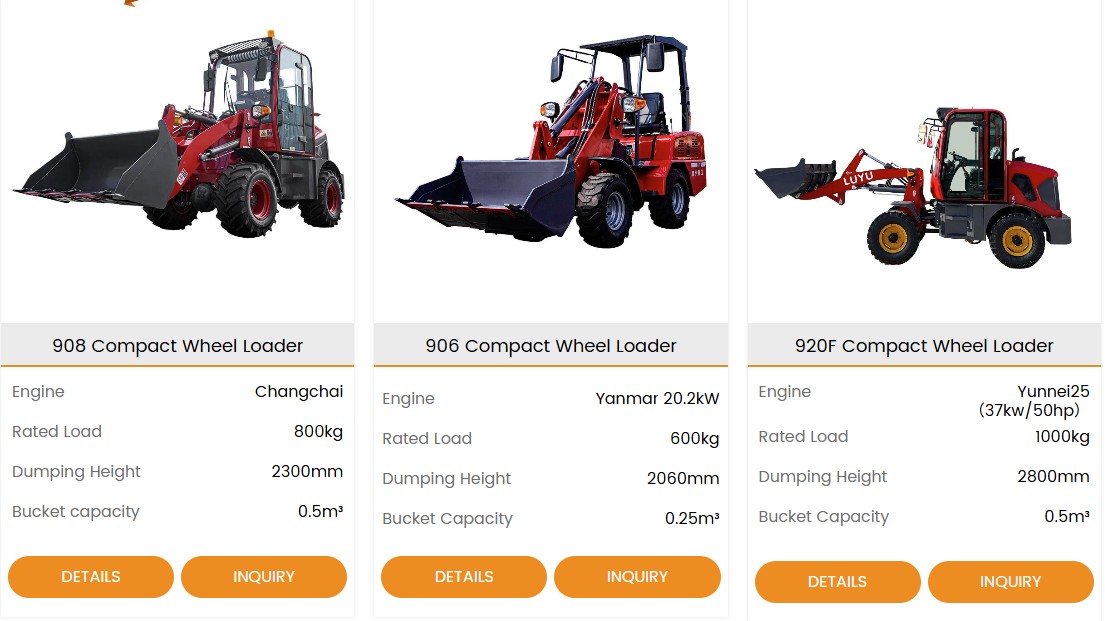
2. Medium Wheel Loader (Rated Load: 1,500–2,200 kg)
A medium wheel loader is the most widely used type in urban construction.
Suitable for:
n Commercial building projects
n Factory construction
n Standard residential projects
n Municipal construction
n General earthmoving tasks
Key advantages:
n Well-balanced loading capacity and maneuverability
n Suitable for a wide range of urban construction tasks
n Well-suited for continuous handling operations
For most construction contractors, a medium wheel loader represents a sweet spot between efficiency and return on investment.
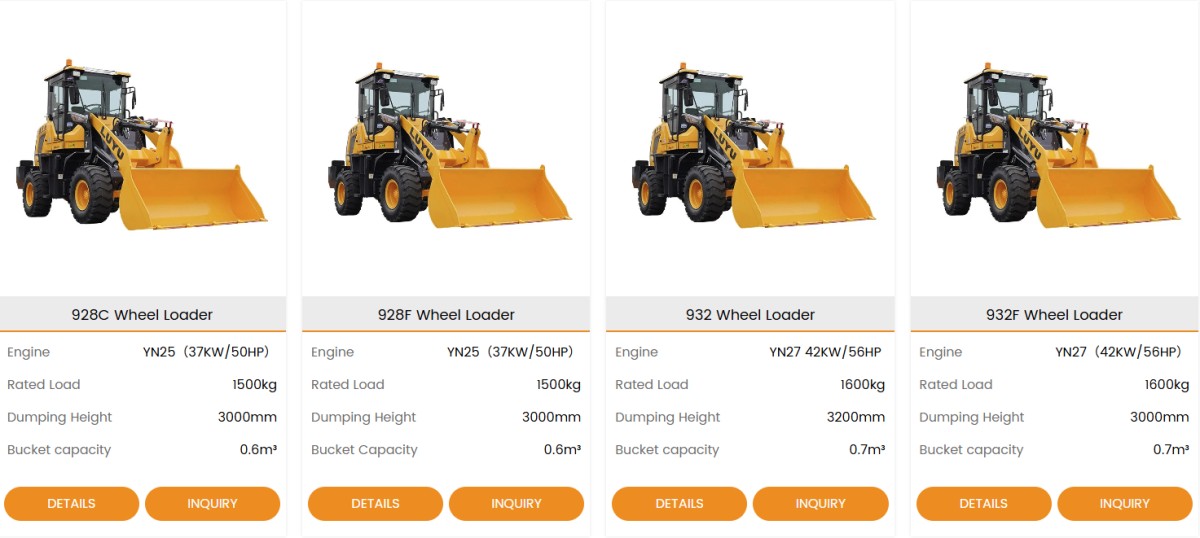
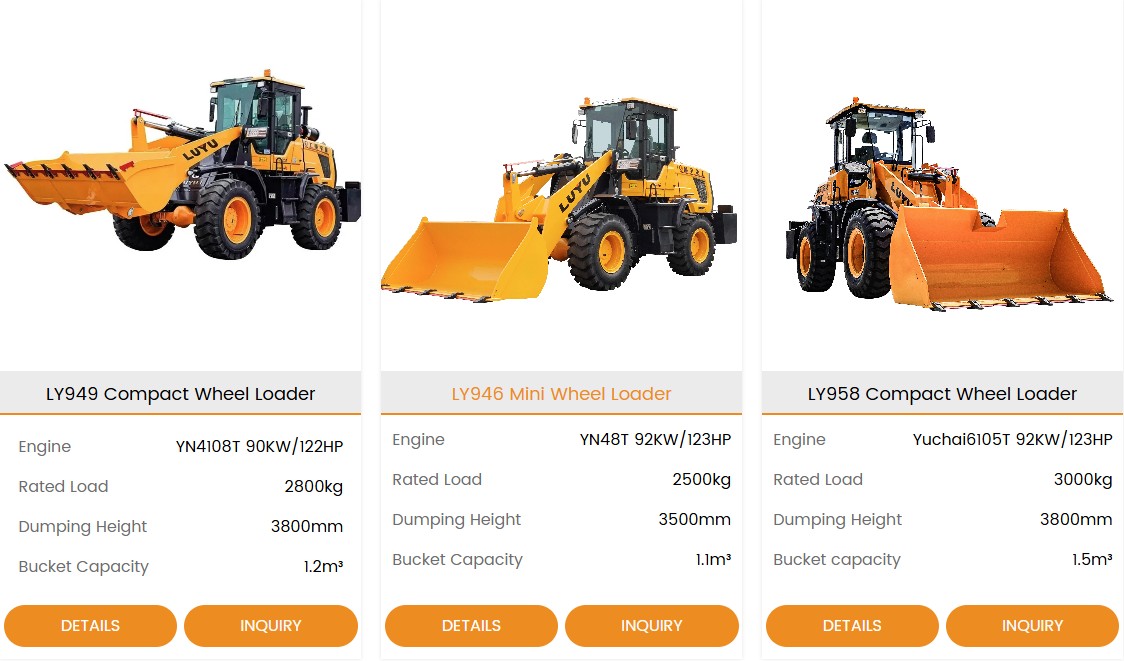
3. Large Loaders (Rated Load: 2,500–3,000 kg)
Large loaders are primarily used for large-scale construction and infrastructure projects.
Typical applications:
n Large-scale building construction
n Infrastructure development
n Heavy earthmoving operations
n Industrial park development
Key advantages:
n Larger payload per cycle
n Higher material-handling productivity
n Designed for extended periods of continuous operation
Keep in mind that large loaders require wider working spaces, alongside higher transportation and maintenance costs. They should be selected thoughtfully based on actual job conditions in urban environments.
Critical Wheel Loader Specs to Consider for Urban Construction
1. Rated Load
Rated load is one of the most critical specs when choosing a wheel loader.
In general:
n 600–1,200 kg: Suitable for light urban construction
n 1,500–2,200 kg: Suitable for most building construction projects
n 2,500–3,000 kg: Suitable for heavy-duty, large-scale projects
Selecting the appropriate rated load helps avoid productivity losses from undersized equipment and unnecessary costs from overspecification.
2. Bucket Capacity
Bucket capacity directly impacts single-pass volume and overall efficiency.
If your work mainly involves:
n Sand and soil transport
n Gravel handling
n Debris cleanup
A larger bucket capacity is recommended.
If site space is restricted, you will need to balance loading efficiency against machine maneuverability.
3. Machine Dimensions
Urban job sites often have spatial constraints, such as:
n Narrow access roads
n Small site entrances
n Densely built areas
Because of this, smaller loaders can often be more advantageous than larger machines in tight urban settings.
4. Engine and Hydraulic System Performance
Efficient operation depends on the proper coordination of engine output and hydraulic performance.
A properly matched engine and hydraulic system provide:
n Faster lifting speeds
n Higher overall productivity
n More consistent performance during continuous operation
Power performance directly impacts total efficiency, especially during high-frequency loading and unloading cycles.
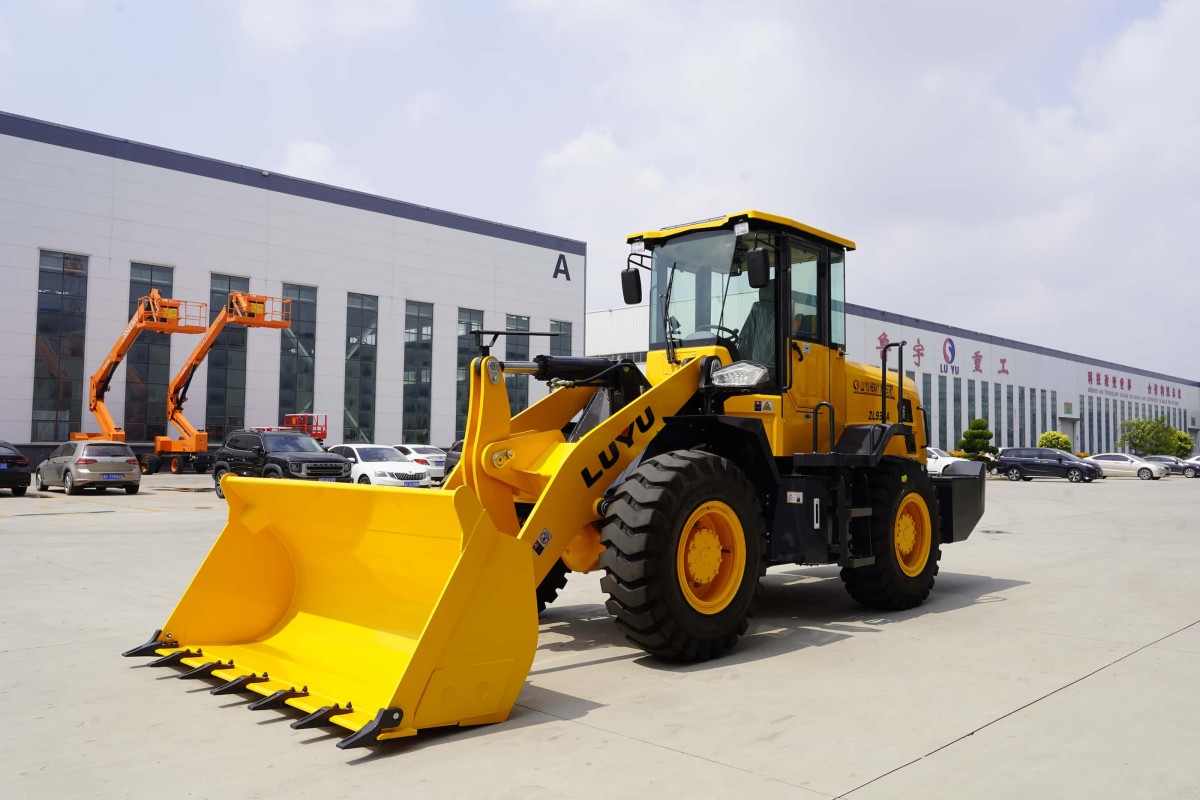
Why Choose Our Wheel Loaders?
In urban construction, equipment must deliver more than just task capability—it needs to offer reliability, economy, and long-term value.
We supply a wide range of loaders with rated loads spanning 600–3,000 kg to meet the demands of urban projects of any scale.
1. Extensive Model Selection
To cover various application requirements, we offer:
n Small loaders: Designed for space-constrained urban jobs
n Medium loaders: Built to fulfill most general construction needs
n Large loaders: Tailored for heavy-duty engineering projects
Clients can select the right setup based on the operating environment, material type, and workload.
2. Adaptable to Diverse Job Site Environments
Our wheel loaders are widely used in:
n Construction sites
n Roadwork
n Municipal projects
n Industrial construction
n General material handling
Whether you operate on a cramped urban lot or an expansive job site, we offer a suitable machine configuration.
3. Flexible Customization Options
Job site environments, regulations, and user preferences vary across countries and regions.
We offer options tailored to your preferences, including:
n Engine configurations
n Cab setups
n Bucket specifications
n Tire selections
n Custom paint and branding
This ensures you receive a loader solution tailored to your actual operational needs.
4. Experience of a Professional Wheel Loader Manufacturer
Quality and long-term reliability come first—that's how we build every wheel loader.
From the frame design and hand-picked components to system integration and final testing, every machine passes through strict checks. The result? Stable, dependable performance wherever you put it to work.
Choose the Right Loader to Boost Urban Construction Efficiency
Choosing urban construction equipment involves more than selecting the biggest or most powerful machine—the key is matching machine capability to site requirements.
Selecting the appropriate wheel loader helps construction contractors:
n Increase material handling efficiency
n Reduce labor costs
n l Lower equipment operating expenses
n Keep project schedules on track
Not sure which model is right for your job? Reach out and tell us about your site, your materials, and how much work you're handling. We'll point you to the loader that fits.
 facebook
 twitter
 linkedin
 Small Construction Projects: Should You Choose a Wheel Loader or a Backhoe Loader? A Comparative Buying GuideComparing a compact wheel loader vs backhoe loader for small job sites? Explore key differences, applications, and how to choose the right machine for your fleet.
 LY932 Compact Wheel Loader: Attachments and Applications for Municipal MaintenanceExplore LY932 compact wheel loader attachments for municipal maintenance, including buckets, hydraulic rotating grapples, and sweepers for versatile site work.
 China's Loader Exports Expand Globally in 2026, with Overseas Demand Reaching New HeightsChina's wheel loader exports surged in 2026, with over 100,000 units shipped in the first half. Explore global market growth, key destinations, export trends and pricing challenges facing Chinese construction equipment manufacturers.
 What Are the Uses of a Wheel Loader? Wheel Loader vs. Excavator & Tractor ComparisonDiscover versatile compact wheel loader uses for farming, construction, and snow removal. Compare wheel loaders vs excavators and tractors to maximize your ROI.
 LY928C Wheel Loader
 932F Wheel LoaderLow Shed 932F compact wheel loader is small in size, suitable for operation in narrow construction sites, warehouses and other spaces, with strong flexibility.
 932 Wheel LoaderThe 932 wheel loader is easy to operate and allows the driver to get started quickly. The joystick, pedals and buttons are all optimized to improve the accuracy and efficiency of the operation.
 928C Wheel LoaderWe offer all types of loader products, the 928C 1.5ton wheel loader is a very practical small loader for unloading materials, stacking, cleaning sites and other material handling tasks.

Send Your Inquiry