






NEWS
What to Check Before You Buy a 3-Ton Wheel Loader in Brazil
Contents
1. Rated Load & Bucket Capacity
2. Machine Dimensions and Working Space
4. Cab Features and Maintenance Access
In Brazil, you may find 3-ton wheel loaders on construction sites, mines, and farms. That’s because they deliver excellent power for earthmoving, agricultural work, and material handling.
You may already be considering a 3-ton compact loader for your farm or construction business. What comes next? Where do you begin with a spec sheet of technical terms? Which details are most important when a salesperson shows you one recommendation after another?
During a machine viewing or dealer discussion, the points below will help you ask specific questions about actual use and judge whether the proposed setup suits your business.
1. Rated Load & Bucket Capacity
Your regular workload is the starting point. Common jobs for this class of loader include:
• Soil loading
• Backfill transport
• Site levelling
• Sand and gravel stockpiling and truck loading
• Silage and feed handling
• Grain loading and unloading
• Compost and manure handling
• Woodchip and sawdust handling
• Mud and debris clearance
List the tasks you need the loader for, and check if a 3-tonne capacity meets your needs.
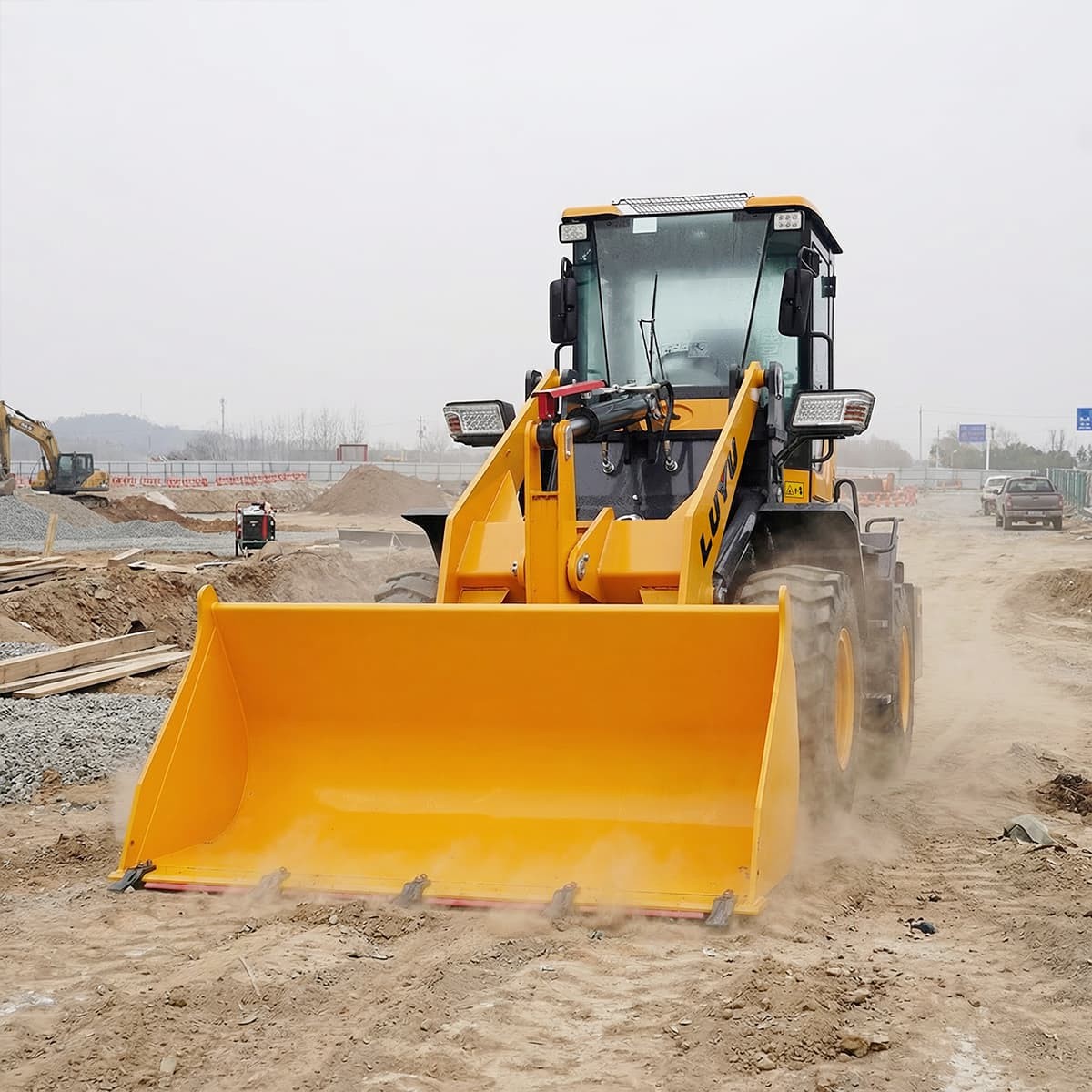
Additionally, bucket size determines your load per pass. To avoid wasting time on extra trips, check if the standard bucket fits your daily volume and working hours.
2. Machine Dimensions and Working Space
When considering a 3 ton mini wheel loader for your farm or construction business, machine size is an important factor. The loader needs enough room to travel, turn, and unload. The following measurements should therefore be compared with your working space and ground conditions:
• Overall dimensions: The machine's length, width and height must fit your working area, with enough room to travel and turn.
• Minimum ground clearance: You'll need to assess whether the chassis could strike the ground under your expected working conditions.
• Dump height: The bucket needs sufficient clearance above the truck body or receiving hopper during loading. This deserves particular attention at grain stores, quarries, and other sites in Brazil with frequent loading and unloading.
3. Attachment Options
When it comes to attachments, a standard bucket for loading and transporting materials is typically for a 3 ton wheel loader.
Actually, depending on what you handle most often, ask your dealer about other attachments, such as:
• Silage grab bucket
• Grass grab
• Pallet forks
… ….
Any existing attachments you intend to reuse need a compatibility check before purchase. Their mounting systems and hydraulic connections must match the new loader. Your supplier should confirm the loader’s allowable load with each attachment fitted, so you can use the old attachment safely on the new machine.
4. Cab Features and Maintenance Access
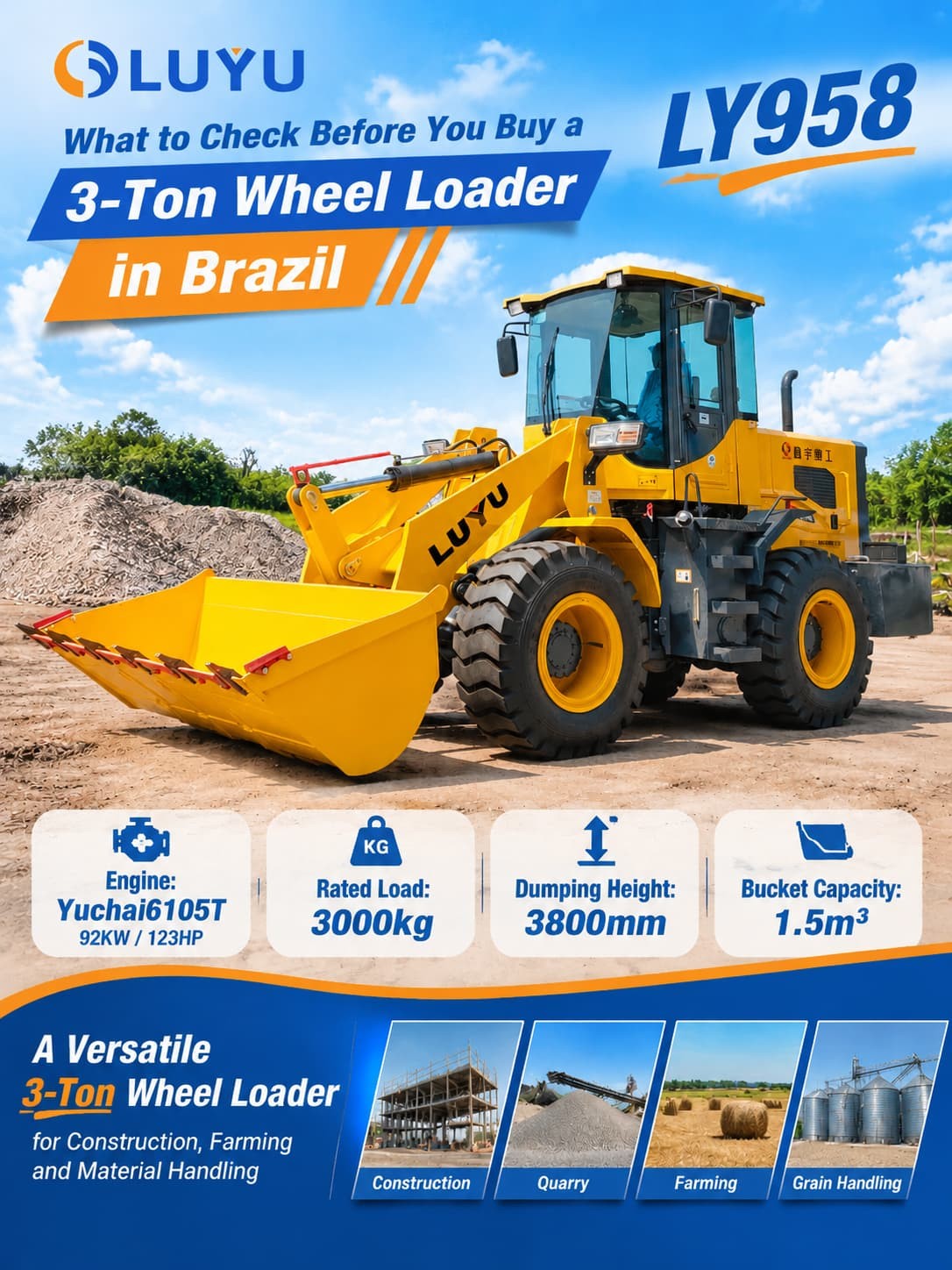
Your application and local conditions should determine which features take priority. The main checks cover the cab, visibility, and access for maintenance:
• How well is the cab sealed?
• Is air conditioning standard or optional?
• Are the lighting and visibility adequate for night work or low-light conditions?
• Are the fluid-level check points, grease points, filters, and radiator easy to reach?
• Is there enough room for inspection and cleaning?
5. Spare Parts & Repairs
When a wear part needs replacing, can you get it changed the same day? You’ll want to know whether you can collect the replacement or have it delivered, how long delivery to your site takes, and how long you’ll wait for an out-of-stock item.
Before you buy, ask your supplier or dealer whether they stock genuine parts for the model in Brazil, particularly filters, seals, and other common service and repair items. Local parts availability is an important consideration when choosing a wheel loader in Brazil.
For repairs, make sure they have trained technicians for this model. Check their service area too — it directly affects how fast they can be on-site to diagnose and fix faults.
Conclusion
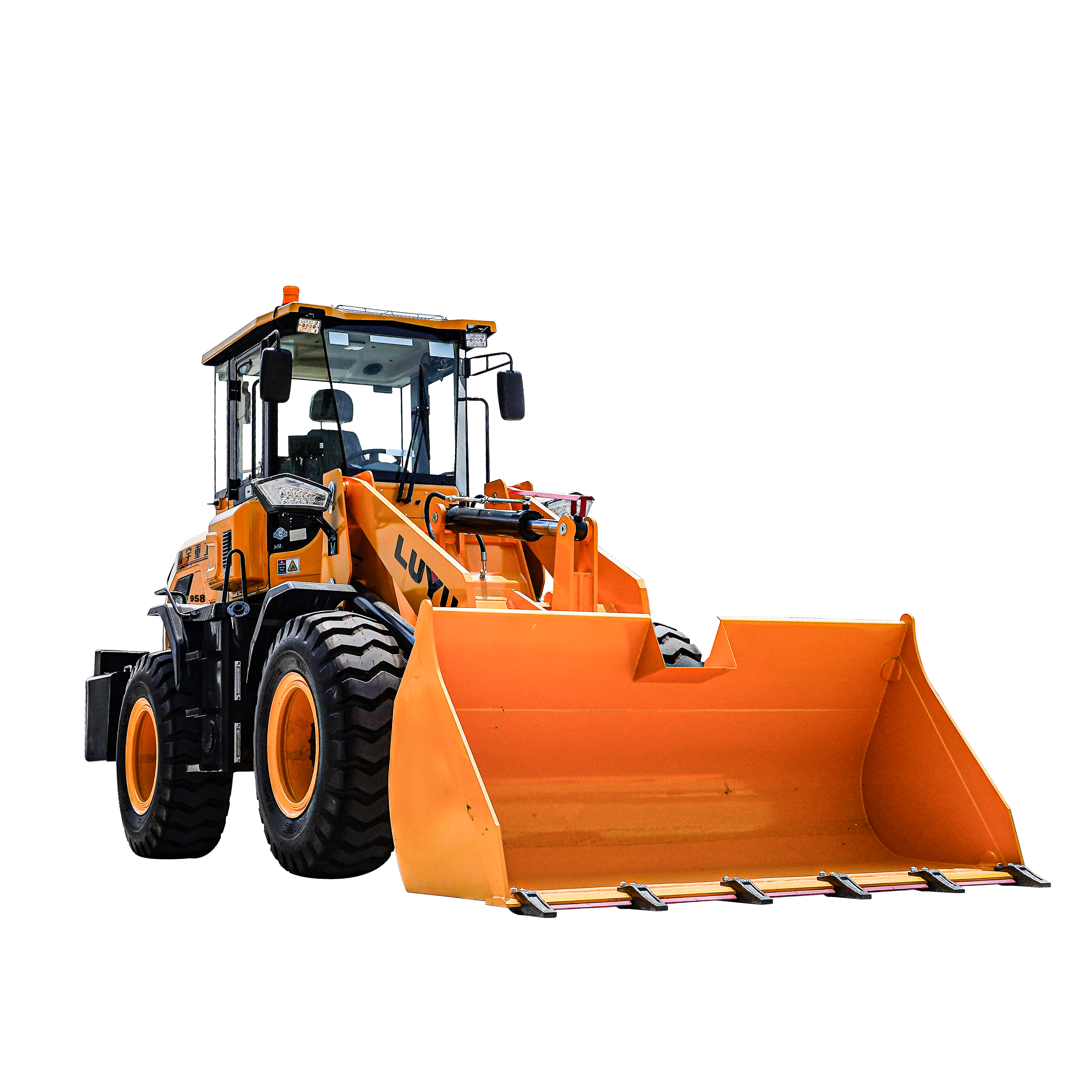
The LUYU LY958 is designed for multiple applications and delivers strong productivity, meeting the requirements outlined above.
Its 3-tonne rated load and 1.5 m³ bucket prove excellent performance when shoveling, stockpiling, and truck loading. Whether you’re on a construction site, in a quarry, or working a farm, it switches effortlessly from heavy loading to versatile lifting.
Additionally, LUYU maintains a warehouse and a local maintenance team in Brazil to support customers after delivery. We stock common spare parts locally to shorten lead times and support faster repairs.
Looking for a 3 ton wheel loader for sale in Brazil? Don’t wait any longer. Contact the LUYU team now and learn more about the LY958.
FAQs
Q1: Which attachments does LUYU offer for the LY958?
A1: Options include grain buckets, snow blades, grass grabs, and silage grab buckets. See the LY958 product page for details.
Q2. What jobs can the LY958 handle in Brazil?
A2: The LY958 handles shoveling, stockpiling, and truck loading on construction sites, in quarries, and on farms, and can also move silage, forage, and bagged goods.
Q3. Can the LY958 be customized for different applications in Brazil?
A3: Yes. Contact the LUYU team and tell us about your intended work and configuration requirements. We will propose a customized setup for your application.
Share to :




Inquiry
Our manager will contact you within 30 minutes of working hours.
Related products
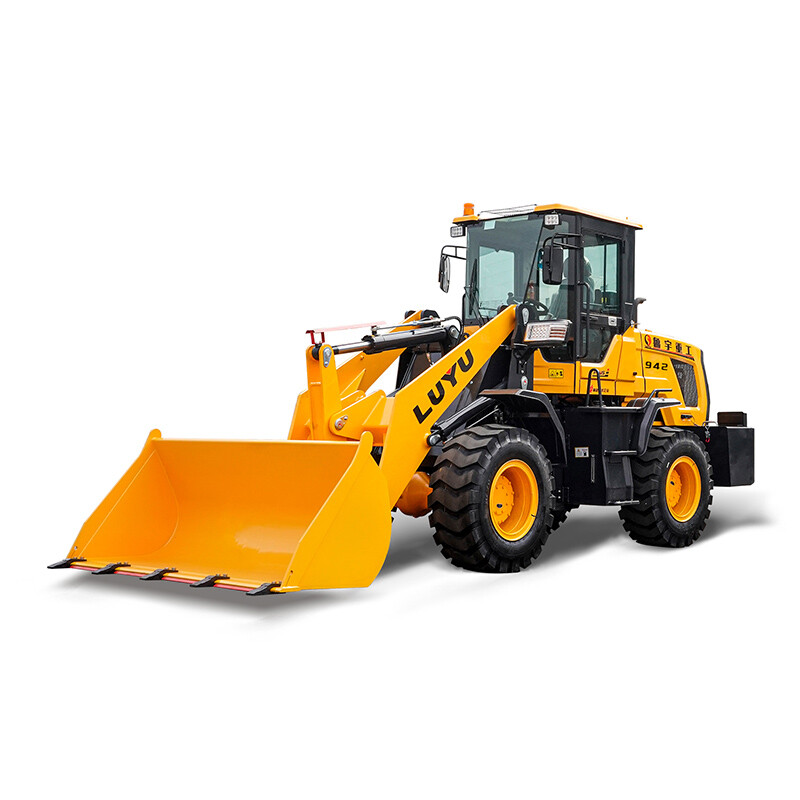
 LY949 Compact Wheel Loader
Engine YN4108T 90KW/122HP Rated Load 2800kg Dumping Height 3800mm Bucket Capacity 1.2m³  LY946 Mini Wheel Loader
Engine YN48T 92KW/123HP Rated Load 2500kg Dumping Height 3500mm Bucket Capacity 1.1m³  LY942 Compact Wheel Loader
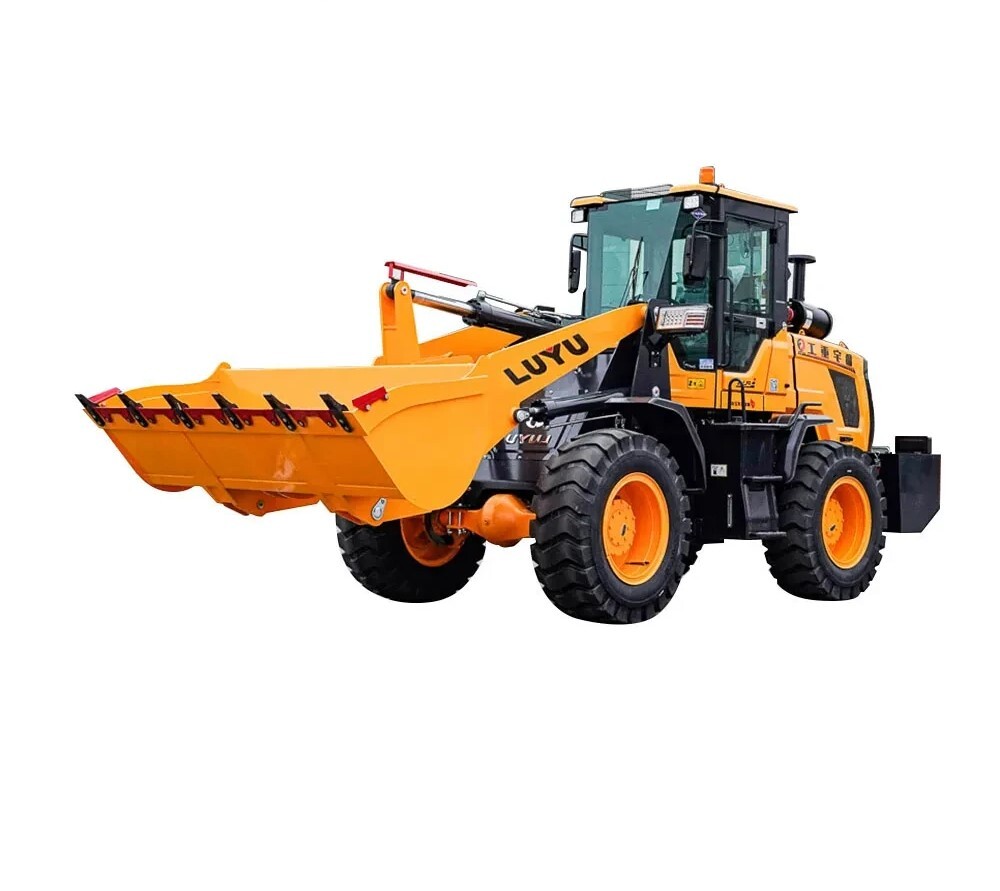
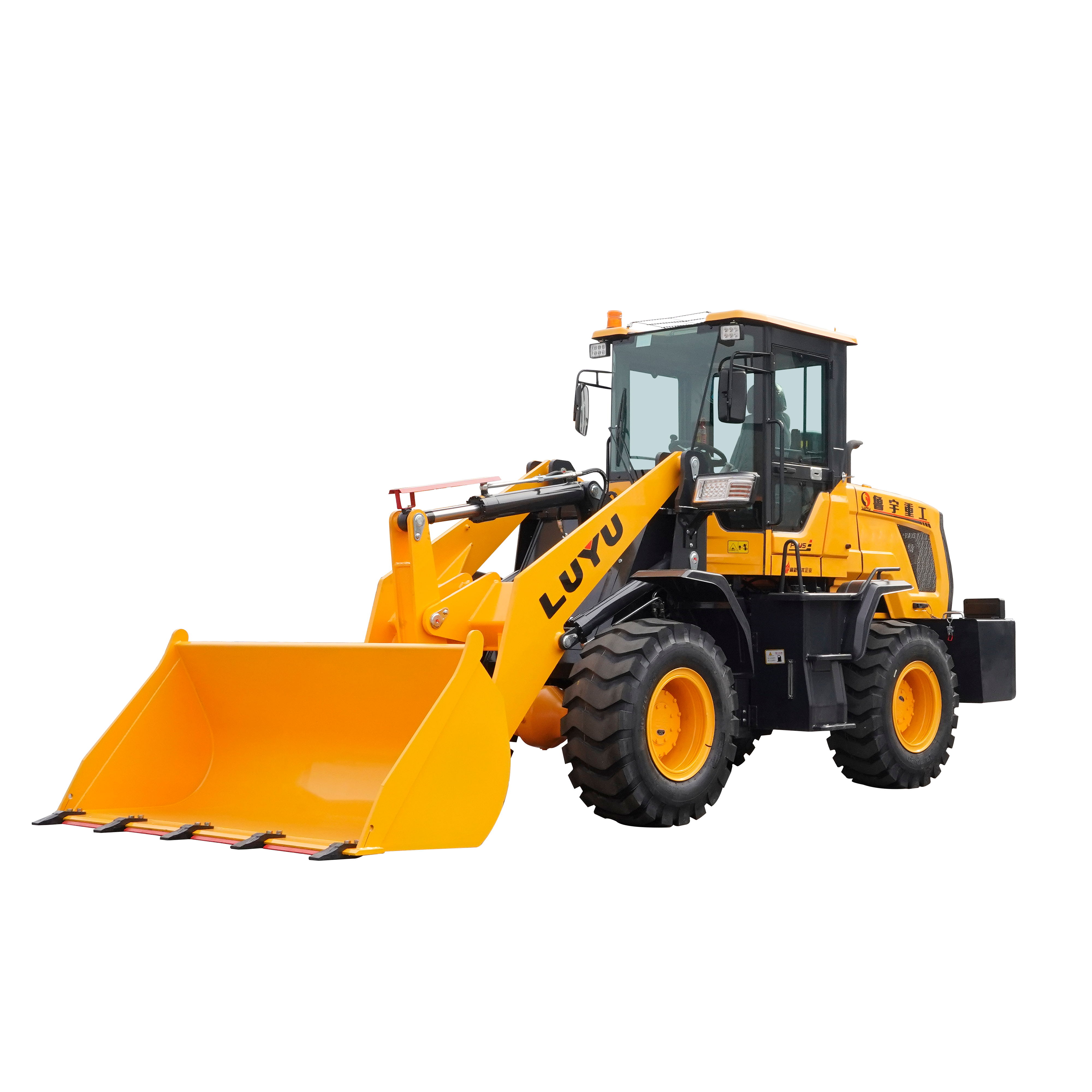
Engine Type YN 76KW/103HP Rated Load 2200kg Dumping Height 3500mm Bucket capacity 1m³  LY958 Compact Wheel Loader
Engine Yuchai6105T 92KW/123HP Rated Load 3000kg Dumping Height 3800mm Bucket capacity 1.5m³

Send Your Inquiry