






NEWS
Grain Loader Maintenance: Where Dust Collects and How to Clear It
Contents
1. Around a Diesel Loader's Air Intake
2. A Clear Path for Cooling Air
3. Inside a Diesel Loader's Engine Bay
4. Dust Around Joints and Hydraulic Connections
5. A Cleaner Cab for the Next Operator
6. The Bucket's Last Few Kernels
After the final bucket of grain is unloaded, is that really the end of the grain loader's work?
Grain dust, husks, and stray kernels may settle in hard-to-reach areas of the machine. That's why you need a daily cleaning, which is a useful part of the handover—a chance to take a closer look at the machine and flag anything the next operator needs to know.
Now, let's explore where grain residue builds up and how to clean those areas properly to keep the grain warehouse loader well maintained
1. Around a Diesel Loader's Air Intake
On diesel grain warehouse loaders, husks and grain fragments may gather around the engine air inlet and filter housing. These deposits are the focus of the daily clean-down. The grain loader should be shut down and hot components allowed to cool before you check these areas.
An industrial vacuum suitable for grain dust can collect loose material around the engine air inlet. Dust on the outside of the filter housing can be wiped off with a clean cloth. Bear in mind, never use a household vacuum cleaner or compressed air, as this can spread dust throughout the grain store.
The operator's manual specifies service requirements for the filter element, so it doesn't need cleaning or replacement every day.
2. A Clear Path for Cooling Air
As cooling air is drawn in, it can deposit husks and grain fragments near the inlet and finer dust on the cooling surfaces.
Around accessible air inlets, use suitable dust-extraction equipment to clean up. But when cleaning cooling surfaces, use the cleaning method specified by the manufacturer, and avoid tools or high-pressure equipment that could damage components. Collect loosened material as you work so it does not fall back into the airflow path.
Use suitable dust collection equipment around accessible air inlets. Clean cooling surfaces as specified by the manufacturer, avoiding scraping or excessive pressure. Collect loosened debris to keep the airflow path clear.
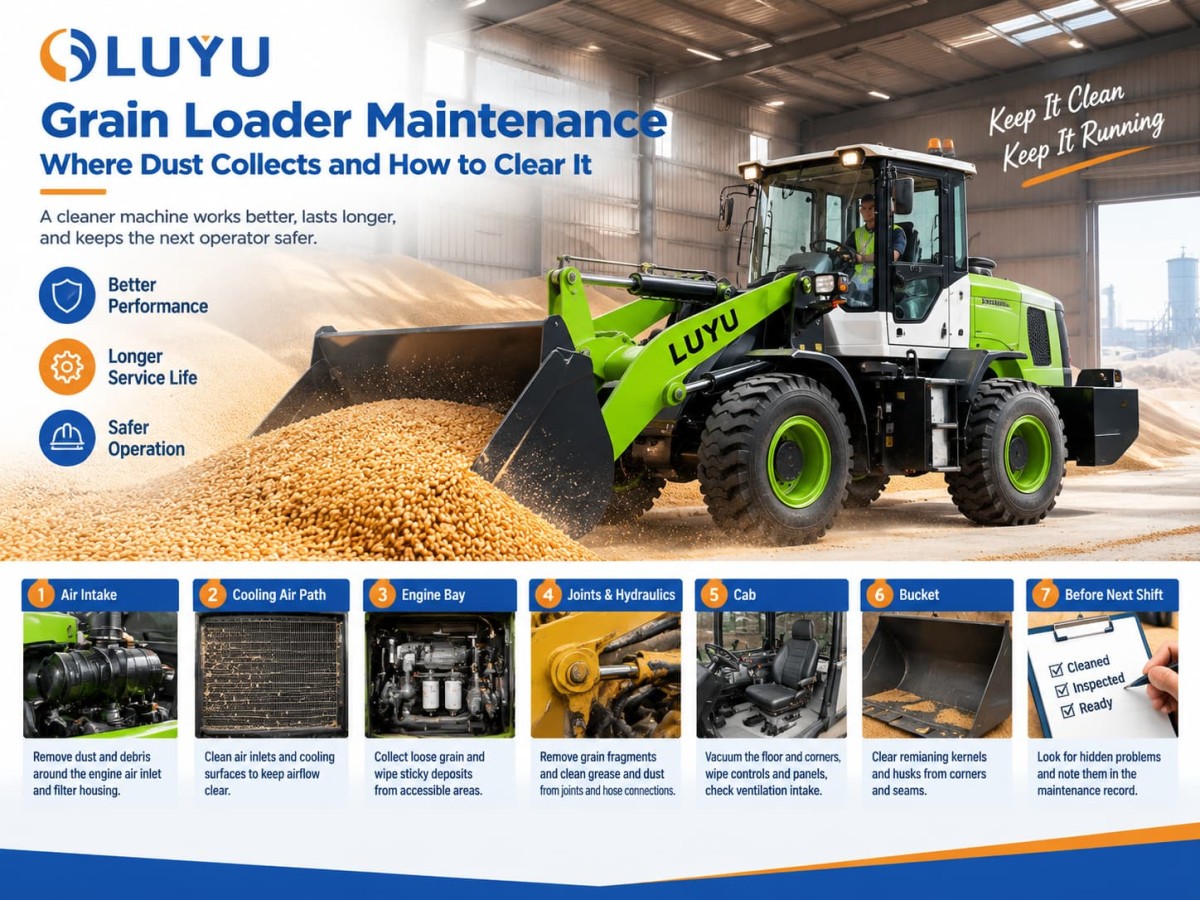
3. Inside a Diesel Loader's Engine Bay
Grain dust and husks may build up in the engine bay — on guards, lower panels, and ledges. Where oil traces are present, the dust clings to the surface and becomes harder to clean.
After the engine and exhaust cool, collect loose debris with dust extraction equipment and wipe sticky deposits from accessible surfaces. Ledges and corners deserve a closer look, since residue may remain below the main opening. Every deposit removed leaves less combustible material near hot components.
4. Dust Around Joints and Hydraulic Connections
Pivot joints often carry excess grease, which traps grain dust. Small grain fragments may settle in nearby gaps, while oil traces at hydraulic hose connections collect a similar dusty coating.
Gather the loose grain fragments first. Then wipe excess grease and attached dust from accessible outer surfaces. At hose connections, cleaning stays on the outside so dirt is not pushed into seals or openings. Clean connections are easier to check for fresh oil marks.
5. A Cleaner Cab for the Next Operator
The doorway, floor edges, and seat base are common collection points for grain fragments. Fine dust also settles on controls and nearby panels.
The floor and accessible corners are a job for a suitable industrial vacuum; dust on controls and panels needs only a wipe with a clean cloth. Remove any debris at the ventilation intake before the final check around the floor edges and seat base. Before handover, take another look around the seat and floor edges. No loose grain should remain underfoot to interfere with safe operation.
6. The Bucket's Last Few Kernels
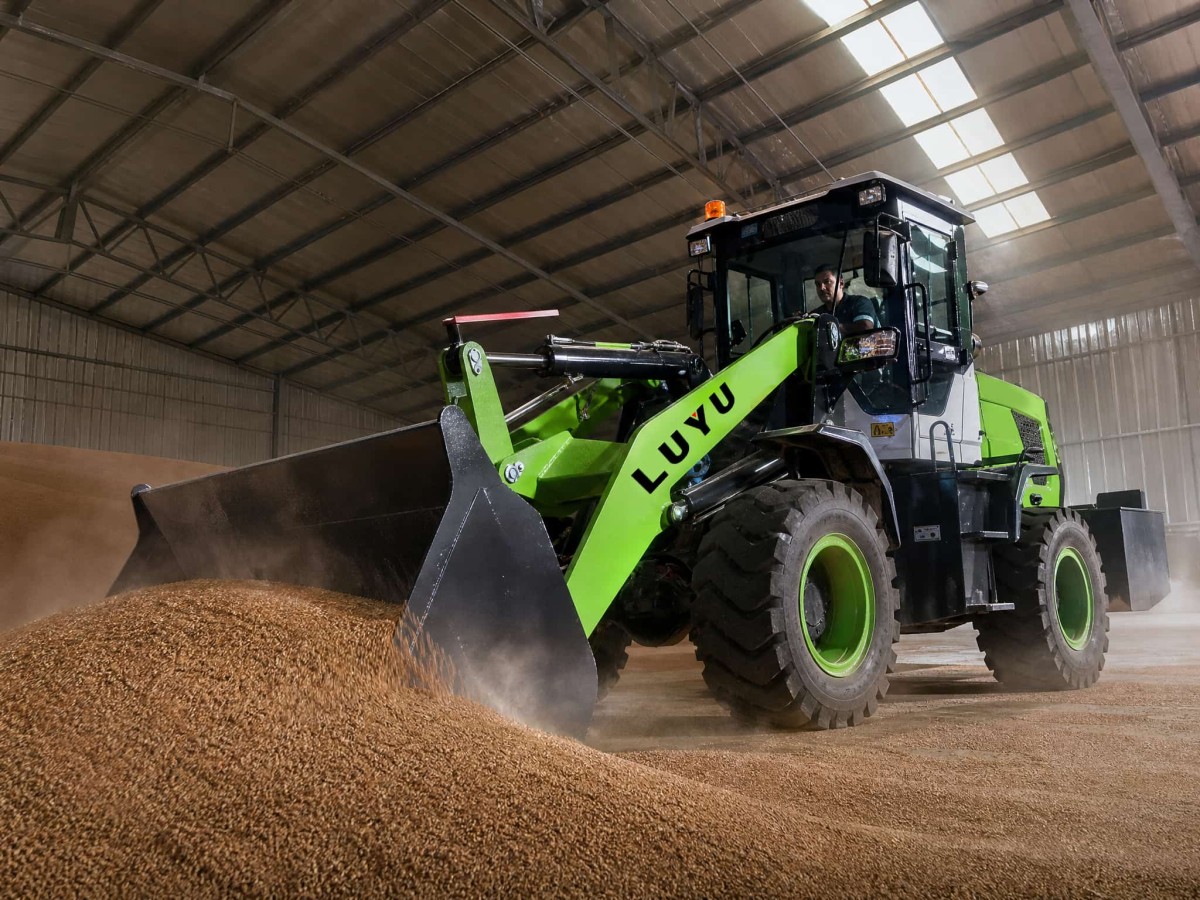
A bucket may look empty while kernels and husks remain in its corners and seams. If the next job involves a different material, those grain residues need to be cleared out before the changeover.
After grain has been collected, a wipe around the inside corners and the joints between the bucket floor and side plates removes the remaining surface residue. If the bucket needs washing, use products suitable for grain-contact equipment and allow it to dry completely. Clean and dry: that is the condition to leave for the next batch.
7. Before the Next Shift
For a wheel loader in grain storage, cleaning creates an opportunity to see problems that residue may have concealed. An oil mark that returns after wiping, or an area you could not clean safely, belongs in the maintenance record so it can be followed up.
Conclusion
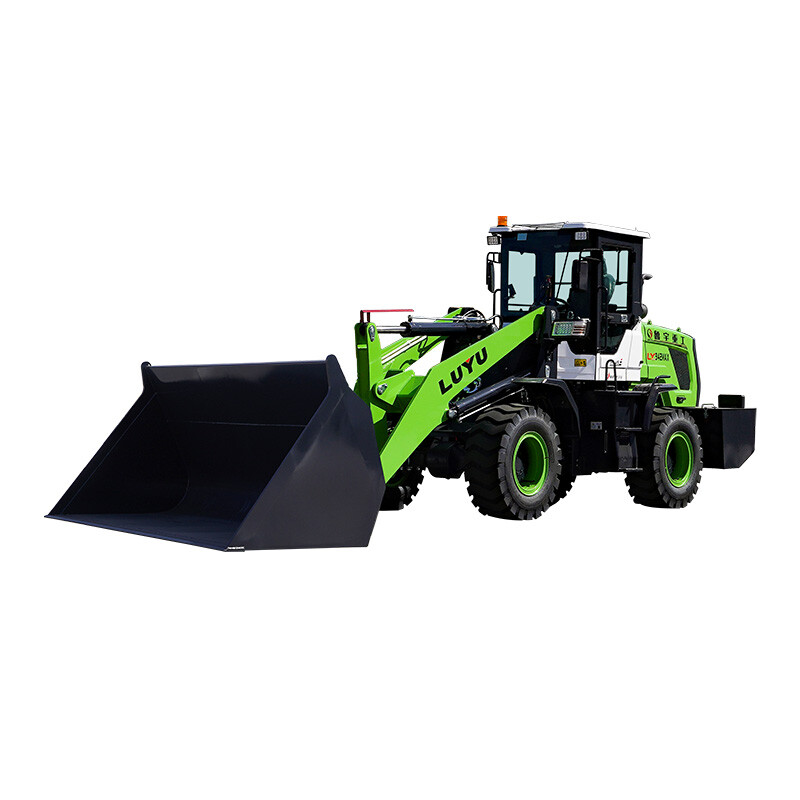
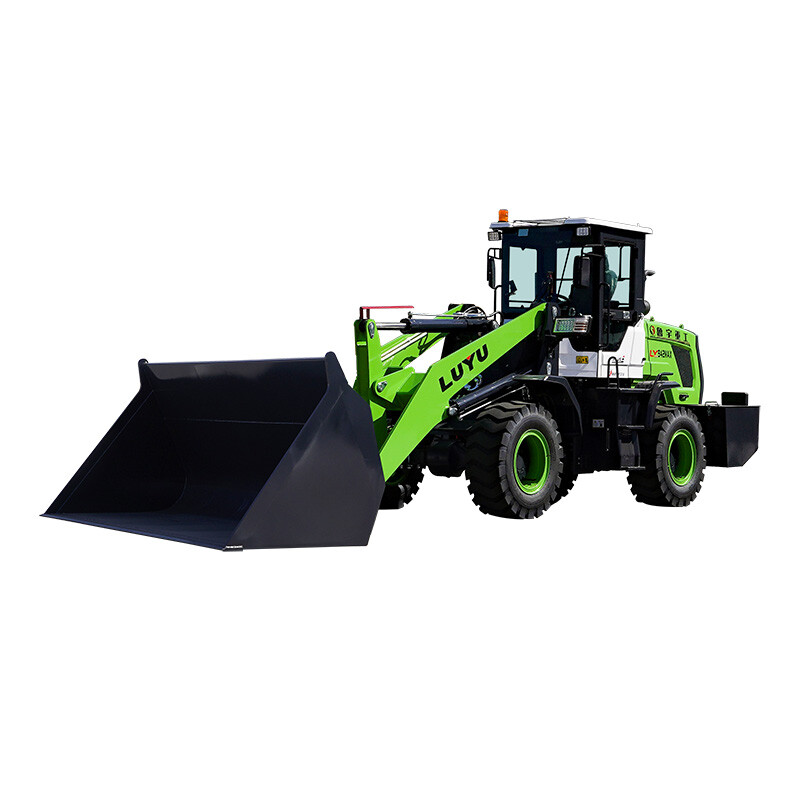
Ease of maintenance also matters during daily operation. LUYU's grain warehouse loader range features a side-opening hood that makes common cleaning points easier to reach. Improved cab sealing and noise reduction help limit dust entry and improve the working environment.
If you encounter a problem during maintenance or need grain loader maintenance guidance, contact the LUYU team. Our team can help investigate the issue and reduce unnecessary downtime. Contact us for more maintenance information or to learn more about the grain loader range.
Share to :




Tag :
Inquiry
Our manager will contact you within 30 minutes of working hours.
Related products

Send Your Inquiry