






NEWS
Grain Loader Cost: What Will You Spend Beyond the Purchase Price?
Contents
1. Purchase Costs: Establish What the Quote Covers
2. Operating Costs: How Does a Grain Bucket Reduce Trips?
3. Maintenance Costs: Allow for Cleaning as Well as Consumables
4. Repairs and Downtime: Parts Are Only Part of the Bill
When buying a grain loader, a quote shows the grain loader price, but it does not tell you what you will spend over the next few years.
Take soybean and corn storage sites in Brazil as an example. After a grain loader enters service, 3 things continue to produce costs: fuel consumption for handling, scheduled maintenance, and breakdowns that bring repair bills. Even though these costs aren't listed in the purchase quote, they are essential for evaluating the machine's cost-effectiveness and its actual grain warehouse loader cost over time.
That's why you should analyze long-term costs, including quote items, fuel consumption, and routine upkeep and repairs. These expenses complete the picture beyond the initial purchase.
1. Purchase Costs: Establish What the Quote Covers
One offer includes a grain bucket and delivery; another lists only the machine. Which one would you choose?
As you can see, you may need to pay for the items left out of the second offer before work begins. So, add them to find the cost of getting the required configuration to your site.
Compare the totals with these costs included, and you'll get a clearer picture of the actual grain loader cost.
2. Operating Costs: How Does a Grain Bucket Reduce Trips?
Soybeans and corn are less dense than sand or gravel, so the same weight takes up more space. A standard bucket may be full even though the load is still below the machine’s rated capacity. When bucket volume is the limit, a higher payload rating alone will not increase the amount carried.
A dedicated grain bucket offers more room. Within the loader's permitted load, that larger volume allows more grain per scoop and fewer trips to load or transfer the same batch.
Although fuel use varies by model, fewer travel and loading cycles can still reduce the fuel and working time needed to finish the job.
For that reason, compare total fuel and working time required to move the same quantity of grain, rather than hourly fuel consumption alone.

3. Maintenance Costs: Allow for Cleaning as Well as Consumables
Soybean and corn handling can leave dust, husks, and broken grain around air inlets, cooling areas, and joints. The loader therefore needs daily cleaning as well as routine oil changes and lubrication. Grain loader maintenance costs generally have three main parts.
The recurring expenses fall into three aspects:
Service materials: Filters, engine oil, hydraulic oil, and grease. Estimate annual replacements and top-ups from operating hours and service intervals, then check unit prices.
Cleaning labor and supplies: Dust removal around the air inlet, filter housing, cooling area, pivot joints, and cab. The time involved must still be allowed for, even if the loader's usual operator does the cleaning.
Scheduled servicing: If necessary, check whether a technician's site visit carries a separate call-out fee.
These costs recur throughout ownership. Ask the supplier about the maintenance plan and consumable prices when purchasing — it helps you control year-end grain loader maintenance costs.
4. Repairs and Downtime: Parts Are Only Part of the Bill
A repair may cost more than the replacement part itself. Diagnosis, parts delivery, and repair labor can all add to the bill. Ask about supply and service arrangements as well as prices:
Where do you order routine service parts and critical repair parts?
How long is delivery expected to take to your site in Brazil?
Who diagnoses and repairs the machine, and what are the labor and call-out charges?
A delay in parts supply can extend downtime. If truck loading cannot wait, hiring another machine adds rental and transport charges.
Conclusion
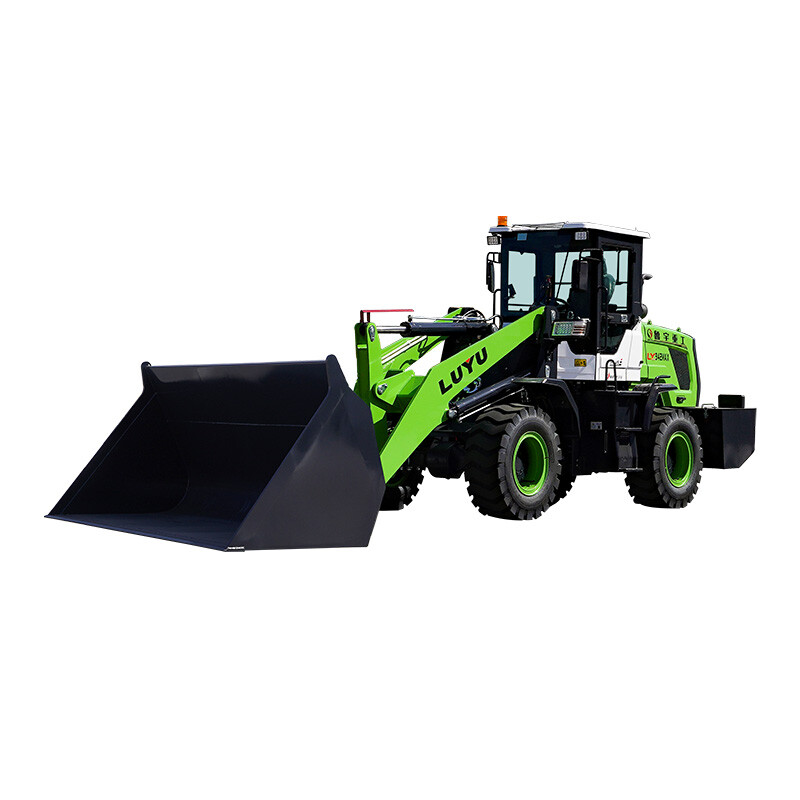
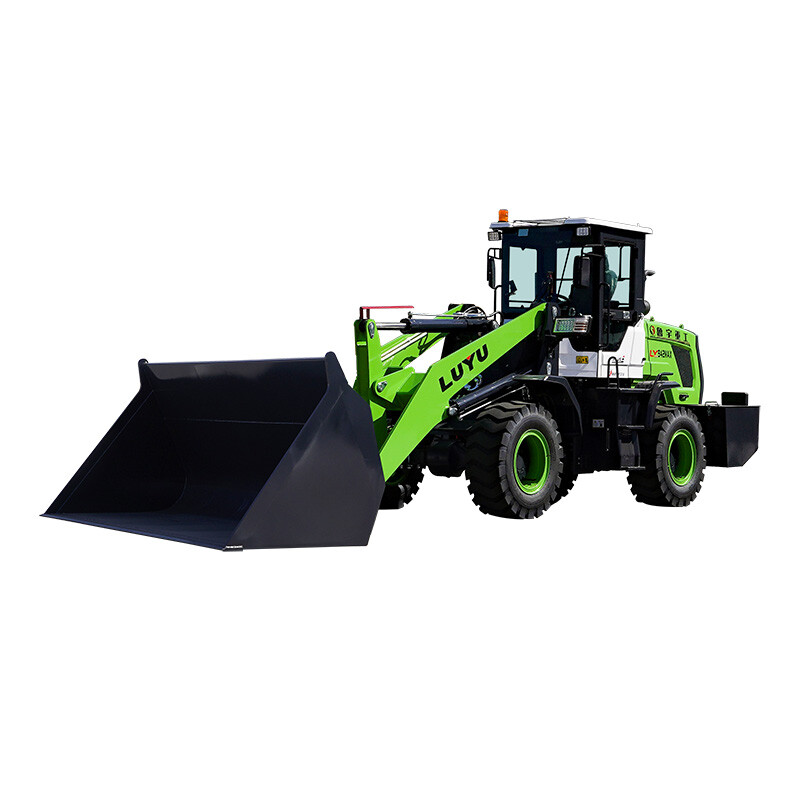
Our LK952 and LK956 grain loaders both come standard with a 2.4 m³ grain bucket and have a rated load of 3,000 kg. The grain bucket is supplied with the machine, so there is no need to source and fit one separately.
The LK952 has a published dump height of 4.5 m; the LK956 offers 4.8 m. Send us the height of your truck sides or hopper inlet, and the LUYU team will check the fitted model and configuration with the relevant price.
LUYU grain loaders also feature a side-opening hood, making routine inspections and cleaning much easier. That means operators can quickly clear accumulated debris after work, saving more time.
Considering buying a grain warehouse loader? Use this grain loader buying guide to compare more than the initial quote. Explore ourLK952 and LK956, or contact the LUYU team directly to share your detailed requirements. We’ll provide tailored selection advice and a transparent quotation.
Share to :




Tag :
Inquiry
Our manager will contact you within 30 minutes of working hours.
Related products

Send Your Inquiry