






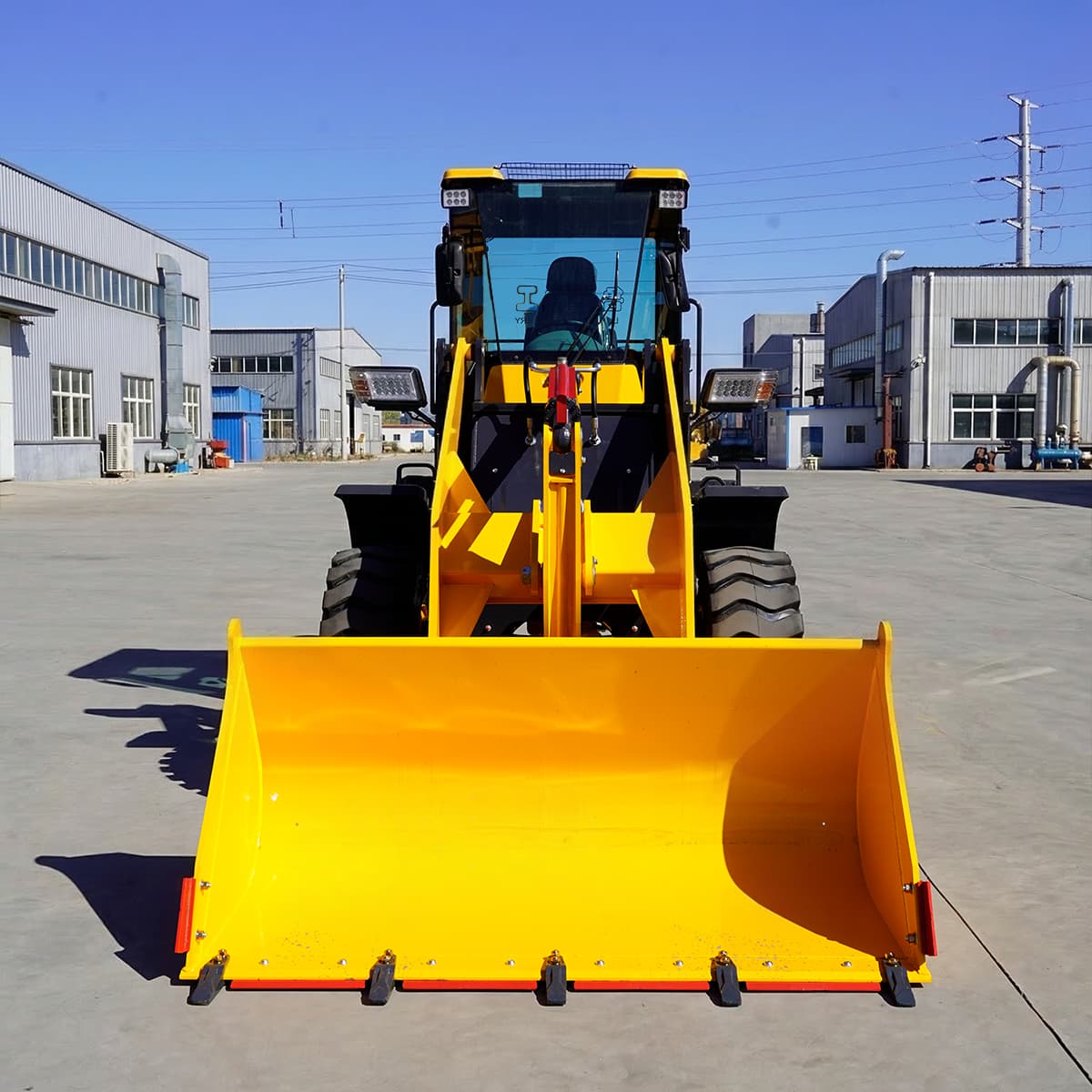
Wheel Loader Bucket Types, Uses and Selection Guide
Wheel loader buckets are not all designed for the same job. Soil, gravel, rock, and lightweight bulk materials place different demands on the bucket. So, using one bucket for all tasks may be not the right decision. Furthermore, capacity is only one part of the equation. Bucket type affects loading performance and service life as well.
For everyday earthmoving, a general purpose bucket may be all that is needed. More demanding or specialized jobs, however, may call for a rock bucket, high dump bucket, side dump bucket, or another configuration.
There are main wheel loader bucket types, along with the work they are commonly used for and the key points to consider when choosing between them.
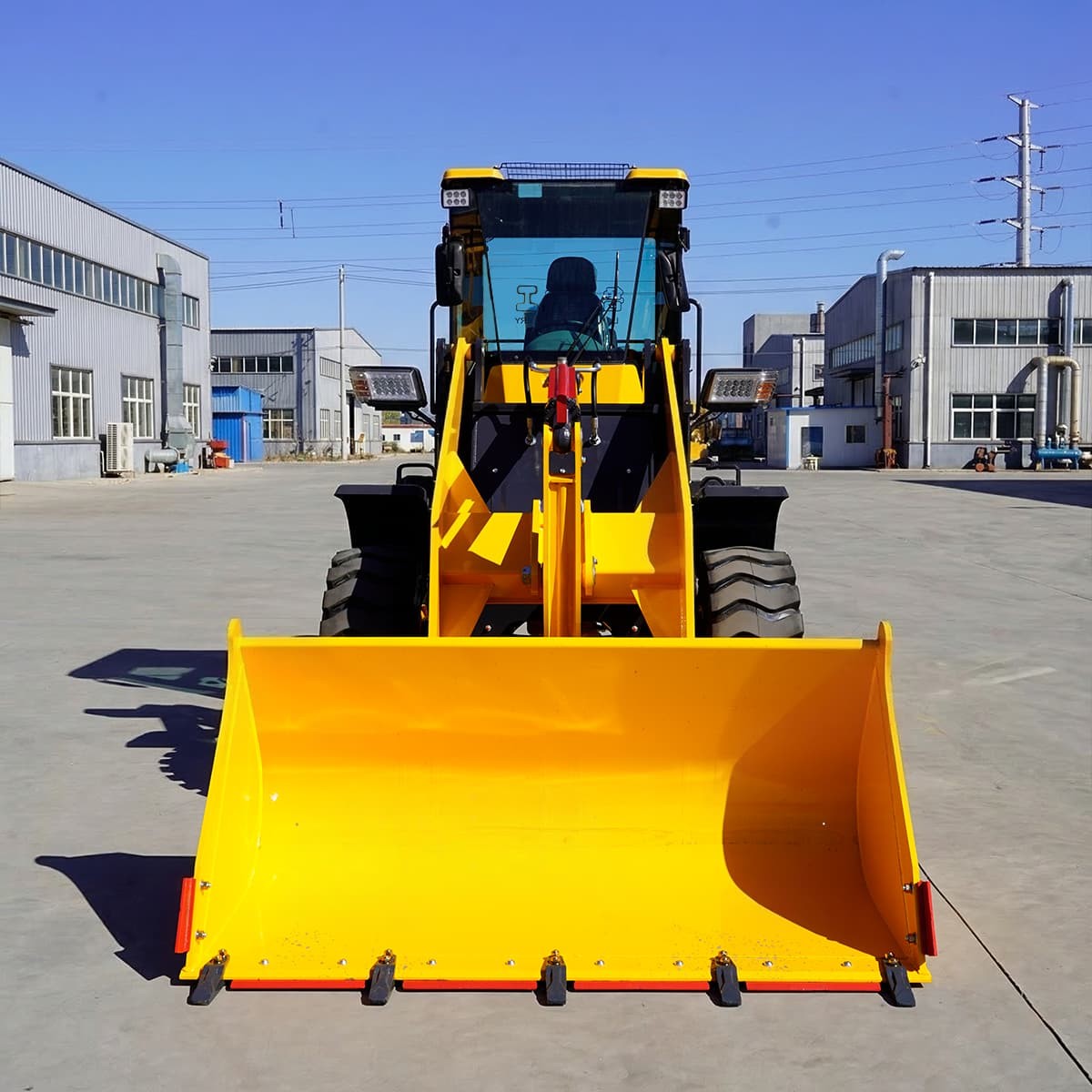
I. Common Wheel Loader Bucket Types
1. General Purpose Bucket
For everyday loading work, the general purpose loader bucket is usually the starting point.
It works well with common bulk materials, including soil, sand, gravel, and similar loose materials. This bucket is designed around general-purpose work rather than one particular application.
It works well for earthmoving, construction, farm, and municipal work — provided the machine does not routinely handle hard materials or specialized loading tasks.
2. Rock Bucket
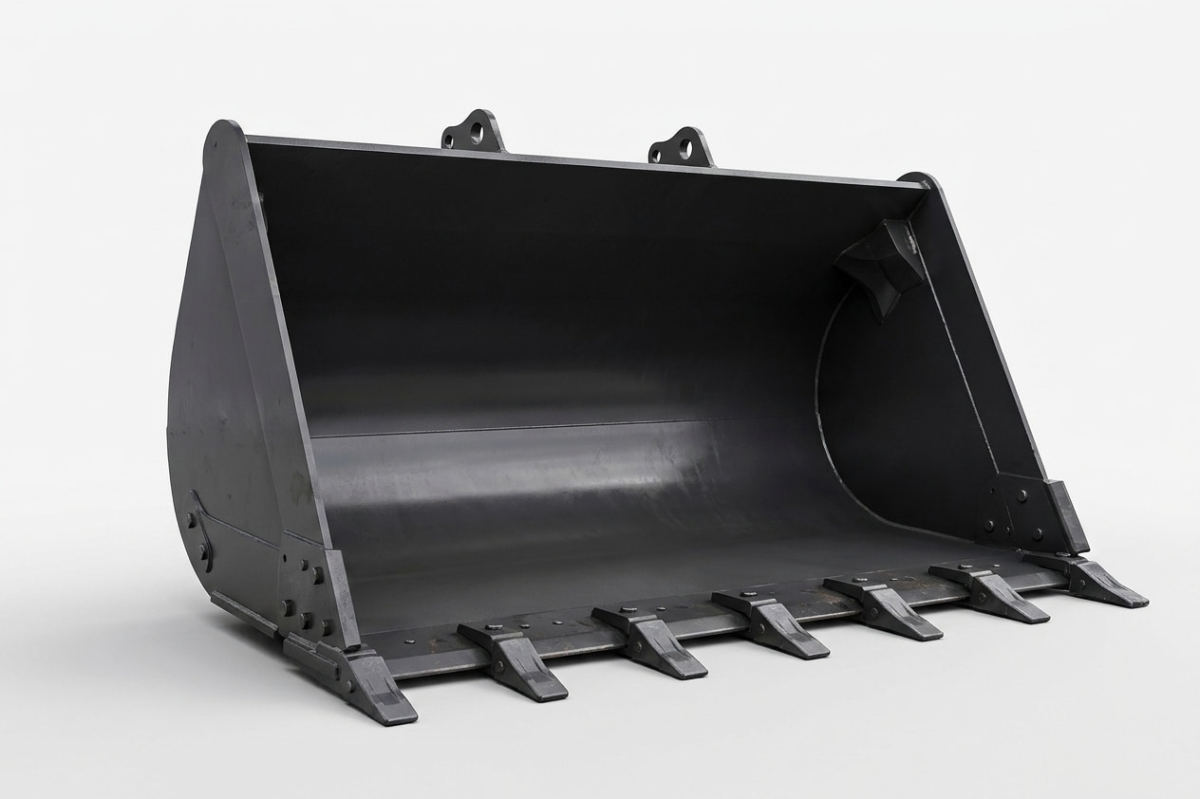
Rock and crushed stone can put considerably more stress on a bucket than ordinary soil or loose material. This is where a rock bucket becomes more appropriate.
High-impact areas like the bucket bottom, side edges, and teeth are typically reinforced. The added wear resistance also helps the bucket stand up to abrasive materials.
If the wheel loader frequently works in quarries, mining sites, or demolition operations, a rock bucket with added protection is a better choice than a standard bucket.
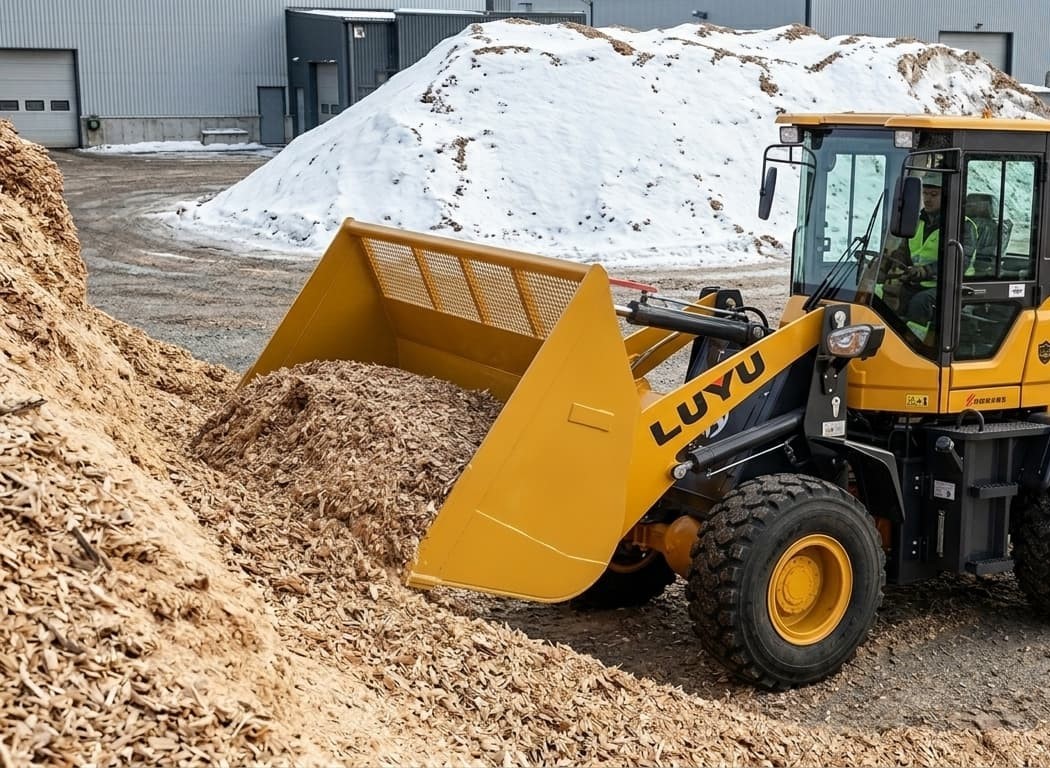
3. Light Material Bucket
Some materials take up a lot of space without adding the same amount of weight. Wood chips, grain, and straw are typical examples.
A light material bucket is designed with this type of work in mind. Its larger capacity allows the operator to move a greater volume of material in one cycle, provided the load remains within the wheel loader's rated capacity.
Capacity still needs to be considered alongside material density. A bucket that works well for lightweight material may not be appropriate for heavier loads simply because it holds more volume.
4. High Dump Bucket
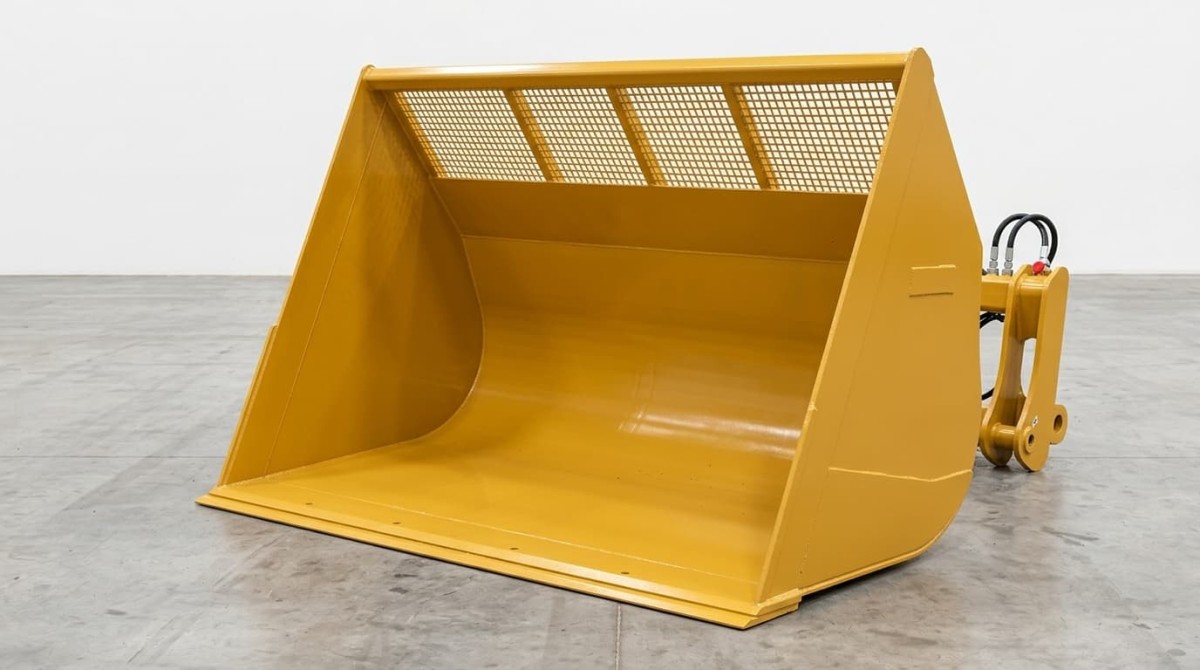
Working height is the primary reason for choosing a high dump bucket.
When material has to go into a high-sided truck, hopper, or storage bin, the dumping height of a conventional bucket may not be enough. A high dump bucket provides additional height and reach, making this type of loading possible without relying as much on repositioning the machine.
For this application, the required dumping height should be checked first. A larger bucket capacity does not solve a problem caused by insufficient dumping height.
5. Side Dump Bucket
There are jobs where the material cannot simply be discharged straight ahead. A side dump bucket is designed for these situations, using hydraulic operation to move the material to the side.
This arrangement can be useful for ditch cleaning, road maintenance, and work around walls or other obstacles. Instead of repeatedly turning and repositioning the wheel loader, the operator can discharge material laterally.
Since side dumping depends on hydraulic operation, compatibility with the wheel loader's hydraulic system needs to be confirmed before choosing this bucket.
6. 4 in 1 Bucket
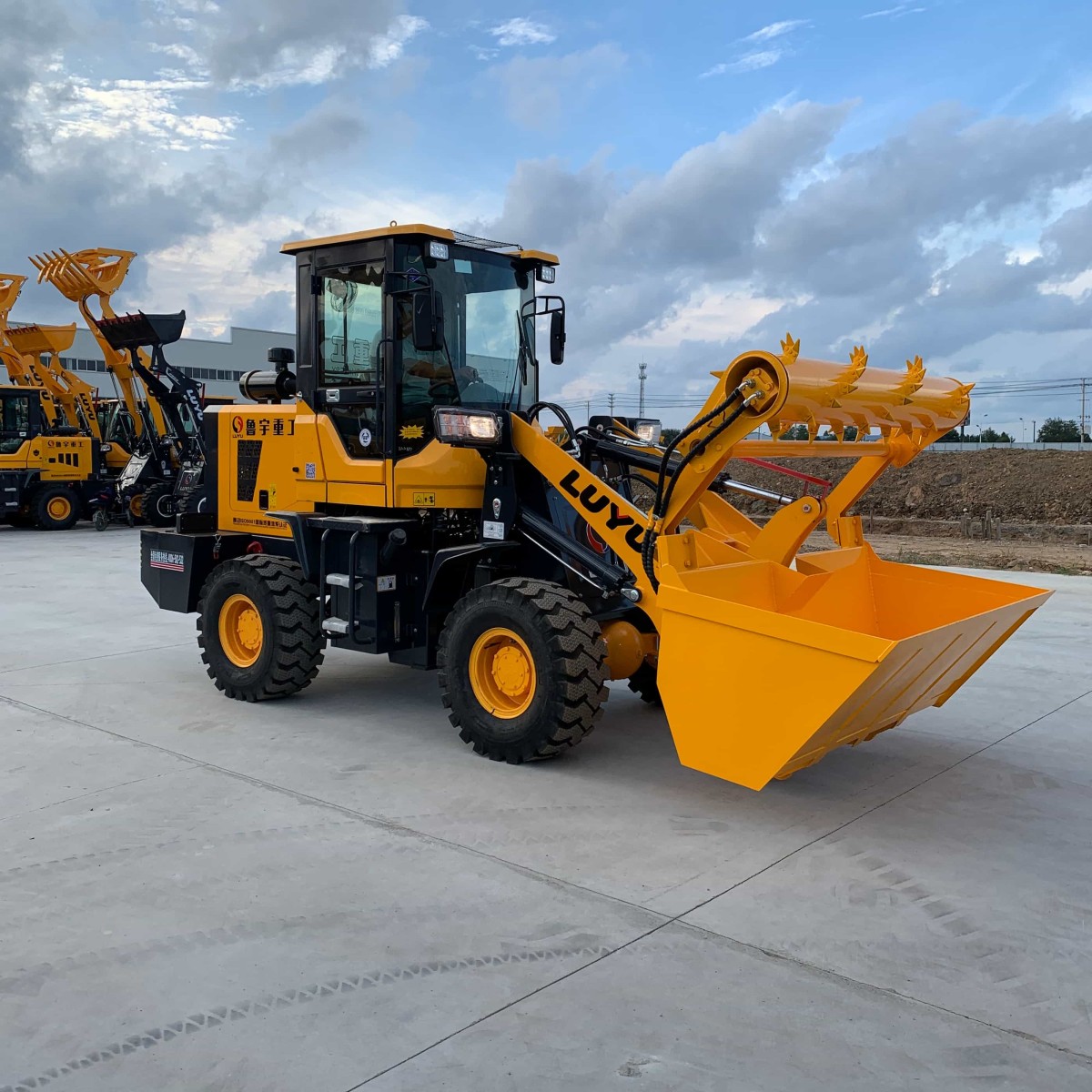
A 4 in 1 bucket is designed for jobs that involve more than straightforward loading. Its opening mechanism allows the attachment to take on different tasks, such as loading, pushing, grading, and certain grabbing operations.
This flexibility is useful when the same wheel loader transitions between different types of work. It may also reduce the number of attachment changes required during the day.
The trade-off is a more complicated structure and greater hydraulic requirements. The machine should therefore be checked for the necessary hydraulic functions.
II. How to Choose the Right Wheel Loader Bucket?
The right bucket is largely determined by the following four things.
1. Match the Bucket to the Material
Start by identifying the material that the wheel loader will handle most often.
Soil, sand, and gravel generally call for a general purpose loader bucket. For rock and other highly abrasive materials, a rock bucket provides a more suitable structure. Lightweight bulk materials such as grain, straw, and wood chips are better matched with a light material bucket.
2. Consider Where the Work Takes Place
The layout and requirements of the work area can be just as important as the material.
For ordinary construction work, there may be little reason to move away from a general purpose loader bucket. A high dump bucket becomes useful when the discharge point is higher than a conventional bucket can reach. A side dump bucket is worth considering when material needs to be placed to the side or when the available working space is limited.
For operations that involve loading as well as pushing and grading, a 4 in 1 bucket can provide the required flexibility.
3. Check the Wheel Loader Specifications
A bucket must operate within the limits of the machine that carries it. e a practical way to get more from the same whee
Both bucket weight and capacity should correspond to the wheel loader's rated load. An attachment that is too large or heavy can affect stability and usable payload, while one that is too small may leave part of the machine's working capability unused.
Hydraulic requirements also matter. This is particularly important with a side dump bucket and 4 in 1 bucket, as these attachments require the appropriate auxiliary hydraulic circuit.
4. Think About Long-Term Use
The cheapest bucket to purchase is not necessarily the least expensive option over time.
For example, frequent work with abrasive rock can quickly wear a standard bucket. In that situation, choosing a rock bucket with better wear resistance may reduce the need for repeated replacement.
If working conditions change frequently, using different buckets for different jobs can also be a practical way to get more out of the same wheel loader.
Quick Guide: Which Bucket Should I Choose?
Soil, sand, gravel, and other common materials → General purpose loader bucket
Rock, crushed stone, and abrasive materials → Rock bucket
Wood chips, grain, straw, and other lightweight bulk materials → Light material bucket
High-sided trucks, hoppers, or storage bins → High dump bucket
Side discharge or confined working space → Side dump bucket
Loading, pushing, grading, and other varied tasks → 4 in 1 bucket
The basic rule is straightforward: use a general purpose bucket for common work, opt for a rock bucket when abrasion is a major concern, and choose a light material bucket when volume outweighs material weight. High dump and side dump buckets address specific unloading requirements, while a 4 in 1 bucket is a better fit when several functions are needed from one attachment.
III. Can a Wheel Loader Bucket Be Customized?
Standard buckets do not necessarily cover every working condition. For more specific requirements, the bucket can be adjusted according to the wheel loader model and the intended application. Possible changes include tooth configuration, wear-resistant construction, and dumping method.
The bucket should not be designed independently of the machine. Rated load, working equipment, hydraulic system, and overall machine dimensions all need to be considered so that the finished attachment is properly matched to the wheel loader.
IV. Conclusion
The right wheel loader bucket always depends on the materials, working conditions, and machine specifications.
Before making a choice, look beyond bucket capacity. The material being handled, the working environment, the wheel loader's specifications, and the expected long-term operating costs should all be taken into account.
For different wheel loader models and the working requirements, LUYU provides wheel loader bucket customization service, helping users select an attachment that fits the actual job.
 facebook
 twitter
 linkedin
 How to Quickly Choose the Right Wheel Loader Model for Your Needs?Learn how to choose the right wheel loader model based on materials, workload, working space, budget, bucket capacity, and other key parameters.
 Small Construction Projects: Should You Choose a Wheel Loader or a Backhoe Loader? A Comparative Buying GuideComparing a compact wheel loader vs backhoe loader for small job sites? Explore key differences, applications, and how to choose the right machine for your fleet.
 What Are the Uses of a Wheel Loader? Wheel Loader vs. Excavator & Tractor ComparisonDiscover versatile compact wheel loader uses for farming, construction, and snow removal. Compare wheel loaders vs excavators and tractors to maximize your ROI.
 What's the difference between Wheel loaders, telehandlers, skid steers?Compare wheel loaders, telehandlers, and skid steers on capacity, reach, and maneuverability. Find the best equipment for your job site specs.
 LY949 Compact Wheel LoaderThe 949 Compact Wheel Loader is a full-featured wheel loader that can be used in a variety of environments such as earthworks, construction sites and mines. We have a professional R & D team and engineer team, with a wealth of technical strength
 LY958 Compact Wheel LoaderWhen the LY958 Compact wheeled loader is used for agricultural work, we should change the engine oil and filter regularly. Clean oil and filters help maintain engine lubrication and reduce friction and wear.
 932 Wheel LoaderThe 932 wheel loader is easy to operate and allows the driver to get started quickly. The joystick, pedals and buttons are all optimized to improve the accuracy and efficiency of the operation.
 LY928C Wheel Loader

Send Your Inquiry