






NEWS
How to Quickly Choose the Right Wheel Loader Model for Your Needs?
Content
1. What Materials Will You Mainly Handle?
2. How Much Work Will Be Done Each Day?
3. Is the Working Space Limited?
4. What Is Your Equipment Investment Budget?
5. What Other Parameters Should You Consider?
Wheel loaders are commonly used equipment in urban construction projects. They can be used for loading, handling, and transporting soil, sand and gravel, construction materials, and construction waste. With different tonnages and configurations available, many users are unsure which model to choose.
In fact, a larger wheel loader is not always a better choice. The right wheel loader model should be selected based on actual conditions such as the materials, workload, available working space, and budget.
If you are choosing a construction wheel loader for your business, the following factors can help you make a decision.
1. What Materials Will You Mainly Handle?
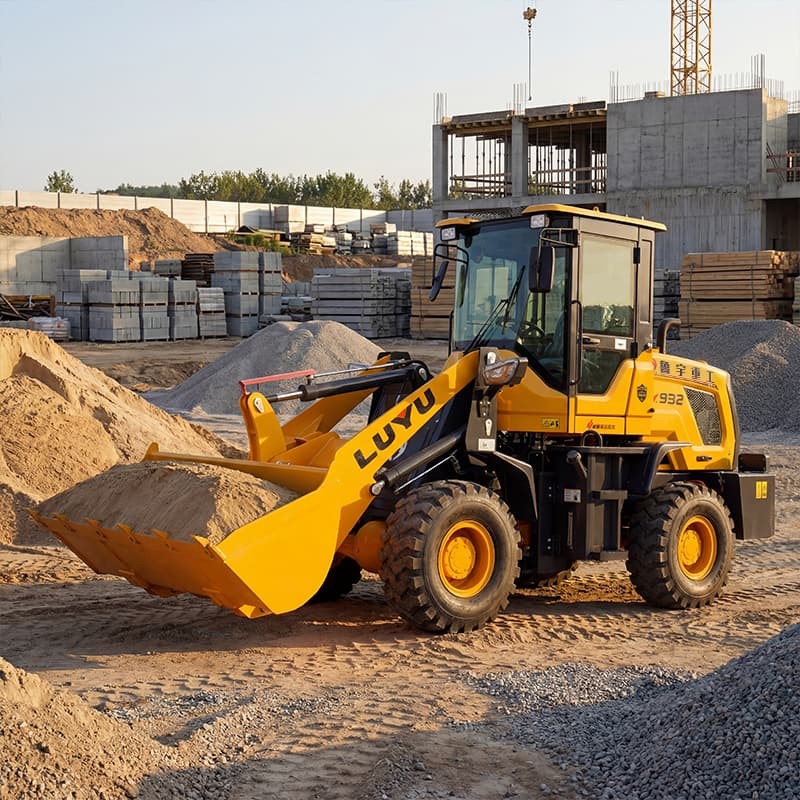
The first step is to determine what materials the wheel loader will mainly handle. Different materials vary in weight, form, and loading method, so they have different requirements for the equipment.
Soil, sand and gravel → Focus on bucket capacity and loading efficiency.
In terms of loading and transporting bulk materials such as soil, sand, and gravel, you need to consider whether the wheel loader bucket capacity can meet the requirements of each loading cycle. And don't forget the overall working efficiency of the equipment.
Construction materials → Focus on rated load and stability.
If the wheel loader will be used to handle heavy construction materials such as bricks and bagged materials, think about the rated load based on the actual weight being handled and make sure the equipment remains stable during operation.
Construction waste → Focus on equipment durability.
Bricks, stones, and concrete blocks are common types of construction waste and result in relatively demanding working conditions. For construction waste cleanup and transportation over a long period, priority should be given to a model with a reliable structure that can handle more demanding construction environments.
2. How Much Work Will Be Done Each Day?
After determining the type of materials, you also need to consider the daily workload and how frequently the equipment will be used. Even when handling the same sand and gravel, small-scale projects and large-scale continuous operations have very different requirements for a wheel loader.
Small-scale, intermittent work → Small wheel loader
For small construction sites, site cleanup, or handling small amounts of material, where the machine does not work for long periods each day, a small wheel loader can usually meet the basic requirements. Moreover, smaller equipment is more flexible when moving around the construction site.
Frequent loading and handling → Medium wheel loader
If loading and handling are required frequently throughout the day, a medium wheel loader is generally more suitable. It can provide a good balance between equipment size, loading capacity, and working efficiency, making it suitable for common urban construction applications.
Large-scale, continuous construction → Large wheel loader
For a large construction project that requires large quantities of soil, sand, gravel, or other materials to be handled continuously for long periods, a large wheel loader can be considered. Its greater loading capacity can reduce the number of loading cycles and improve overall working efficiency.
3. Is the Working Space Limited?
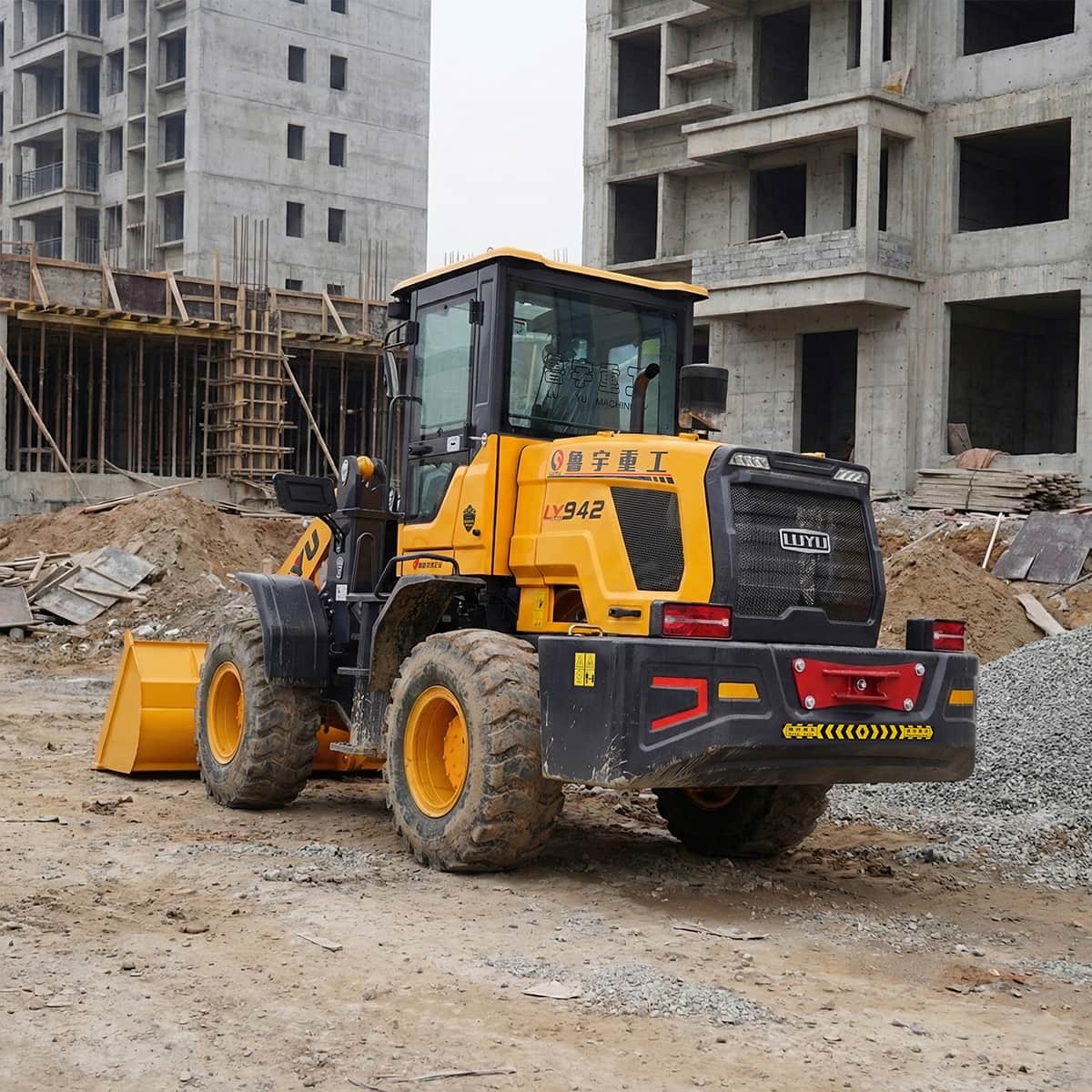
Working space on urban construction sites is often limited by buildings, barriers, roads, and other construction equipment. Therefore, equipment size and maneuverability are also important factors when choosing between different wheel loader sizes.
Narrow urban construction sites → Small or compact wheel loader
If the working space is limited, pay close attention to the equipment's overall dimensions, turning ability, and maneuverability. The equipment should not only be able to enter the working area, but also have enough flexibility to turn and complete loading operations on site.
Open construction areas → Medium or large wheel loader
If there is sufficient working space, a medium or large wheel loader can be selected according to the actual workload. When space is less restrictive, greater attention can be given to loading capacity and continuous working efficiency.
4. What Is Your Equipment Investment Budget?
Finally, equipment selection should also take the budget into account. The purchase cost of a wheel loader is related to its model, configuration, and loading capacity, but the decision should not be based only on the initial purchase price.
Limited initial investment → Choose a small wheel loader that meets basic needs
For a small construction site where the equipment will operate for only a short time each day, choosing a small wheel loader is a wise move. This allows daily construction tasks to be completed while keeping the initial investment under control.
Long-term, frequent use → Choose a more efficient medium or large wheel loader
If the equipment will be used frequently over a long period, working efficiency matters so much. Although a medium or large wheel loader may require a higher initial investment, its greater loading capacity can reduce repeated operations and increase the amount of work completed within a given period.
Therefore, when determining the budget, do not compare purchase prices alone. Take the equipment's usage frequency, working efficiency, and long-term operating costs into consideration.
5. What Other Parameters Should You Consider?
After initially determining the wheel loader size, you can further compare parameters such as bucket capacity, rated load, dump height, engine power, and working equipment.
For example, if materials need to be loaded directly into transport vehicles, you need to match the wheel loader's dump height with the requirements. Or, if there are tasks like handling heavy materials, the rated load should be carefully checked to make sure it is suitable.
These parameters do not need to determine the equipment model individually. Instead, they should be compared together based on the actual working conditions.
Summary
Choosing the right wheel loader model is not simply about deciding that a larger machine is better. The equipment should be matched to the actual construction requirements. You can narrow down your options in the following order: material type → workload → working space → equipment budget → specific parameters.
Small wheel loaders are generally more suitable for small-scale projects with limited working space; medium wheel loaders can be considered for frequent operations; and large wheel loaders can be considered for large-scale, continuous construction work.
As a wheel loader manufacturer, LUYU provides a corresponding wheel loader lineup and configuration options for different working conditions. Whether handling soil, sand and gravel in urban construction or loading and unloading construction materials, users can choose a suitable equipment model according to their actual operating requirements. When selecting a wheel loader, it is recommended to consider the working environment, workload, and material type together and choose a suitable model based on the actual construction requirements.
Share to :




Inquiry
Our manager will contact you within 30 minutes of working hours.
Related products
 LY949 Compact Wheel Loader
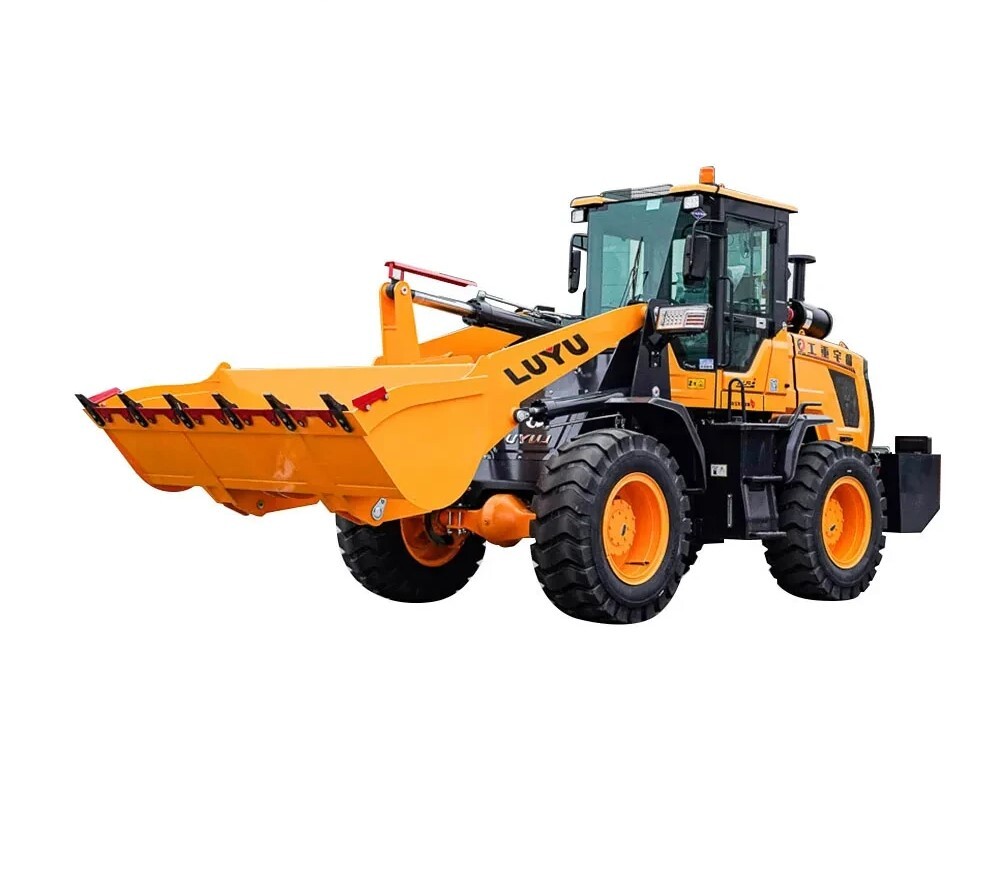
Engine YN4108T 90KW/122HP Rated Load 2800kg Dumping Height 3800mm Bucket Capacity 1.2m³  LY939L Mini Wheel Loader
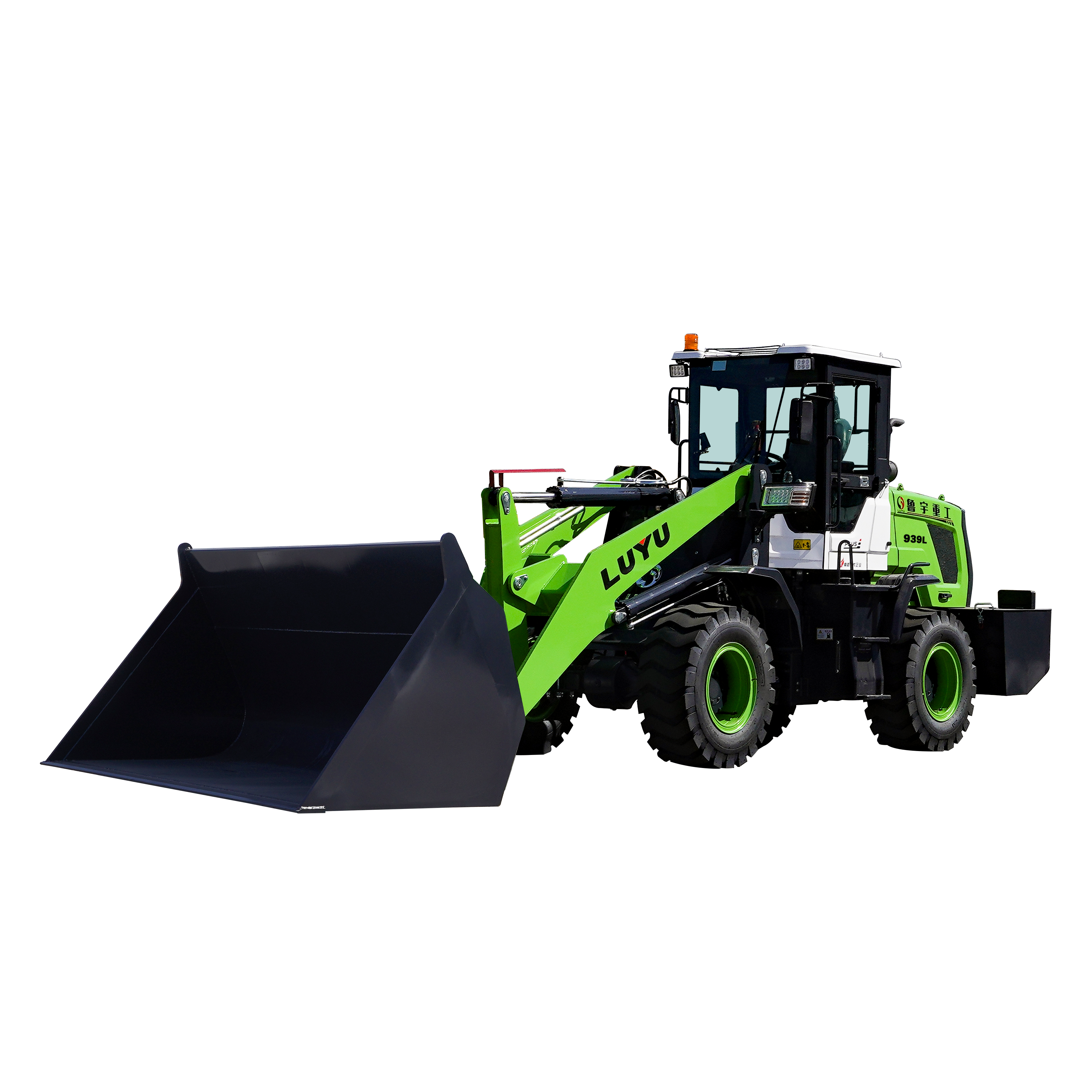
Engine Huafeng4102(76kw/103hp) Rated Load 2100kg Dumping Height 4500mm Bucket Capacity 2m³  LT288 Front End Wheel loader
Engine Yudong(85kw/114hp) Rated Load 2600kg Dumping Height 3800mm Bucket capacity 1.2m³  920F Compact Wheel Loader
Engine Yunnei25(37kw/50hp) Rated Load 1000kg Dumping Height 2800mm Bucket Capacity 0.5m³

Send Your Inquiry