






What Are the Uses of a Wheel Loader? Wheel Loader vs. Excavator & Tractor Comparison
Content
Endless tasks. Tight budget. That's life on a farm or job site. One day you're hauling feed and round bales; the next, you're moving gravel, clearing land, or pushing snow. Buying a separate rig for every single job destroys your cash flow — not to mention the nightmarish upkeep on multiple engines.
That's why smart operators switch to compact wheel loaders.
Instead of sitting idle half the year, a reliable wheel loader works across different seasons. It pairs maneuverability with a wide range of attachments. One base machine handles loading, transport, material handling, site cleanup, and more. Less equipment. More done.
What can a wheel loader do? And how does it compare to an excavator or tractor? This article covers both.
Three Questions Before You Spend a Dime
Skip the sales pitch. Look at your daily routine and ask:
Where do your machine hours actually go? Deep trenching, or constant lifting, loading, and carrying loose material?
How many machine payments do you want? Multiple loan bills, or one reliable workhorse?
What's your main site bottleneck? Tight gates and narrow barns, or pure heavy breakout force in open fields?
Forget the hype. You don't need the biggest machine on the market — you need the one that fits your space. Mixed daily work? A compact loader delivers maximum value.
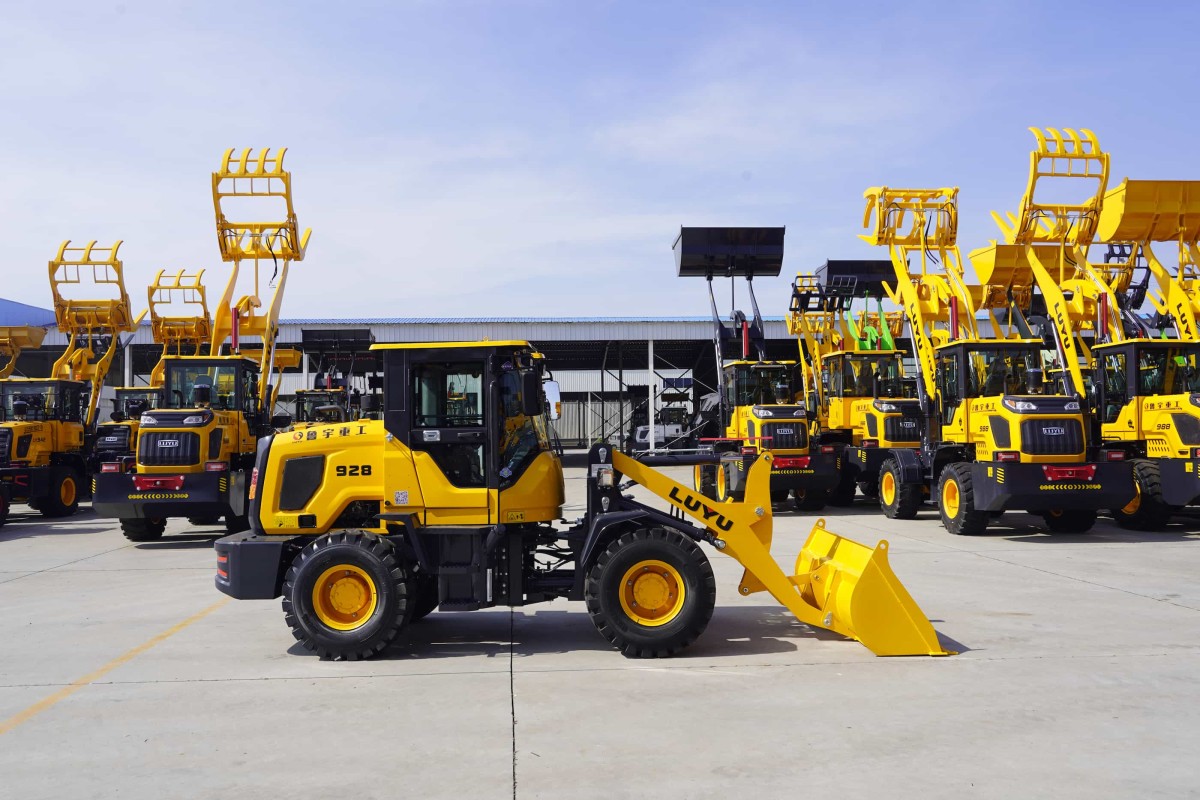
Real-World Comparison: Wheel Loader vs. Excavator vs. Tractor
Here's how compact wheel loaders compare to traditional machinery on active job sites.
Versatility
Tractors belong in fields pulling implements. Try using one like a loader to scoop wet dirt or move heavy rock, and you'll quickly strain the front axle and lose forward visibility.
Excavators rule trenching and demolition, but moving gravel piles 100 yards down a lot with an excavator is agonizingly slow and burns fuel.
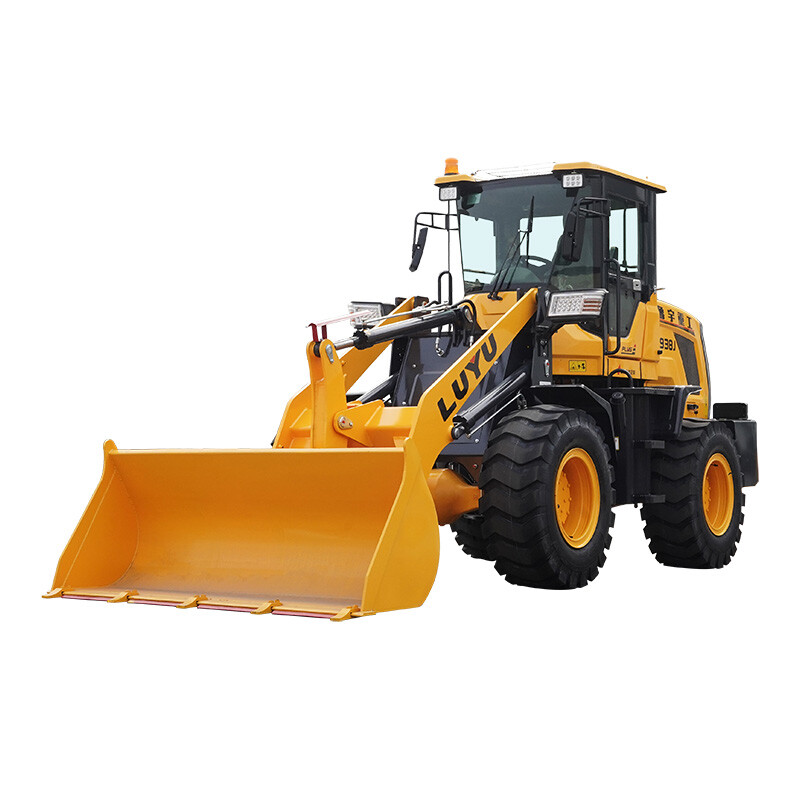
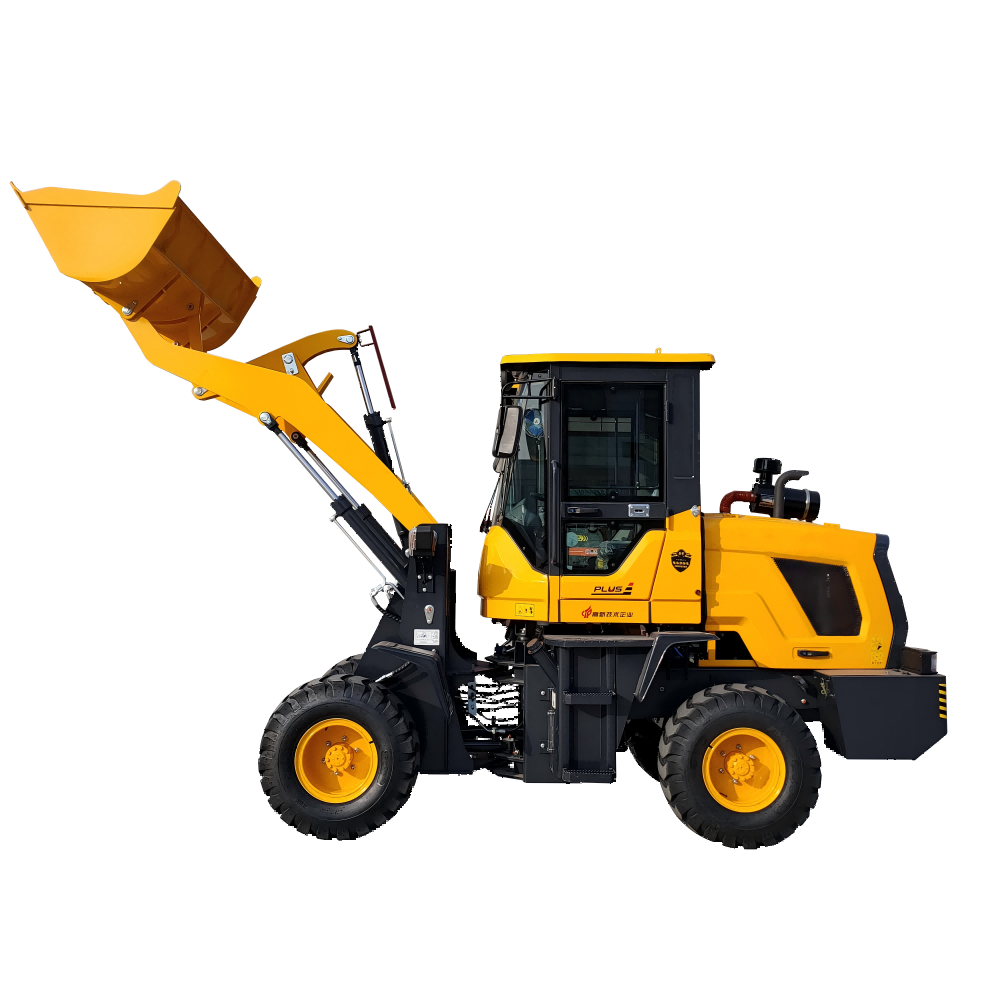
Wheel loaders bridge that gap. With a quick coupler, an operator can swap a bucket for pallet forks in minutes. That kind of attachment flexibility means one machine can do several jobs. No need for separate equipment.
Site Mobility
Tractors handle open dirt roads fine, but backing them into cramped livestock barns or tight yards is a chore.
Track excavators have great grip, but crawl at a snail’s pace. Moving them between sites requires a flatbed trailer, and those steel or heavy tracks ruin fresh asphalt in seconds.
Compact wheel loaders use center-articulated steering. The frame pivots in the middle, so you can turn tight around fence posts and barn aisles. Road speeds around 20 to 25 mph get you straight to the next job. No trailer needed.
ROI & Upkeep
Buying a tractor and a hoe means double the purchase price, double the oil filters, and even twice the breakdown risk. A wheel loader simplifies fleet management. One machine, multiple routine tasks. Lower costs over the long haul.
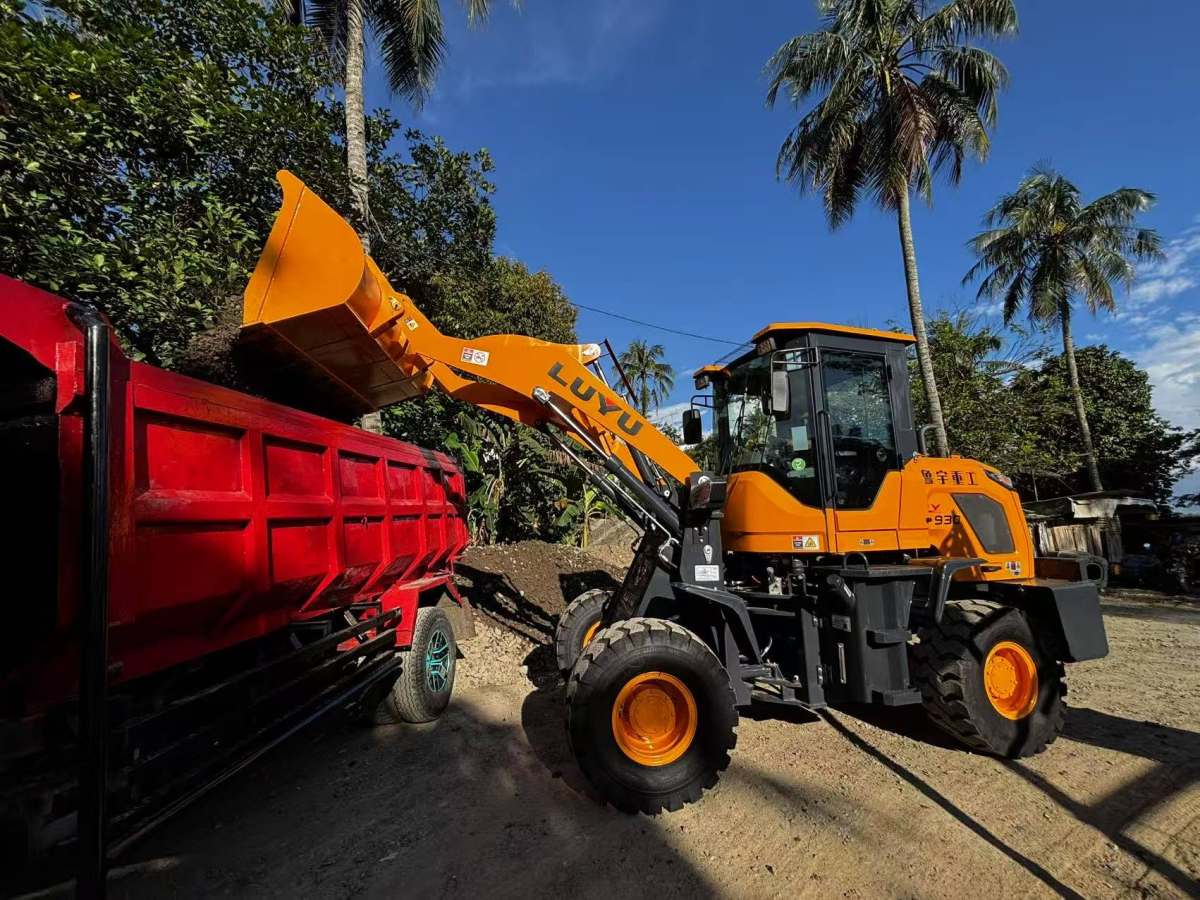
Quick Selection Guide
Heavy Mining or Quarry Work: Get a large crawler excavator or heavy mining loader. You need brute digging depth and heavy lift capacity.
Farms, Local Utilities, or General Contracting: Go with compact wheel loaders. They handle 90% of daily tasks, keep overhead low, and pay for themselves fast.
Pure Field Tillage and Planting: Stick with a dedicated farm tractor. Nothing beats high-horsepower tractors for dragging heavy plows through open soil.
Three Buyer Mistakes to Skip
Buying too big. Oversized machines tie up cash, waste fuel idling, and won't fit through barn doors. Buy for your everyday work, not a once-a-year job.
Chasing cheap sticker prices. Low-cost machines save money upfront but break down during peak harvest. Waiting weeks for replacement parts gets expensive fast.
Skipping custom features. No two sites are identical. Make sure your dealer sets up the right hydraulic flow, cab heat/AC, and attachment brackets before delivery.
Why Operators Choose LUYU Machinery
All-in-One Utility: Swap attachments instantly and replace single-use rigs to cut fleet maintenance costs.
Proven Components: Built with name-brand engines and hydraulic systems that handle daily job-site abuse.
Customized Service: Configured with the exact hydraulic setups, cab options, and attachments your job calls for.
The Bottom Line
When comparing a wheel loader with an excavator or tractor, the best choice depends on the work involved. It's faster, way more flexible, and yields a much cleaner ROI. If you need one solid machine to shoulder your daily heavy lifting, pulling the trigger on compact wheel loaders is a no-brainer.
Share to :


Inquiry
Our manager will contact you within 30 minutes of working hours.
Related products
 LY946 Mini Wheel Loader
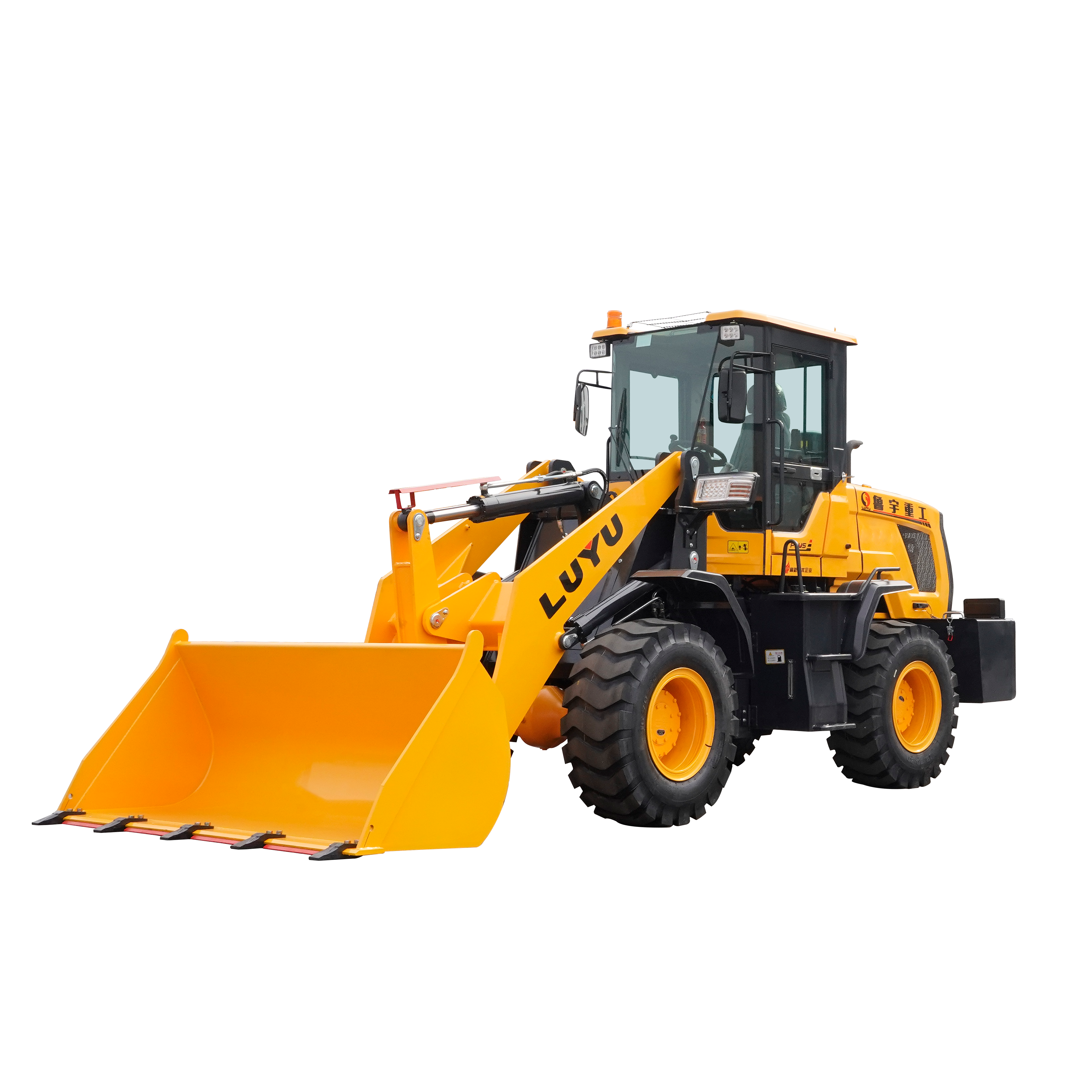
Engine YN48T 92KW/123HP Rated Load 2500kg Dumping Height 3500mm Bucket Capacity 1.1m³  LY942 Compact Wheel Loader
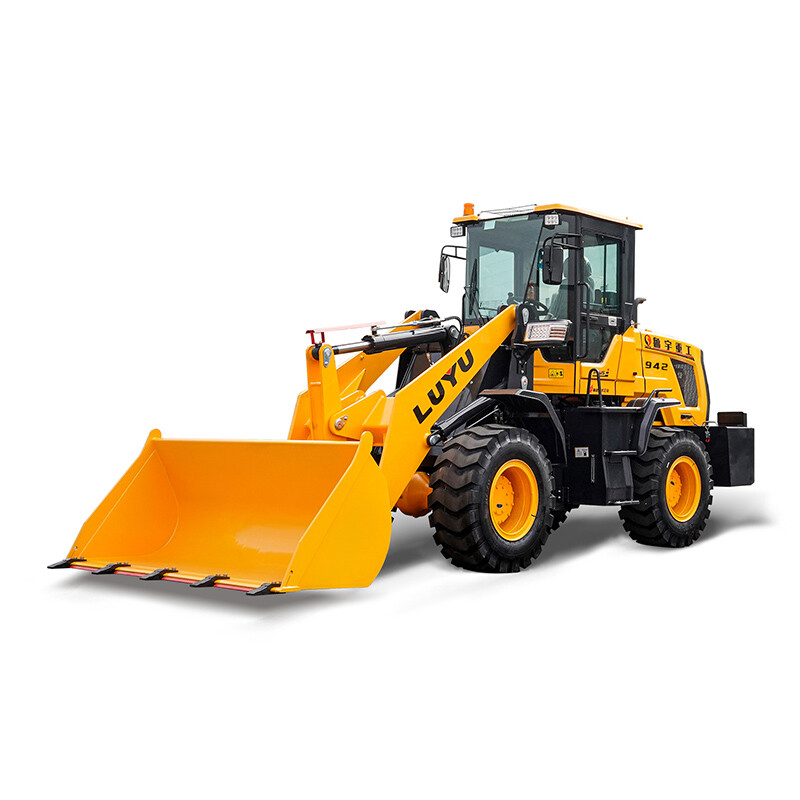
Engine Type YN 76KW/103HP Rated Load 2200kg Dumping Height 3500mm Bucket capacity 1m³  LY938 Mini Wheel Loader
Engine YN27T 58KW/78HP Rated Load 2000kg Dumping Height 3500mm Bucket capacity 0.8m³  LY928F Compact Wheel Loader
Engine YN25 37KW/50HP Rated Load 1500kg Dumping Height 3200mm Bucket Capacity 0.6m³

Send Your Inquiry