






Tractor Front End Loader vs Wheel Loader – Performance, Uses and What to Choose
Content
II. What is a Tractor Front End Loader?
III. Tractor Front End Loader vs Wheel Loader: Performance Differences
IV. Tractor Front End Loader vs Wheel Loader: Positioning & Applications
V. Tractor Front End Loader or Wheel Loader: Which One is Right for You?
Both wheel loaders and tractor front end loaders are commonly used in farming and material handling. They can dig, lift, and move materials due to the front-mounted arms and bucket.
A wheel loader is designed specifically for loading and unloading. Tractors, on the other hand, have a front end loader that gives the machine additional ability to handle materials.
These differing origins influence how each one performs and the role it plays in the workday. We will explain their differences in this article to help you make the right decision.
I. What is a Wheel Loader?
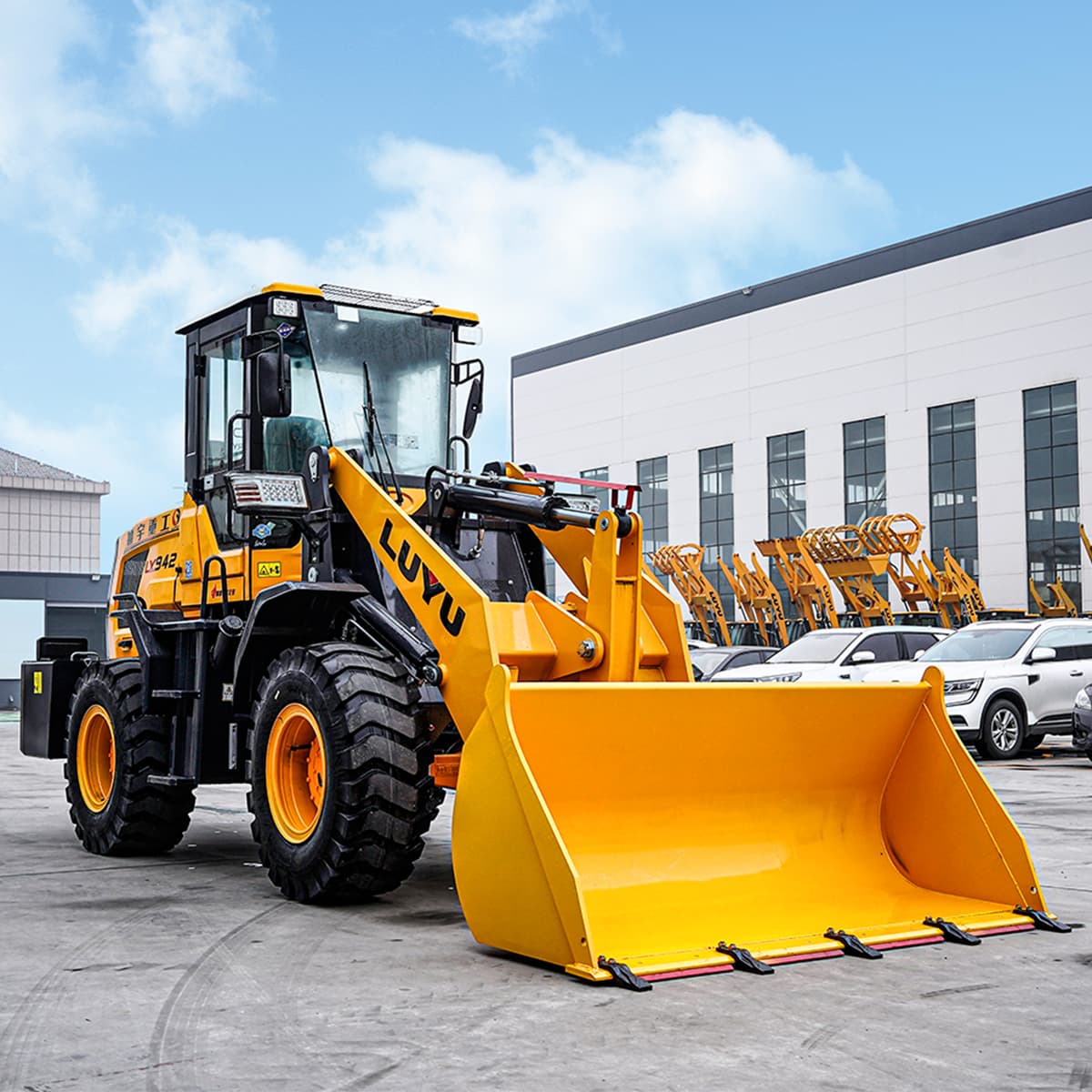
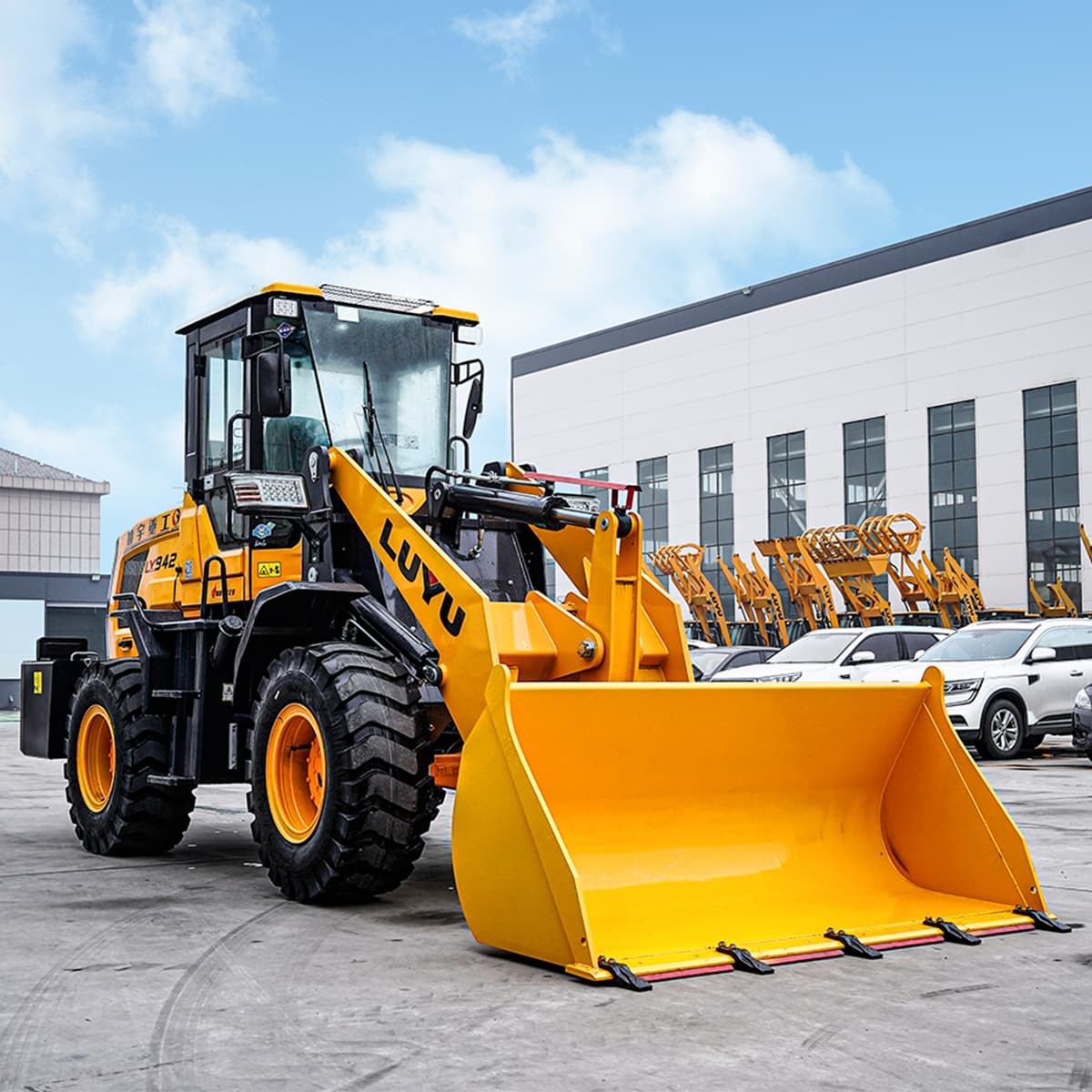
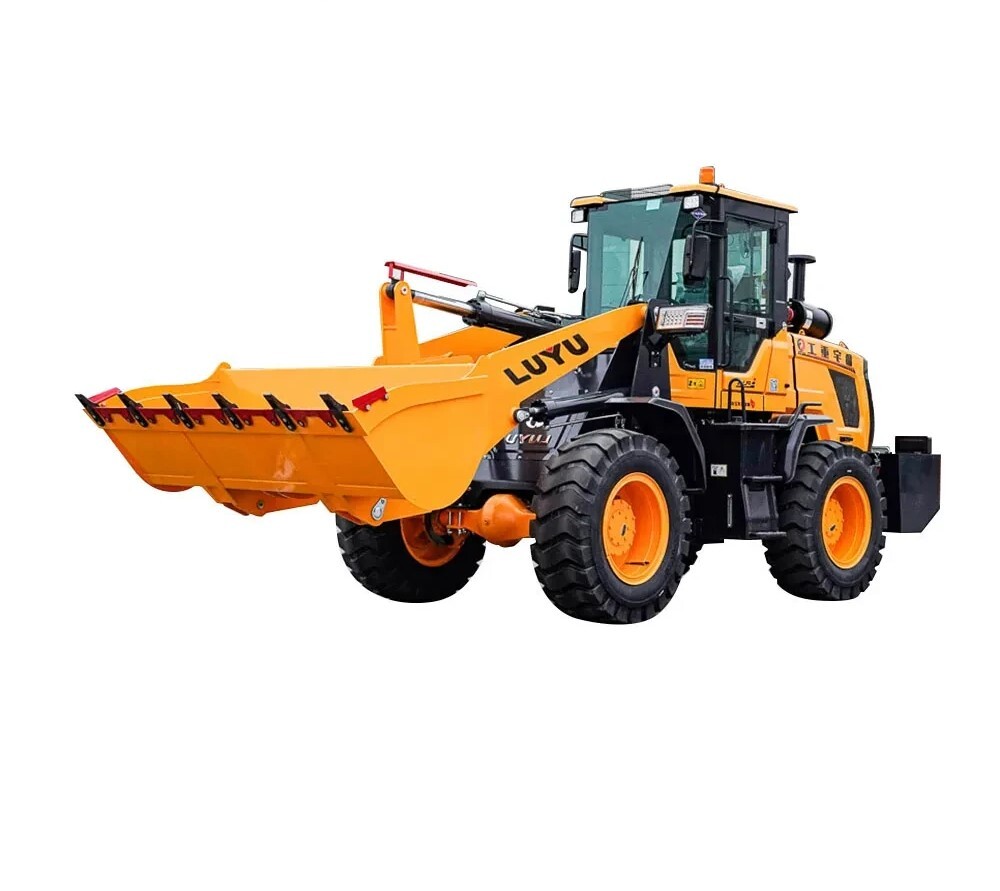
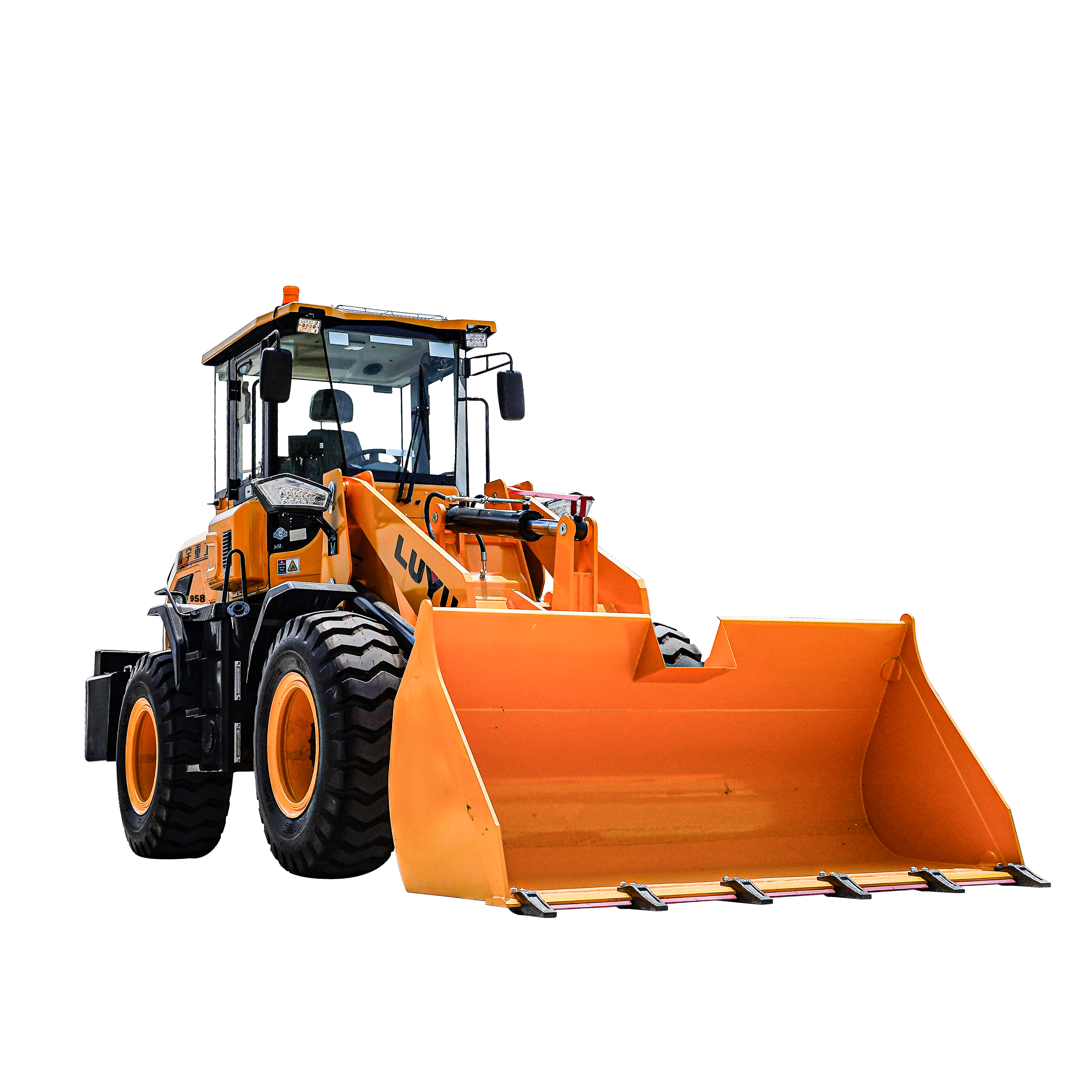
A wheel loader is a specific machine used to lift and move materials short distances. Its chassis, frame, hydraulics, and counterweight have all been designed to allow digging, moving, and unloading.
Generally, wheel loaders will have an articulating steering system. That means the front and rear frames have a joint in the center, allowing the loader to turn. This makes it easier for the operator to turn between the stockpile and vehicle to get the bucket into the correct position.
You can find them in compact, small, or large sizes used on farms, landscaping, material yards, and quarries. As for attachments, the bucket handles loose materials, while pallet forks and grapples extend what the wheel loader can do.
II. What is a Tractor Front End Loader?
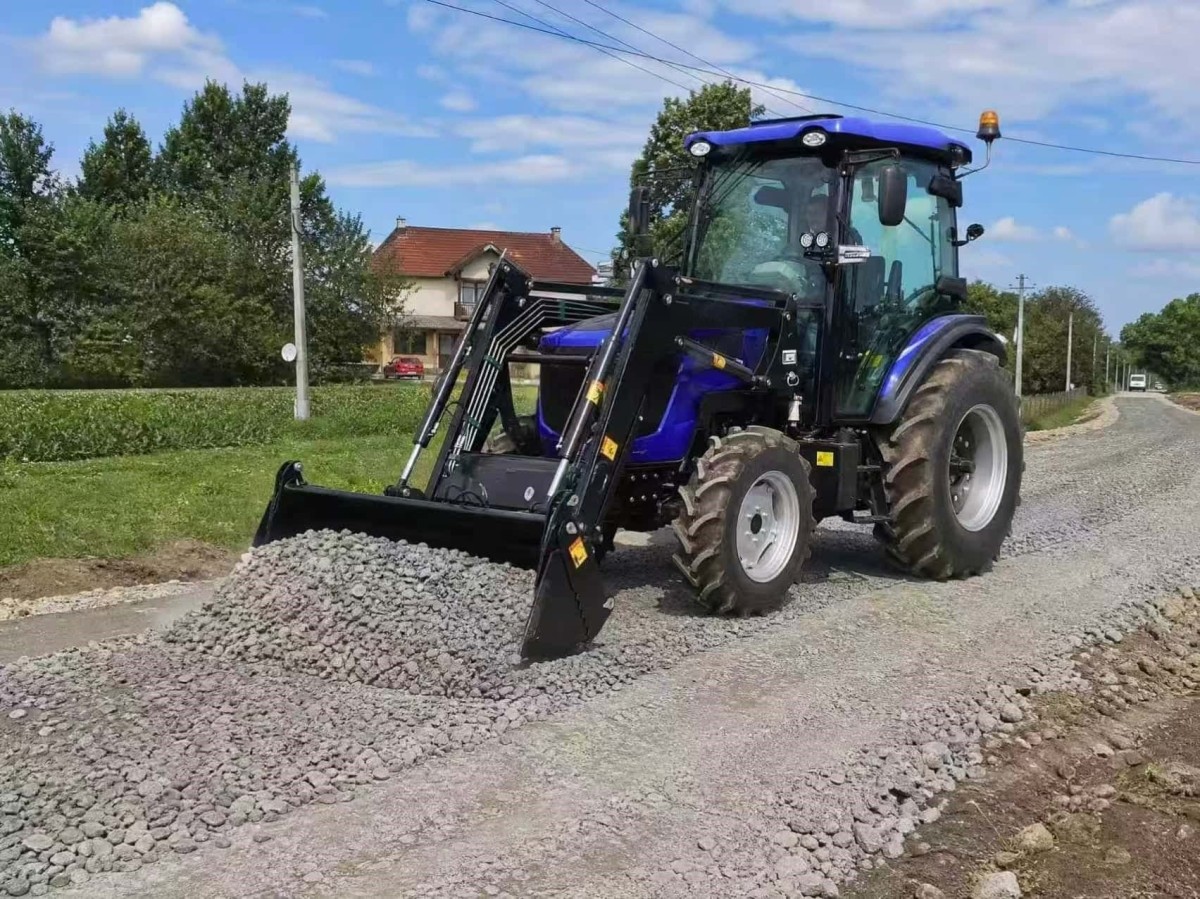
A front end loader is fitted to the front of an agricultural tractor. It is made up of loader arms, hydraulic cylinders, and mounting points. By switching different attachments, like a bucket or pallet forks, it can perform different tasks.
An agricultural tractor serves as a power platform for towing or powering implements on the farm. A front loader enhances this platform by adding lifting and material handling capabilities. This makes the tractor versatile, as it can work in the fields and also move materials around the yard.
This means a tractor can keep implements attached at the rear while using the front loader to move grain or produce. When front-end loading isn't needed, the entire loader component can be uninstalled.
III. Tractor Front End Loader vs Wheel Loader: Performance Differences
The design of the machines will impact the lifting capabilities, strength, and maneuverability.
1. Lifting Capacity and Stability
Wheel loaders have hydraulic lifting capacities and a counterweight at the rear of the vehicle. This counterweight balances the load at the front whilst lifting materials, meaning the loader has a high lifting capacity and good stability when lifting heavy materials.
Tractor front loaders have a lifting capacity that depends on both the loader and tractor. As the load increases at the front of the vehicle, more weight is transferred to the front axle and less to the rear wheels. This can cause longitudinal tip-over. Due to the tractor having limited forward tipping moments, the maximum lifting capacity of a front loader will be less than a dedicated wheel loader.
2. Structural Durability
Wheel loaders have loader arms, pins, and joints designed to handle frequent loading. This dedicated design enables them to manage repetitive digging, lifting, and dumping more easily.
But tractor front end loaders are different. Carrying heavy loads for long periods may put strain on the tractor’s front axle and frame beyond design limits. This may cause damage to the loader and/or tractor itself.
3. Maneuverability
The articulating design of the wheel loader means the front frame and bucket can be angled. This makes it easier to get the bucket into the correct position when loading short distances.
Agricultural tractors still have front wheel steering. So adding loader arms and attachments can cause the tractor to have a larger turning circle. The attachment will swing around in an arc in front of the front wheels.
IV. Tractor Front End Loader vs Wheel Loader: Positioning & Applications
V. Tractor Front End Loader or Wheel Loader: Which One is Right for You?
Both a wheel loader and a tractor front loader are capable of moving materials. But which one is the right choice for you? That depends on how much of the working day you’ll spend loading.
If you will be doing mostly scooping, moving, and loading vehicles, then a wheel loader would be best. It will be able to take heavy loads and perform repetitive tasks due to its design.
If the loader is used for a variety of jobs on a farm or estate, then the tractor front end loader will provide good value. With a front end loader, the tractor can tow and power implements and do other work in the field. It is important to stay within the rating of the tractor/loader combination when front loading to avoid damaging the front axle and frame by overloading for long periods.
VI. Conclusion
In the end, a wheel loader is built for continuous loading, all the way from the chassis to the counterweight. That's why it can ensure stable handling, precise load placement, and durability. A tractor front end loader offers material handling capability to an agricultural tractor, letting one vehicle take on a larger range of jobs.
Looking for a wheel loader or tractor with front end loader? Contact the LUYU team now to get more specifications and pricing on our wheel loaders and tractor front end loaders. Let us know what materials you handle, your usual load weights, and your site conditions, and we will recommend suitable models and configurations for your work.
 facebook
 twitter
 linkedin
 Indonesian Customer Chooses LUYU LY958: A Customized 3-Ton Wheel Loader for Coal Mine WorkA short video arrived recently from a customer in Indonesia. It shows a LUYU LY958 wheel loadermoving across a coal mine site, tires rolling over gravel, the camera catching the machine as it travels through its actual working environment.
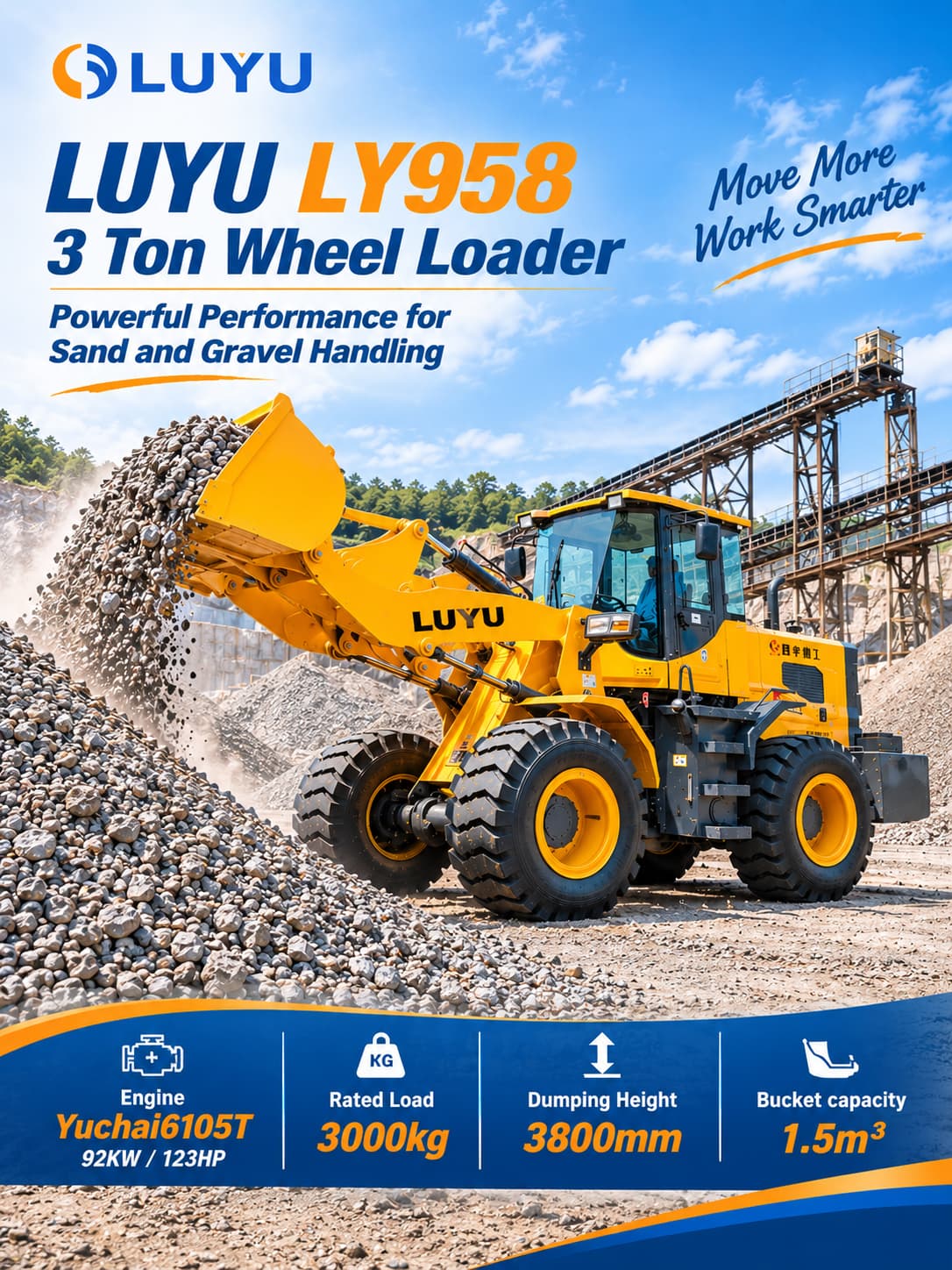
 How the LUYU LY958 3 Ton Wheel Loader Improves Material Handling Efficiency in a Gravel YardSee how the LUYU LY958 3 ton wheel loader handles sand, gravel and crushed stone in busy yards. Explore its 1.5 m³ bucket, 3,000 kg rated load, 3,800 mm dump height and 92 kW engine.
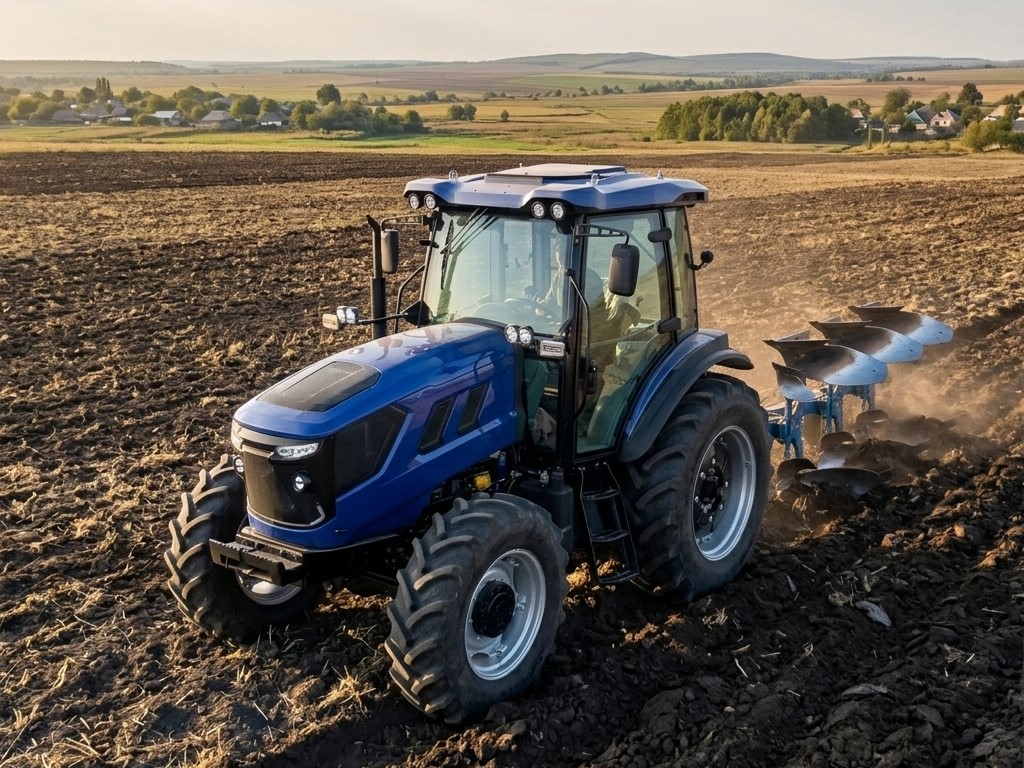
 OXT1004 vs OXT1304 Tractor for Plowing: Which One Fits Ukrainian Farmland Better?Compare the LUYU OXT1004 100 HP and OXT1304 130 HP tractors for plowing Ukrainian farmland. Explore power, hitch category, transmission and plow compatibility.
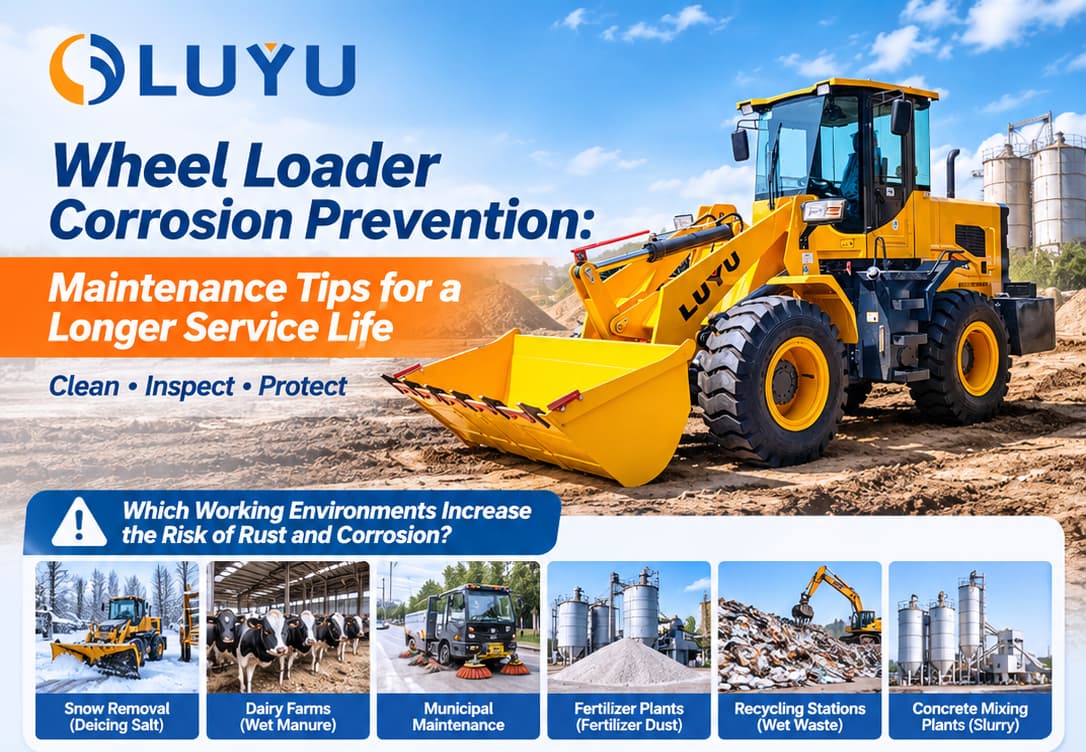
 Wheel Loader Corrosion Prevention: Maintenance Tips for a Longer Service LifeLearn how to prevent wheel loader corrosion with practical maintenance tips. Discover how cleaning, rust inspections, coating repairs and LUYU's protective measures help reduce corrosion risks.
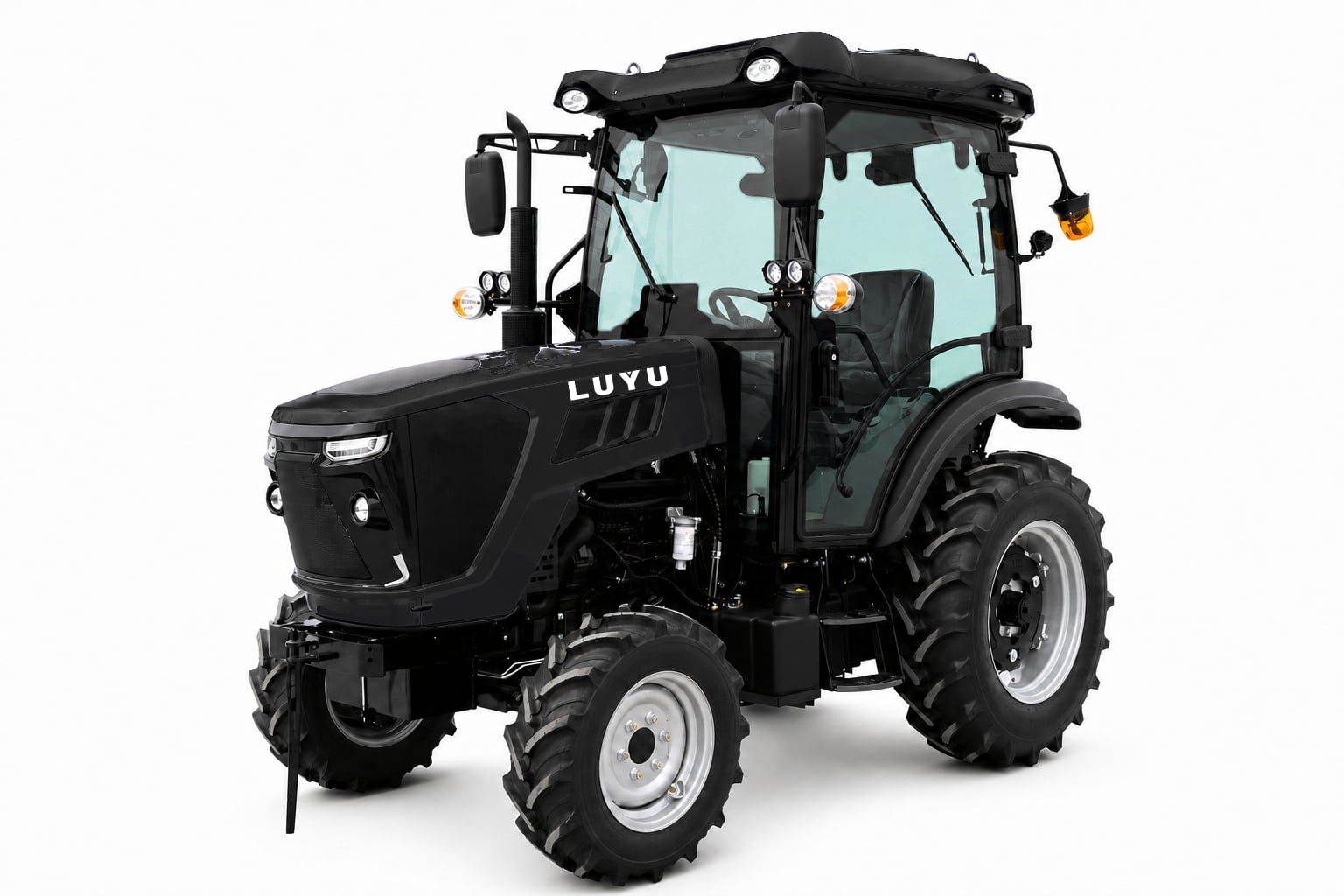
 OXT504 50HP Tractor50HP tractors have high horsepower but relatively high fuel economy for medium to long term operations.OXT504 Rated Power 50HP,37KW.Gear box 8+8.
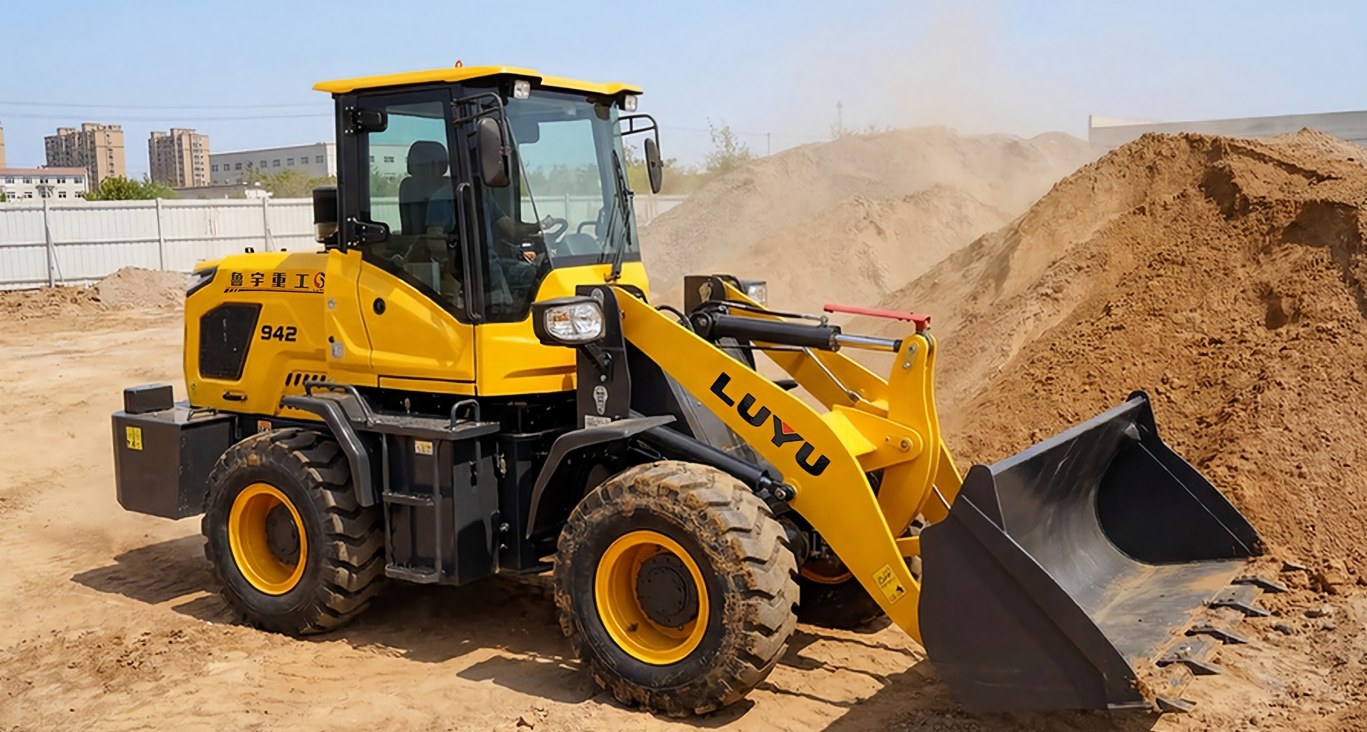
 LY949 Compact Wheel LoaderThe 949 Compact Wheel Loader is a full-featured wheel loader that can be used in a variety of environments such as earthworks, construction sites and mines. We have a professional R & D team and engineer team, with a wealth of technical strength
 OXT1004 100HP TractorDue to their power and adaptability, 100hp Large tractors are very popular in agriculture, gardening, and engineering.
 LY958 Compact Wheel LoaderWhen the LY958 Compact wheeled loader is used for agricultural work, we should change the engine oil and filter regularly. Clean oil and filters help maintain engine lubrication and reduce friction and wear.

Send Your Inquiry