






Wheel Loader Corrosion Prevention: Maintenance Tips for a Longer Service Life
Contents
I. Which Working Environments Increase the Risk of Rust and Corrosion?
II. Wheel Loader Prevent Corrosion: What You Can Do
III. How LUYU Wheel Loaders Prevent Wheel Loader Corrosion
Corrosion means metal slowly wears away when it reacts with the surrounding air, water, and soil. For wheel loaders rust can begin without anyone noticing, where a metal surface or protective paint has been harmed. The danger is larger for machines that work in mud, rain or snow all year long.
If left untreated, corrosion doesn’t just damage key components—it drives up repair costs and downtime, throwing your entire work schedule off track.
That's why everyone — from manufacturers to dealers to operators — should treat wheel loader corrosion prevention as part of daily routine. No matter what model you run, these common trouble spots and prevention tips are worth your attention.
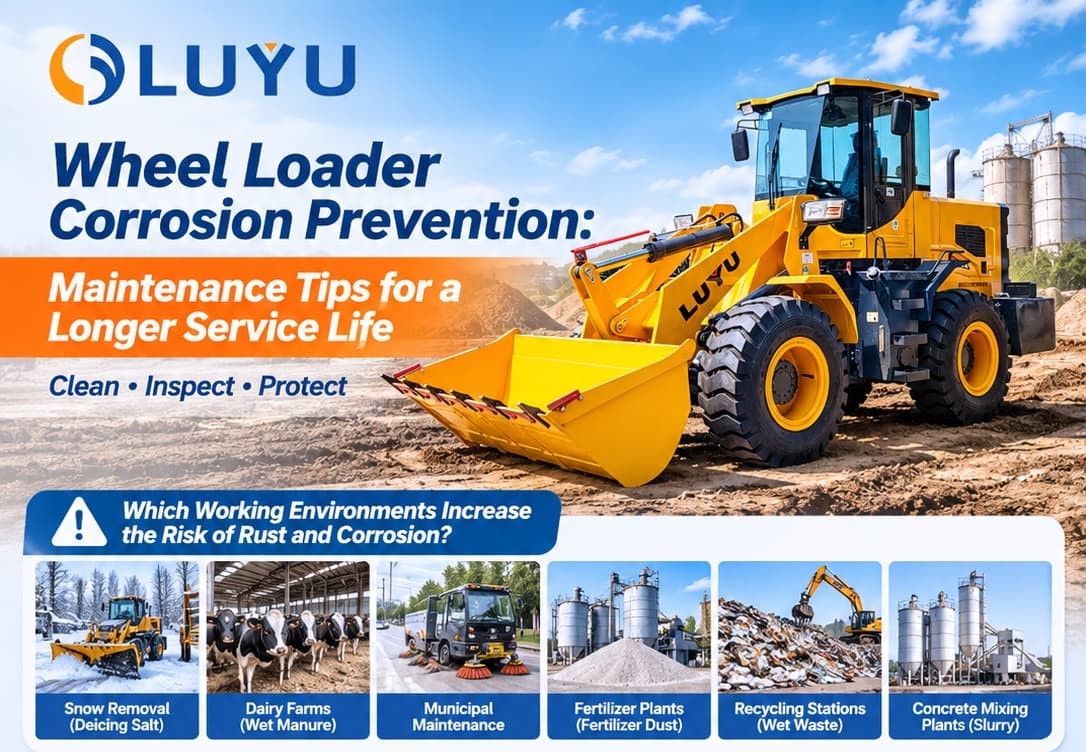
I. Which Working Environments Increase the Risk of Rust and Corrosion?
On one hand, damp weather, rain, and wet mud left on the machine keep metal surfaces wet for long periods, speeding up rust formation.
On the other, the risk is even higher when a wheel loader is regularly exposed to corrosive materials such as salt, manure and fertilizer residues.
Because of this, pay extra attention to wheel loader corrosion prevention if your equipment operates in these environments:
II. Wheel Loader Prevent Corrosion: What You Can Do
1. Clean Promptly After Use
Mud, grime and corrosive residues tend to collect on the chassis, the back of the bucket and in gaps between components. Cleaning after use stops these deposits from building up and leading to serious corrosion.
If the machine has been exposed to corrosive materials, such as salt or fertilizers, rinse them off promptly with clean water. Then allow the machine to dry completely.
Be careful with water pressure during cleaning, too. A strong jet can force water into electrical connections, get past bearing seals, or bend radiator fins. Use lower pressure around these parts to avoid damage.
2. Check Regularly for Early Signs of Rust
Regular checks help you find rust early before it spreads. Look closely at the frame and metal parts — particularly around welds and seams — for signs like surface rust, bubbling paint, peeling coatings, and small cracks. Catching these early can save a lot of trouble later.
Quick action can stop an area of surface rust from getting bigger. If there are cracks or serious rust you need a professional to look at it. If you are not sure how bad the damage is, a service center can help you find out.
3. Repair Damaged Coatings and Cover Bare Metal
Your wheel loader’s protective coating can be damaged by scratches, impacts or wear, leaving the metal underneath exposed to the air. At the first sign of damage, the coating should be repaired to keep moisture away from the bare metal.
A sound repair begins with a surface that’s free of rust and dirt. The area also needs to be dry before recoating. Otherwise, the new coating may not stick properly. Cannot form an effective protective barrier.
The repair material should be approved by the manufacturer. Compatible, with the existing finish. Once the surface is prepared, it can be applied according to the manufacturer’s instructions.
4. Park in a Dry, Sheltered Area
Indoor or covered parking reduces the loader’s exposure to rain when it is not in use. Ideally, the ground is dry and well-drained, and air can circulate the machine.
For long-term storage, regular checks can show whether the area is staying damp. If ventilation is not enough to bring humidity down, dehumidification may be needed.
III. How LUYU Wheel Loaders Prevent Wheel Loader Corrosion
Beyond daily cleaning and wheel loader maintenance, the machine’s inherent anti-corrosion design is equally critical.
LUYU starts at the manufacturing stage, using material treatments and coating protection to provide multiple layers of defense during operation, storage, and transport:
Galvanized Metal Components
LUYU uses galvanizing to protect steel components. The resulting zinc layer acts as a barrier. It also corrodes before the steel beneath it, so the base metal is protected.
Protective Coatings
Corrosion-resistant coatings add another barrier to LUYU wheel loaders. This limits direct exposure to moisture, oxygen, and corrosive residues.
Protection During Storage and Transport
LUYU pays close attention to rain and moisture protection during storage and transport. This minimizes the risk of corrosion from dampness or contaminants before the equipment is delivered.
IV. Conclusion
Corrosion doesn’t happen overnight. It’s a slow war of attrition, building up with every wet run and every bit of leftover residue.
Choosing a wheel loader with excellent anti-corrosion properties—and keeping up with daily care—ensures your equipment goes the distance and works harder for longer.
For more wheel loader corrosion prevention tips or help choosing the right wheel loader, contact the LUYU team or browse our product catalog.
Share to :




Tag :
Inquiry
Our manager will contact you within 30 minutes of working hours.
Related products
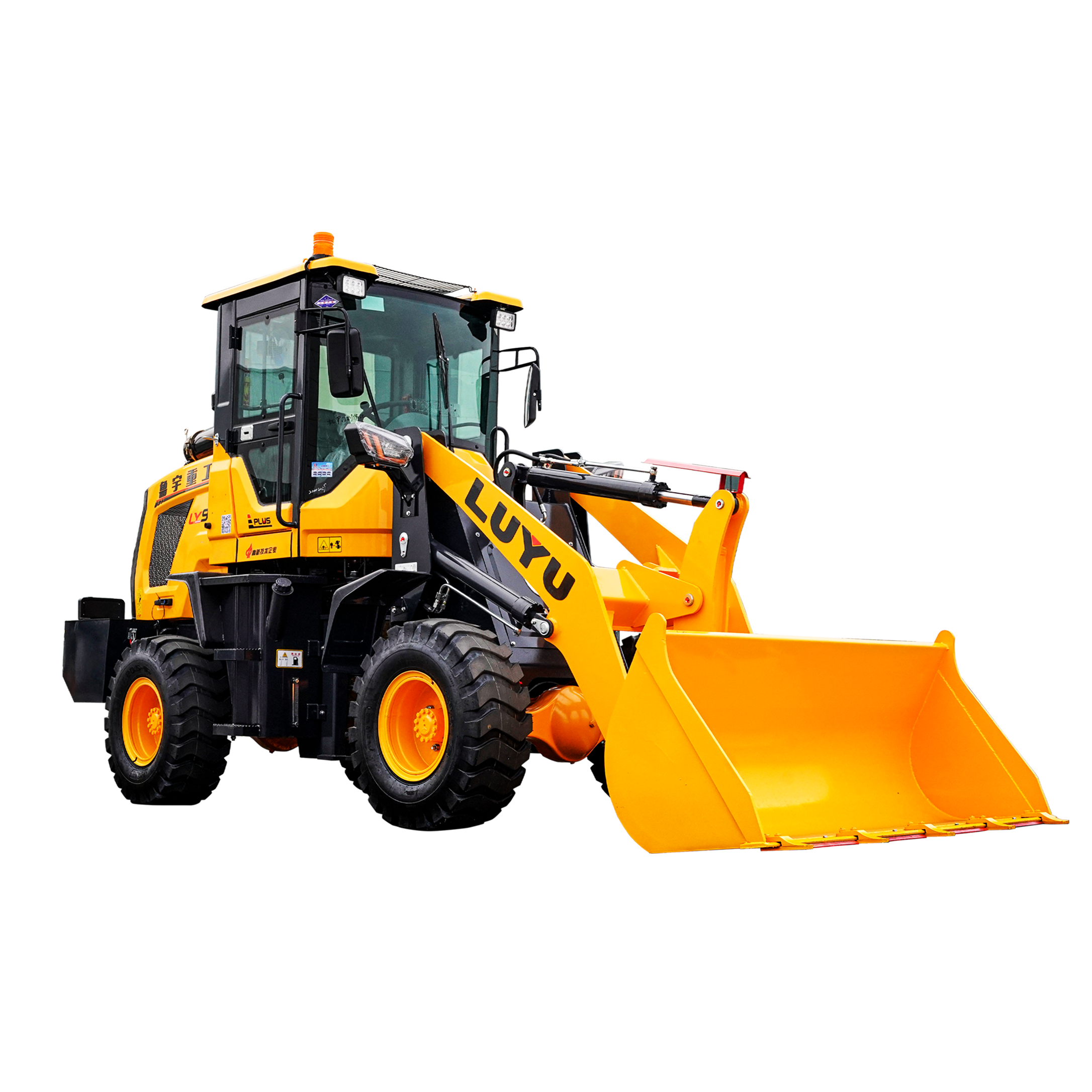
 LY928C Wheel Loader
Engine YN25 37KW/50HP Rated Load 1500kg Dumping Height 3200mm Bucket capacity 0.6m³  LY946 Mini Wheel Loader
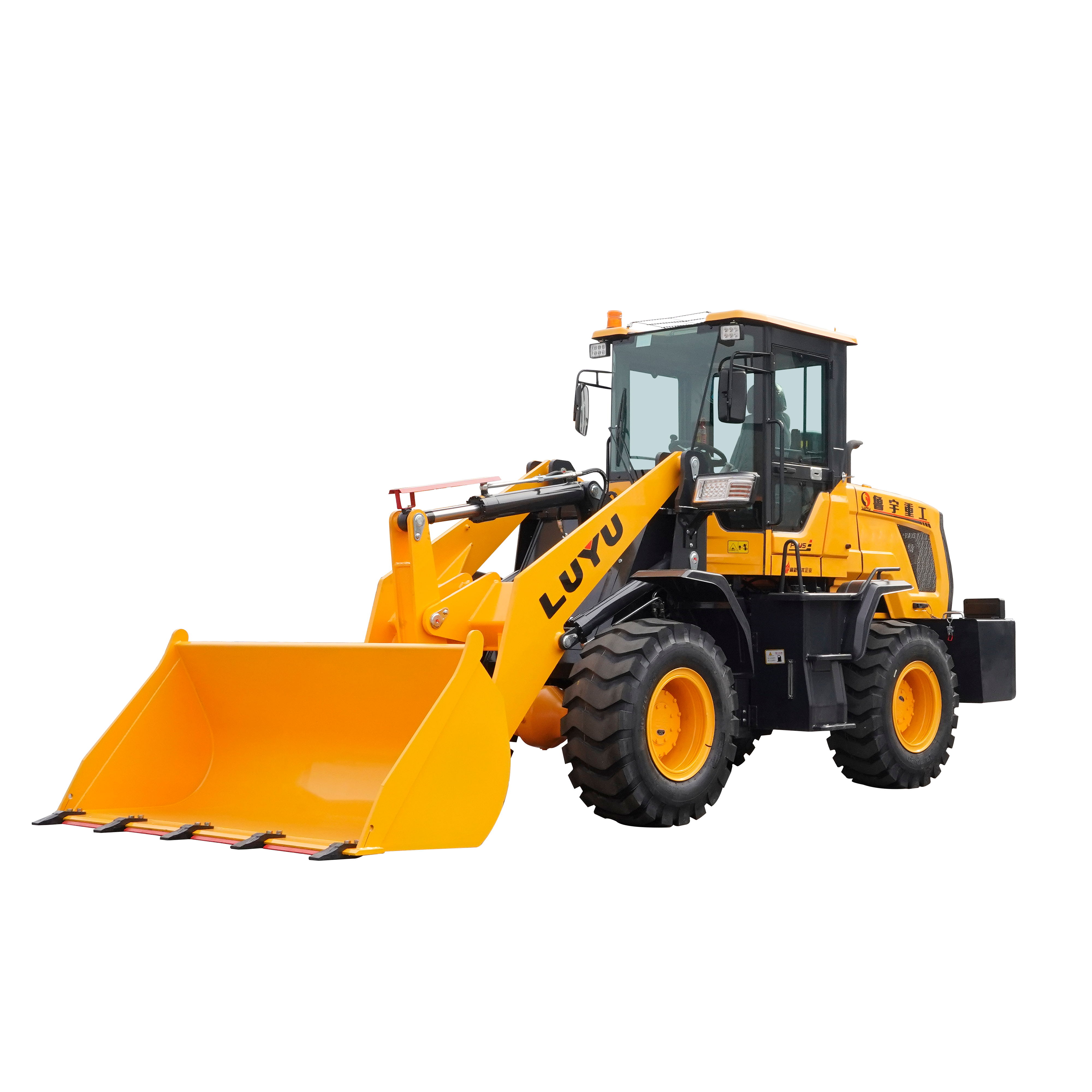
Engine YN48T 92KW/123HP Rated Load 2500kg Dumping Height 3500mm Bucket Capacity 1.1m³  LY938 Mini Wheel Loader
Engine YN27T 58KW/78HP Rated Load 2000kg Dumping Height 3500mm Bucket capacity 0.8m³  LY958 Compact Wheel Loader
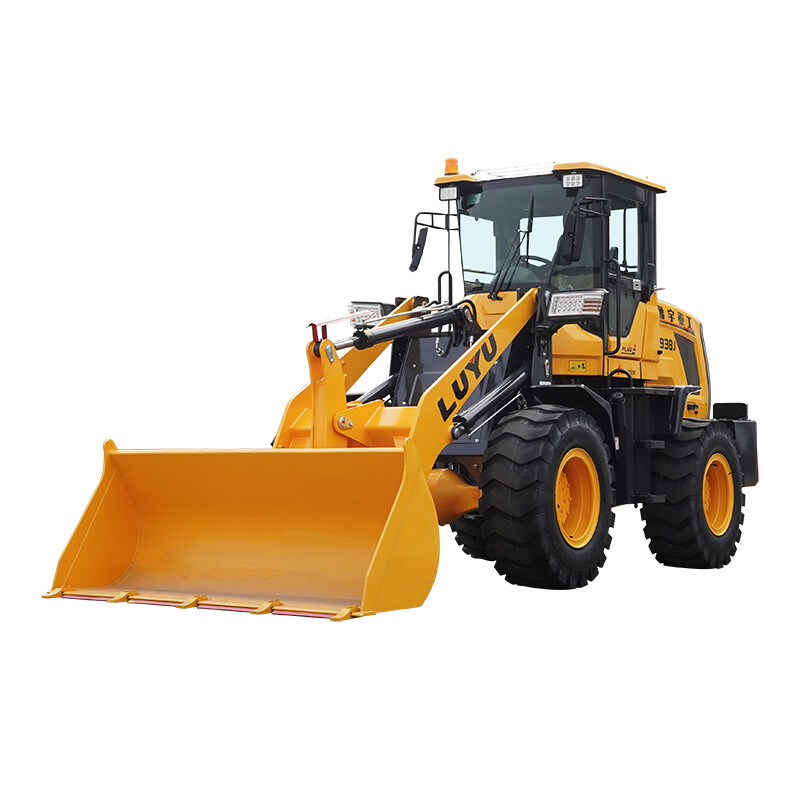
Engine Yuchai6105T 92KW/123HP Rated Load 3000kg Dumping Height 3800mm Bucket capacity 1.5m³

Send Your Inquiry