






How to Choose the Right compact construction machinery Brand: A Practical Buying Guide
I. Introduction: The Cost of a Wrong Purchase Is Higher Than You Think
"I bought from an obscure brand just to save a few grand," a Southeast Asian farmer told us. "Big mistake. Within a year, it kept breaking down, and the repair bills completely wiped out those upfront savings."
While upfront pricing is always a factor with small construction equipment, it’s long-term dependability, parts support, and daily running expenses that protect your bottom line. Let’s figure out how to choose the right fit.
II. Step 1: Define Your Application Scenarios and Requirements
2.1 Wheel Loaders: The Right-Hand Assistant for Farms, Municipalities, and Small Projects
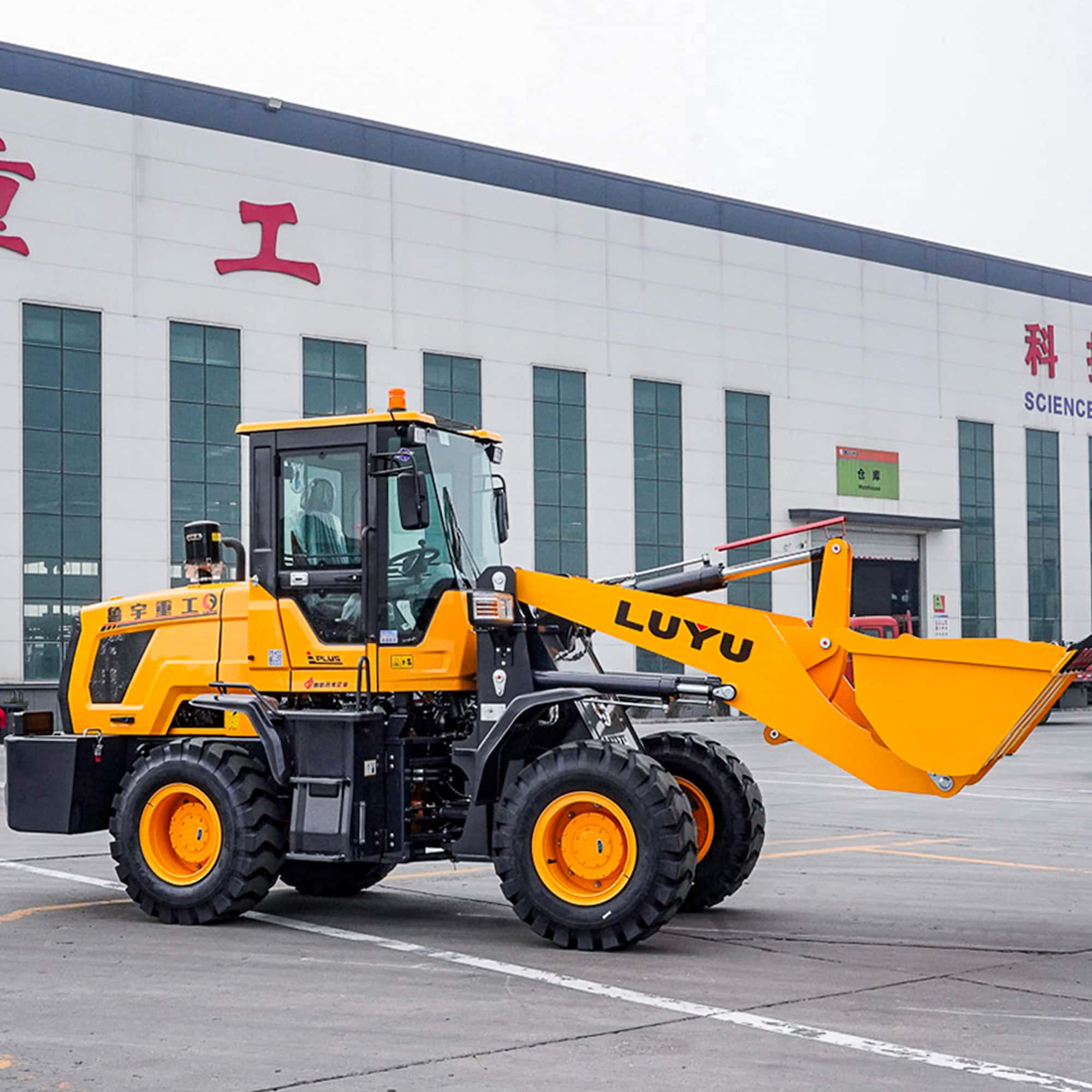
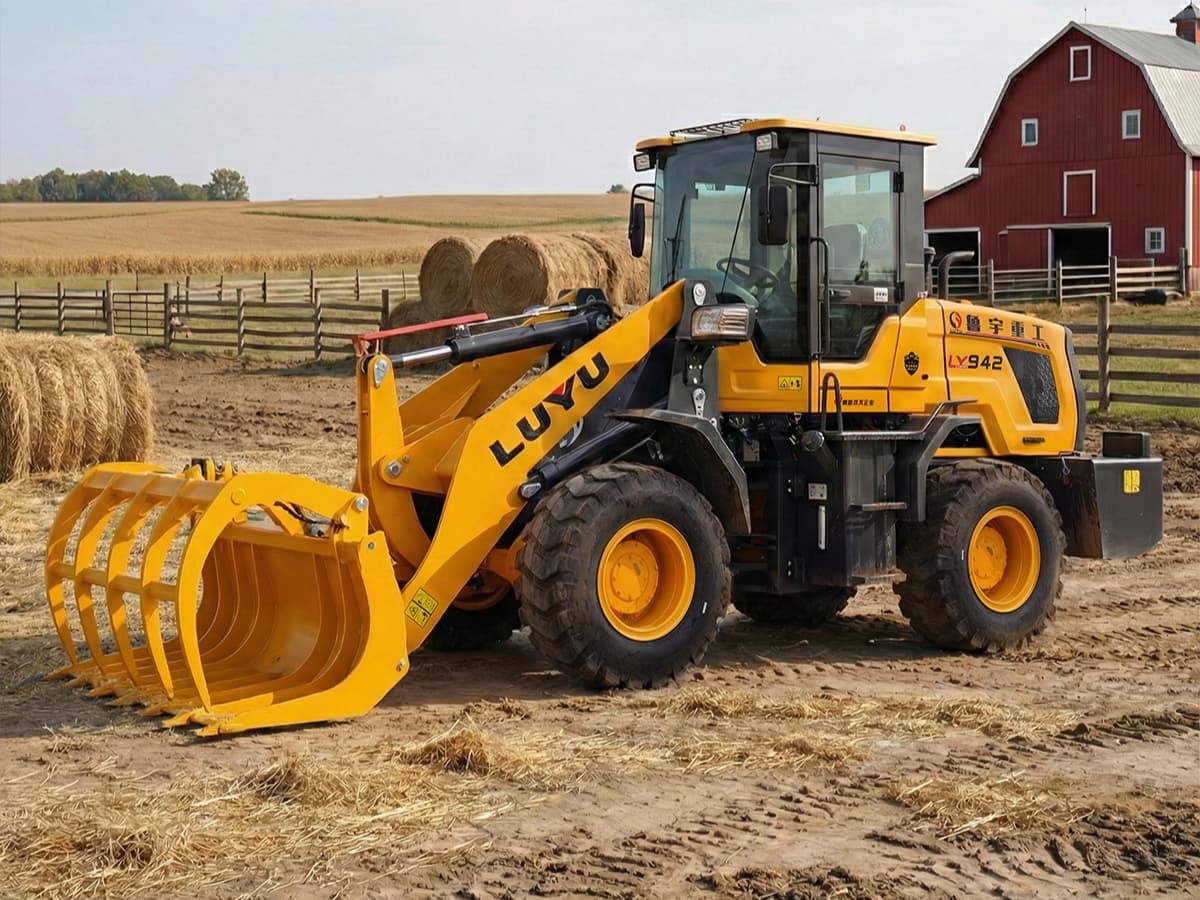
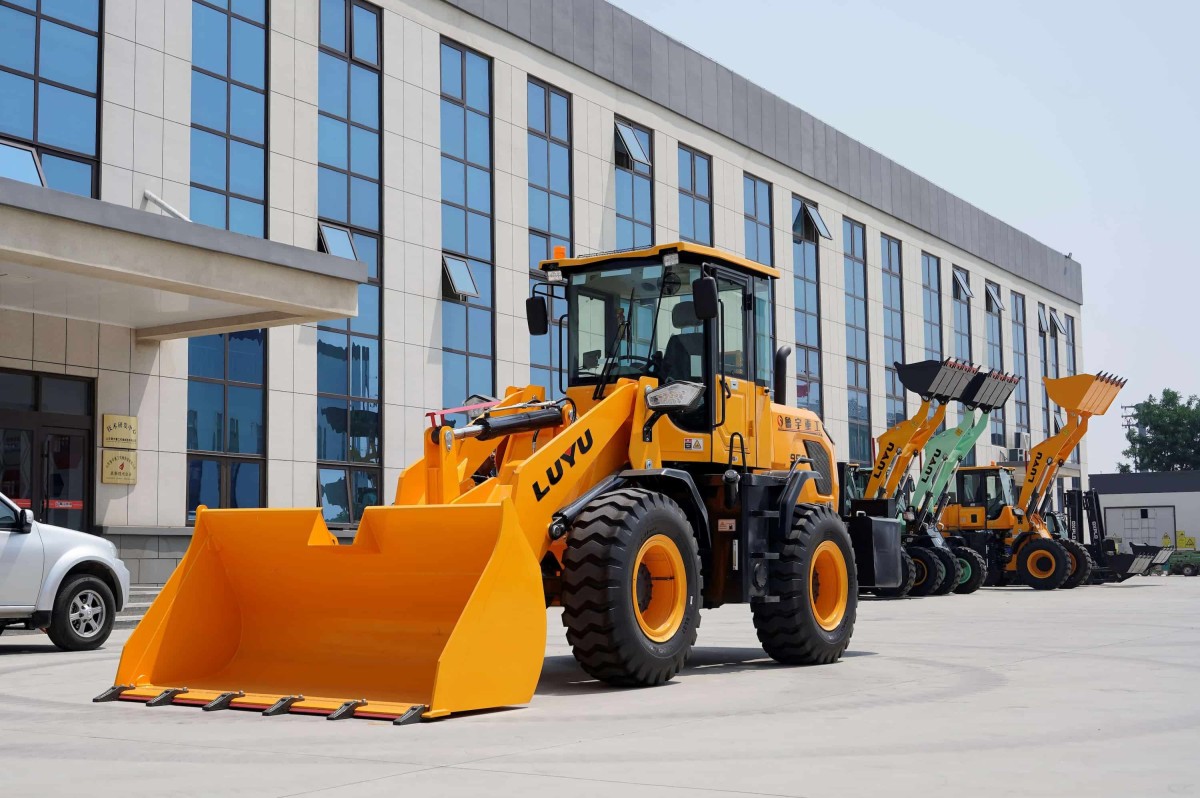
If your work involves farm operations, municipal engineering, or small-scale construction projects, a wheel loader is likely your top choice. As a dedicated wheel loader manufacturer, LUYU International focuses on 2-to-3-ton compact models, which are highly suited for these environments.
Key Technical Specifications to Watch:
Engine Power: Determines operational efficiency.
Lifting Capacity: Affects the volume of material handled per load.
Build Quality and Material Robustness: Directly correlates to the service life of the machine.
2.2 Tractors: The Professional Choice for Agricultural Operations
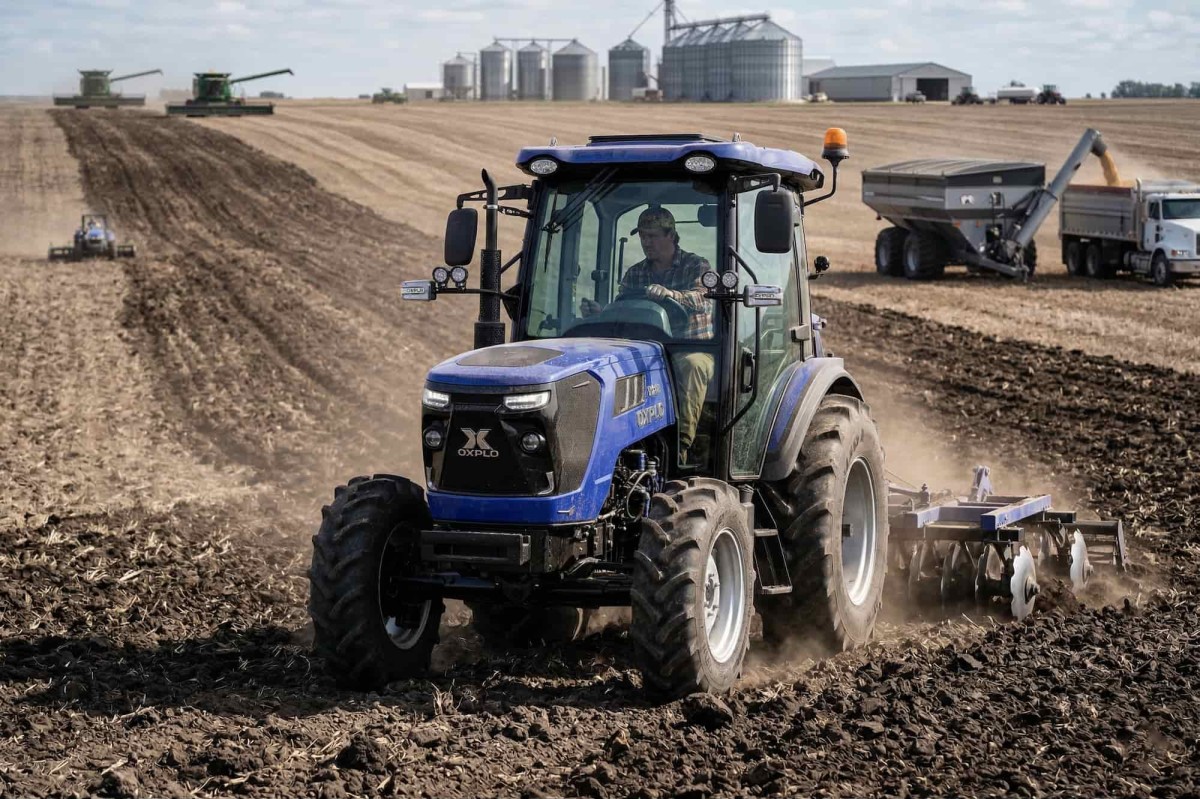
If you're tilling soil or managing corn and cotton, go with a tractor. They are highly versatile—just swap out front attachments like buckets or dozer blades to handle different jobs.
Configuration Variations Across Regional Markets:
Horsepower requirements vary significantly depending on the farming task.
Chassis design dictates ground clearance and maneuverability.
Engine models and emission standards must fully comply with local environmental regulations.
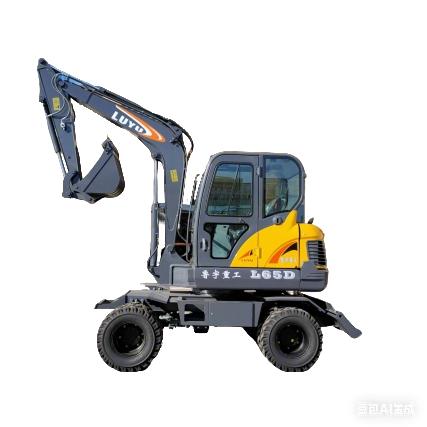
2.3 Excavators: Specialized Equipment for Earthmoving
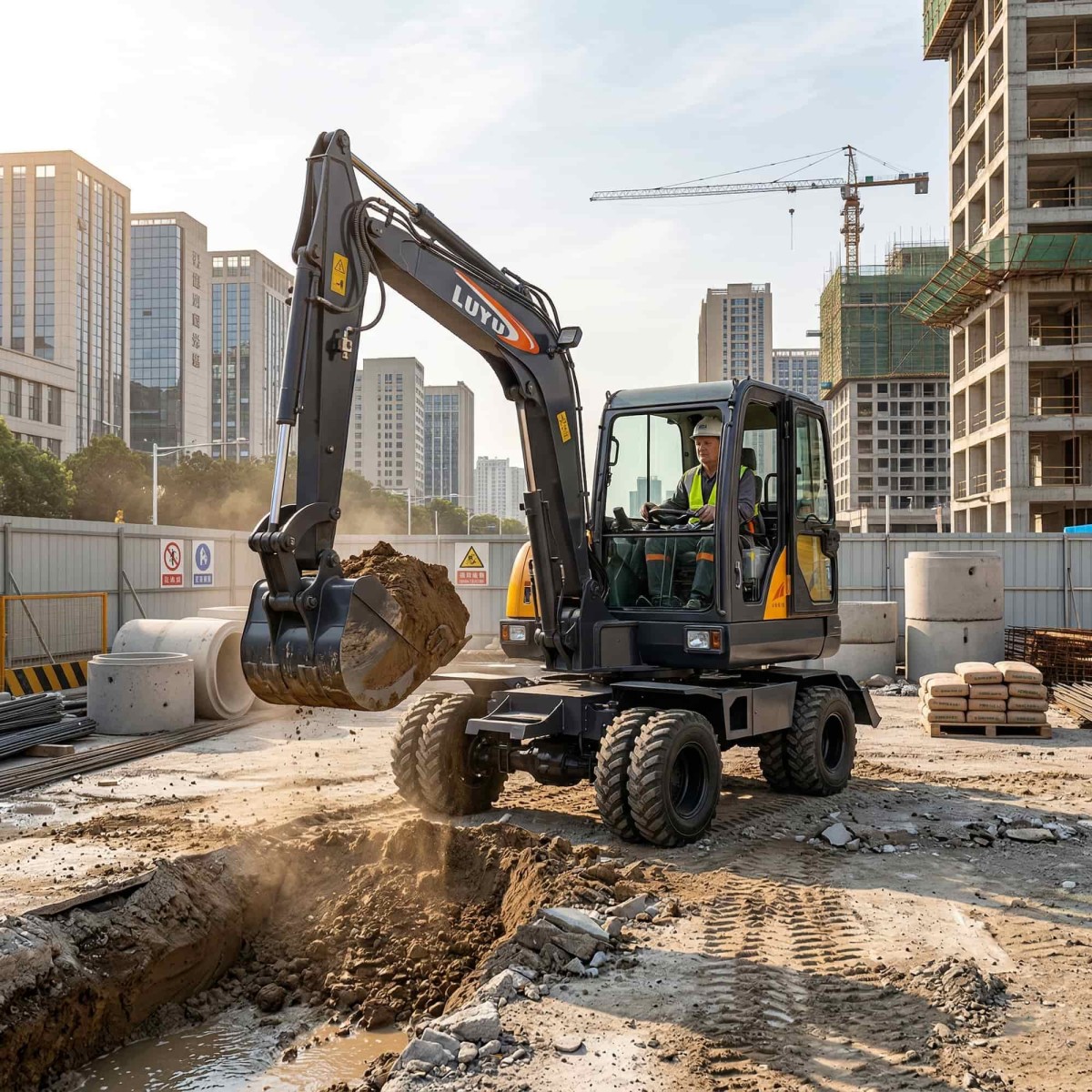
For earthmoving projects, foundation digging, and excavation, an excavator delivers the highest level of specialization. While excavators constitute 30% of LUYU International's product portfolio, they are engineered to the exact same stringent quality standards as the rest of the machinery lines.
III. Step 2: Identify a Reliable Supplier Using 5 Key Indicators
3.1 Team Scale and Professional Competence
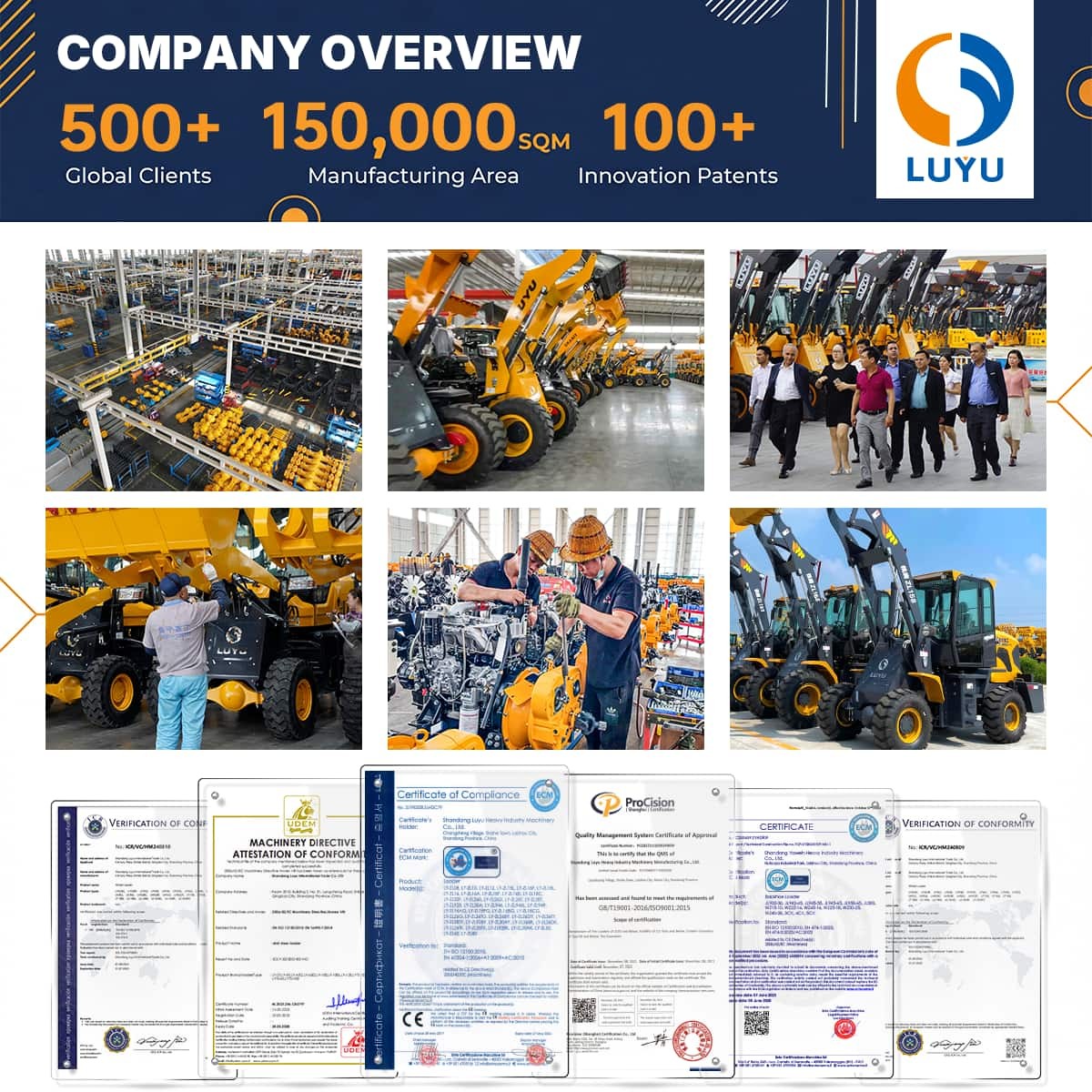
True supplier capability comes down to team infrastructure. LUYU International, for instance, runs a 600-person team covering manufacturing, R&D, international sales, and after-sales service to handle every step of your order.
Evaluation Methods:
Review the team and corporate overview on the official website.
Inquire about the structure and availability of the after-sales technical support team.
Assess the supplier's investment in technical research and development.
3.2 Export Experience and Market Presence
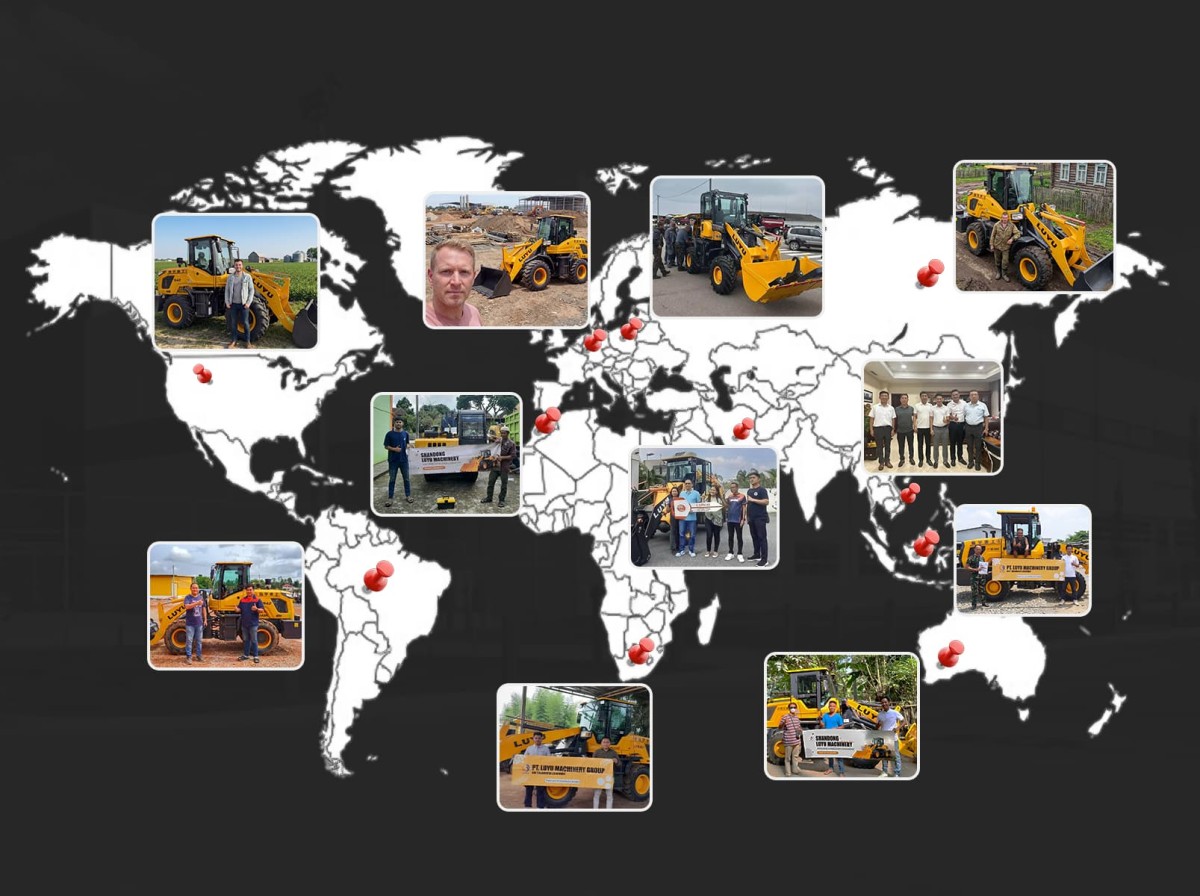
Annual export volume and global market footprint are strong indicators of a supplier's true capabilities. LUYU International exports approximately 3,000 units annually, with a dealership network spanning South America, Southeast Asia, Africa, Europe, and North America—demonstrating that its products are thoroughly proven in the global market.
South American Market Performance:
Established stable partnerships with long-term dealers in South America (including Brazil, Argentina, and Mexico) and South Africa.
Achieves a steady regional export volume of approximately 2,000 units annually, backed by high customer satisfaction and solid relationships.
Southeast Asian markets (such as Indonesia and Thailand) consistently generate half of the overall business performance.
3.3 Quality Control Systems
A reliable manufacturer operates under strict quality assurance protocols. LUYU International's operational workflow serves as an excellent benchmark:
Quality inspectors test every machine against documented specifications prior to shipment.
The inspection department films a verification video on the day of dispatch to prove the equipment has passed all performance checks.
The factory insists on premium components for wear items and fluids, including high-grade lubricants, antifreeze, and robust chassis hardware.
3.4 Customization Capabilities
Equipment requirements vary greatly by country and application. A reputable supplier must possess advanced customization capabilities. Approximately 90% of LUYU International's dealer clients require tailored configurations, which include:
Custom branding, color schemes, and exterior styling.
Specific attachments (specialty buckets, snow pushers, etc.).
Tailored engine model selections.
Simplified configurations to match specific budget lines (e.g., opting out of air conditioning or suspension seats).
Production Timelines:
Standard configurations: Approximately 1 month.
Customized configurations: Approximately 3 months.
3.5 After-Sales Service and Response Time
When technical issues arise, the speed of after-sales support is critical. Dependable suppliers will:
Provide multiple communication channels (such as WhatsApp and email).
Establish dedicated technical communication groups for individual clients.
Respond rapidly to resolve field issues.
Note: Industry case studies show that slow quotation and support responses from factories frequently cause dealers to lose clients, highlighting why operational speed is a crucial metric when selecting a partner.
IV. Step 3: Verification and Factory Audits
4.1 Virtual Factory Audits
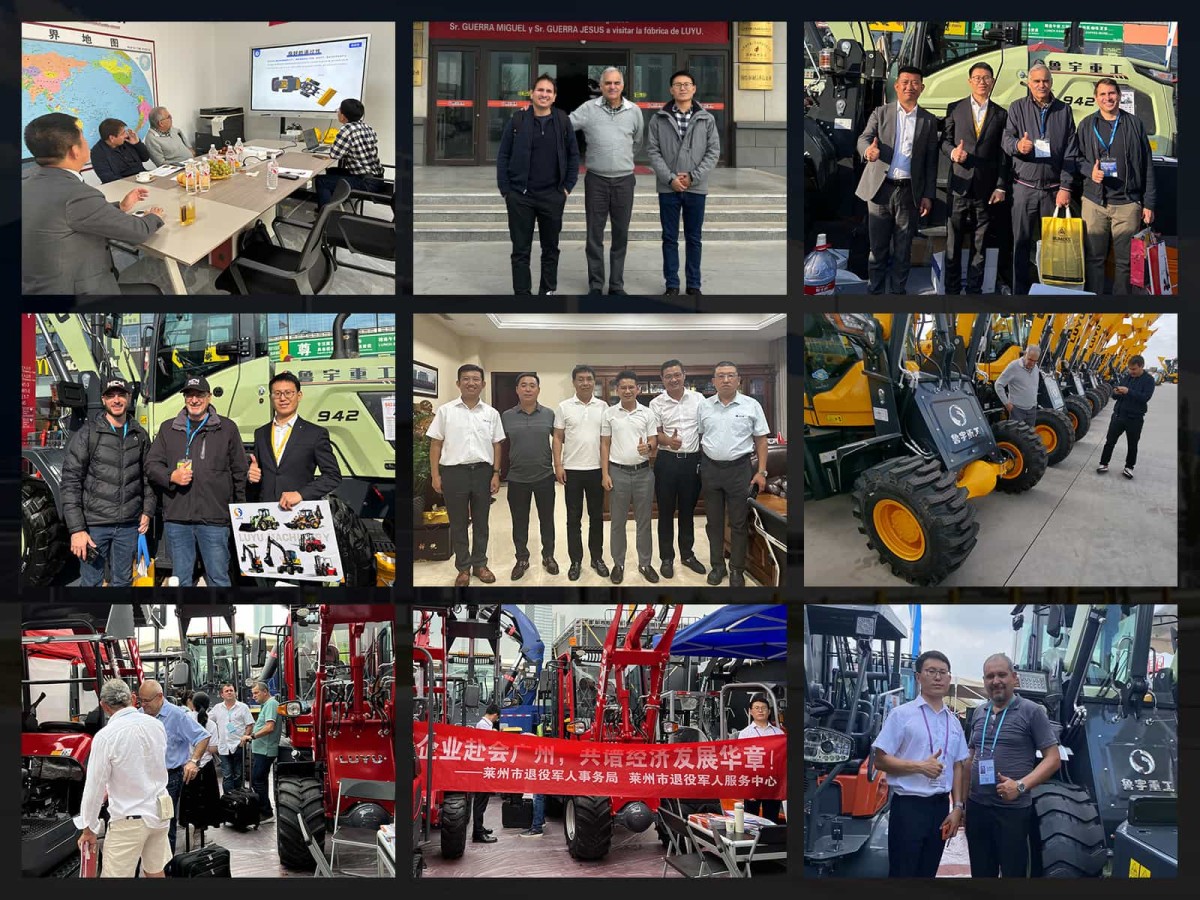
For international clients unable to travel to China in person, a live video factory audit is a highly effective alternative. Through a live video tour, you can:
Evaluate the actual condition and organization of the production lines.
Observe the real-time manufacturing and assembly processes.
Communicate directly with the factory management and engineering teams.
4.2 On-Site Visits
Whenever feasible, inviting clients to visit the production facilities in China remains the most definitive way to verify capabilities. This direct approach has a profound impact on large-scale distributors, as it significantly strengthens mutual trust.
V. Step 4: Evaluating Overseas Warehouses and Logistics Support
5.1 The Strategic Value of Overseas Warehouses
For businesses operating in regions like South America and Australia, local warehouse availability provides massive logistical advantages. LUYU International has established strategic parts and equipment hubs in Thailand, Indonesia, Brazil, and Australia, allowing clients to inspect units locally.
Regional Product Distribution:
Brazil: Primarily stocked with tractors and forklifts.
Australia: Focused predominantly on agricultural tractors.
Southeast Asia: Dominated by wheel loaders and forklifts.
5.2 Rapid Dispatch Capabilities
Overseas warehouses primarily stock standard configurations to enable immediate local fulfillment, whereas custom orders continue to ship directly from the manufacturing base in China. For businesses requiring immediate fleet expansion, a local warehouse translates directly to minimal lead times.
VI. Step 5: Balancing Price and Value
6.1 Understanding Pricing Logic
Tier-one suppliers rarely offer the lowest price in the industry; instead, they implement a pricing strategy that delivers superior value and build quality at a highly competitive rate. This represents the core pricing philosophy of LUYU International.
Why Customers Choose This Tier:
Compared to cheaper suppliers: The equipment requires a slightly higher investment but delivers significantly better reliability and build quality.
Compared to premium global brands: The pricing is far more competitive, while the performance gap remains minimal.
6.2 Long-Term Pricing Strategies
Long-term partnerships deserve better margins. That is why LUYU International offers volume-tiered wholesale pricing to strategic partners purchasing several hundred units annually to help scale their business.
6.3 Handling Competitive Quotes
When dealing with clients who are comparing multiple market prices, an experienced supplier will:
Conduct a detailed technical breakdown to identify structural differences between the models.
Clearly explain their own engineering upgrades and design advantages.
Arrange for the client to view or test a physical demonstration machine.
VII. South American Dealer Case Study: From Initial Inquiry to Purchase Decision
7.1 Client Background and Requirements
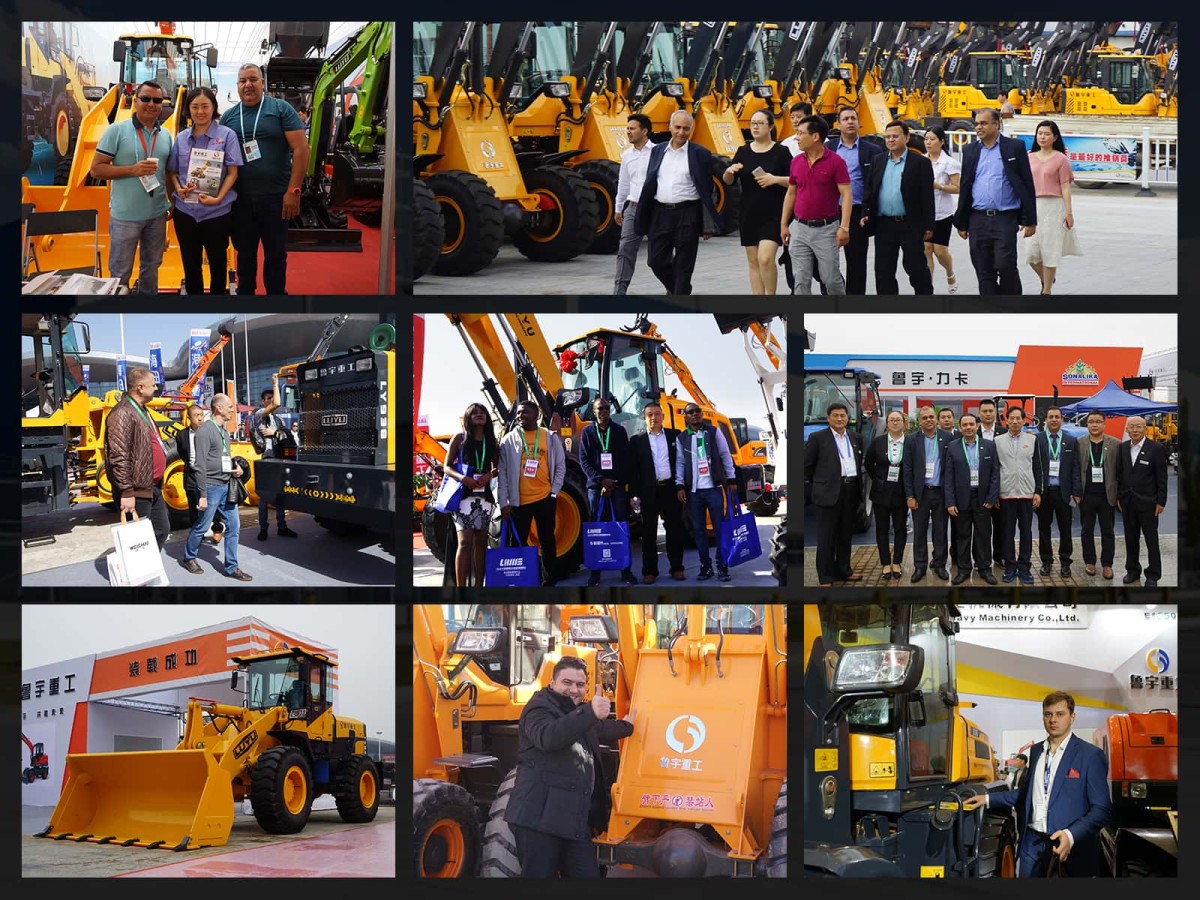
This regional South American dealership supplies machinery to local farms and civil contractors. While they needed a dependable fleet of compact loaders, they were highly cautious about onboarding new Chinese suppliers.
7.2 The Step-by-Step Sourcing Process
Phase 1: Initial Discovery
The client discovered LUYU International through a Google search, evaluated our manufacturing setup via the website, and initiated contact on WhatsApp.
Phase 2: Technical Consultation
The brief specified 2-to-3-ton compact loaders, prompting a detailed review of regional emission compliance and bespoke fleet branding choices.
Phase 3: Quality Verification
To secure trust, the dealer requested a live virtual factory audit and thoroughly reviewed local customer track records and warranty frameworks.
Phase 4: Trial Sourcing
To mitigate risk, the client placed an initial trial order of 2 to 3 units to evaluate the machinery's real-world build quality and performance before committing capital to larger volumes.
Phase 5: Long-Term Partnership
Following successful field validation of the equipment's reliability, the client transitioned to bulk procurement and established a long-term distribution partnership.
7.3 Procurement Cycle Analysis
B2B deal cycles run anywhere from a month to over a year, depending mostly on who holds the checkbook. Individual buyers move fast on urgent orders, while big distributors balancing multi-party reviews take much longer to close.
VIII. Purchasing Strategies Tailored to Buyer Profiles
8.1 Dealerships and Distributors
Core Focus: Equipment reliability, after-sales support, long-term supply stability, and custom OEM/ODM options.
Sourcing Advice: Prioritize comprehensive factory audits (virtual or on-site), request regional reference cases, and establish clear, long-term partnership clauses early on.
8.2 End-Users and Private Buyers
Core Focus: Purchase price, immediate machine performance, and delivery lead times.
Sourcing Advice: Prioritize available inventory located in regional overseas warehouses to maximize cost-efficiency and ensure verified, accessible local support channels.
8.3 Importers and Sourcing Agents
Core Focus: Unit pricing, bulk procurement discounts, and international logistics support.
Sourcing Advice: Negotiate long-term volume pricing agreements, leverage the supplier's overseas warehouse footprint, and confirm full customs clearance and documentation support.
IX. Risk Mitigation: Red Flags to Watch For
9.1 Verification of Buyer Credibility
International trade requires mutual trust. Experience shows that certain procurement profiles carry higher payment risks. Prior to finalizing contracts, it is highly recommended to perform background checks using Google searches and customs data to verify the business legitimacy and financial track record of the counterparty.
9.2 Customs and Export Compliance Risks
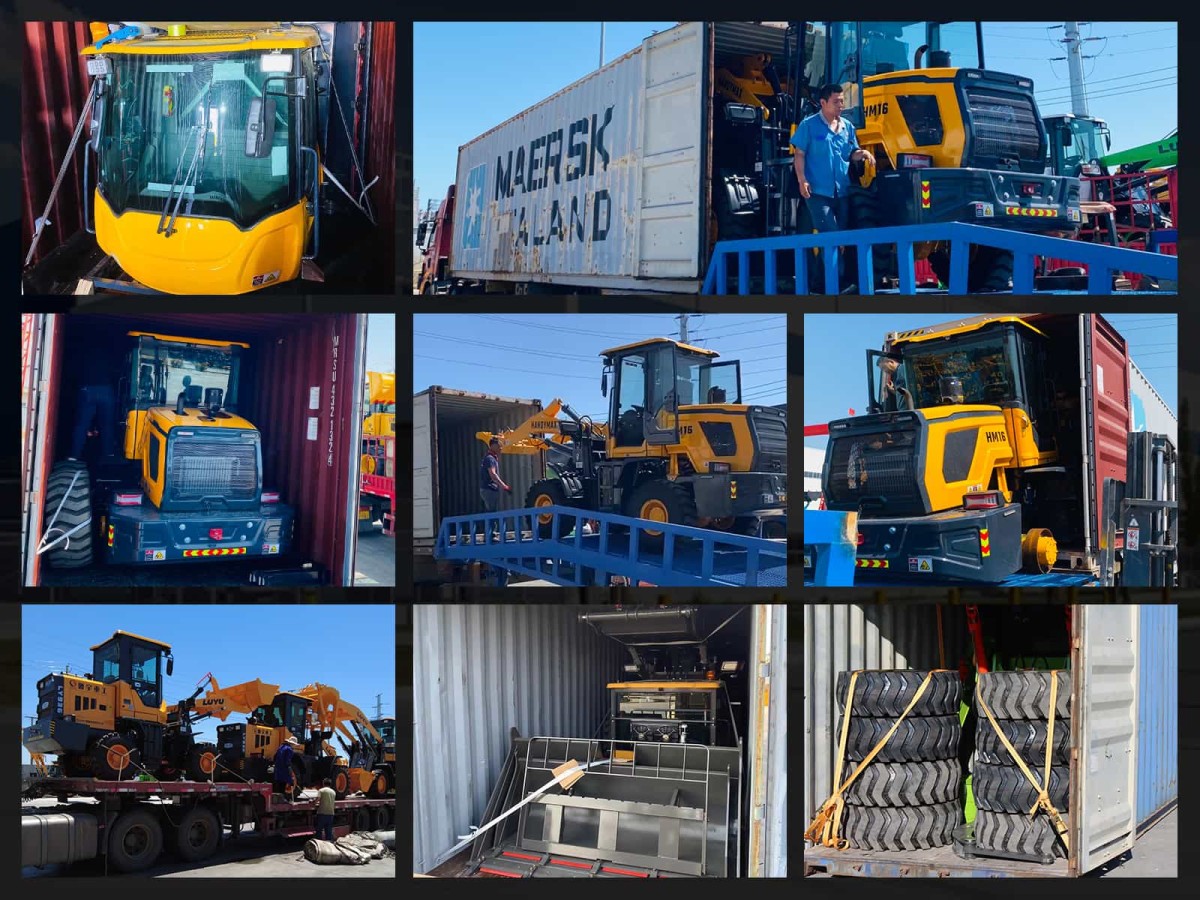
In international logistics, wrong paperwork or non-compliant certifications will instantly stall your shipment at customs. That is why established factories use specialized documentation teams to navigate local maritime laws, particularly when dealing with strict European compliance frameworks.
Real-World Example: An export order destined for Turkey once faced temporary customs issues due to discrepancies in equipment dimensions and weight documentation, demonstrating how vital it is to verify local import laws prior to dispatch.
X. Conclusion: The Right Fit is the Best Fit
There is no one-size-fits-all brand in compact construction machinery—it's all about finding your right fit. Use the steps outlined below to clear the confusion and secure your next fleet investment.
Define Your Needs: Align your specific application with the correct equipment type.
Verify the Supplier: Evaluate engineering and manufacturing capabilities using the 5 key indicators.
Audit the Facilities: Build trust via live video tours or physical factory visits.
Assess Logistics Support: Leverage overseas warehouse locations for faster deployment.
Balance Cost and Value: Look beyond the initial invoice price and calculate total long-term operating costs.
Ultimately, while equipment build quality is the first thing a client notices after a purchase, it is a manufacturer's capacity to handle large-scale orders and deliver rapid shipments that forms the foundation of a successful, long-term commercial partnership. Selecting a reliable supplier ensures you receive high-quality machinery along with a dependable partnership to support your business growth.
 facebook
 twitter
 linkedin
 Types of Loaders: Complete Guide to Loader Types in Construction, Agriculture & IndustryLearn about the main types of loaders used in construction, agriculture, and industry, including wheel loaders, crawler loaders, and industrial loaders. This complete guide explains their features, applications, and how to choose the right equipment for different working environments.
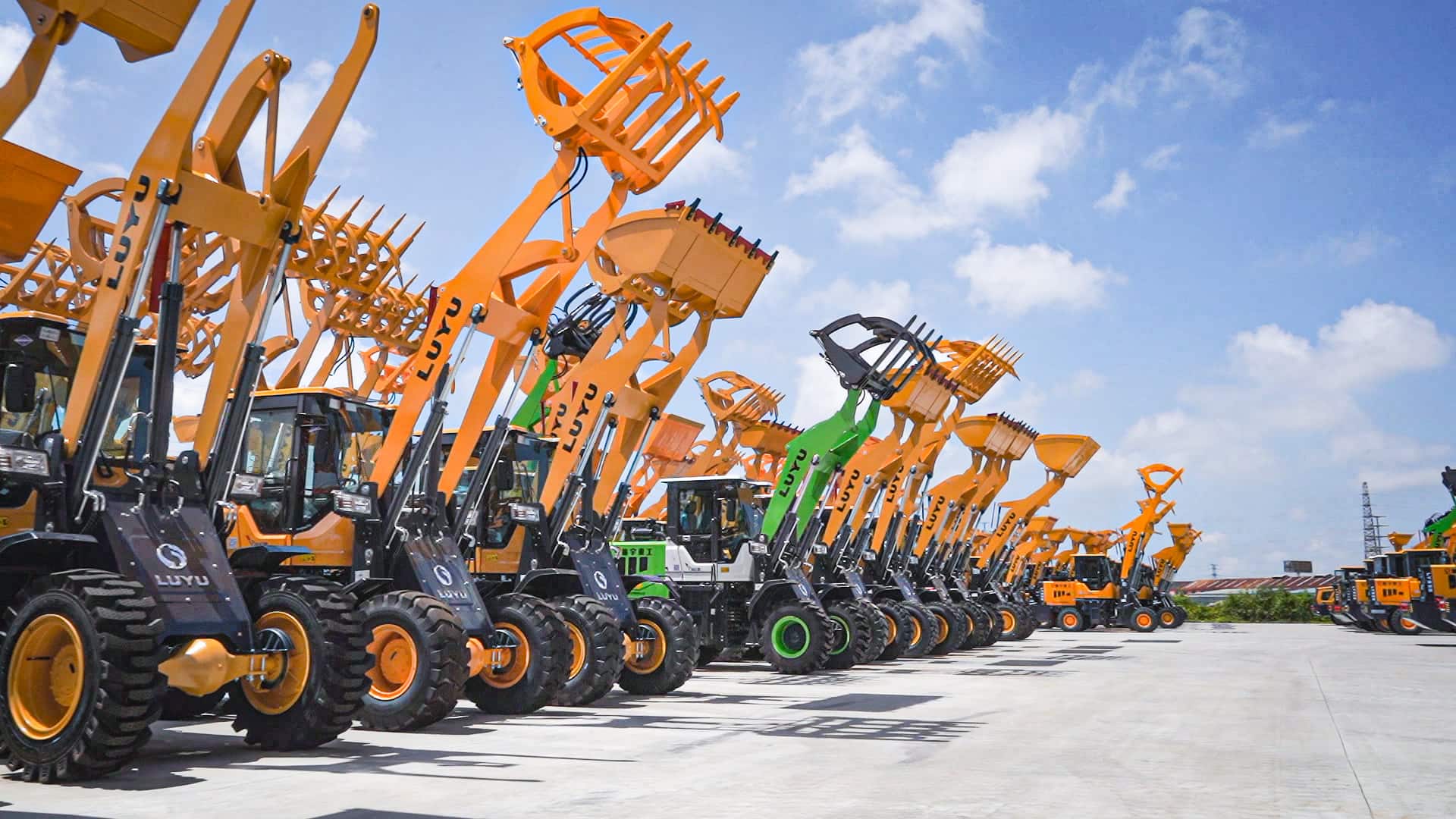
![[See You in Guangzhou] Catch LUYU's 2026 Lineup at the 139th Canton Fair!]( "[See You in Guangzhou] Catch LUYU's 2026 Lineup at the 139th Canton Fair!") [See You in Guangzhou] Catch LUYU's 2026 Lineup at the 139th Canton Fair!The 139th Canton Fair is fast approaching, and the energy in the machinery sector is higher than ever. Since its inception, this fair has been the world's window into China's industrial progress. This Spring, LUYU is stepping onto the stage with a 2026 lineup designed to redefine efficiency in compact machinery.
[See You in Guangzhou] Catch LUYU's 2026 Lineup at the 139th Canton Fair!The 139th Canton Fair is fast approaching, and the energy in the machinery sector is higher than ever. Since its inception, this fair has been the world's window into China's industrial progress. This Spring, LUYU is stepping onto the stage with a 2026 lineup designed to redefine efficiency in compact machinery. Which Wheel Loader Should I Choose for Landscaping Projects?Choosing the right wheel loader for landscaping depends on your project scale. Discover how LUYU compact loaders optimize daily fuel burn and eliminate backyard site bottlenecks.
 Compact Wheel Loaders: The All-Rounders of Municipal WorkIn the modern infrastructure landscape, wheel loaders are the primary engines driving material movement, loading, and disposal. While standard models offer power, the compact wheel loader is specifically engineered for the high-density requirements of urban environments.
![[See You in Guangzhou] Catch LUYU's 2026 Lineup at the 139th Canton Fair!](https://images.yybcdn.com/sites/89000/89425/1775528258899964505405931520.jpg "[See You in Guangzhou] Catch LUYU's 2026 Lineup at the 139th Canton Fair!")
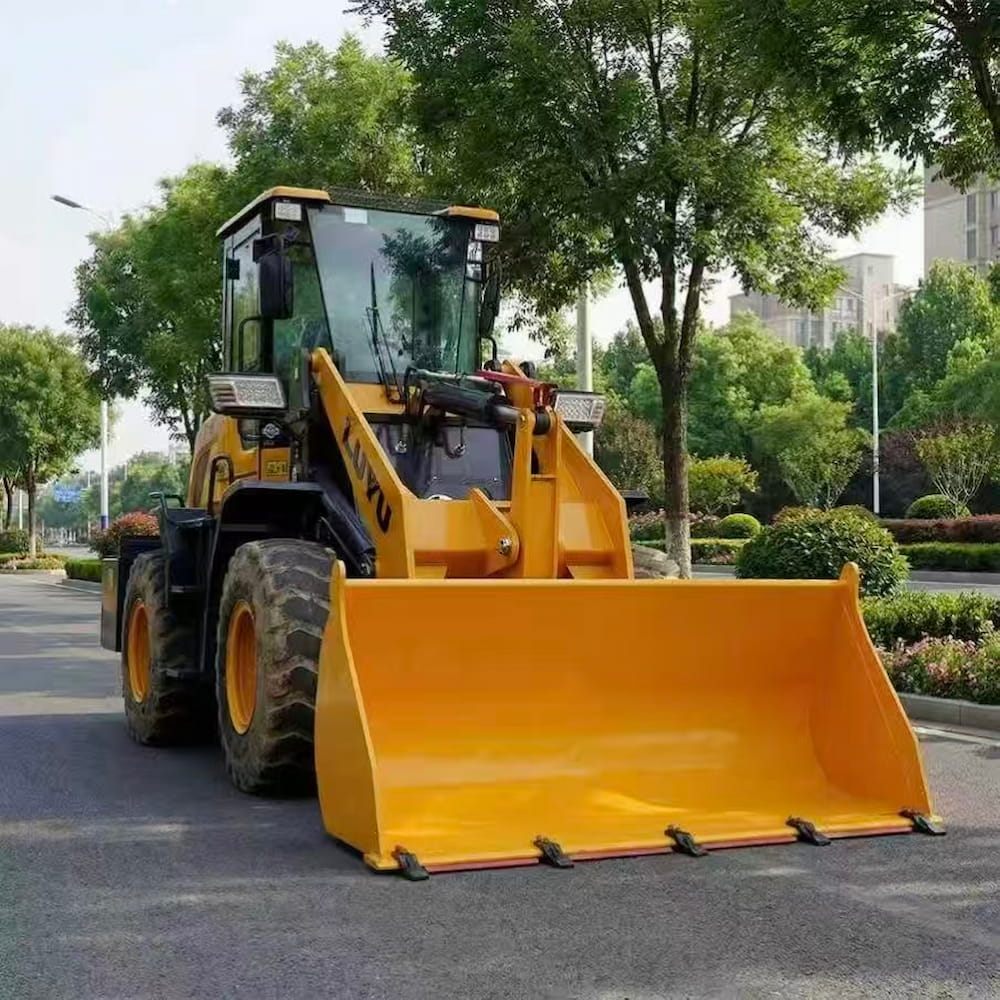
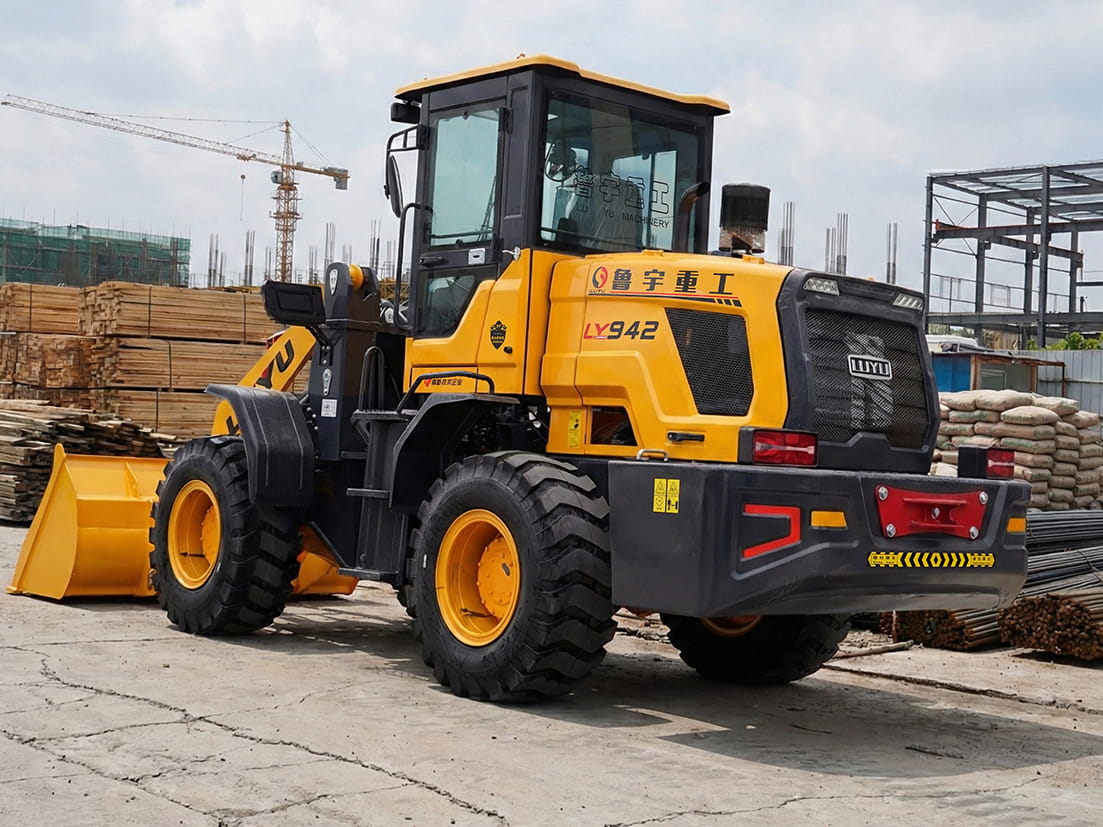
 LY942 Compact Wheel LoaderThe LY942 Compact 2ton wheel loader also has great uses and functions in the agricultural field, which can improve agricultural production efficiency and reduce labor intensity.
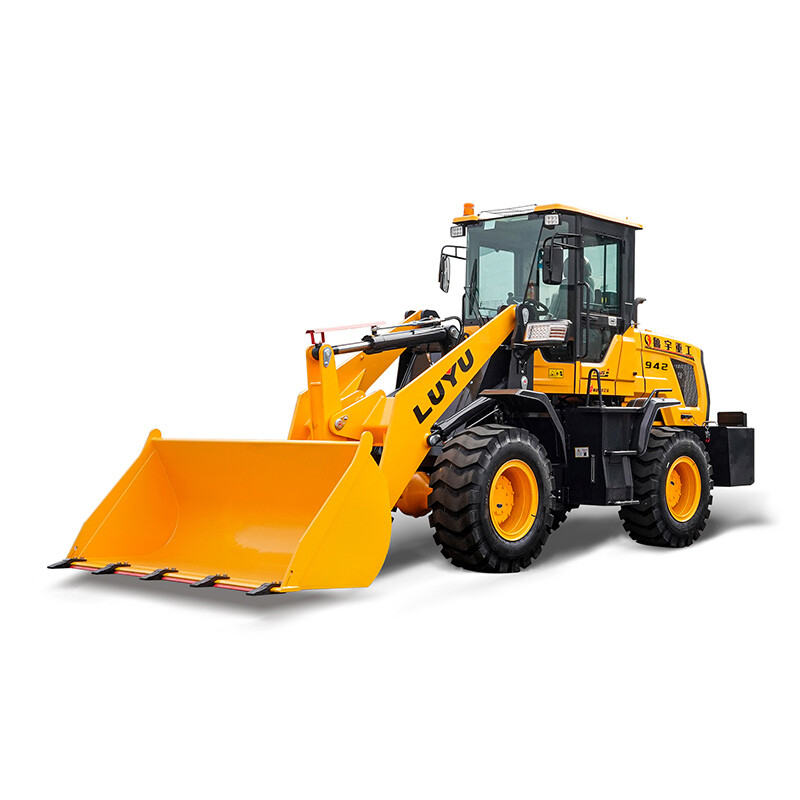
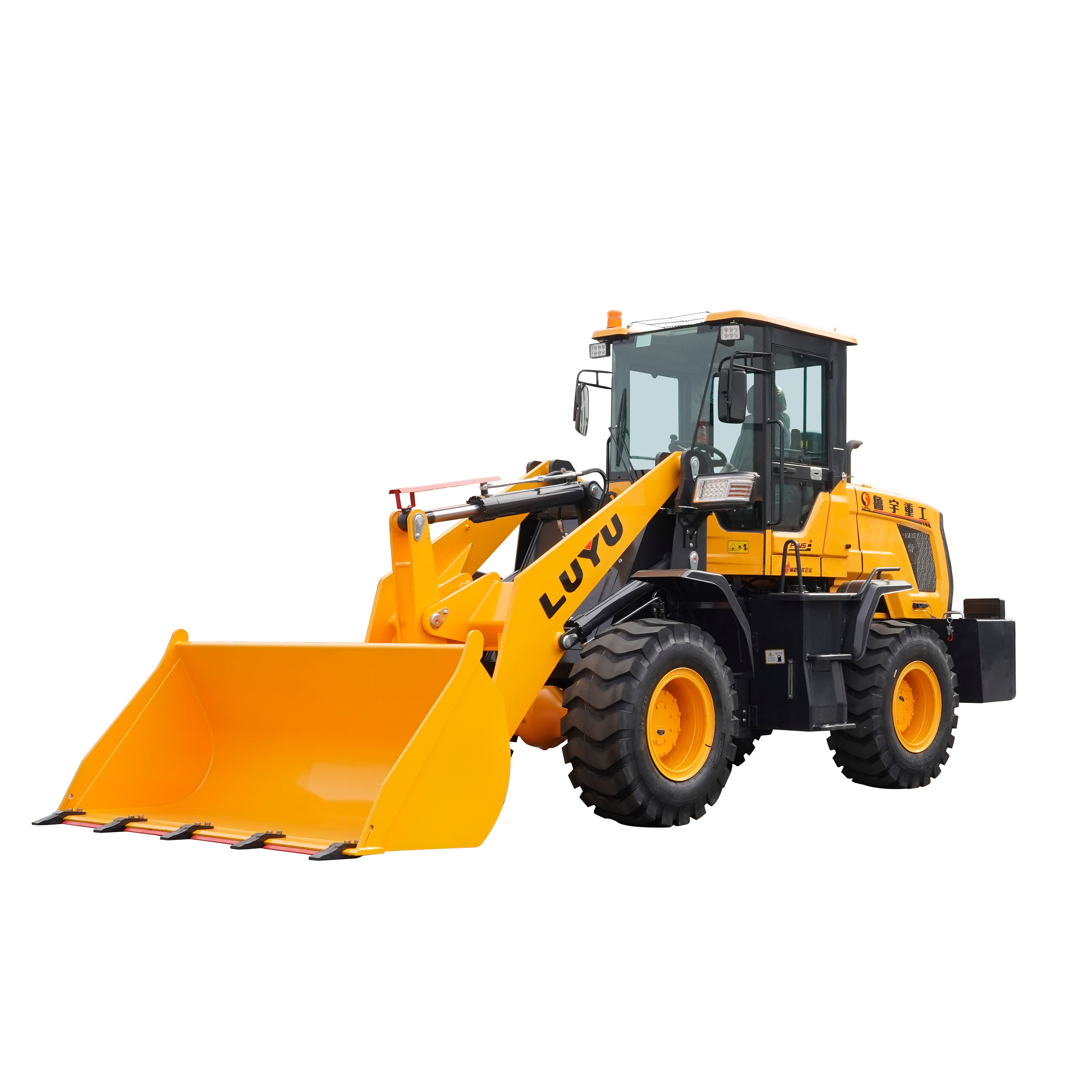
 LY946 Mini Wheel LoaderLuyu machinery adopts high quality materials and advanced manufacturing technology. Combine best practices in construction machinery manufacturing to ensure that every loader meets quality standards. LY946 2.5ton small wheel loader is a very practical wheel loader, through the quick change device can achieve a multi-purpose machine, can play a key role in various fields.
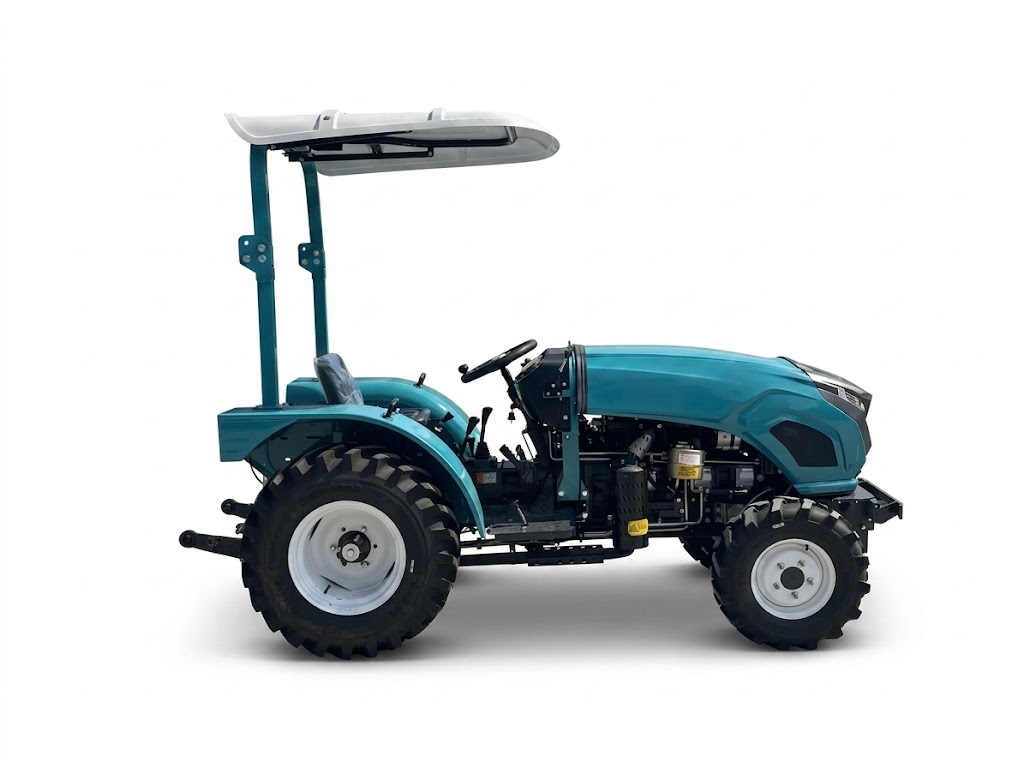
 Compact Greenhouse TractorExplore LUYU 50 hp compact tractors for small farms, orchards, and greenhouses. Low-profile design, minimized soil compaction, and compatible with various tractor implements.
 LY65D Wheeled Excavator

Send Your Inquiry