






Types of Loaders: Complete Guide to Loader Types in Construction, Agriculture & Industry
Content
1. What Are the Main Loader Types?
3. Crawler Loader and Other Loader Types
4. Industrial Loader Applications
5. How to Choose the Right Loader
Streamlining supply chains and heavy site operations—whether in mining, logistics, crop production, or infrastructure development—demands a calculated deployment of specific types of loaders. The heavy lifting, bulk transport, and high-volume stockpiling of sand, soil, farming goods, coal, and aggregates all rely heavily on these mechanical workhorses. Given that marketplace loader types are highly specialized, an incorrect choice directly causes operational bottlenecks, whereas proper equipment selection is what scales down fuel drain and slashes overhead costs. This handbook serves to clarify the options among major types of loader, detailing standard types of wheel loader, crawler configurations, and high-capacity machinery engineered for industrial loader duty.
1. What Are the Main Loader Types?
Any technical overview of loader types actually encompasses a highly diverse spectrum of engineering equipment, which industry professionals typically classify by their mechanical structure, operational mobility, and specific field applications.
The most common categories include:
Wheel Loader
Crawler (Tracked) Loader
Skid Steer Loader
Telescopic Loader
Specialized Industrial Loader
In global markets, specific types of wheel loader and crawler variations represent the vast majority of equipment deployed today.
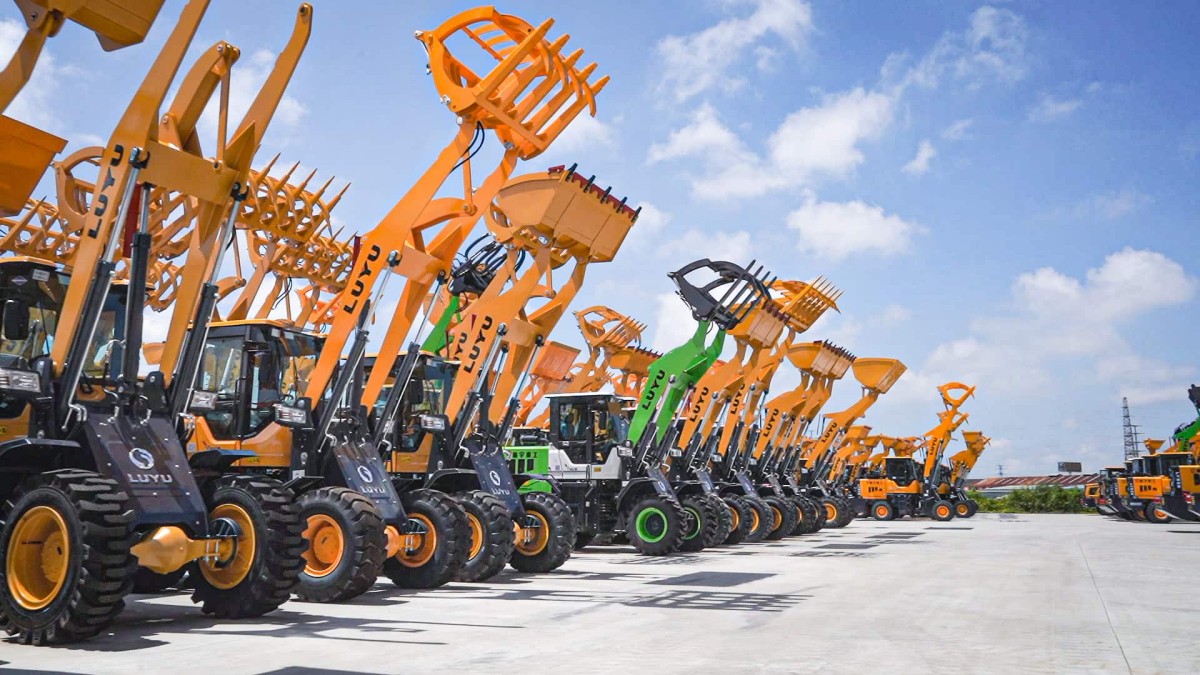
2. Types of Wheel Loader
When focusing on types of wheel loader, these machines are classified based on size, structure, and working capacity.
2.1 Compact Wheel Loader
For navigating tight quarters and managing lower-intensity tasks, smaller types of wheel loader serve as the ideal material handling choice.
Features:
Small turning radius
Low fuel consumption
High flexibility
Applications:
Landscaping
Small farms
Urban construction
Light material handling
2.2 Medium Wheel Loader
Offering a perfect compromise between operational output and fuel economy, mid-sized variants have become the go-to types of wheel loader across the industry.
Features:
Stable performance
Cost-effective operation
Strong adaptability
Applications:
Construction sites
Agriculture
Municipal projects
2.3 Heavy Duty Wheel Loader
Heavy-duty wheel loaders are designed for large-scale industrial operations.
Features:
High horsepower
Large bucket capacity
Continuous heavy-load performance
Applications:
Mining operations
Ports and logistics hubs
Large earthmoving projects
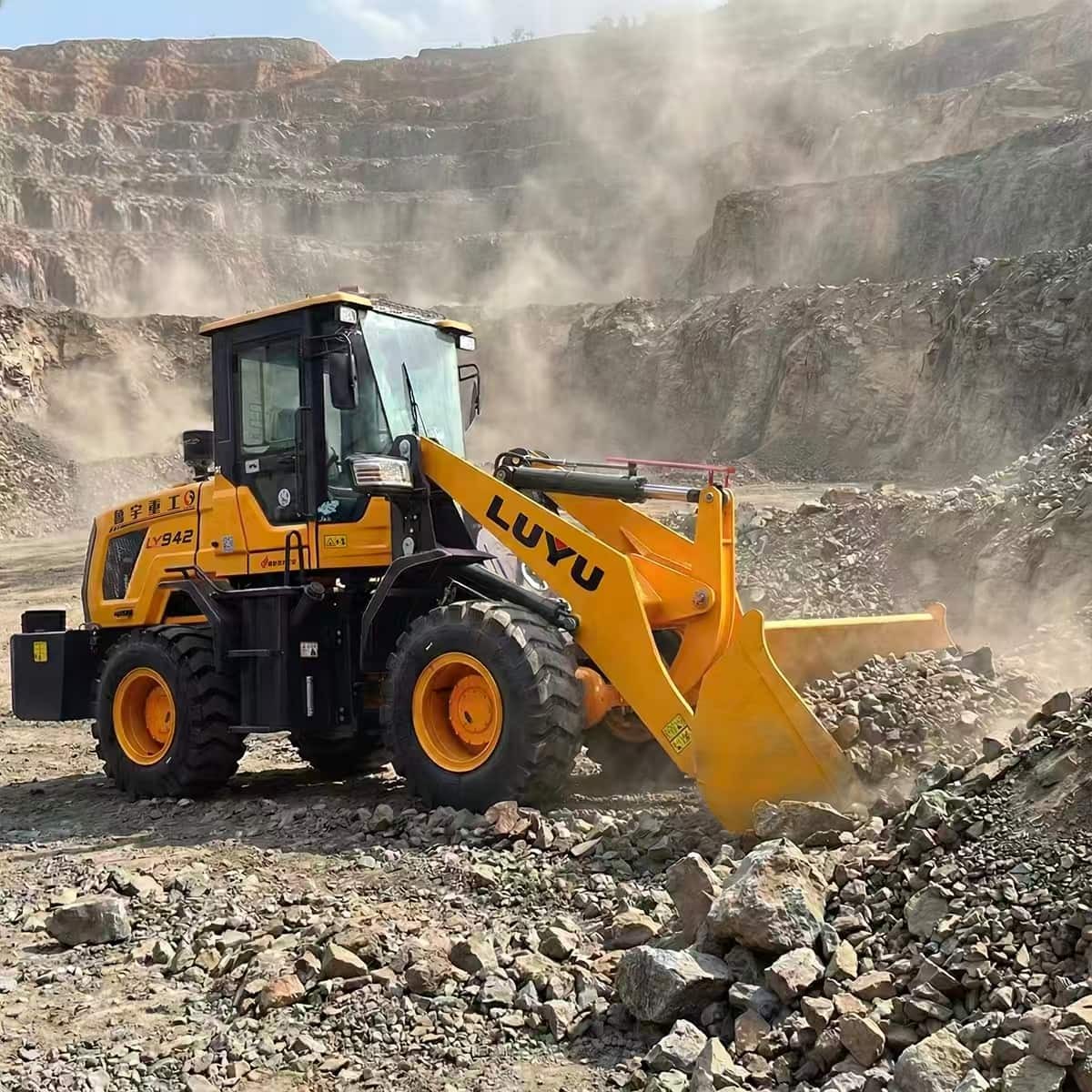
3. Crawler Loader and Other Loader Types
Besides wheel loaders, other important loader types include crawler loaders.
Crawler Loader
Crawler loaders use tracks instead of wheels, providing better stability on soft and uneven ground.
Key Advantages:
Strong traction in muddy areas
High stability in harsh environments
Excellent digging force
Applications:
Mining sites
Wetlands
Mountain construction
4. Industrial Loader Applications
Within factories, ports, mines, and sprawling construction sites, any machine deployed for high-intensity operations falls under the category of an industrial loader.
Greater survival rates in non-stop environments are achieved by an industrial loader through its strengthened framing, increased weight tolerances, and resilient engineering.
Typical applications include:
Mining and quarry operations
Steel and bulk material handling
Port logistics and cargo loading
Large-scale construction projects
Industrial loaders are essential for improving productivity in high-demand environments.
5. How to Choose the Right Loader
When selecting from different loader types, consider the following factors:
Working environment (indoor, outdoor, rough terrain)
Material density and weight
Required lifting height and distance
Operating frequency and workload intensity
Budget and long-term maintenance cost
For most users, understanding types of loaders in advance helps avoid equipment mismatch and improves overall efficiency.
Conclusion
The diversity of modern types of loaders exists simply because no single industry or site condition is exactly the same. Whether moving materials in tight spaces or operating within a dedicated industrial loader environment, each machine is vital to keeping materials moving smoothly. Ultimately, a clear awareness of specific types of wheel loader and alternative categories ensures that companies invest in equipment that fits their exact needs. Aligning with this approach, LUYU designs targeted equipment solutions built for specific field challenges. Their practical product options allow businesses to control running costs while maintaining high efficiency and reliable output on the ground.
Share to :




Inquiry
Our manager will contact you within 30 minutes of working hours.
Related products
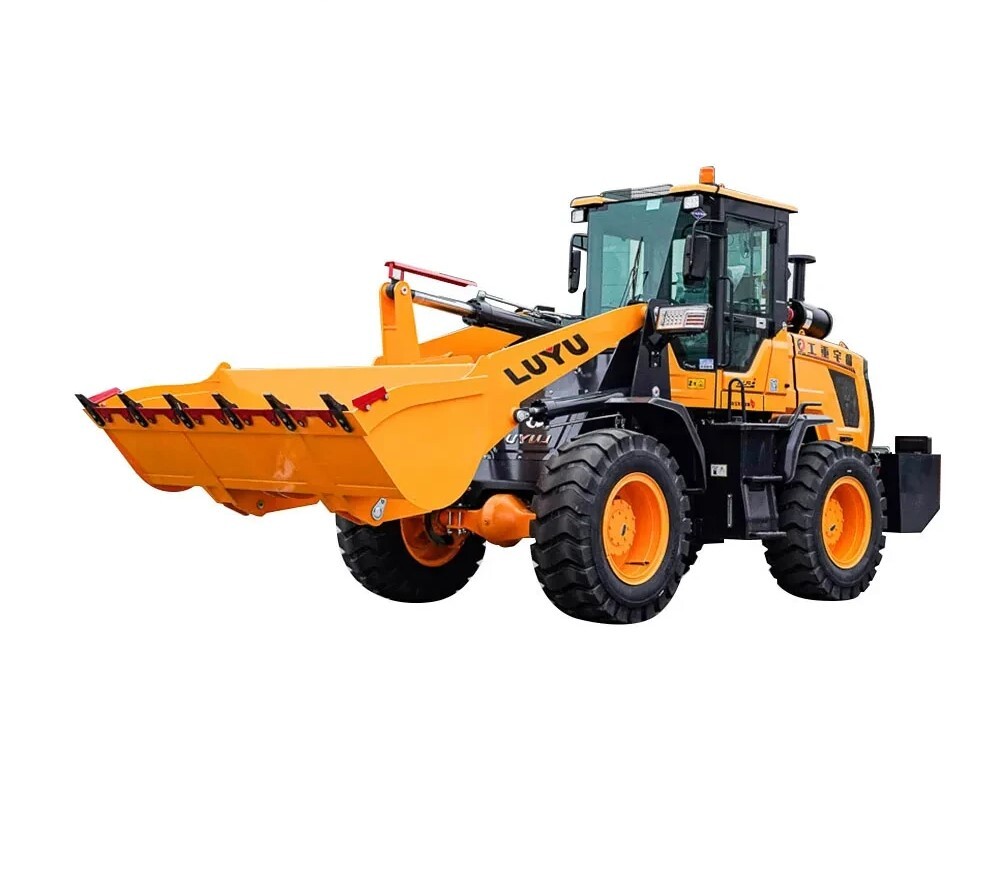
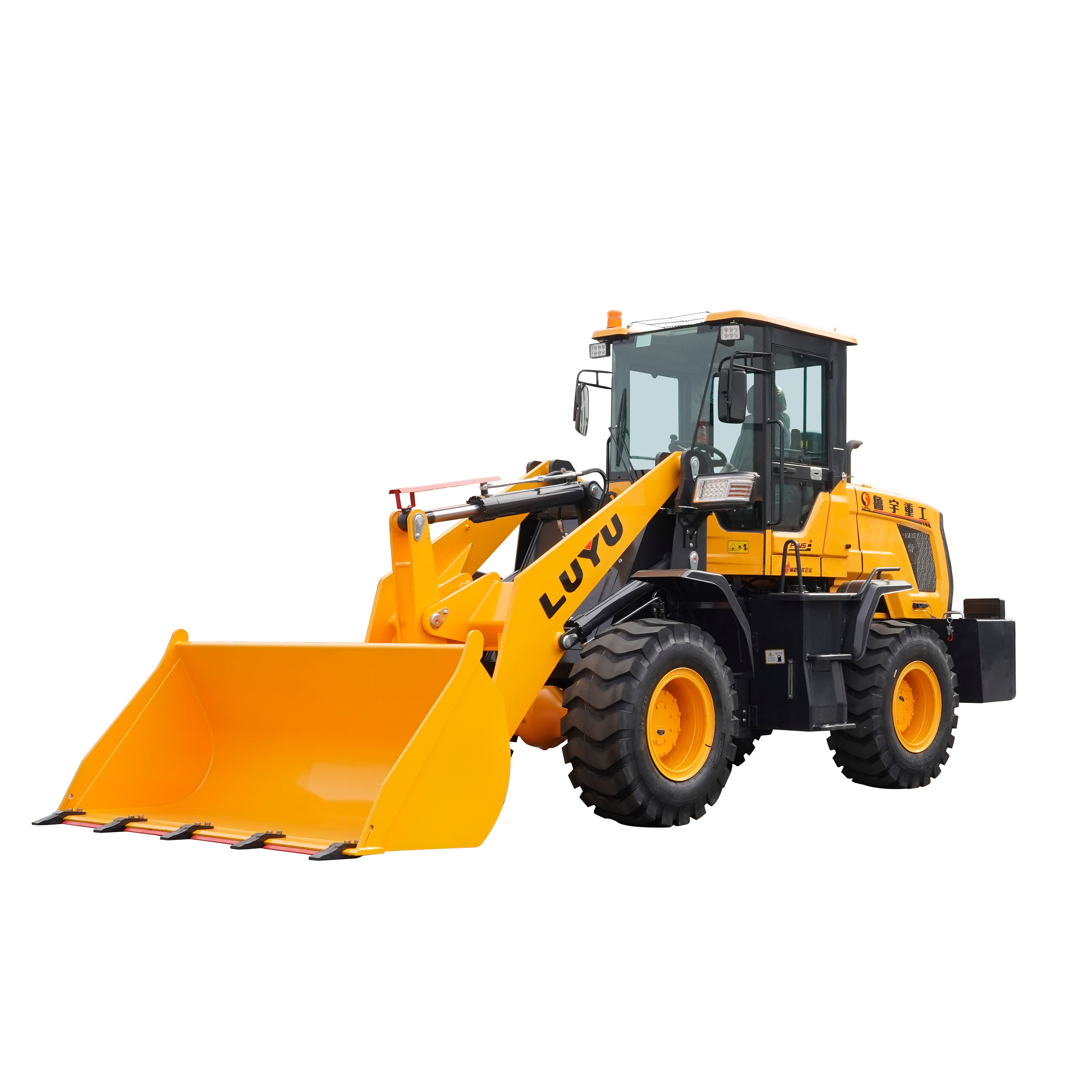
 LY949 Compact Wheel Loader
Engine YN4108T 90KW/122HP Rated Load 2800kg Dumping Height 3800mm Bucket Capacity 1.2m³  LY946 Mini Wheel Loader
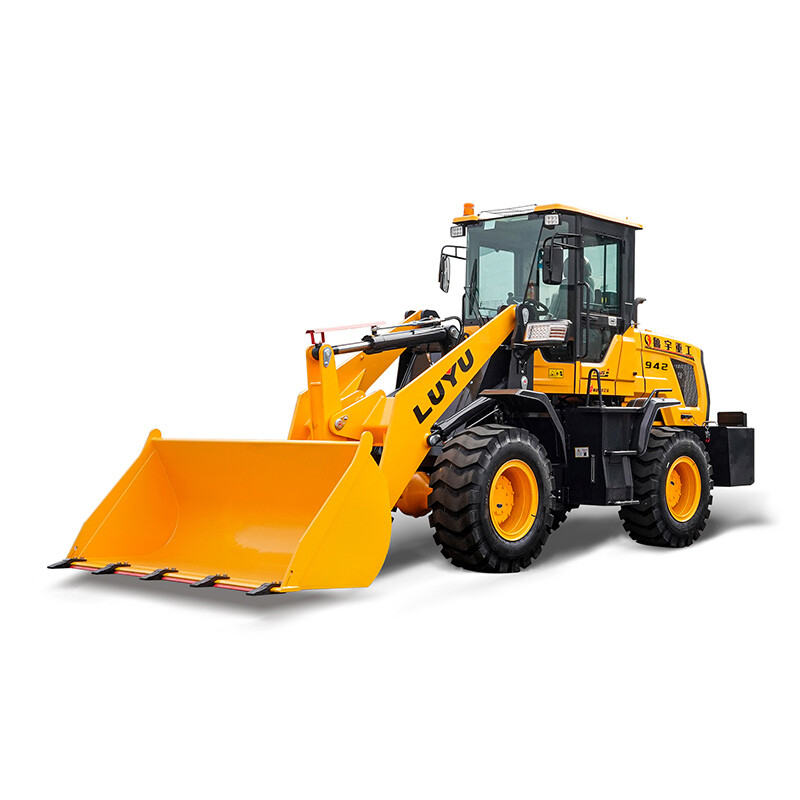
Engine YN48T 92KW/123HP Rated Load 2500kg Dumping Height 3500mm Bucket Capacity 1.1m³  LY942 Compact Wheel Loader
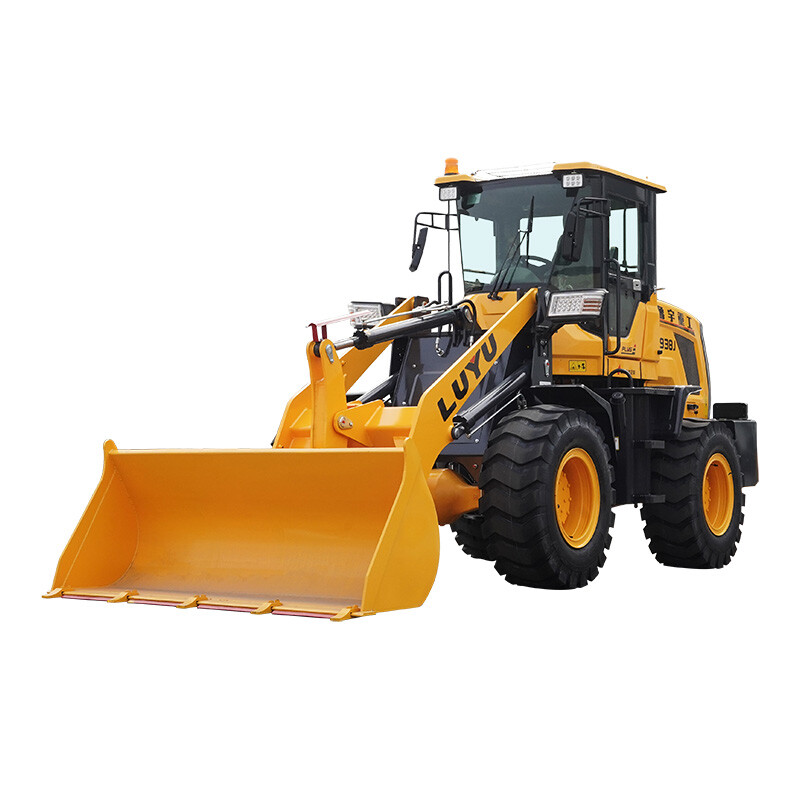
Engine Type YN 76KW/103HP Rated Load 2200kg Dumping Height 3500mm Bucket capacity 1m³  LY938 Mini Wheel Loader
Engine YN27T 58KW/78HP Rated Load 2000kg Dumping Height 3500mm Bucket capacity 0.8m³

Send Your Inquiry