






NEWS
How Can a 3 Ton Wheel Loader Handle Silage on Australian Farms?
Contents
1. Why Do Australian Dairy Farms Need Silage Handling Equipment?
2. What Are Wheel Loaders Used for in Silage Handling?
3. Why Use a Wheel Loader for Silage Handling?
4. What Should You Consider When Buying a 3 Ton Wheel Loader for Silage Handling?
Silage is a common form of stored feed on dairy farms and some beef cattle farms in Australia. From storage and removal to loading, handling silage involves several stages of material movement. With its loading and short-distance transport capabilities, a 3 ton wheel loader can collect silage, gather loose material, and load feed. This article looks at how wheel loaders are used for silage handling on Australian farms and what to consider when choosing a machine.
1. Why Do Australian Dairy Farms Need Silage Handling Equipment?
On Australian dairy farms, feed storage is planned according to available pasture and the needs of the herd. Silage provides a way to store feed for later use. Grass and crops such as corn are cut, chopped, packed tightly, and sealed for storage.
Common storage methods include silage piles and silage bunkers. Because silage is usually taken out in batches, there may also be some distance between the storage area and the daily feeding area. Farms therefore need suitable equipment to move the material between these locations. A silage loader can be used to move feed from storage areas to places where it is prepared for feeding.
Where large quantities of silage are stored, moving feed becomes a regular part of daily farm work. Material may need to be taken from the storage area, moved across the farm, and loaded several times throughout the day. For farms looking at a 3 ton compact wheel loader for farm use, the amount of silage kept on site, the feeding routine, and the available working space are all relevant to the decision.
2. What Are Wheel Loaders Used for in Silage Handling?
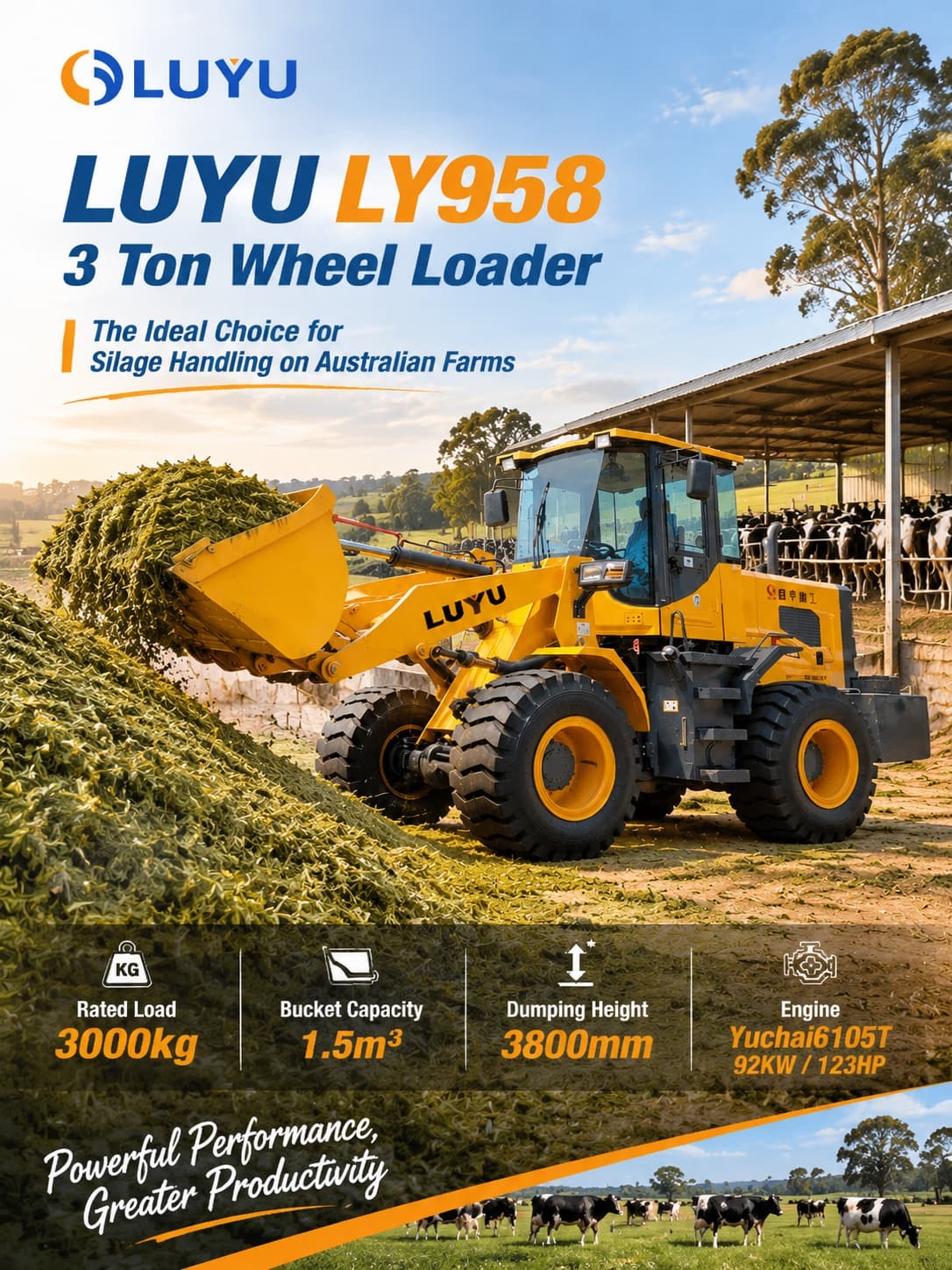
A wheel loader's front bucket handles collection and loading, and the machine carries material around the farm. Its exact role between storage and feeding depends on the layout and machine configuration.
Silage Loader for Collecting and Gathering Feed
The silage loader's front bucket can gather silage already removed from a bunker or above-ground stack. Loose material left around the work area can also be brought together, ready for loading. This reduces the need to collect scattered silage again during later handling.
Moving Silage Over Short Distances
When silage is stored away from the feed mixing area, it needs to be transported across the farm. A wheel loader can handle these short-distance transfers with its bucket.
For example, the loader can carry silage in its bucket from storage to the feed mixing area. However, actual productivity depends on travel distance, load per trip, ground conditions, and the loader's capabilities.
Loading Feed Mixer Wagons
A wheeled loader can scoop up silage and load it into a feed mixer wagon or other suitable mixing equipment. There, the silage is usually blended with other feed ingredients before feeding livestock.
If the farm also stores hay, grain, or other bulk feed, a suitably configured loader can load these materials as well. Before use, check that its dump height and bucket capacity suit the feed mixer's loading opening.
3. Why Use a Wheel Loader for Silage Handling?
For farms that handle feed, tidy work areas, and move other materials, a wheel loader's role extends beyond silage. The same machine can take on several routine farm tasks.
One Machine for Different Jobs
Silage is not the only material a farm loader can handle. The same machine can also move hay, grain, and manure, extending its use to other routine farming work.
Suitable for Different Working Areas
Space and ground conditions may vary across the farm. The loader's dimensions and steering characteristics should suit the storage area, feed preparation area, and other work zones so it can travel and operate where needed.
Useful for Daily Feed Handling and Yard Maintenance
Routine farm work continues outside the silage season. A suitably configured loader can therefore take on other daily jobs: moving bulk feed, stockpiling materials and cleaning up work areas.
4. What Should You Consider When Buying a 3 Ton Wheel Loader for Silage Handling?
Silage handling requirements and working conditions vary from one farm to another. Use the following checks to assess whether a machine meets these requirements.
Bucket Capacity and Rated Load
Moisture content and bulk density affect silage weight. Decide how much to load based on the bucket volume, the loader's rated load, and the material's weight to avoid overloading.
Dump Height
If the loader will fill a feed mixer wagon, confirm that its dump height and dump reach meet the requirements of the mixer’s loading opening.
Site Conditions and Maneuverability
Choose machine dimensions, turning radius, and tyres to suit the farm's access widths, ground conditions, and available working space.
Attachments and Maintenance
Choose a standard bucket or compatible specialist attachment to suit the silage-handling job. Also consider hydraulic connections, ease of daily maintenance, and after-sales technical support.
5. Conclusion
For farms that move silage, hay and other bulk materials, a 3-ton wheel loader is an option worth considering. With a model such as the LUYU LY958, suitability should be assessed against rated load, bucket capacity, dump height and site conditions.
If the machine will be used to load a feed mixer wagon, its dump height and reach should also be checked against the wagon's loading opening.
If you are looking for silage handling equipment for an Australian farm, take a closer look at the LUYU LY958 3 ton wheel loader and assess whether its configuration suits your working conditions.
Share to :




Tag :
Inquiry
Our manager will contact you within 30 minutes of working hours.
Related products
 LY919F Wheel Loader
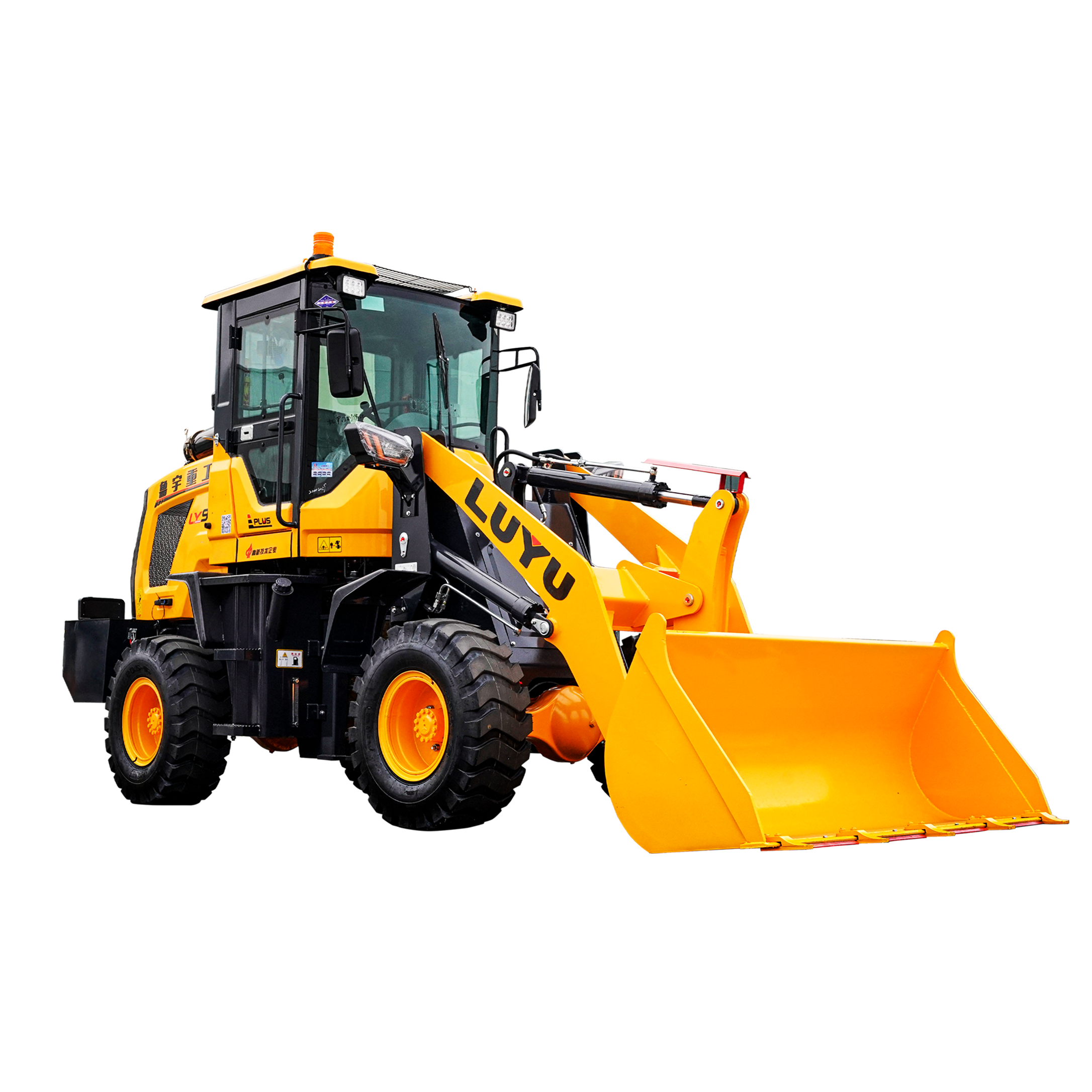
Engine YN25 37KW/50HP Rated Load 1000kg Dumping Height 2600mm Bucket capacity 0.25m³  LY928C Wheel Loader
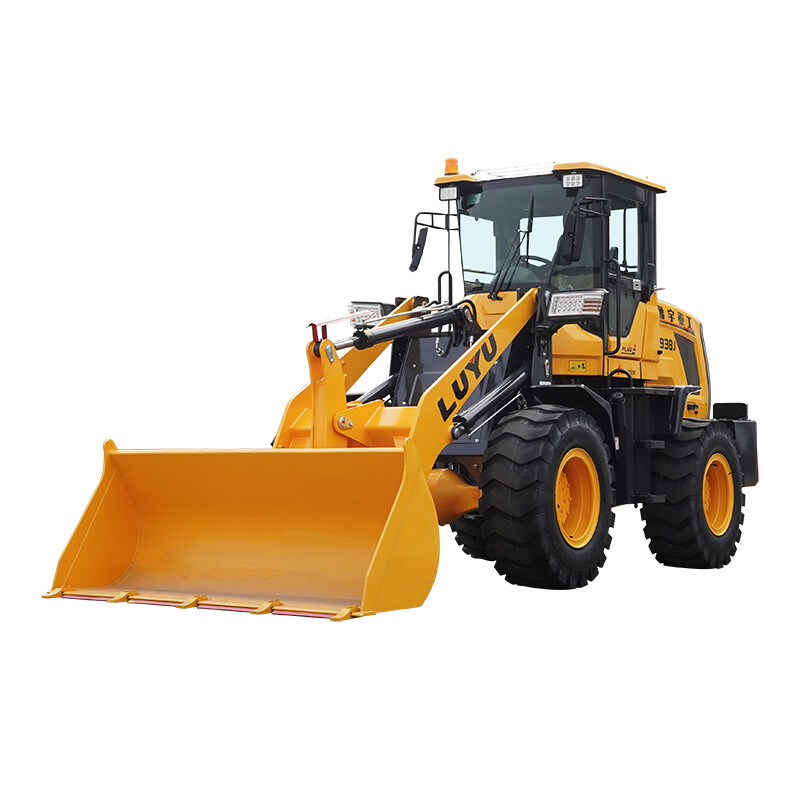
Engine YN25 37KW/50HP Rated Load 1500kg Dumping Height 3200mm Bucket capacity 0.6m³  LY938 Mini Wheel Loader
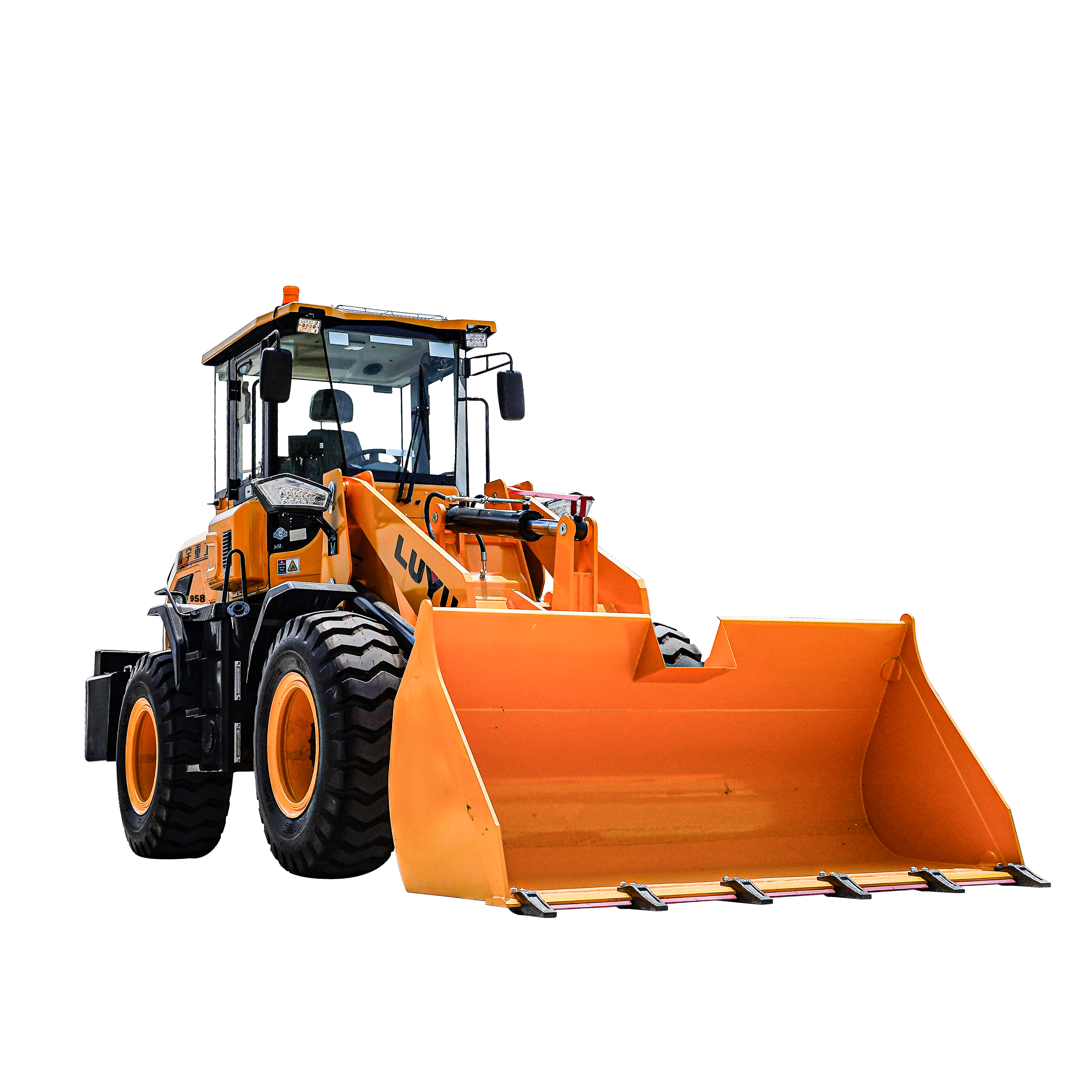
Engine YN27T 58KW/78HP Rated Load 2000kg Dumping Height 3500mm Bucket capacity 0.8m³  LY958 Compact Wheel Loader
Engine Yuchai6105T 92KW/123HP Rated Load 3000kg Dumping Height 3800mm Bucket capacity 1.5m³

Send Your Inquiry