






From “Made in China” to Global Partner: The Three Core Strengths of China’s Construction Machinery Industry
China's construction machinery industry is undergoing a profound phase of global transformation. Today, Chinese construction equipment is no longer defined solely by cost advantages. According to the 2025 Global Top 50 Construction Machinery Manufacturers ranking, 13 Chinese companies made the list, with overseas sales accounting for an average of nearly 41.94% of their total revenue. For some manufacturers, international markets now contribute more than 70% of overall sales.
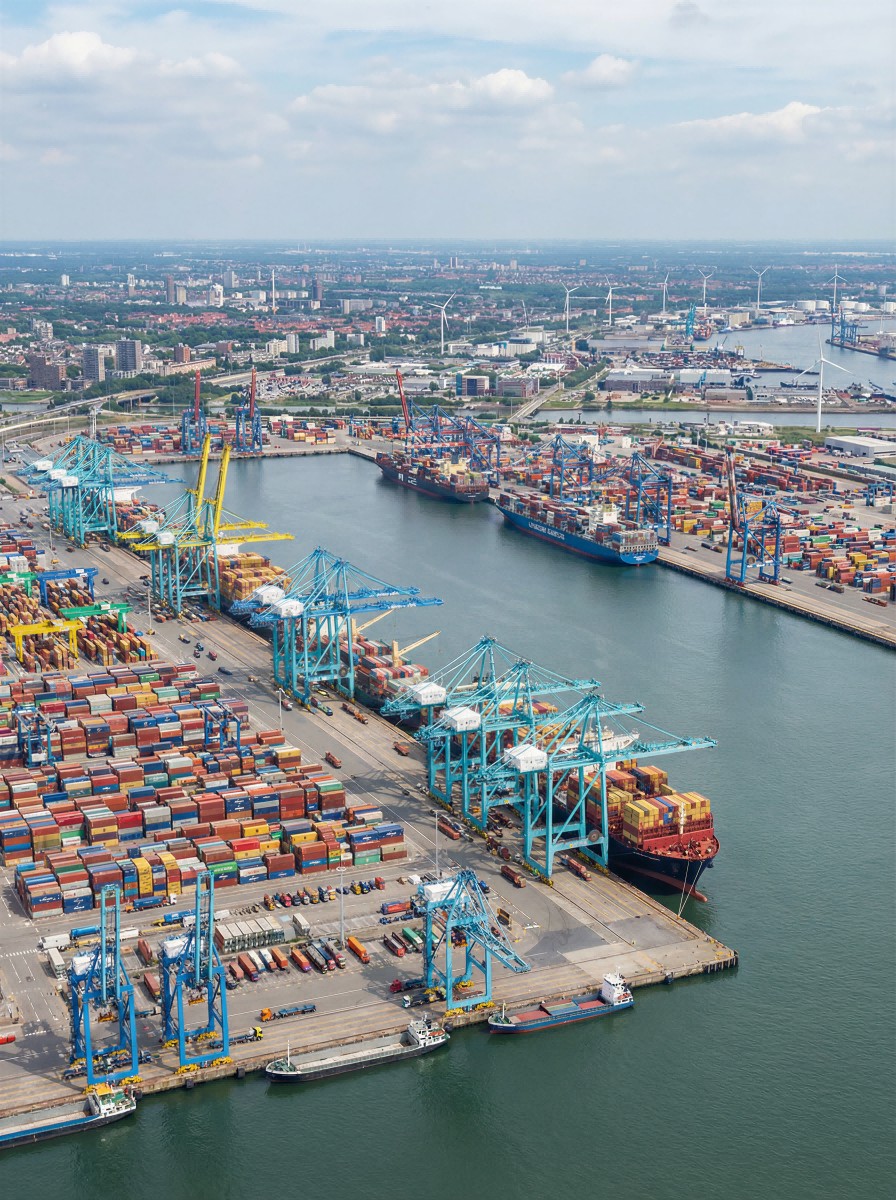
Between 2020 and 2024, China's construction machinery exports surged from USD 21 billion to USD 52.86 billion. This remarkable growth reflects a renewed global recognition of Chinese brands—not only in terms of manufacturing capacity, but also in technology, reliability, and service capability. China's international expansion has moved beyond the early stage of simply“going global” and entered a new phase of deeper market integration.
Compact Loaders as a Global Growth Engine
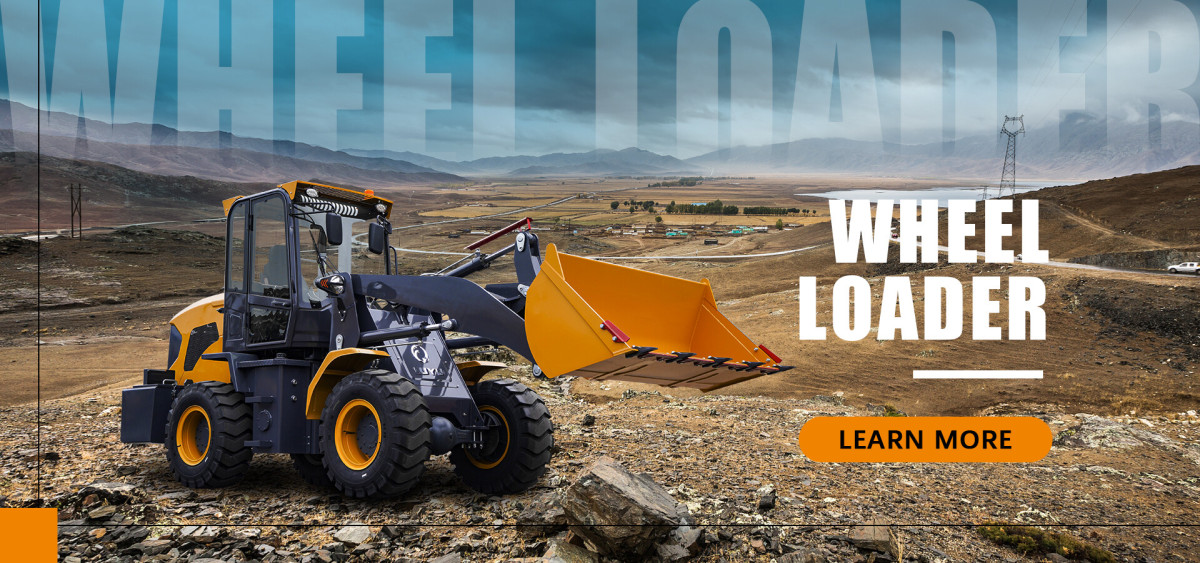
Within the construction machinery export segment, wheel loaders stand out for their strong international performance. From January to August 2025, China exported 38,264 loaders, representing a year-on-year increase of 5.3%. Among them, compact models—such as skid steer loaders and machines under three tons—have emerged as key drivers of global growth.
Thanks to their flexible positioning and broad application scenarios, these compact machines are gaining traction worldwide. As overseas infrastructure development shifts toward more refined, efficiency-driven construction models, smaller equipment with high versatility and fast innovation cycles is increasingly favored. These“small-footprint” machines are not only delivering strong sales growth, but are also helping reshape the global perception of“Intelligent Manufacturing from China.”
Scenario-Driven Design for Diverse Global Conditions
One of the defining advantages of Chinese compact construction machinery lies in its ability to respond effectively to highly diverse operating environments. Chinese manufacturers understand that truly global equipment cannot rely on a one-size-fits-all approach.
From extreme cold in Northern Europe to intense heat in the Middle East, from high-altitude, low-oxygen regions to coastal areas with high salinity, operating conditions place very different demands on equipment configuration, durability, and after-sales support.
Backed by the world's most complete construction machinery supply chain, Chinese manufacturers have developed strong scenario-based customization capabilities. This flexibility is rooted in China's vast domestic market, which serves as a real-world testing ground. Complex geography and large-scale infrastructure projects at home have forced manufacturers to design machines capable of handling a wide range of challenges—experience that now translates directly into value for global customers.
Electrification as a Strategic Advantage
Electrification represents another area where Chinese construction machinery is gaining a competitive edge. Electric and hybrid equipment from Chinese manufacturers is winning international recognition through a combination of technological maturity, full-chain cost control, and deep customization capability.
Supported by a highly integrated industrial ecosystem, Chinese electric machines achieve both scale production and lower energy consumption. Simplified structures and efficient power usage result in lower total cost of ownership and more attractive returns on investment for end users.
At the same time, Chinese manufacturers are well positioned to meet the stringent environmental and customization requirements of European and North American markets, while also addressing the practical efficiency demands of emerging markets. This ability to deliver tailored, high-end solutions has become a key differentiator on the global stage.
Deep Localization and Long-Term Partnership
Today, Chinese construction machinery companies are moving beyond pure product exports, aiming instead to become localized enterprises and long-term value partners within their target markets.
True localization goes far beyond setting up assembly plants or warehouses. It involves a deeper transformation: shifting from centralized decision-making to empowering local teams, and evolving customer relationships from transactional interactions into partnerships built on trust and shared value.
This commitment is reflected in concrete actions. Chinese manufacturers are actively building comprehensive overseas ecosystems that integrate sales, service, spare parts supply, technical support, and even financial solutions. For some companies, overseas business now contributes more than half of total revenue.
China's construction machinery industry has clearly entered a deeper phase of global engagement. With a solid manufacturing foundation, strong innovation momentum, and a firm commitment to globalization, Chinese brands are well positioned to play a more influential role in the global construction machinery market. Looking ahead, the industry is expected to move beyond traditional export-driven thinking and transition toward a new stage centered on localized operations and scenario-based value creation.
LUYU Machinery: A Specialist in Compact Loaders
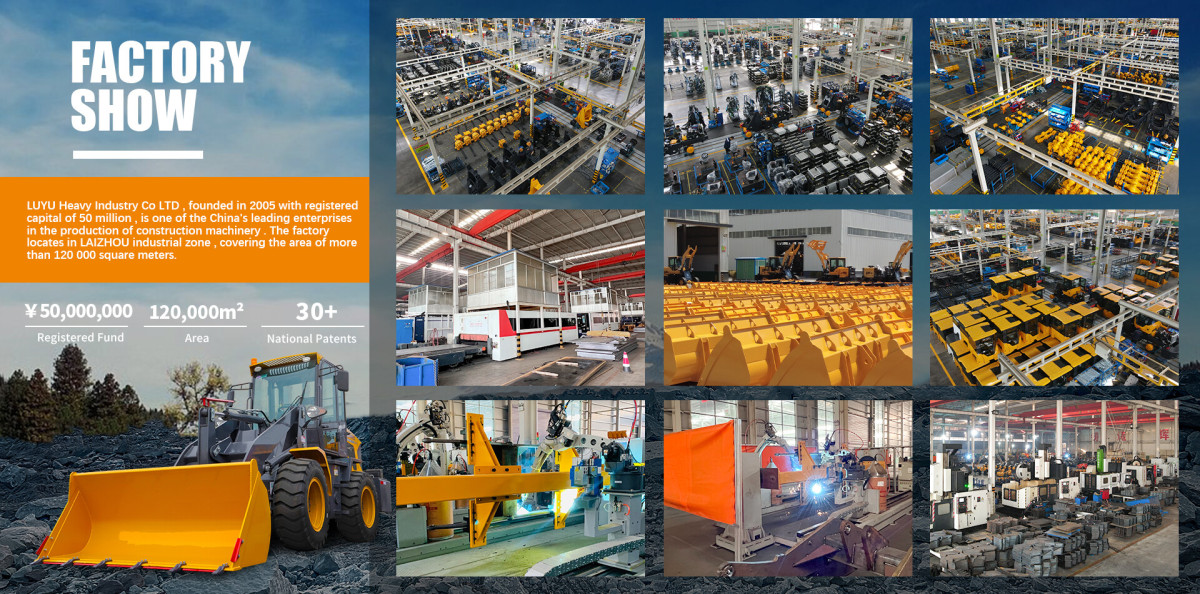
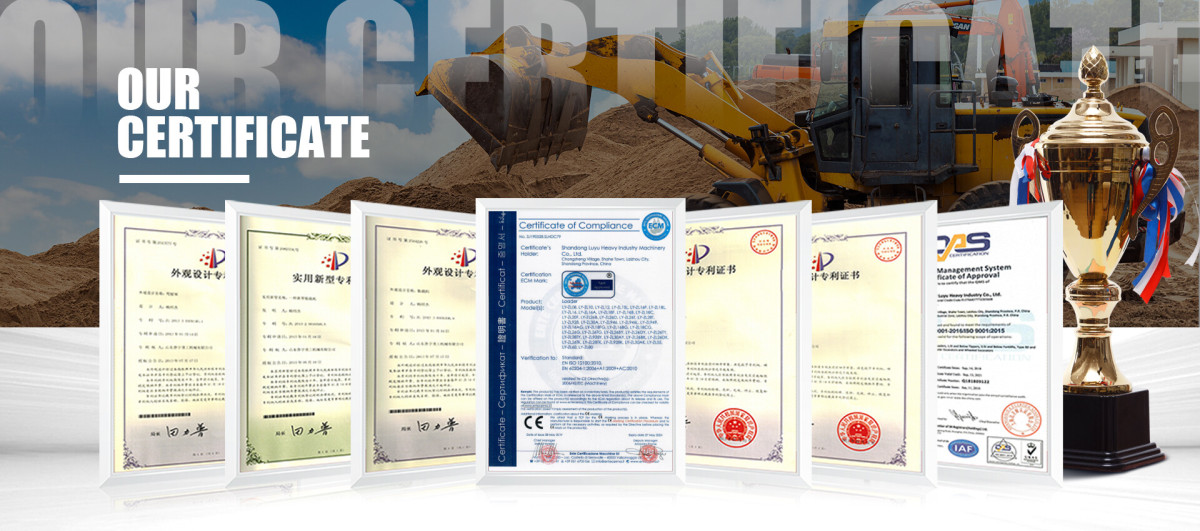
Amid this wave of Chinese construction machinery expanding overseas, LUYU Machinery stands out as a professional manufacturer with years of experience in the compact loader segment. Specializing in the development and production of skid steer loaders and small wheel loaders, LUYU focuses on delivering flexible, efficient, and reliable compact equipment.
Committed to product quality and responsive service, LUYU Machinery continues to support global customers—especially owners of small and medium-scale construction projects—by providing practical solutions tailored to real-world operating needs.
Share to :


Inquiry
Our manager will contact you within 30 minutes of working hours.
Related products
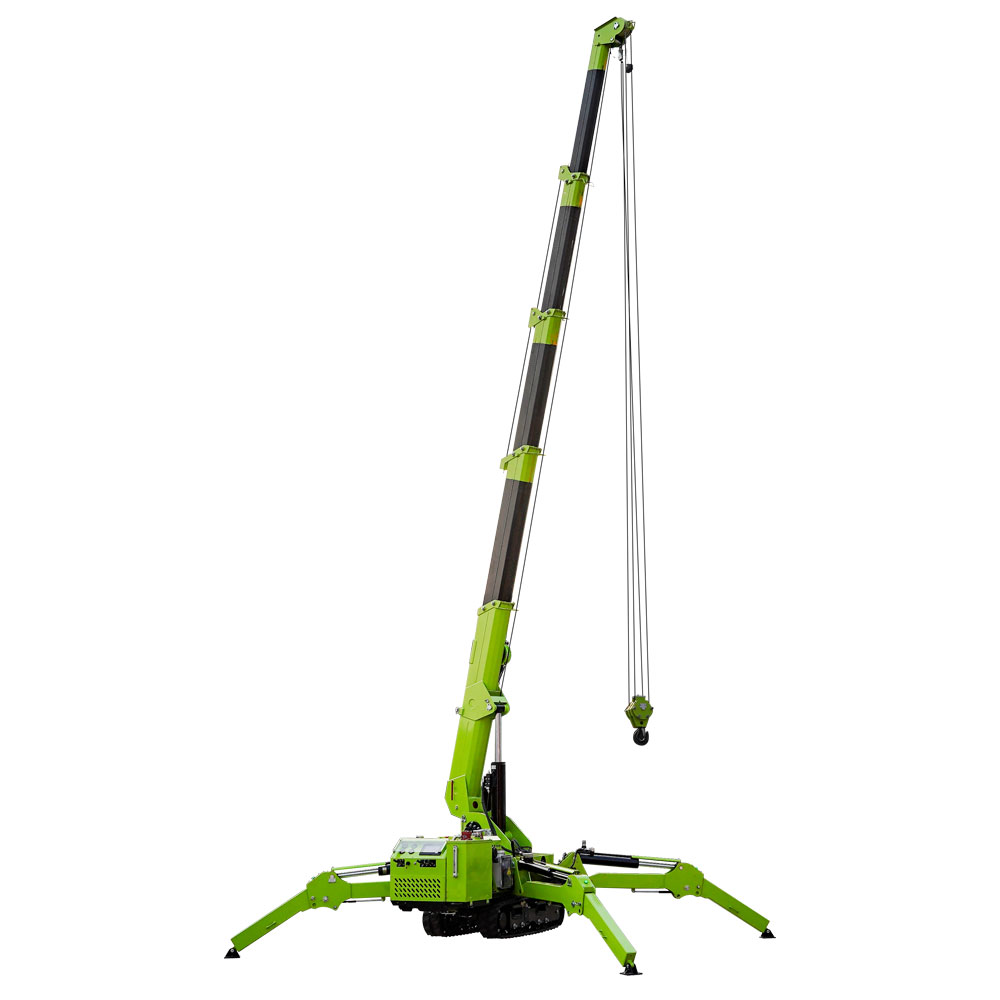
 Spider Crane
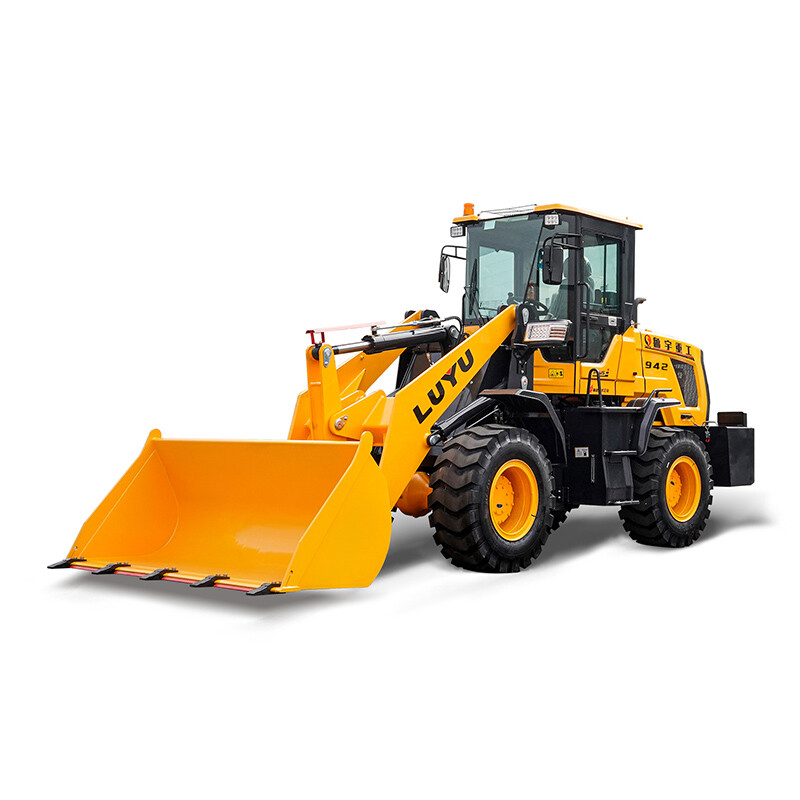
Engine diesel/gasoline/battery Capacity 2.95T*1.3m Working Radius 8.25m*0.15T Dimension 2890mm×800mm×1700mm  LY942 Compact Wheel Loader
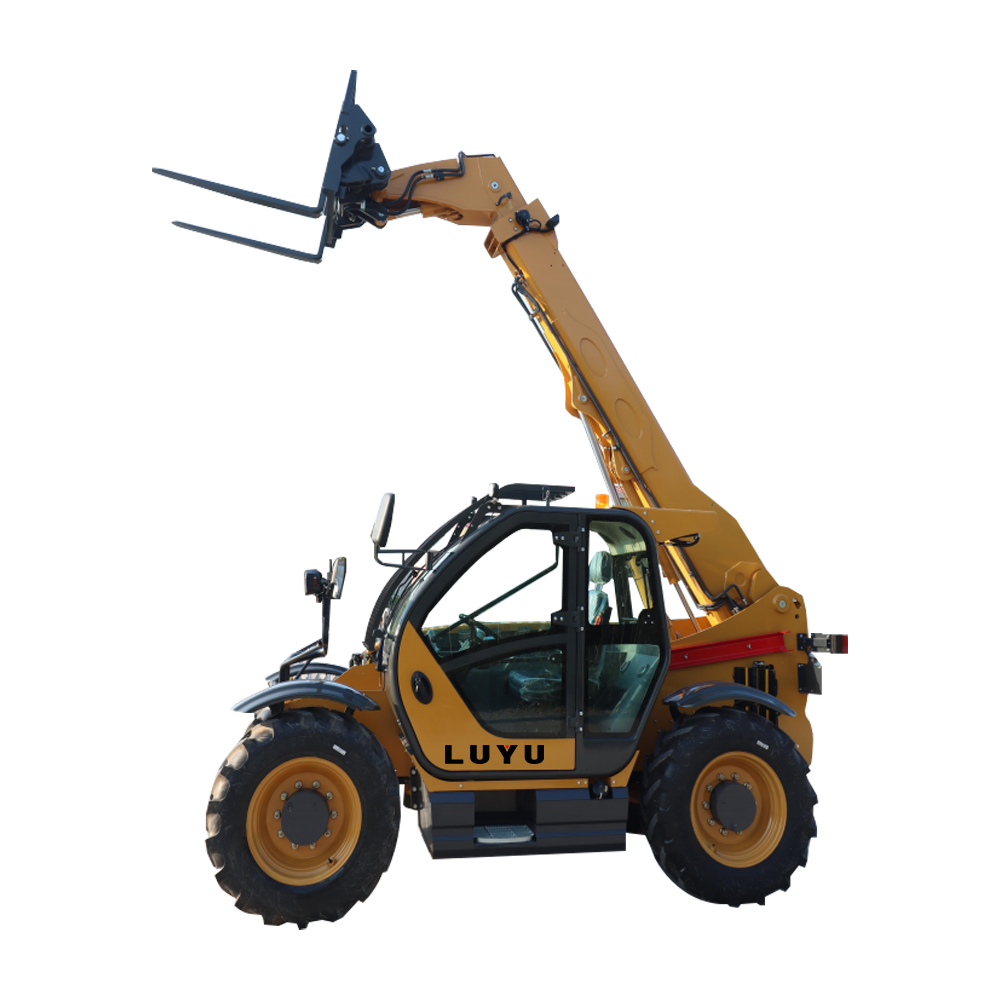
Engine Type YN 76KW/103HP Rated Load 2200kg Dumping Height 3500mm Bucket capacity 1m³  Telescopic Handlers
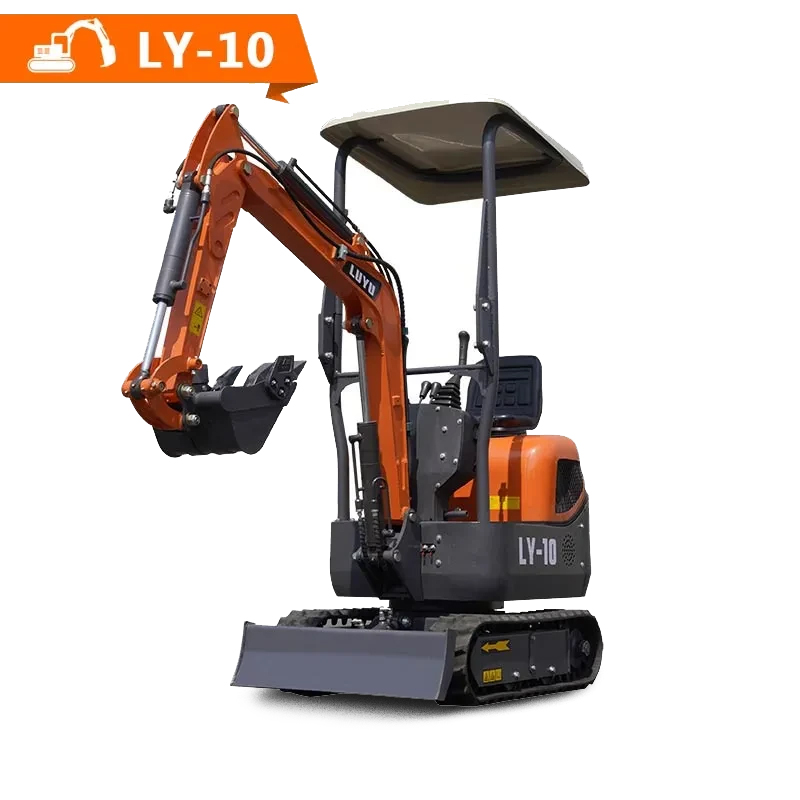
Engine YCD4M22T Model 7/9/11M Total weight(kg) 7500 Rated Power(kw) 77.3  LY10 1 ton mini excavator
Engine type KOOP 192F Rated power 7.6KW/10.5HP Operating weight 1000kg Bucket capacity 0.03 m³

Send Your Inquiry