






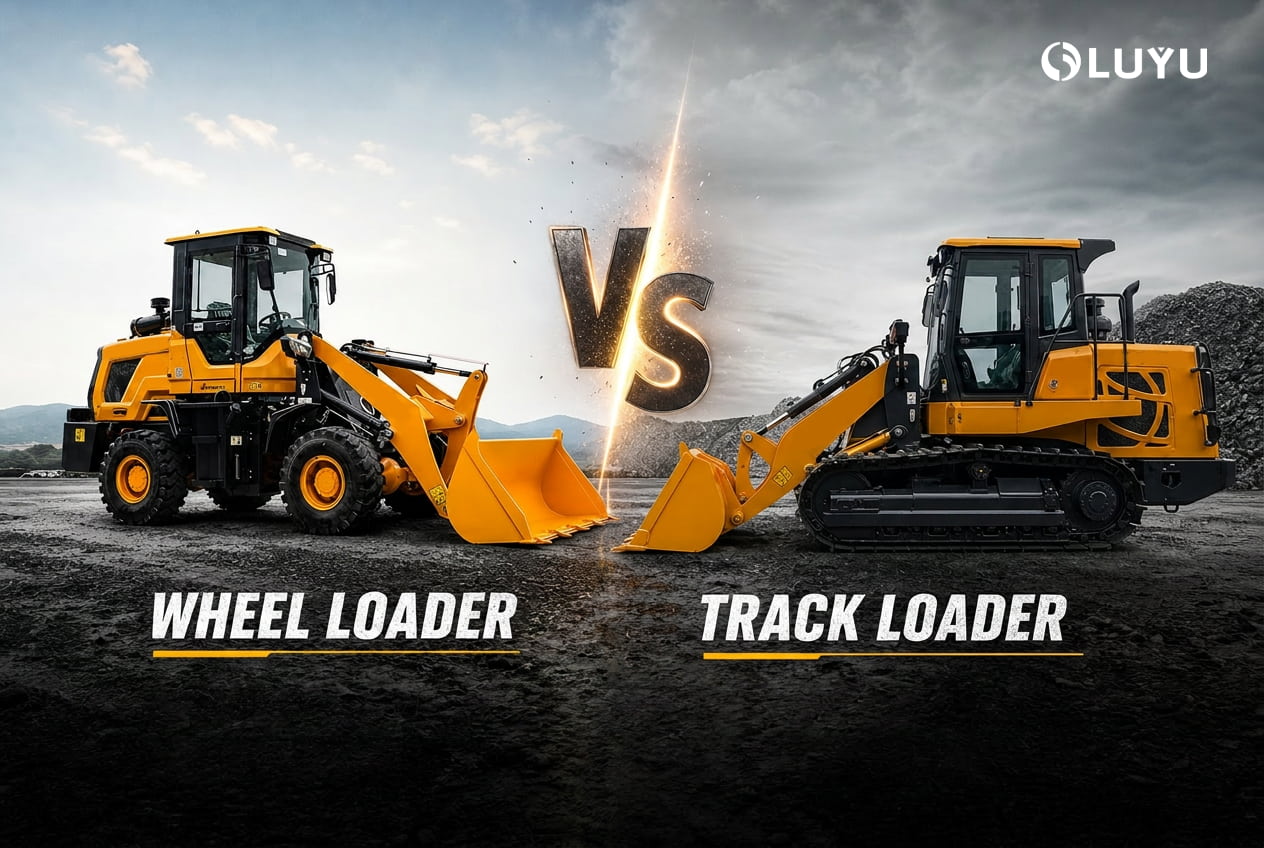
Wheel Loader vs. Crawler Loader: Which One Suits Your Working Conditions?
If you've spent any time on a job site—whether it's a muddy farm or a busy material yard—you already know loaders are everywhere. But honestly, it usually comes down to two specific beasts: wheels versus tracks. Sure, on paper, they both carry, move, and dump stuff. But that's where the setup ends. The way these things are built at the factory pretty much forces you to use them in totally opposite environments.
Don't just heavy-hand a purchase based on price alone. You really need to look under the hood at how wheels and tracks split hairs on engineering, pure grunt power, and day-to-day use. Getting a handle on these differences beforehand saves you from buying a machine that looks great on paper but sucks on your actual job site.
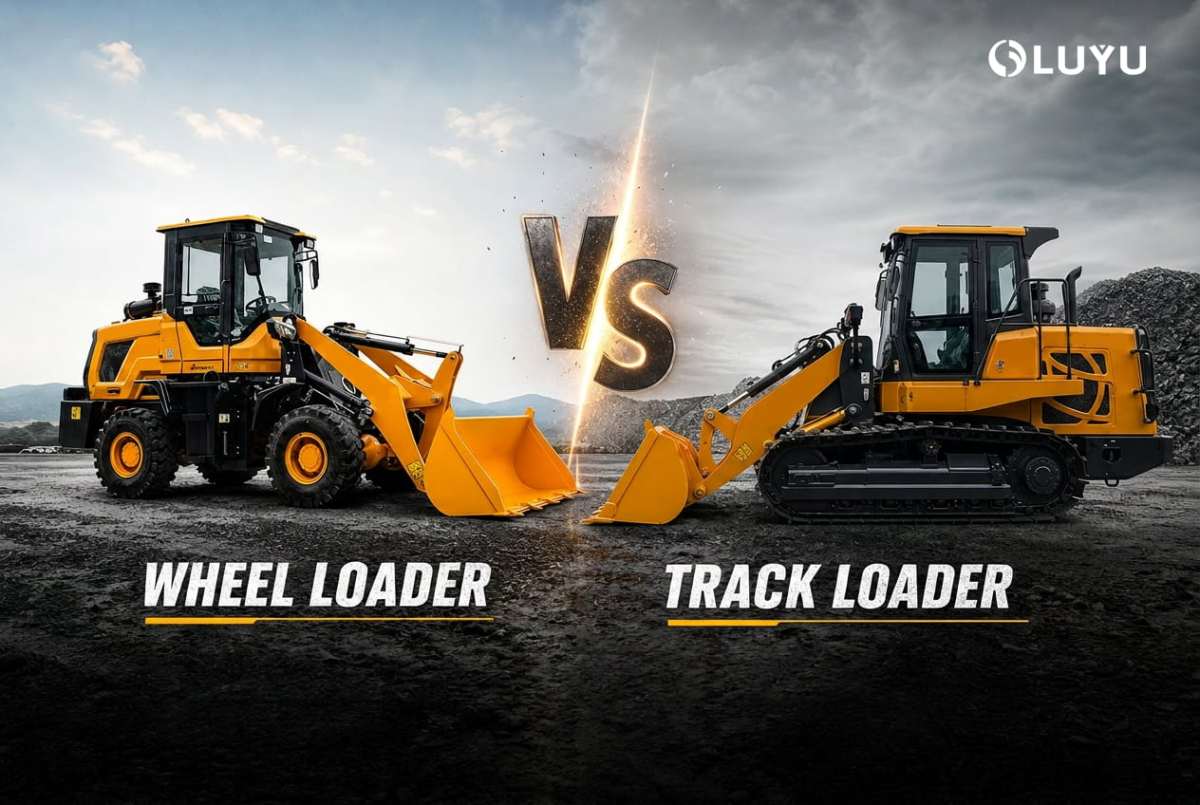
What's a Wheel Loader?
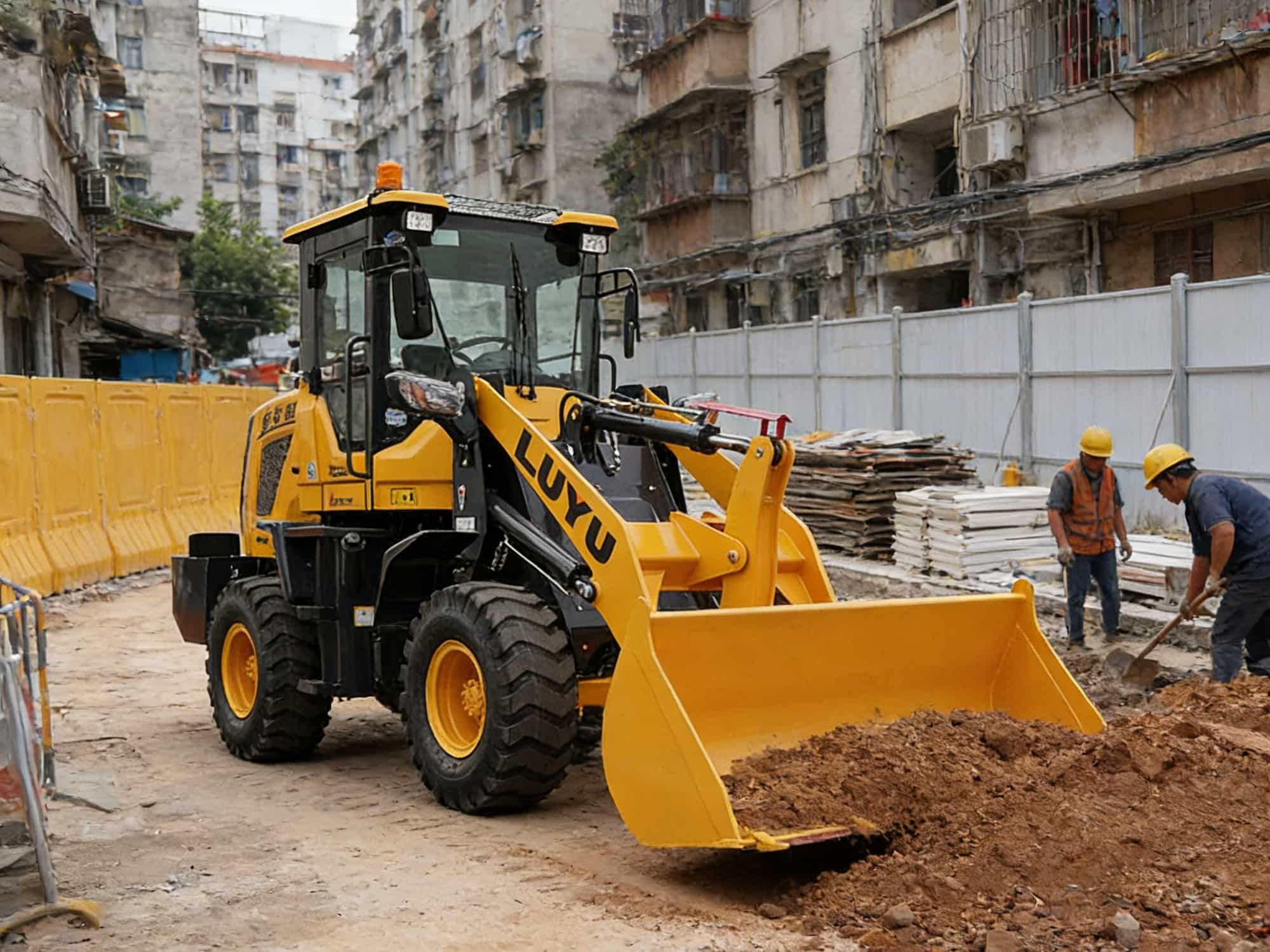
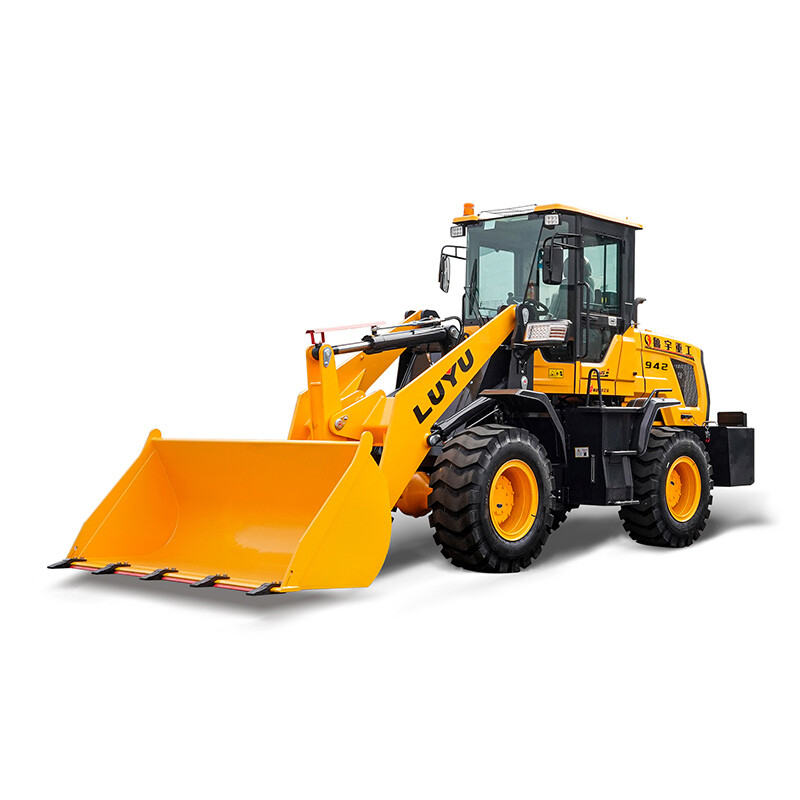
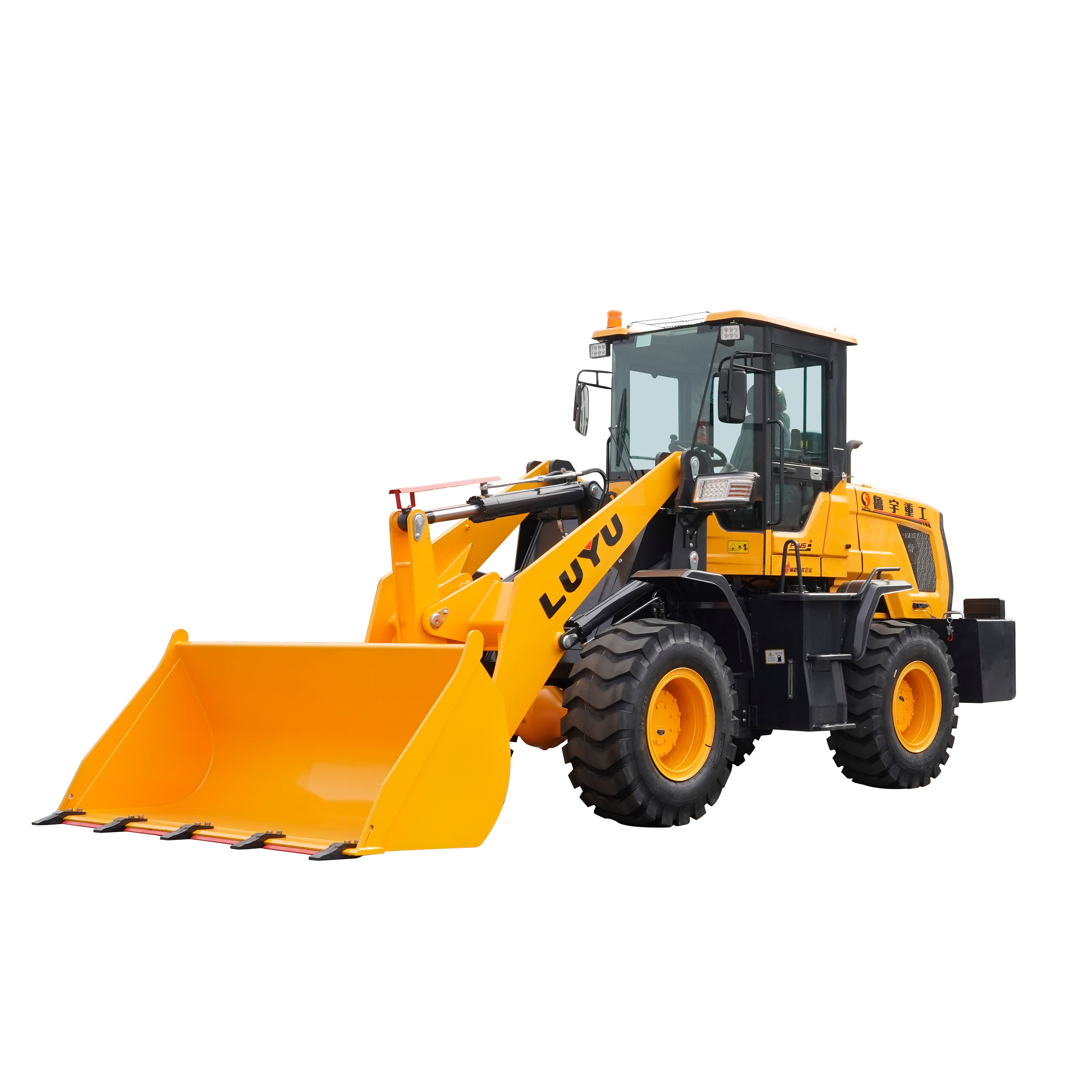
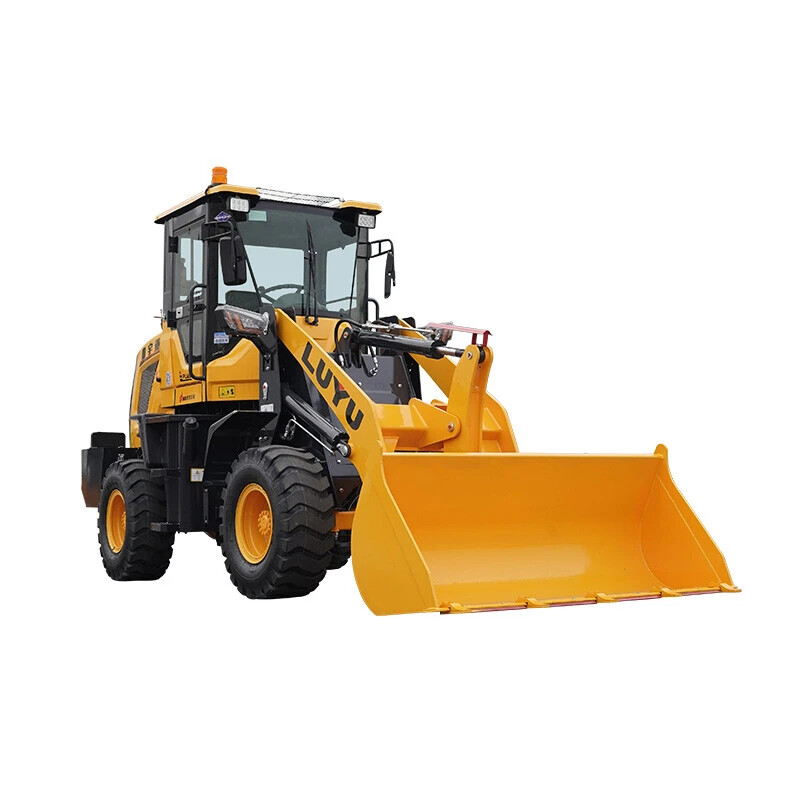
Picture a wheel loader as a massively upscaled truck with a massive scoop on the front. That's essentially what it is. It rolls on big rubber tires, and the front boom handles all the heavy lifting. There are no tracks here—steering and getting around depend entirely on those tires grabbing the dirt.
Because its chassis is closer to a regular vehicle, a wheel loader feels nimble. You can also equip it with different tire sizes, buckets, and attachments to match various loading tasks.
What's a Crawler Loader?
A crawler loader moves through track-to-ground contact. It also uses a front boom and bucket to load, carry, and clear materials.
That tracked undercarriage is the real difference-maker. More ground contact changes how the machine behaves, especially when the ground under you gets soft or uneven.
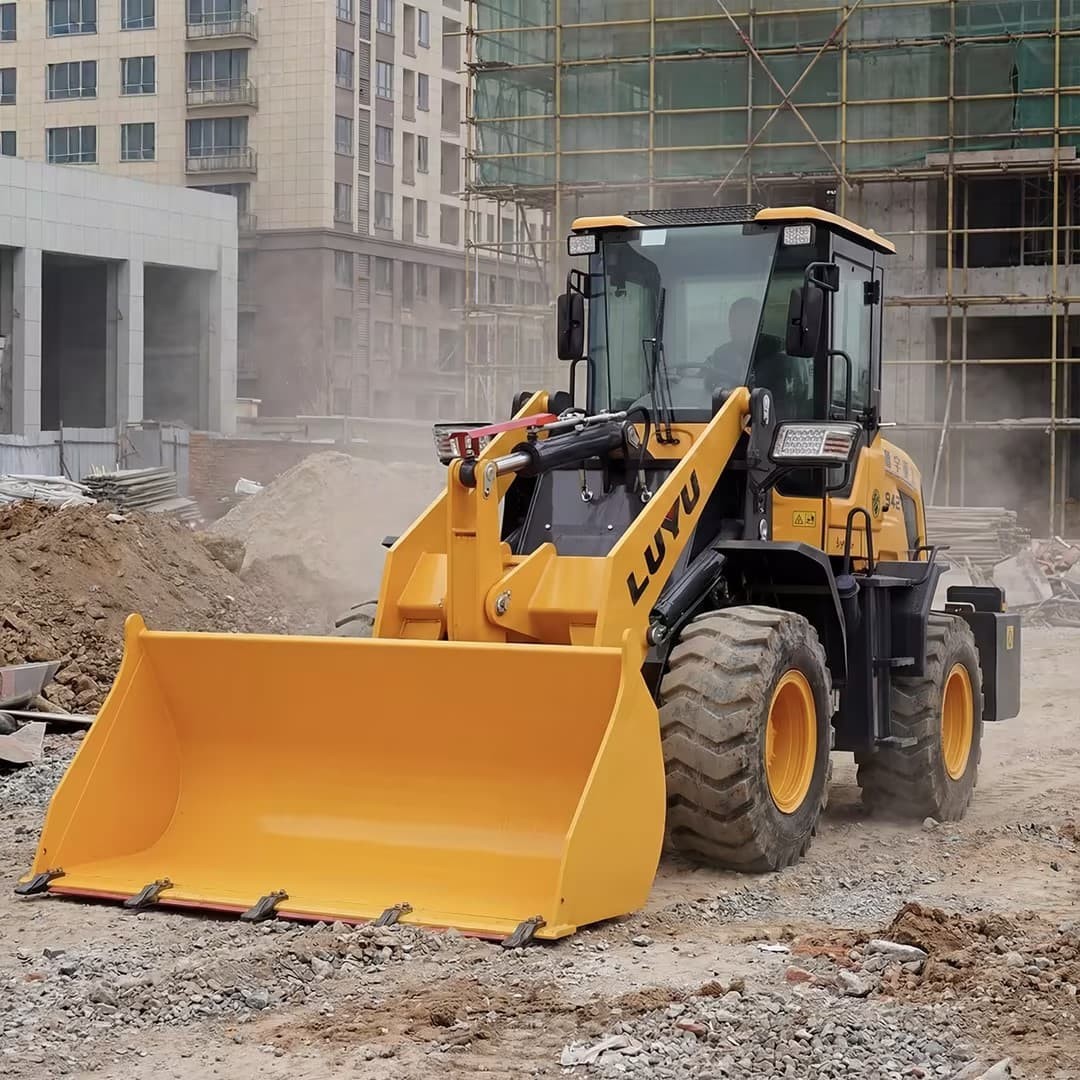
Key Differences Between Wheel Loaders and Crawler Loaders
1. Movement
Wheel loaders run on tires. They're fast and easy to turn, which makes them a natural fit for jobs that need frequent repositioning.
Crawler loaders move on tracks. They travel more slowly, but they provide better stability on uneven or soft surfaces.
2. Ground Adaptability
Wheel loaders are better suited for paved surfaces, stockyards, farm roads, and construction sites.
Crawler loaders perform better on muddy ground, soft soil, mining areas, or rough terrain.
3. Work Applications
Wheel loaders lean toward truck loading, material handling, and on-site transfer tasks. They suit fast, daily operations.
Crawler loaders are better at pushing materials, ground leveling, and working on complex terrain. They are suitable for jobs that require stronger traction
4. Maintenance Cost
Wheel loaders have a relatively simple structure. Tires are easy to maintain and replace, so your long-term costs stay easier to control.
Crawler loaders tend to bring higher maintenance costs if they spend long hours working on muddy ground, gravel, or paved surfaces.
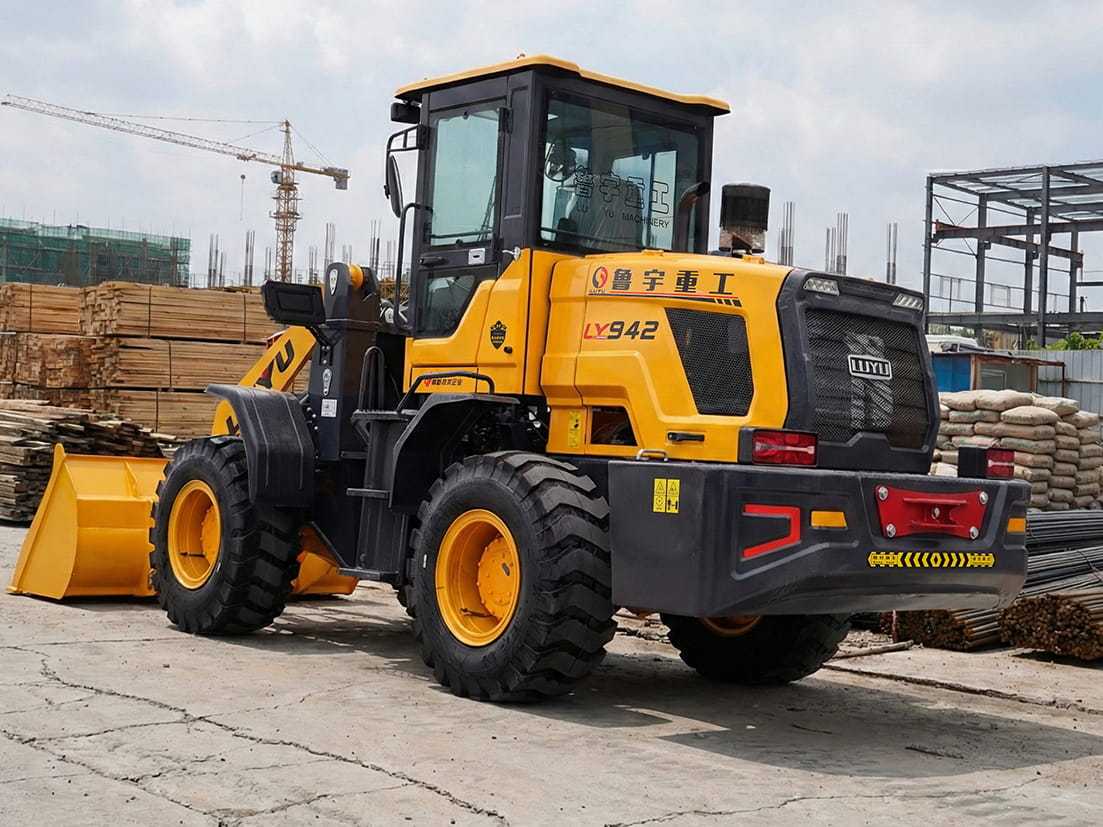
Which One is Right for You?
Choose a wheel loader when you need to move frequently between flat, well-paved areas. It supports more efficient, fast-paced work, easier site transfers, and relatively lower operating costs.
Choose a crawler loader when you’re facing soft, rough, or uneven ground. It gives you better performance and safer operation, with stability and terrain adaptability as its standout strengths.
Which Setup Fits Your Daily Routine?
Skipping the complex undercarriage tracking means you avoid a massive mechanical headache right out of the gate. That's exactly why a compact wheel loader usually makes the most sense for daily chores on standard farms, light job sites, or municipal maintenance routes. It keeps tasks like loading, clearing, and moving dirt completely straightforward. If that sounds like your daily routine, a practical line like OXPLO wheel loaders fits the bill perfectly. The design focuses on uncomplicated mechanical controls and fast attachment swaps, letting you tackle different materials without giving yourself a fleet logistics nightmare.
 facebook
 twitter
 linkedin
 What can 2ton loaders be used for?A 2-ton wheel loader is actually one of the most practical machines you can have on a farm, especially for small to medium-sized operations like farms, ranches, or plantations. What makes it so useful is simple.
 Stop Wasting Labor: How the LUYU LY942 Farm Wheel Loader Changes the Game for Livestock BarnsIf you’ve been scrolling through listings looking for a solid compact loader for sale, you’re probably looking for something that can actually handle the grunt work without costing a fortune. That’s exactly where the LUYU LY942 Compact Wheel Loader comes in. It’s small, it’s tough, and it’s basically built to do the chores you hate.
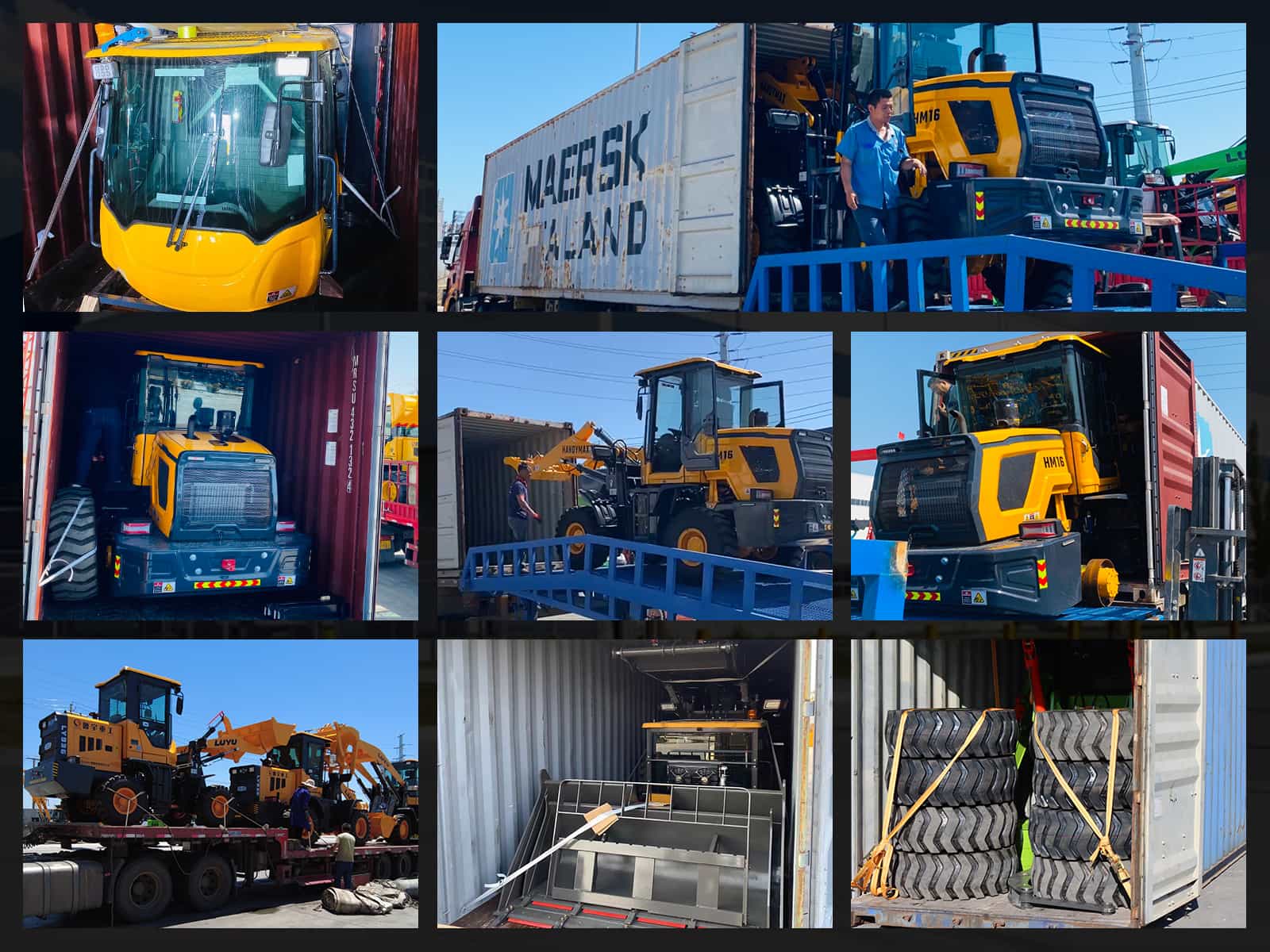
 What China's Wheel Loader Export Data Tells Us About the Global Market in 2026According to the latest data released by China Customs, China exported 65,323 wheel loaders from January to April 2026, with total export value reaching approximately USD 1.47 billion. Export volume increased by 54.34% year-on-year, while export value rose by 26.54%. Chinese wheel loaders were shipped to 195 countries and regions during the period.
 10 Units of Loaders Delivered to Colombia: Euro 3 Compliance Ensures Reliable PerformanceLUYU delivers 10 Euro 3 compliant wheel loaders to Colombia, ensuring reliable performance in construction and material handling. Explore LUYU loaders for sale.
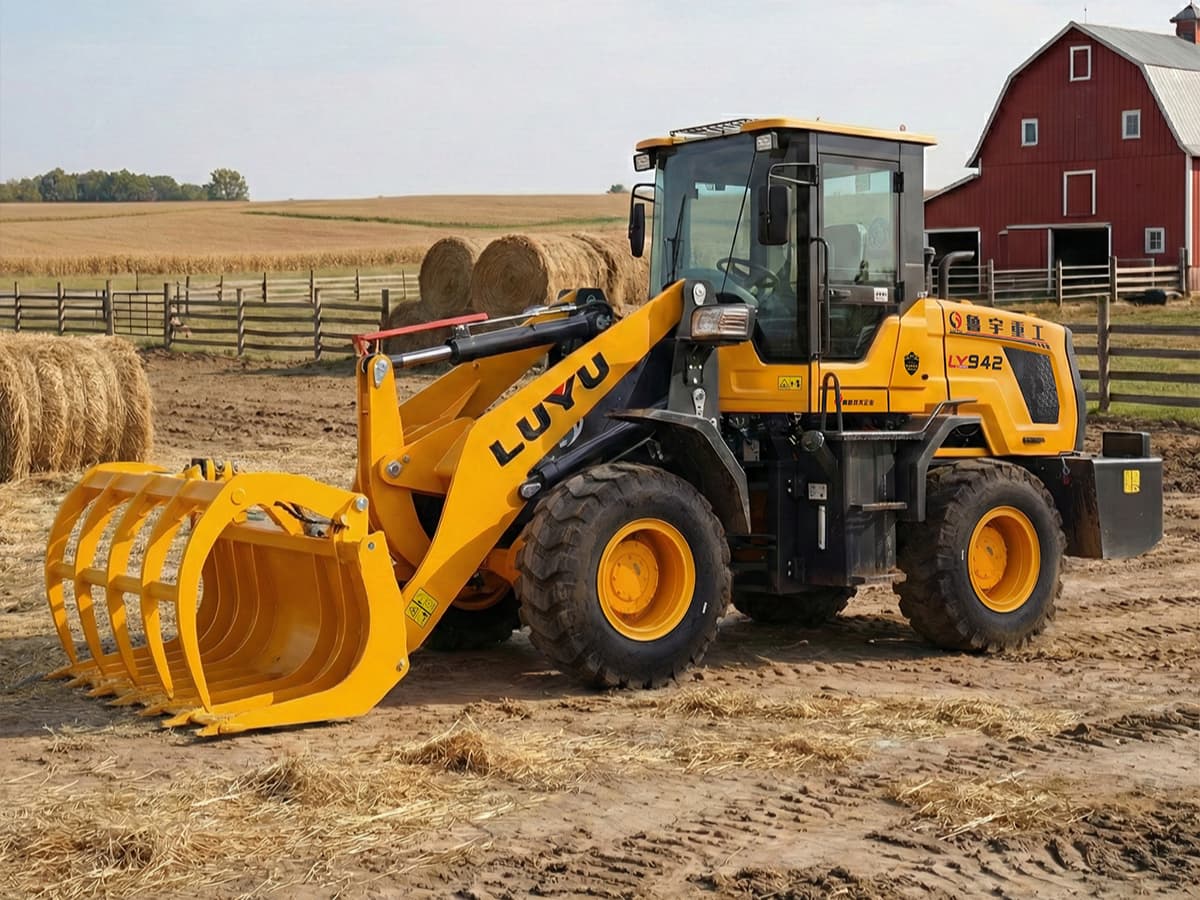
 LY942 Compact Wheel LoaderThe LY942 Compact 2ton wheel loader also has great uses and functions in the agricultural field, which can improve agricultural production efficiency and reduce labor intensity.
 LY946 Mini Wheel LoaderLuyu machinery adopts high quality materials and advanced manufacturing technology. Combine best practices in construction machinery manufacturing to ensure that every loader meets quality standards. LY946 2.5ton small wheel loader is a very practical wheel loader, through the quick change device can achieve a multi-purpose machine, can play a key role in various fields.
 932 Wheel LoaderThe 932 wheel loader is easy to operate and allows the driver to get started quickly. The joystick, pedals and buttons are all optimized to improve the accuracy and efficiency of the operation.

Send Your Inquiry