






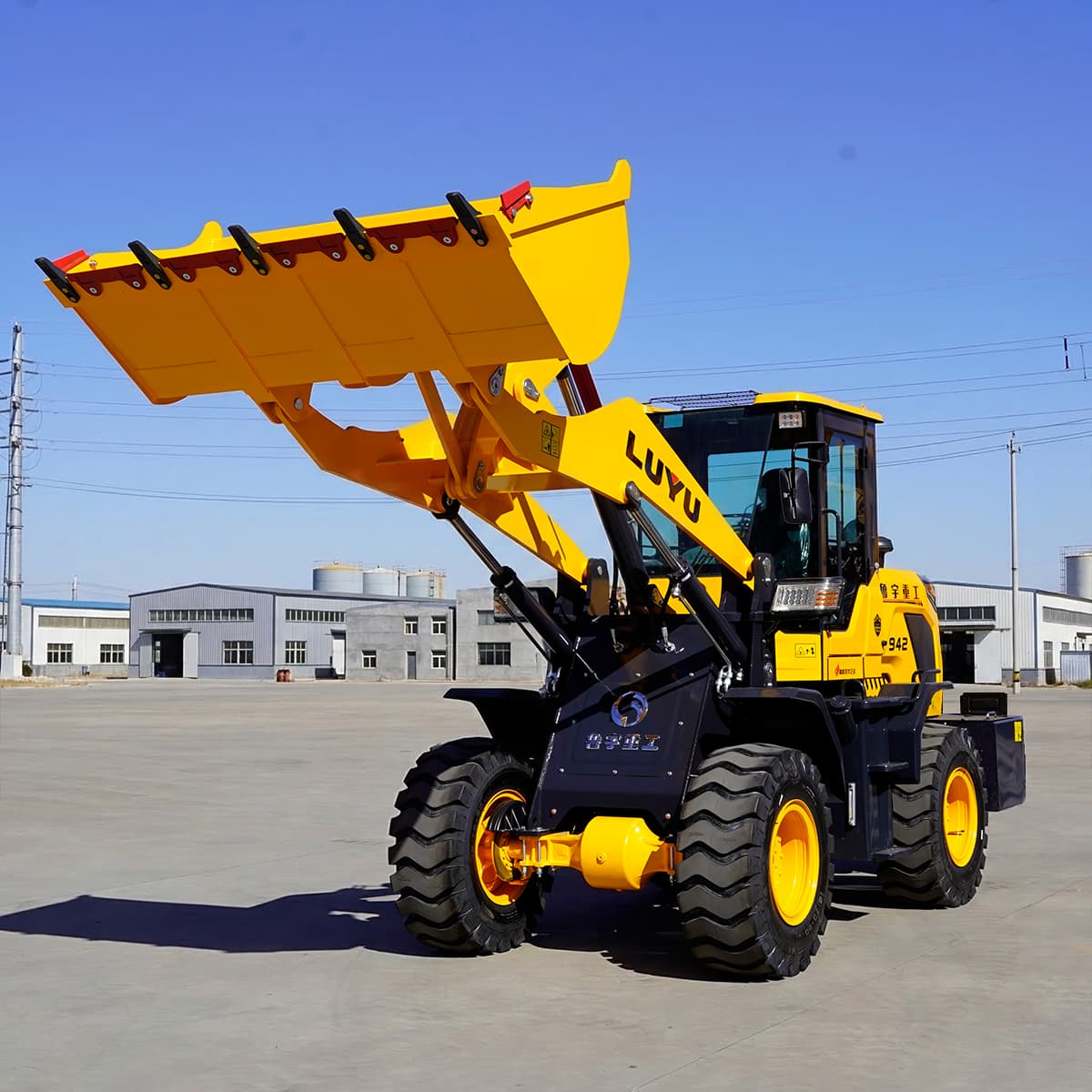
Wheel Loader Specifications: How to Choose the Right Dump Height
For dealers, farm owners, and small-project managers, a wheel loader's dump height is a key factor in how well it matches receiving equipment like dump trucks and hoppers. It can also affect loading and unloading efficiency. This is especially important in applications involving taller vehicles or hoppers. An unsuitable dump height can restrict the machine's functionality and may even necessitate reconfiguring other equipment.
Drawing on years of experience working with dealers and end users across global markets, LUYU has developed practical expertise in wheel loader selection and customization. This article covers the basic concept of dump height, practical selection methods, and key structural and hydraulic considerations for customized machines. The aim is to help buyers choose a suitable wheel loader configuration based on their operating requirements and reduce purchasing risks caused by mismatched specifications.
1. First, What Is Dump Height?
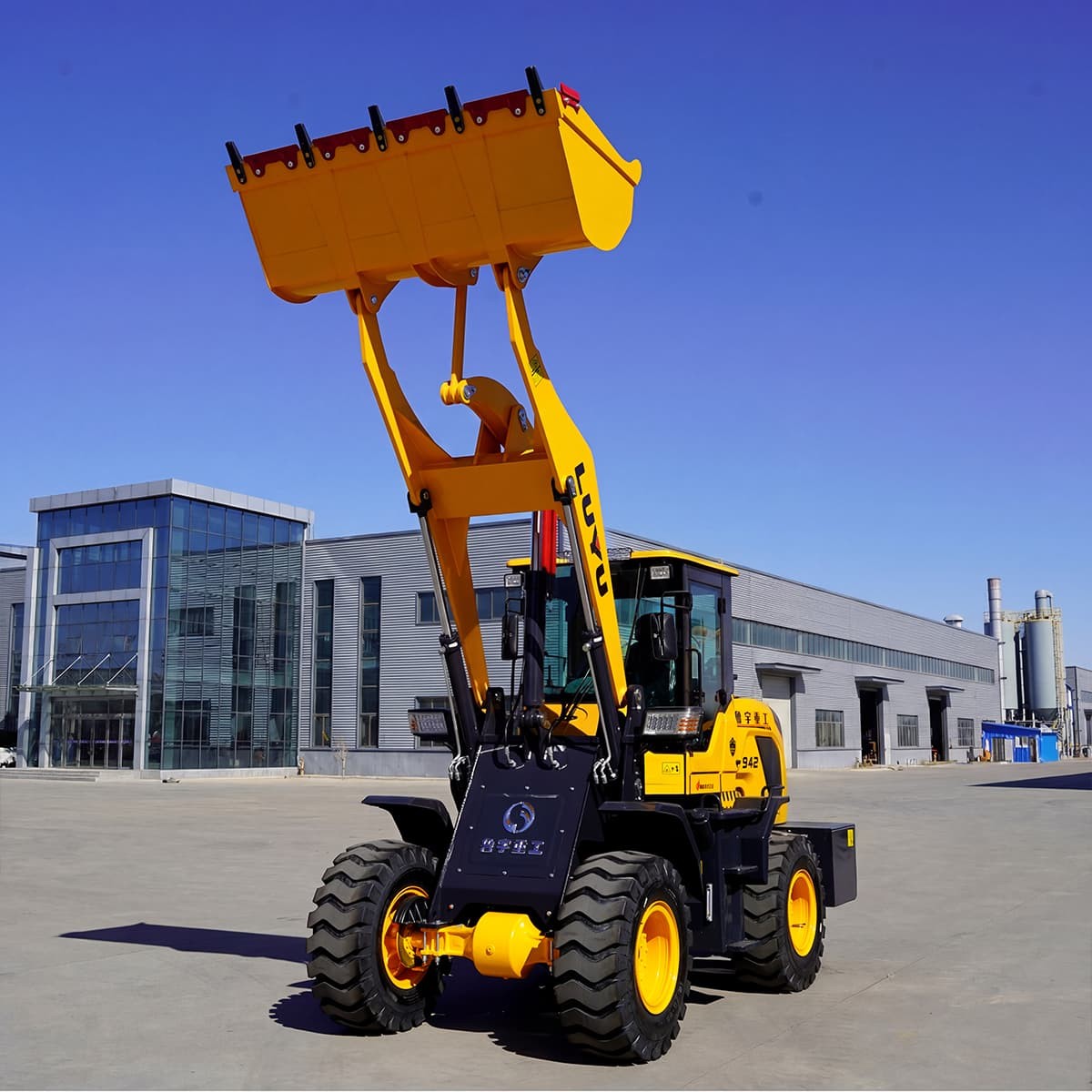
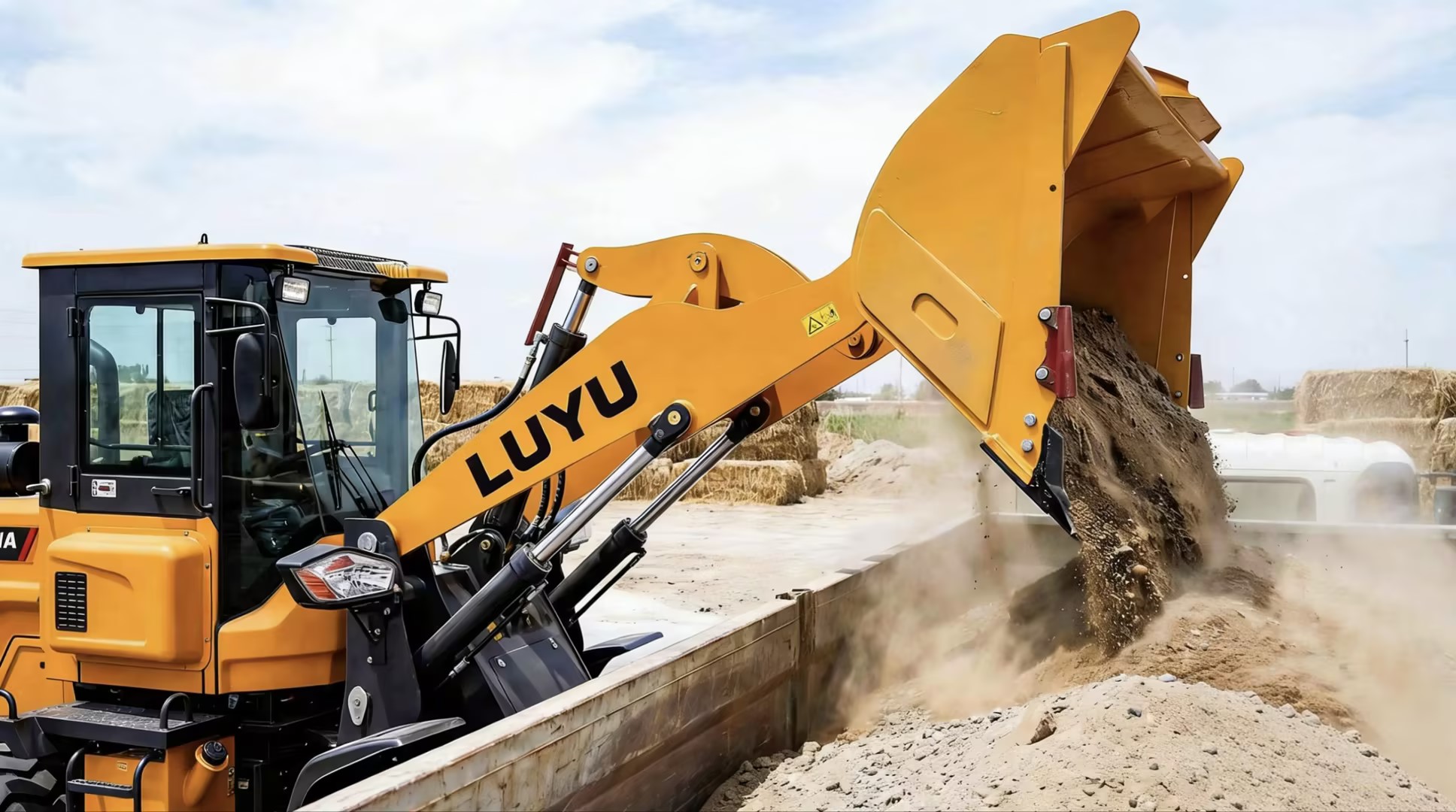
Dump height is the vertical distance from the ground to the bucket's discharge point when the bucket is at a specified dumping angle. However, different manufacturers may use varying measuring points and operating conditions, so always check the wheel loader specifications when comparing different models.
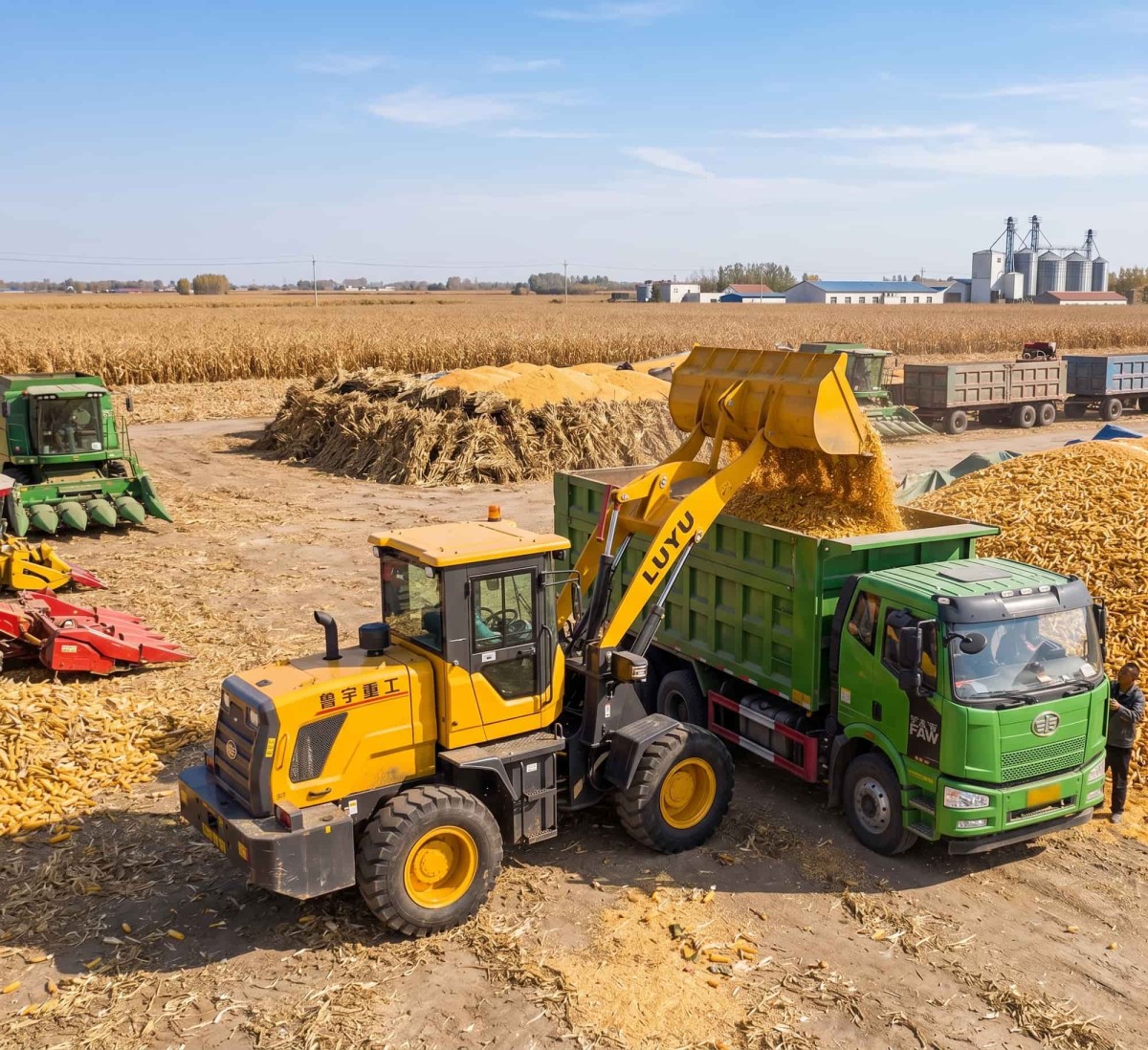
Dump height directly affects whether a wheel loader can discharge material smoothly into dump trucks, hoppers and other receiving equipment. If the height is insufficient, the bucket may not be able to clear the side of the truck body or hopper properly, affecting normal unloading. For this reason, selection should not be based solely on rated load and bucket size. The receiving height of the target vehicle or equipment and the dump reach should also be considered.
2. How Do You Choose the Right Dump Height? Three Steps
Step 1: Measure the Actual Receiving Height
First, confirm the receiving height of the dump truck, hopper or other equipment that the wheel loader will be loading. Relevant wheel loader dimensions, the dumping angle, ground conditions and working position should also be taken into account. Rather than requiring an exact match between dump height and receiving height, a reasonable clearance should be based on your specific site conditions.
Step 2: Determine Whether a Standard Model Meets the Requirements
Compare the measured receiving height with the wheel loader's dump height and dump reach. If a standard model meets the requirements, a conventional configuration can be selected. Otherwise, a customized solution is worth considering.
To meet unloading requirements, evaluate the lift arms, linkage, and hydraulic system for any necessary adjustments.
Step 3: Confirm the Customization Plan and Delivery Schedule
For any customization needs, confirm the modification scope, technical specs, and delivery timeline directly with the manufacturer. The production time may differ between simple configuration adjustments and customization involving structural modifications. Buyers should therefore confirm the specific solution and delivery plan with the manufacturer before placing an order.
3. What Should Be Considered When Customizing Dump Height?
If a standard model falls short, don't simply focus on increasing dump height. Also evaluate the machine's structure, hydraulic system, and after-sales support.
1. Structural Strength and Stability
Adjusting the lift arms or linkage can change the way loads are distributed throughout the machine. Structural strength, wheel loader lifting capacity and overall stability should therefore be reassessed to ensure that the machine can still meet operating requirements after the dump height has been increased.
2. Wheel Loader Hydraulic System Compatibility
Dump height is closely related to the lift cylinders and wheel loader hydraulic system. A custom solution must account for lifting speed, capacity, and working pressure. Simply raising the height can lead to slower cycles or excessive system load, so these factors must be balanced.
3. After-Sales and Technical Support
Customized equipment requires a higher level of technical communication and after-sales support. It's wise to purchase only from a manufacturer that can provide specification verification, a clear customization plan, and ongoing technical support. This is particularly important for dealers making bulk purchases, where long-term service capability should also be considered.
4. Frequently Asked Questions
Q1: Is a higher wheel loader dump height always better?
A1: No. Choose your dump height according to the trucks, hoppers, or other equipment you'll be loading—too low misses the unloading mark, too high wastes money. The most suitable choice is a height that matches the operating conditions.
Q2: Will customizing the dump height affect the performance of the wheel loader?
A2: A well-engineered custom solution considers structural strength, wheel loader lifting capacity, the hydraulic system and overall machine stability rather than simply increasing the dump height. Before purchasing, buyers should confirm whether the manufacturer will properly match and assess the related configurations.
Final Thoughts
Dump height may seem like just one item in a wheel loader's specifications, but it directly affects how well the machine matches its actual working conditions. For users loading vehicles or hoppers of different heights, confirming this requirement in advance can help avoid compatibility issues during later use.
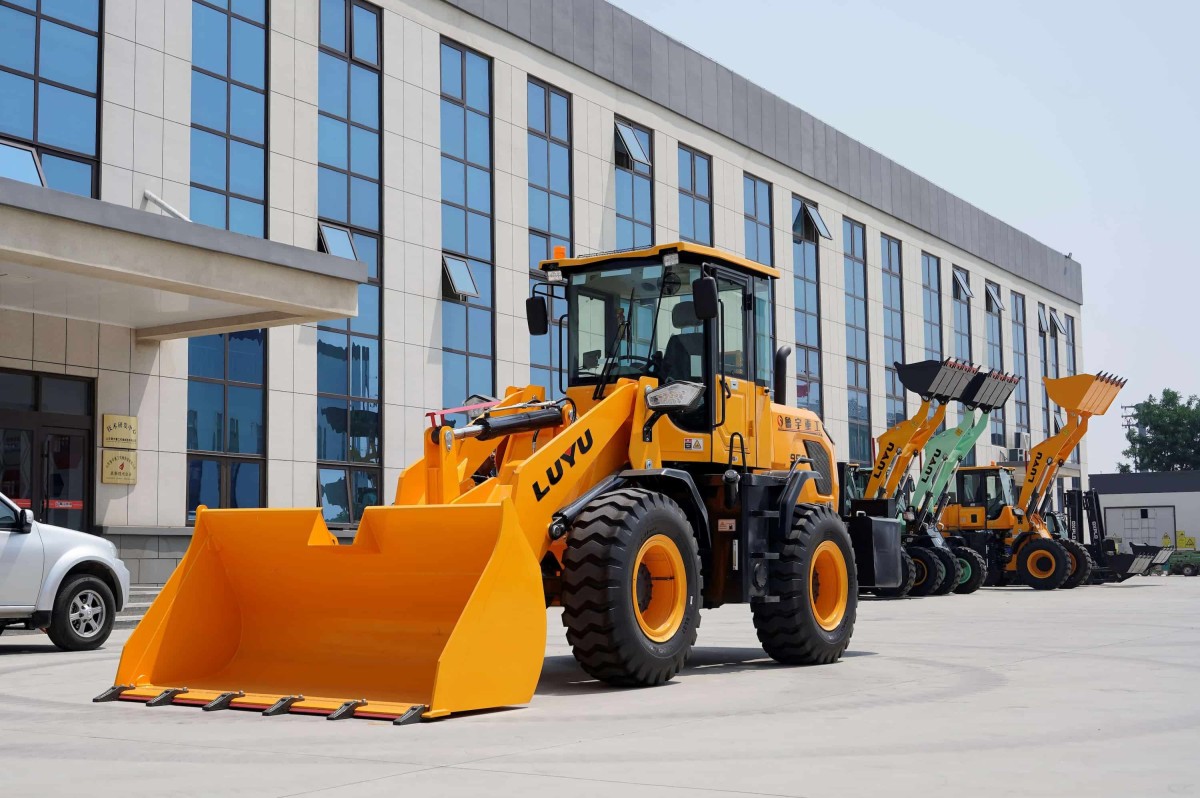
If you have specific requirements for wheel loader dump height or customized configurations, you can provide LUYU with information about the target vehicles, hoppers and operating conditions so that the technical team can further assess a suitable configuration.
 facebook
 twitter
 linkedin
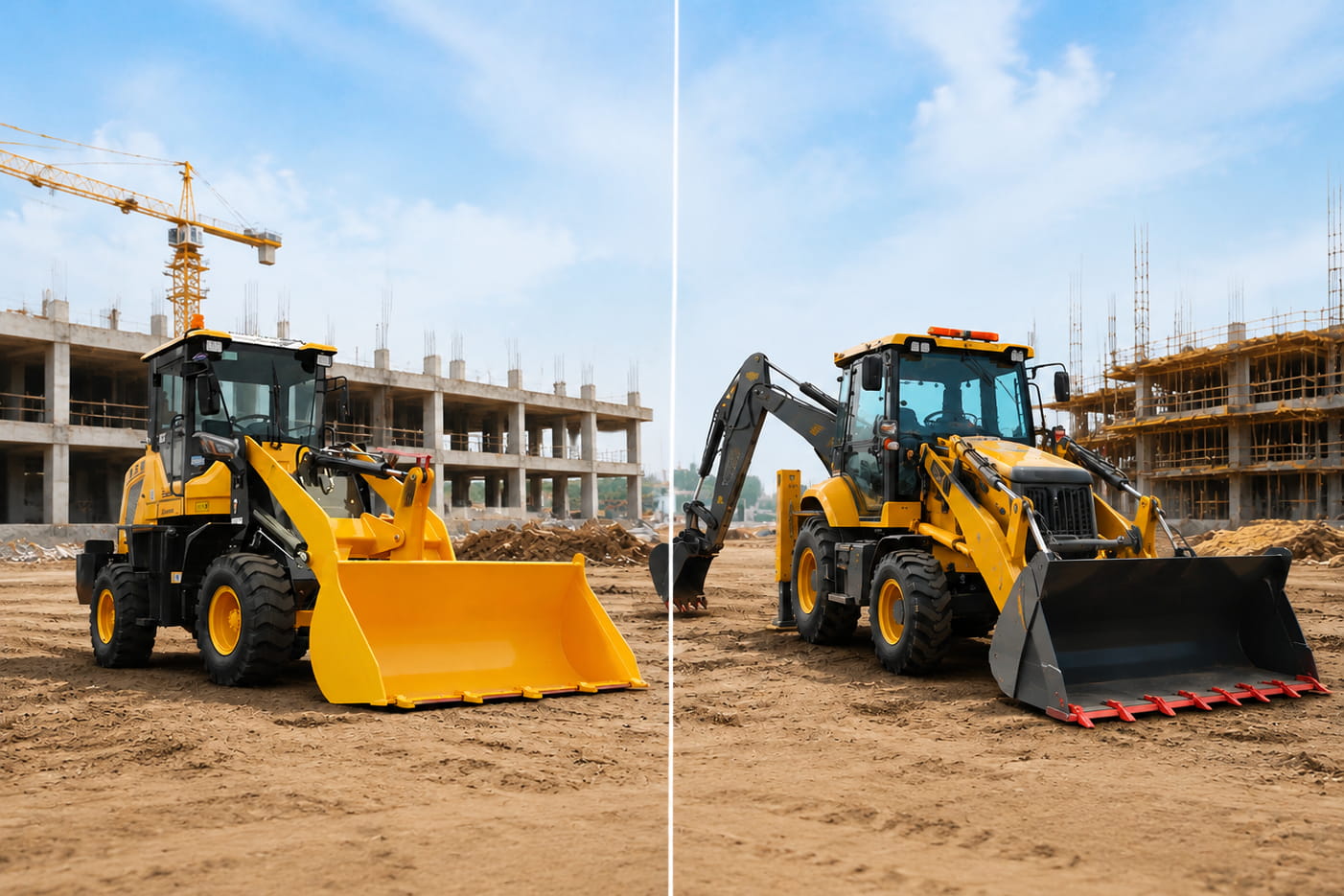
 Small Construction Projects: Should You Choose a Wheel Loader or a Backhoe Loader? A Comparative Buying GuideComparing a compact wheel loader vs backhoe loader for small job sites? Explore key differences, applications, and how to choose the right machine for your fleet.
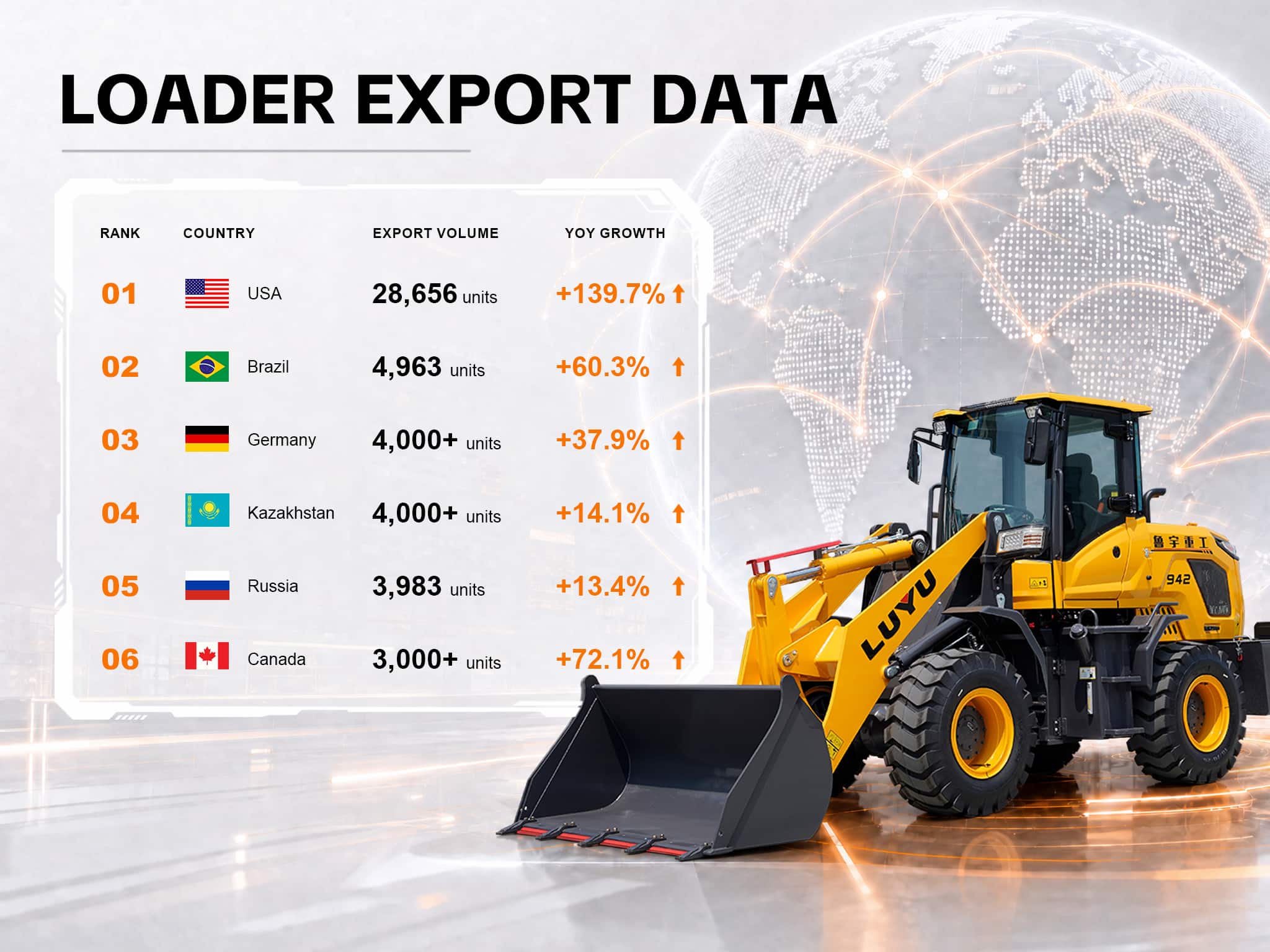
 China's Loader Exports Expand Globally in 2026, with Overseas Demand Reaching New HeightsChina's wheel loader exports surged in 2026, with over 100,000 units shipped in the first half. Explore global market growth, key destinations, export trends and pricing challenges facing Chinese construction equipment manufacturers.
 Why Structural Integrity is the Secret to Lowering 3 Ton Loader Maintenance CostsIn the heavy machinery industry, a 3 ton loader is often the unsung hero of the job site, balancing raw power with the agility of a compact wheel loader. However, experienced fleet managers know that even the most impressive wheel loader specifications mean nothing if the machine's frame can't handle the daily grind. At LUYU, we believe that structural integrity isn't just a design choice—it is the ultimate insurance policy against the rising costs of maintenance and downtime. This philosophy is perfectly embodied in our flagship model, the LY958.
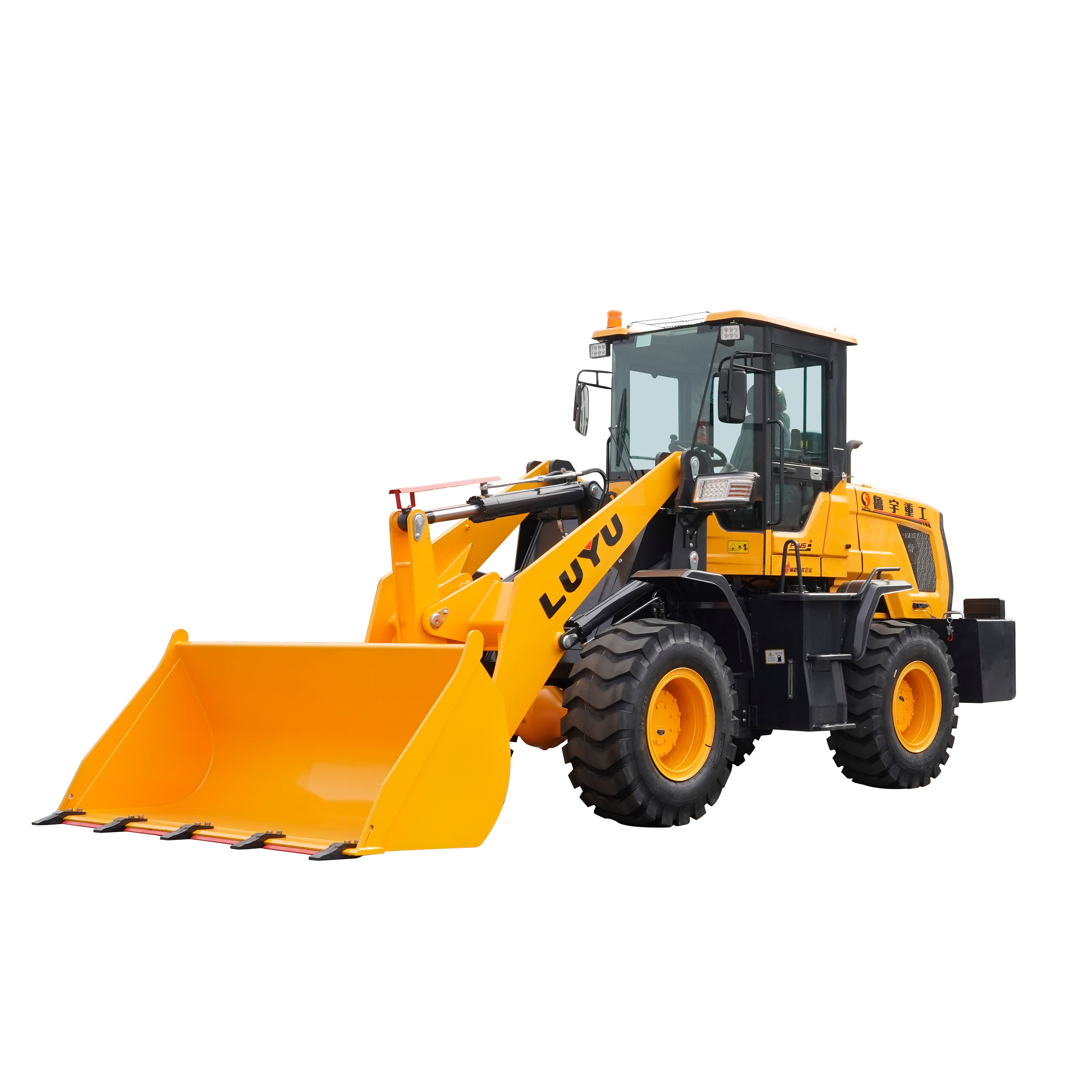
 LY946 Mini Wheel LoaderLuyu machinery adopts high quality materials and advanced manufacturing technology. Combine best practices in construction machinery manufacturing to ensure that every loader meets quality standards. LY946 2.5ton small wheel loader is a very practical wheel loader, through the quick change device can achieve a multi-purpose machine, can play a key role in various fields.
 LY919F Wheel Loader
 LY939L Mini Wheel LoaderThe engine power of the 939L Small Wheel Loader is 76KW, which can provide enough power to perform various loading and handling tasks, suitable for the requirements of different projects and sites, and also has high fuel efficiency.
 LY932 Mini Wheel LoaderLook for features such as a comfortable seat, easy-to-use controls, and safety features such as ROPS (rollover protection system) and FOPS (falling object protection system).

Send Your Inquiry