






China’s Tractor Exports: Growing Stronger in H1 2026
China’s tractor exports continued to grow in the first half of 2026, and mid- and high-horsepower models took a larger share. More telling was the rise in export value, which far outpaced growth in volume. This points to a move from larger shipments toward higher-value exports.
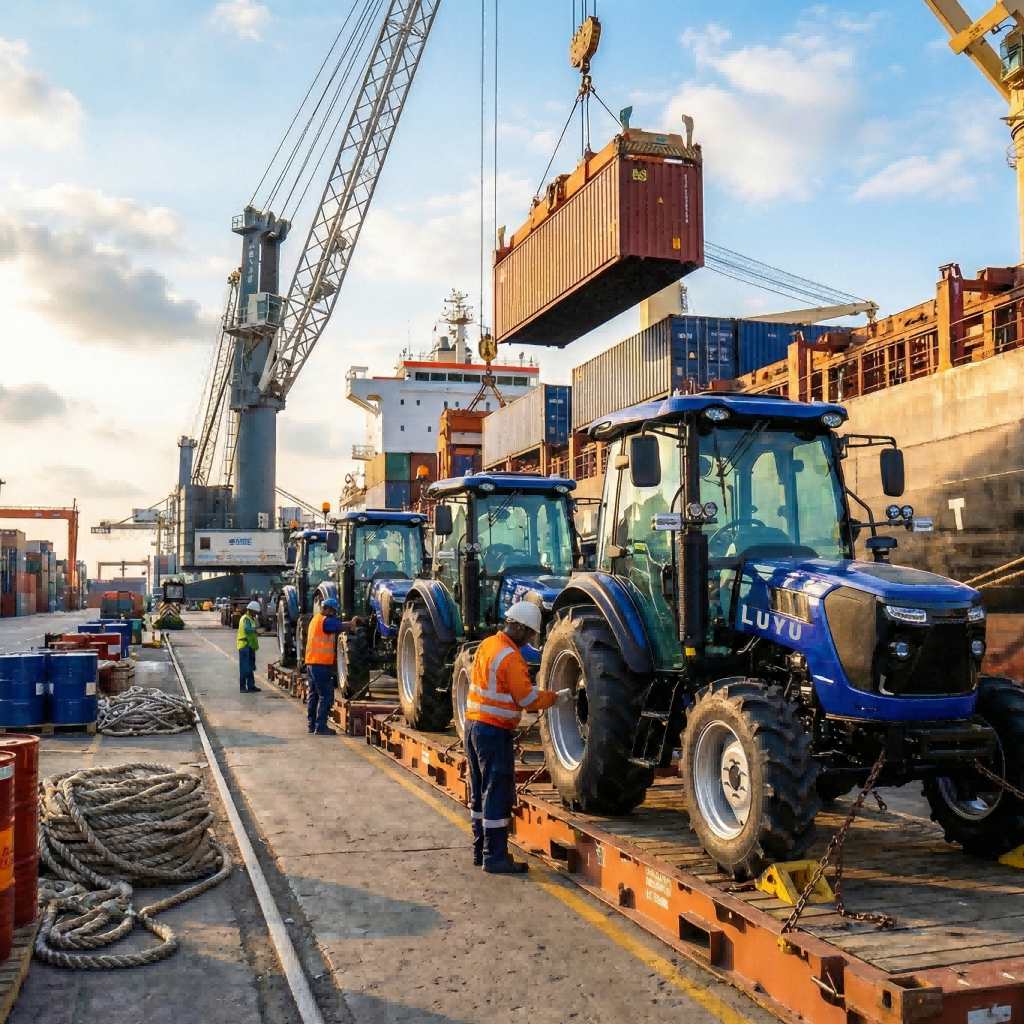
According to data released by China’s General Administration of Customs, the country’s tractor exports in the first half of 2026 reached 104,525 units, up 16% year on year. In terms of value, exports grew 23.6% year on year to RMB 5.381 billion. In the first six months of 2026, China exported 58% of its tractors to overseas markets in 2025 (178,900 units) and generated 61% of that year’s export value (more than RMB 8.867 billion).
The horsepower breakdown shows where growth was strongest. From January to June, exports reached 27,756 tractors in the 25–50 hp range, up 26% year on year; 17,634 in the 50–100 hp range, up 43%; and 9,940 in the 100–180 hp range, up 56%. As horsepower increased across these ranges, so did growth. Export momentum is shifting toward mid- and high-horsepower tractors.
The value ranking tells the same story. The 100–180 hp range accounted for RMB 1.662 billion, or 30.9% of the total, followed by 50–100 hp at RMB 1.549 billion (28.78%). And 25–50 hp came third at RMB 1.098 billion. The three ranges brought in RMB 4.31 billion, or 80.09% of the total. Their higher value per tractor gave them a bigger share of export value than of shipment volume.
Walking tractors, meanwhile, remained the largest single category by volume. About 34,000 were exported in the first half of 2026, accounting for 32.49% of all tractor shipments—four percentage points less than a year earlier. First-half exports have stayed above 30,000 units for six years and have generally made up around four in ten tractors. Yet both volume and share have fallen over the past two years. If the 25–50 hp range keeps growing quickly, it could eventually take the lead.
The gap between volume and value also appears in destination rankings. Bangladesh led by volume with nearly 11,000 tractors, followed by Ukraine, Poland, Brazil, Indonesia and Russia. By value, however, the result is completely different. Brazil led with nearly RMB 400 million, with Ukraine, Indonesia, Russia, Argentina, and Kazakhstan also among the top markets. But Bangladesh did not make the top ten. Product mix may explain the difference. Bangladesh imports large numbers of smaller and mid-range tractors, which bring in less value per machine. Brazil, Ukraine and Russia appear to import more mid- and high-horsepower models.
China’s tractor exports gathered pace in the first half of 2026. With both volume and value already near 60% of their full-year 2025 totals, strong overseas demand could push annual exports to a new high. The mix is changing too. Walking tractors have led by volume for six years, but their lead is weakening. Mid- and high-horsepower models have gained ground abroad thanks to their competitive value, and the average export price has risen.
Export value has continued to grow faster than volume. This points to a shift toward higher-horsepower tractors, rather than a short-term rise in average price. If the trend holds, Chinese exporters could compete more on product value and demonstrate a position in the global agricultural machinery supply chain.
DATA REFERENCE:
1. China’s General Administration of Customs
2. www.nongjx.com
3. https://news.nongji360.com/
 facebook
 twitter
 linkedin
 2026 Comprehensive Tractor Buying Guide: Full Analysis for Agriculture, Landscaping, and ForestryWhen browsing agricultural tractors for sale, most folks fixate on horsepower—but at Luyu, we know the real story happens in the field. Whether you need a nimble "Agility King" or a heavy-duty "Field Workhorse," this tractor buying guide looks beyond the specs to help you find a high-performance multi purpose tractor that actually moves the needle on your specific job site.
 A Beginner's Guide to Choosing a Tractor for a Small FarmLearn how to choose a small tractor for your farm. Compare horsepower, transmission, 4WD, front loaders, hitch capacity, and other key specifications.
 What China's Wheel Loader Export Data Tells Us About the Global Market in 2026According to the latest data released by China Customs, China exported 65,323 wheel loaders from January to April 2026, with total export value reaching approximately USD 1.47 billion. Export volume increased by 54.34% year-on-year, while export value rose by 26.54%. Chinese wheel loaders were shipped to 195 countries and regions during the period.
 Small Power, Big Potential: Why 120HP-and-Under Tractors are Modernizing the Global FieldAs the market demands higher efficiency and sustainable ROI, Luyu Heavy Industry is positioned to lead the charge, offering the global smallholder economy a path to modernization that is both high-quality and high-value.
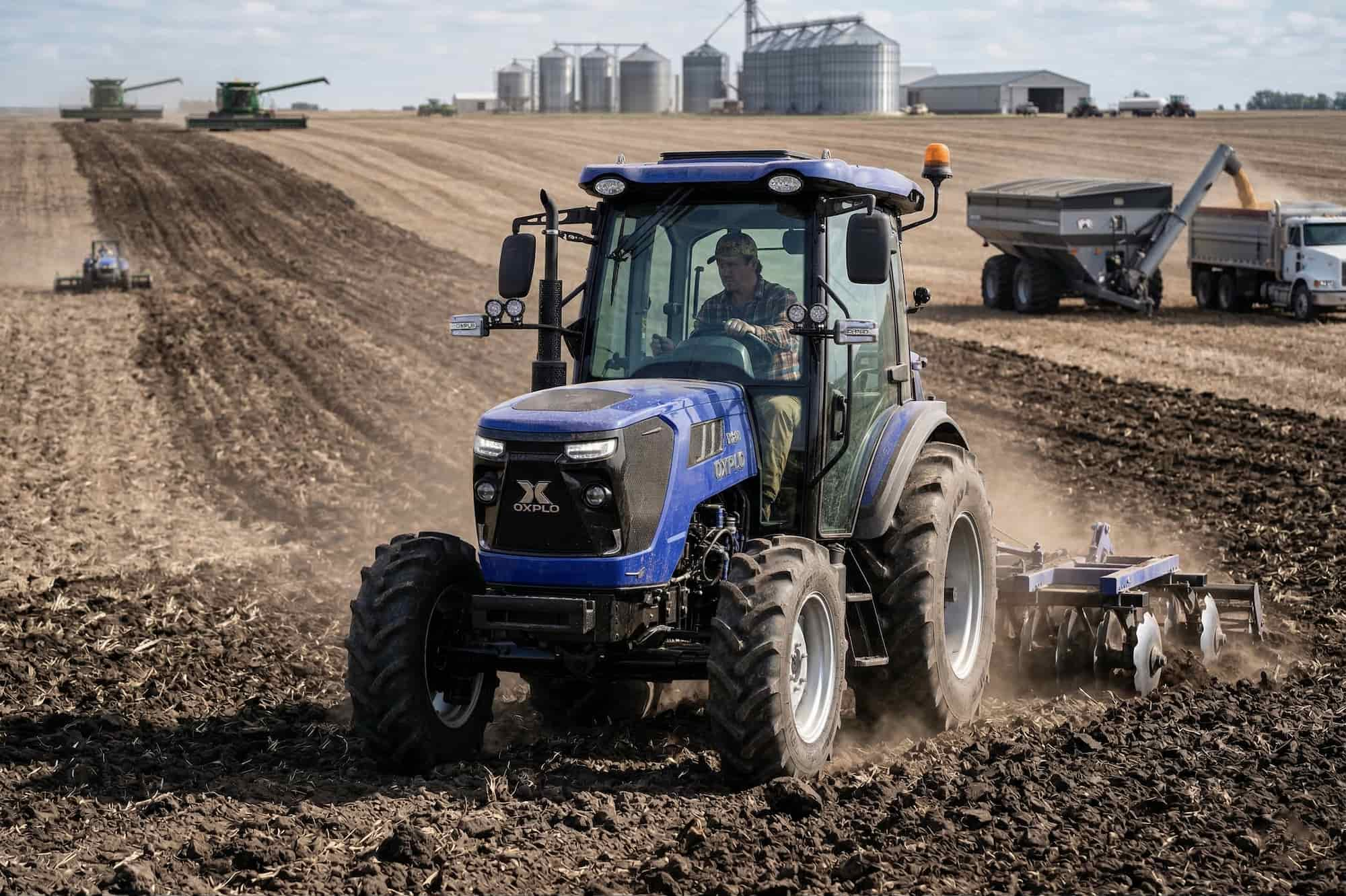
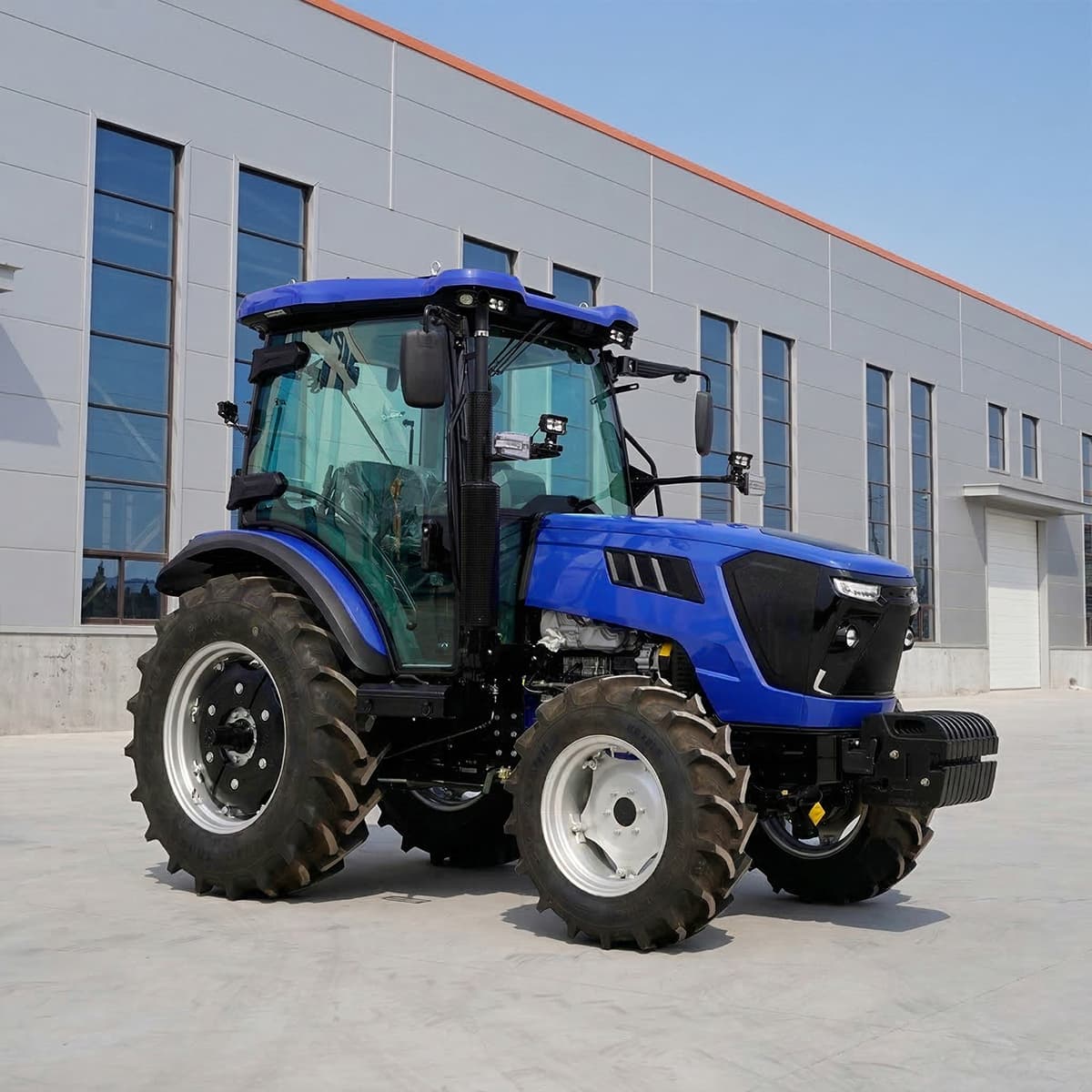
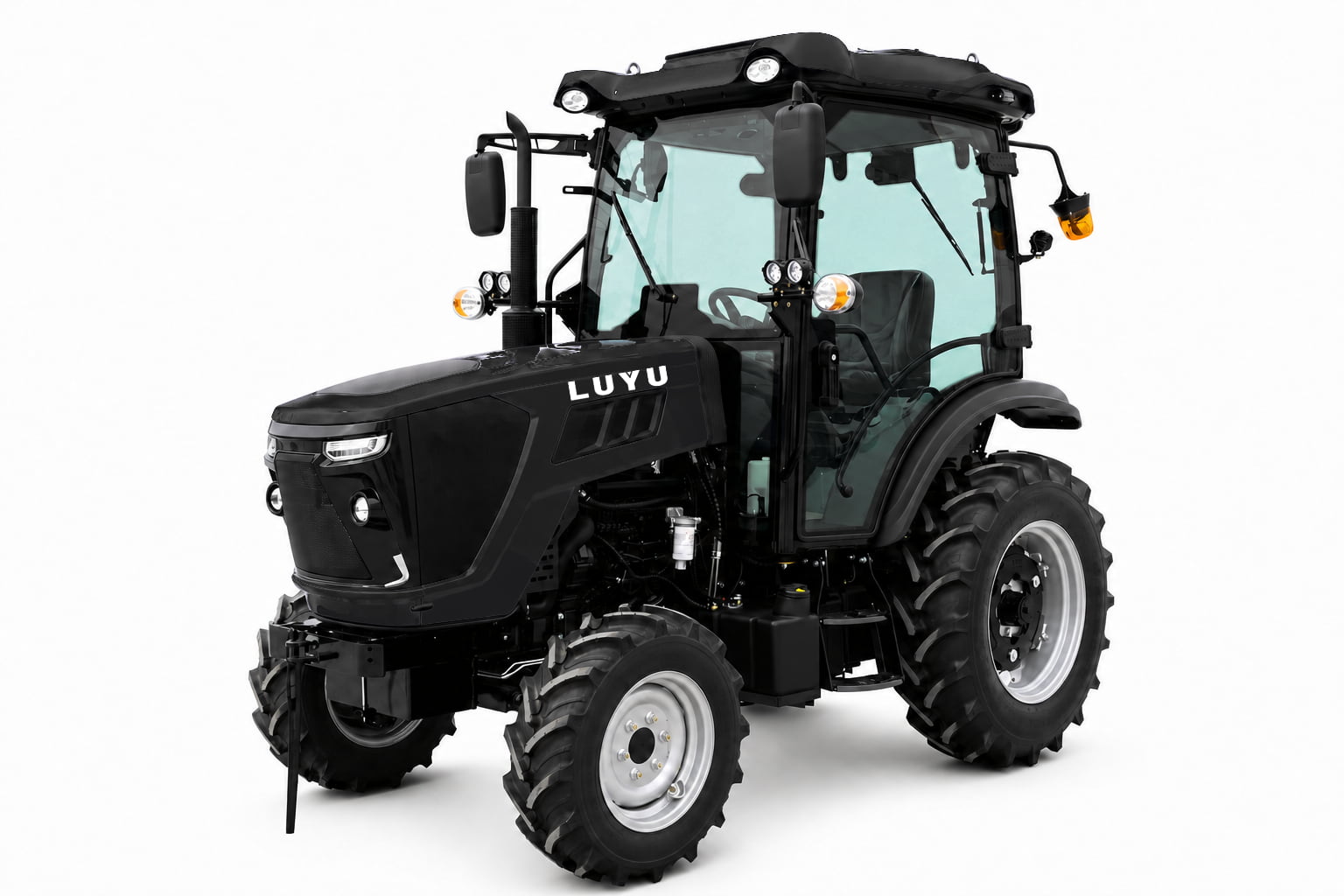
 OXT504 50HP Tractor50HP tractors have high horsepower but relatively high fuel economy for medium to long term operations.OXT504 Rated Power 50HP,37KW.Gear box 8+8.
 OXT254 25HP TractorThe market value of the 25hp lightweight tractor as a core production tool for small and medium-sized farms around the world lies in the extreme balance of power and cost.
 OXT754 75HP TractorThe 75 hp tractor is suitable for heavy duty work such as deep plowing, cultivation and large farm equipment operation with stable power output.
 OXT1004 100HP TractorDue to their power and adaptability, 100hp Large tractors are very popular in agriculture, gardening, and engineering.

Send Your Inquiry