






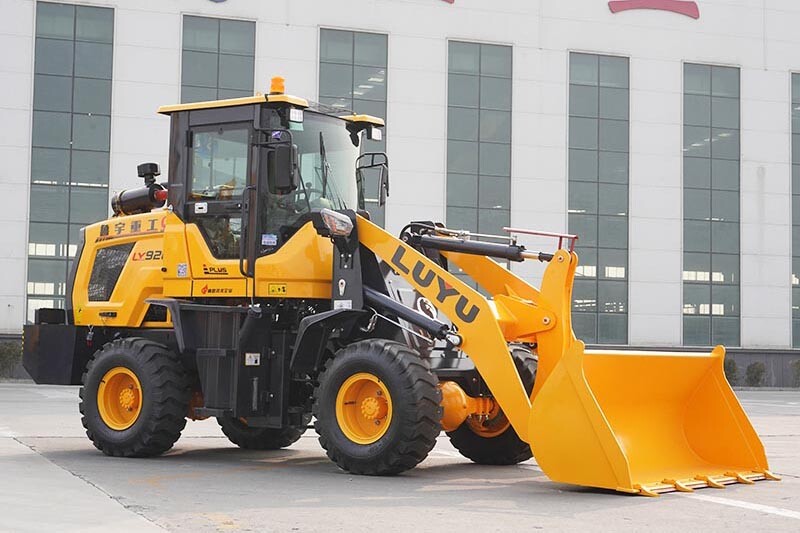
7 Tips to Keep Your Wheel Loader Running Strong
A wheel loader is a tough piece of gear, but it's not indestructible. How you run it and how you look after it makes all the difference between a machine that lasts and one that's always in the shop.
If you're putting it to work every day, a few good habits can go a long way. They'll help you dodge costly breakdowns and get the most out of your investment. Here's the real-world advice that counts.
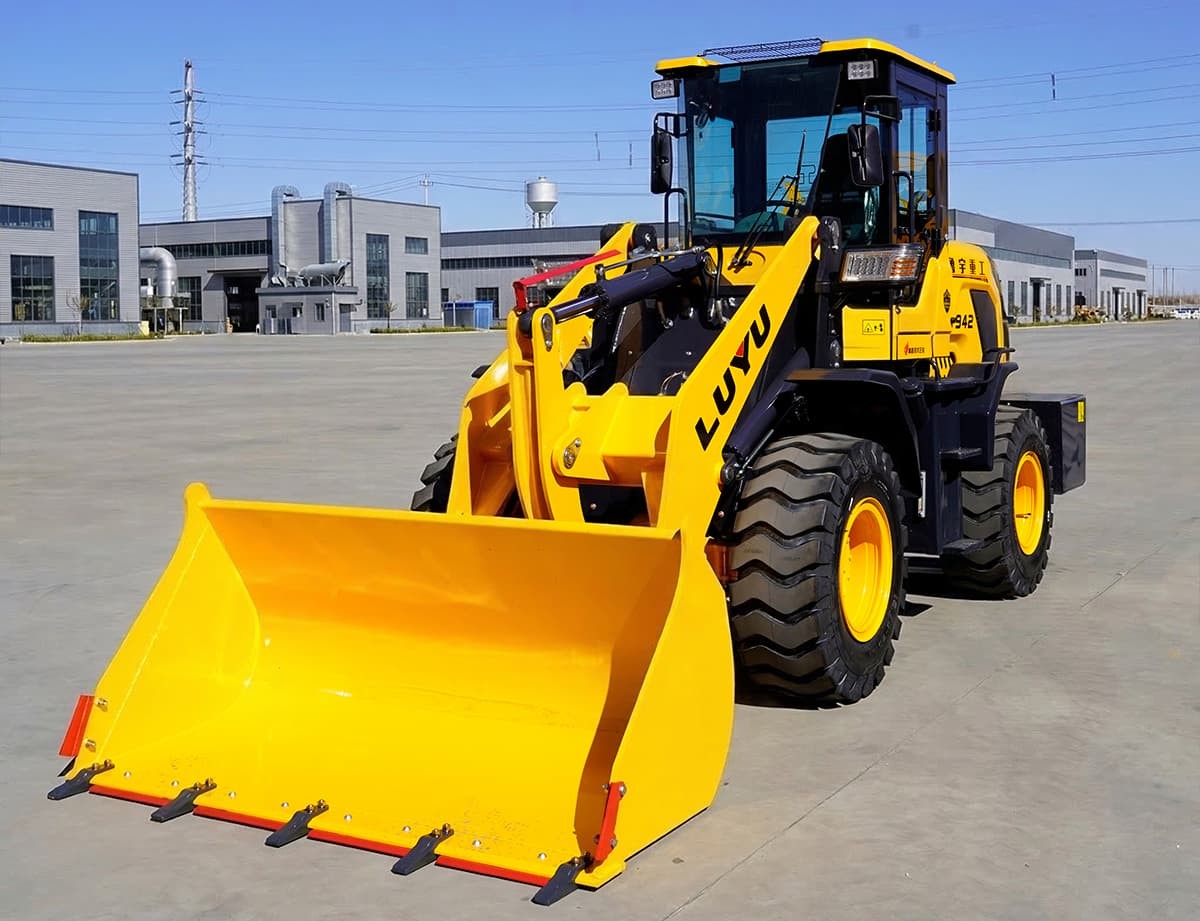
1. Don't Ask for More Than It Can Give
It's easy to think, "Just one more scoop," but overloading is the fastest way to shorten your machine's life. It beats up the engine, the hydraulics, the axles, and the frame.
Before you dig in:
Respect the rated capacity. It's not a suggestion.
If you have to move a heavy load, keep it low. High loads and long hauls are a bad mix.
Center the weight in the bucket. Off-balance loads are hard on the whole machine.
2. Take a Lap Before You Fire It Up
A quick walk-around isn't just for show. It can save you a world of trouble. Spend a couple of minutes each morning looking things over. If something looks off, figure out why before you start working.
Your daily checklist:
Pop the hood and check your fluid levels.
Hop in and test the brakes, steering, and gauges.
Give the tires, bolts, and pins a visual once-over.
Listen to the engine as it starts. Any knocking, smoking, or shaking means something's up.
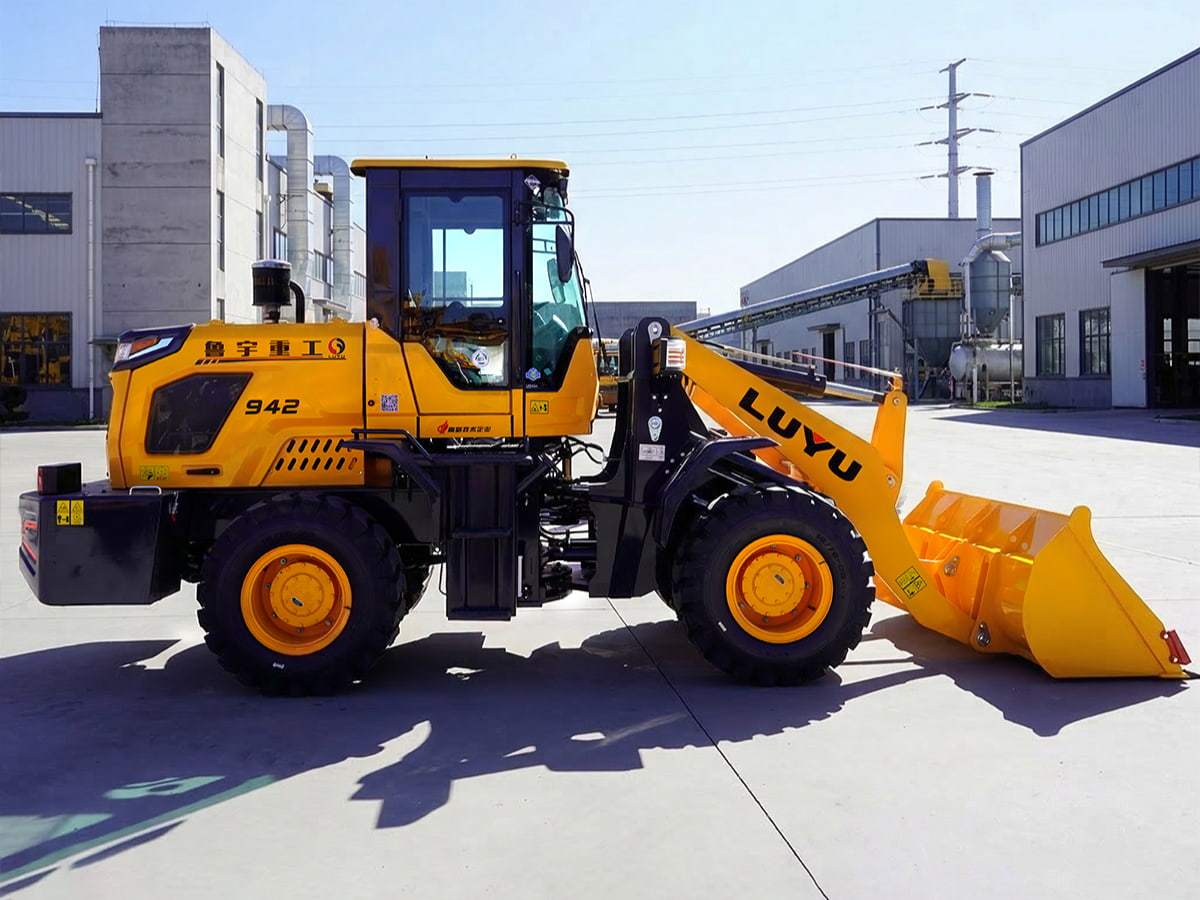
3. A Clean Machine Is a Happy Machine
Mud and grime aren't just ugly—they're bad for business. They trap heat and hide problems like leaks and cracks.
Make sure you clean around:
The radiator and the engine bay.
The bucket, arms, and linkage.
The wheels, axles, and underneath the machine.
Wherever hydraulic lines connect.
4. Watch Your Hydraulic Lines Like a Hawk
Your hydraulic lines are the lifeline of your loader. When they're good, the machine responds instantly. When they're not, you lose power and control.
Keep an eye out for:
Any seeps or drips.
Fittings that look loose or rusty.
Hoses that feel soft, look swollen, or show wear.
Slow or jerky movements—that's your first clue something's wrong.
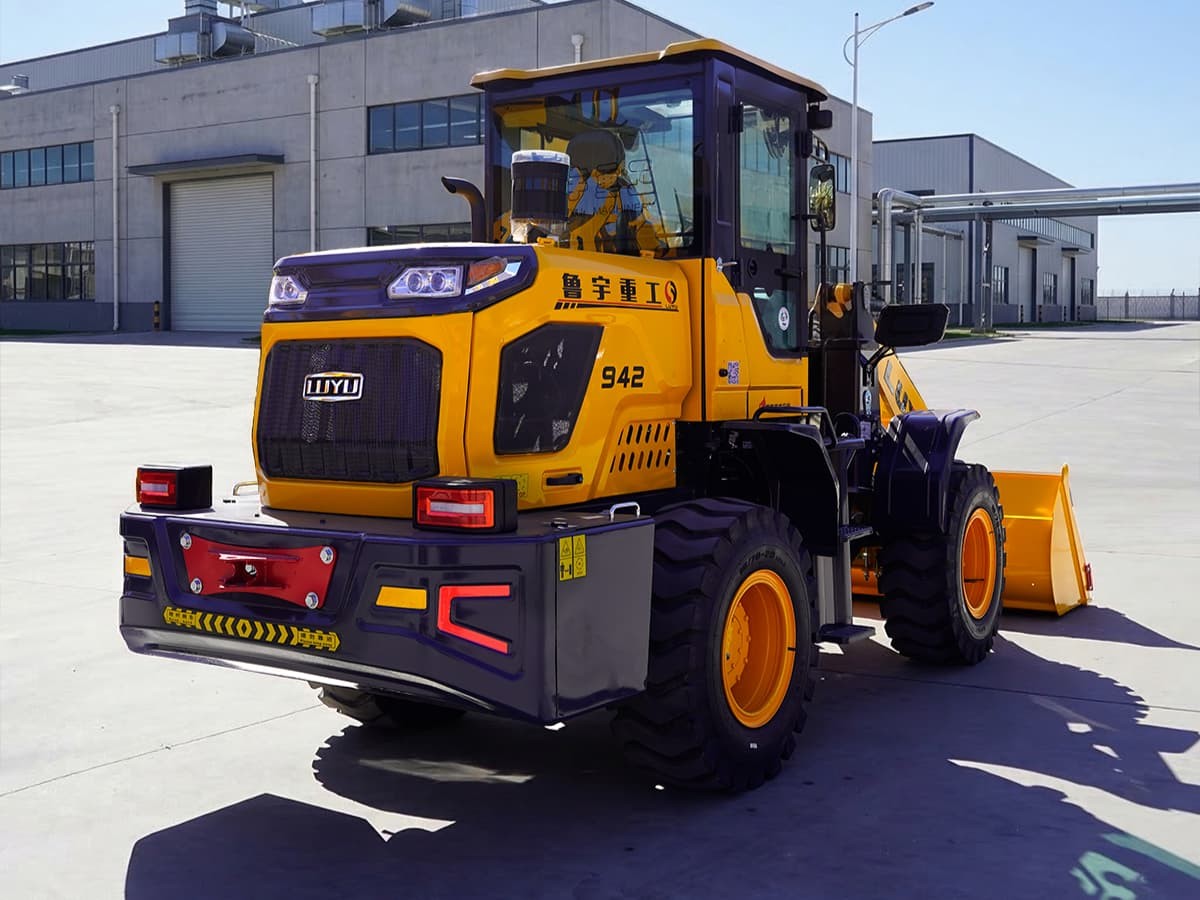
5. Grease Is Your Best Friend
A little grease goes a long way. It keeps your pins and bushings from wearing out and eliminates those annoying squeaks that drive you crazy.
Don't skip these spots:
The bucket pivot pins.
The lift arm joints.
The center articulation point.
All the linkage connections.
6. Treat Your Tires Right
Your tires are what keep you moving. Proper inflation and good tread not only make for a smoother ride but can also save you fuel.
Check them over for:
The correct air pressure.
Cuts, gouges, or signs of uneven wear.
Rocks and debris that are wedged in the tread.
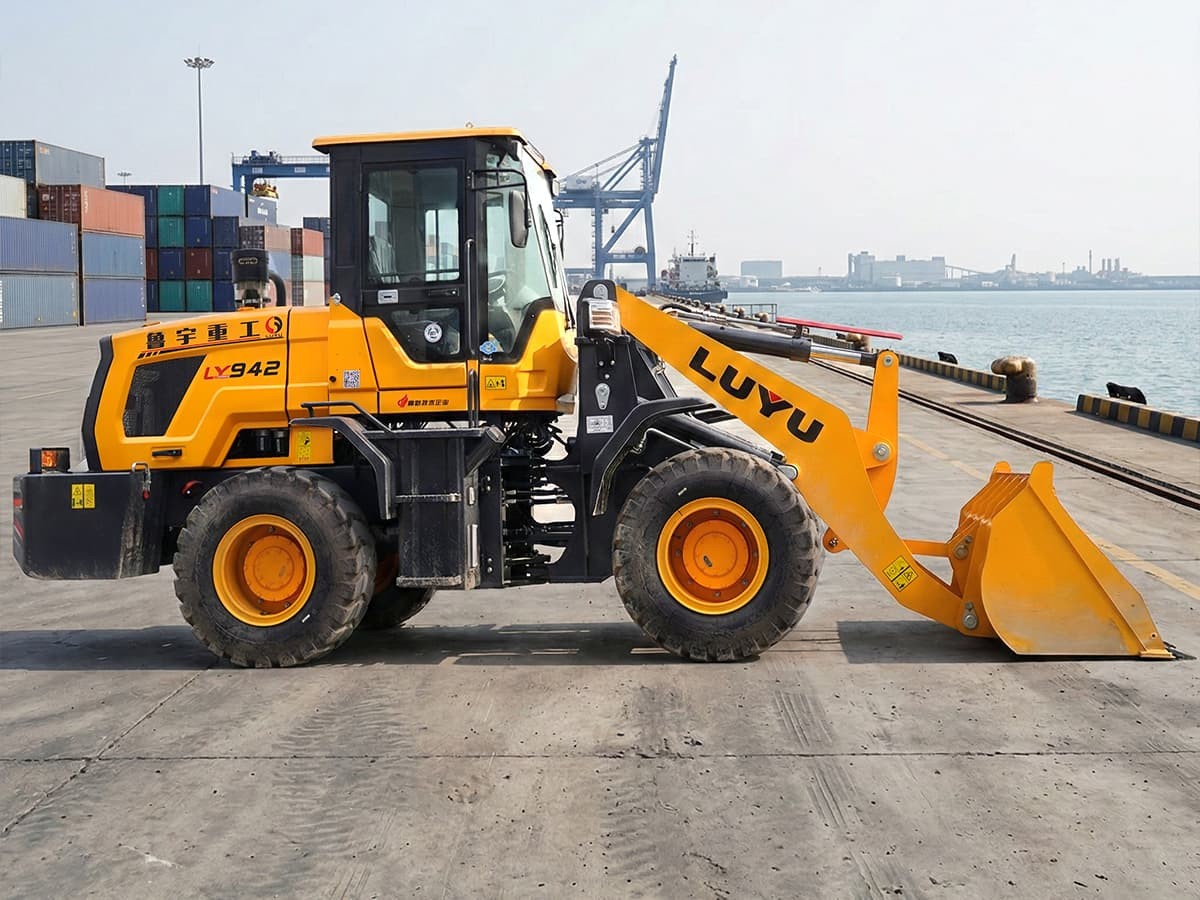
7. Park It With Purpose
How you leave your machine at the end of the day is just as important as how you run it. A few simple steps can prevent a lot of weather-related wear and tear.
When you shut it down:
Find a level, solid spot to park.
Lower the bucket all the way to the ground.
Stay out of areas where water collects.
Cut the power and lock the cab up tight.
The Bottom Line
In the end, it's the little things that keep a wheel loader going strong. Operate it with care, stick to a routine maintenance schedule, and park it properly.
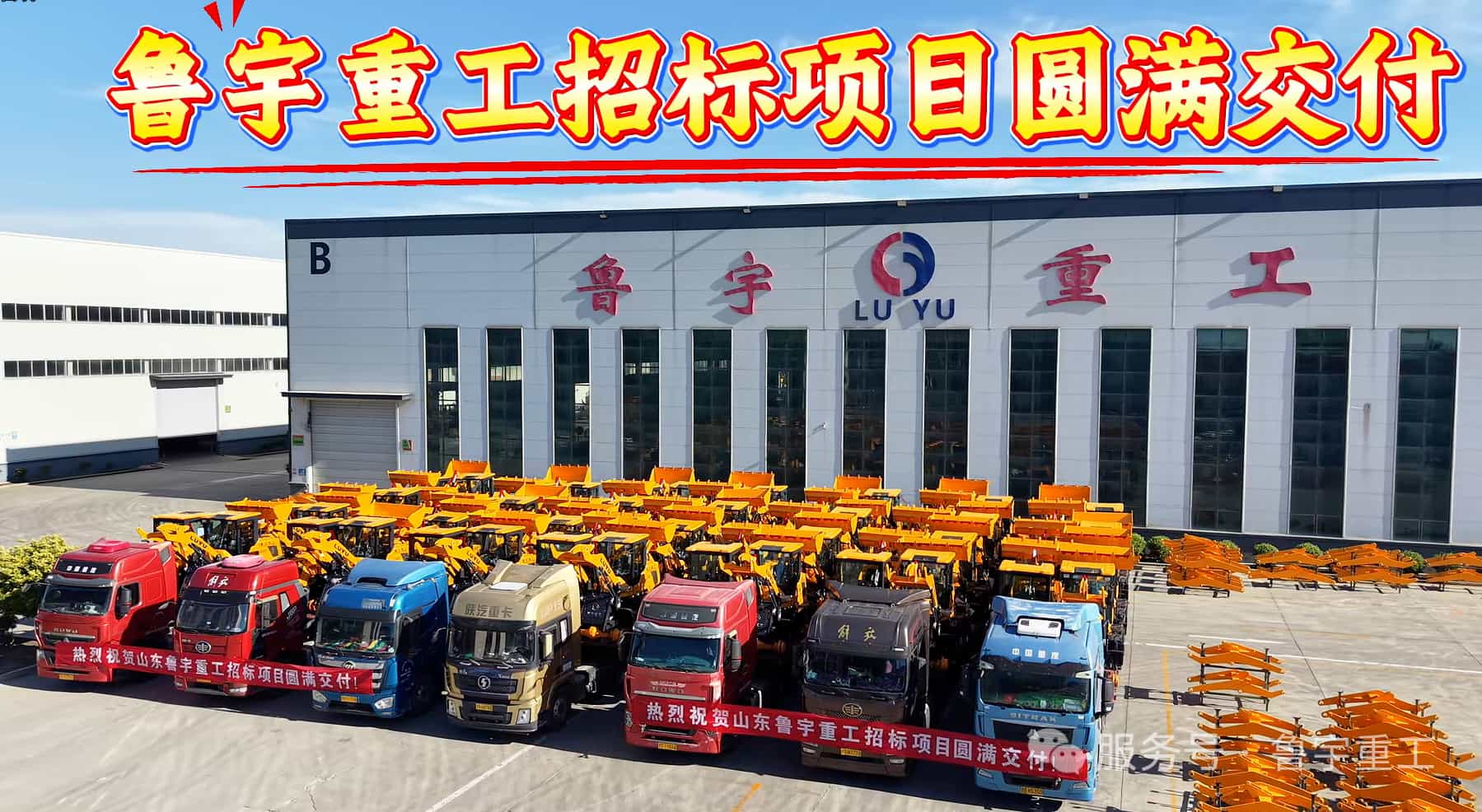
 LUYU Heavy Industry Delivers Major Bidding Project for Wheel LoadersLUYU Heavy Industry celebrates the successful delivery of its recent major equipment bidding project. Learn how LUYU’s compact wheel loaders power high-intensity operations globally.
 What China's Wheel Loader Export Data Tells Us About the Global Market in 2026According to the latest data released by China Customs, China exported 65,323 wheel loaders from January to April 2026, with total export value reaching approximately USD 1.47 billion. Export volume increased by 54.34% year-on-year, while export value rose by 26.54%. Chinese wheel loaders were shipped to 195 countries and regions during the period.
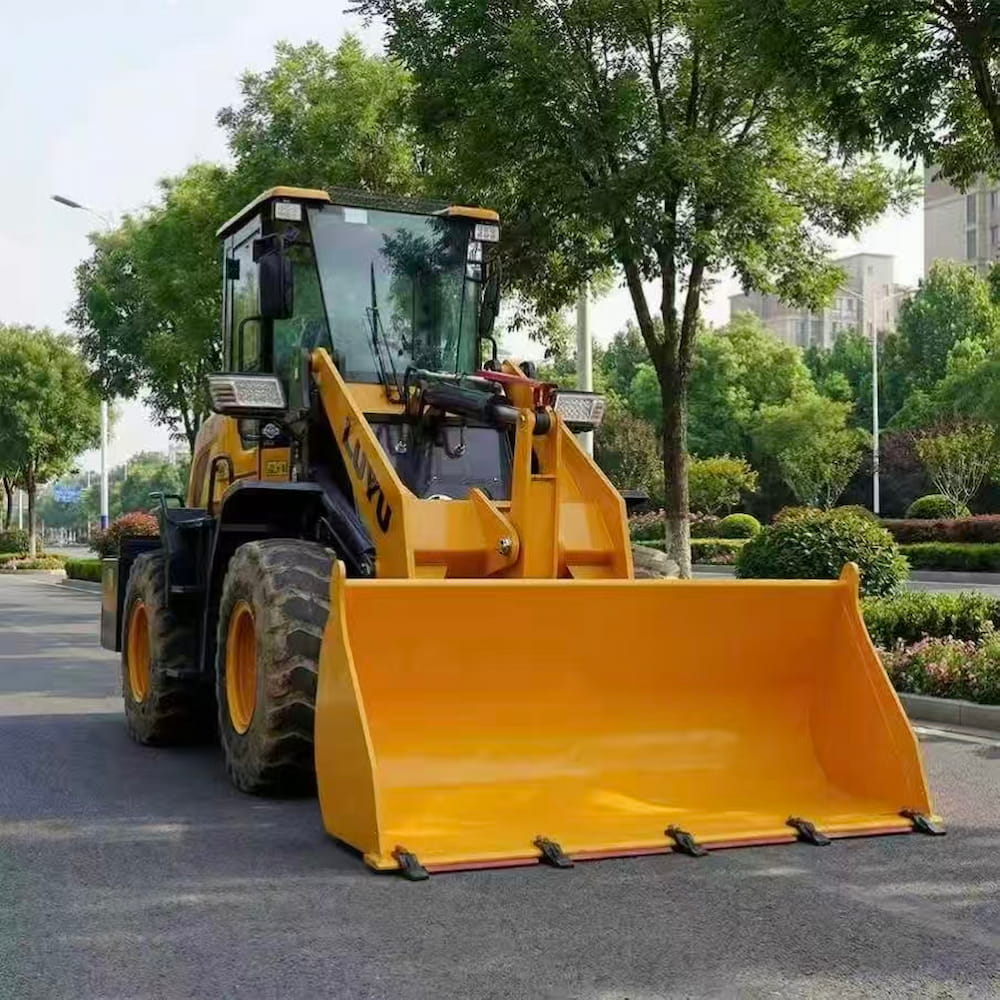
 Which Wheel Loader Should I Choose for Landscaping Projects?Choosing the right wheel loader for landscaping depends on your project scale. Discover how LUYU compact loaders optimize daily fuel burn and eliminate backyard site bottlenecks.
 Choosing the Right Wheel Loader Machine for Different JobsContractors today care less about “biggest in the yard” and more about whether the machine actually fits the site and the workload.

Send Your Inquiry