






NEWS
Choosing the Right Wheel Loader Machine for Different Jobs
In the equipment world, a wheel loader machine isn’t judged by engine numbers alone anymore. What really matters is how it performs during everyday wheel loader jobs — loading trucks in the morning, moving materials around a yard in the afternoon, or handling seasonal work when schedules get tight. Contractors today care less about “biggest in the yard” and more about whether the machine actually fits the site and the workload.
On many projects, especially where working space is tight or tasks change throughout the day, a wheel loader mini often makes more sense than a larger unit. It moves easier, wastes less fuel idling or repositioning, and simply feels more practical for operators who spend long hours in the seat. Choosing the right loader usually comes down to understanding the site conditions and the type of work being done, not just what looks powerful on paper.
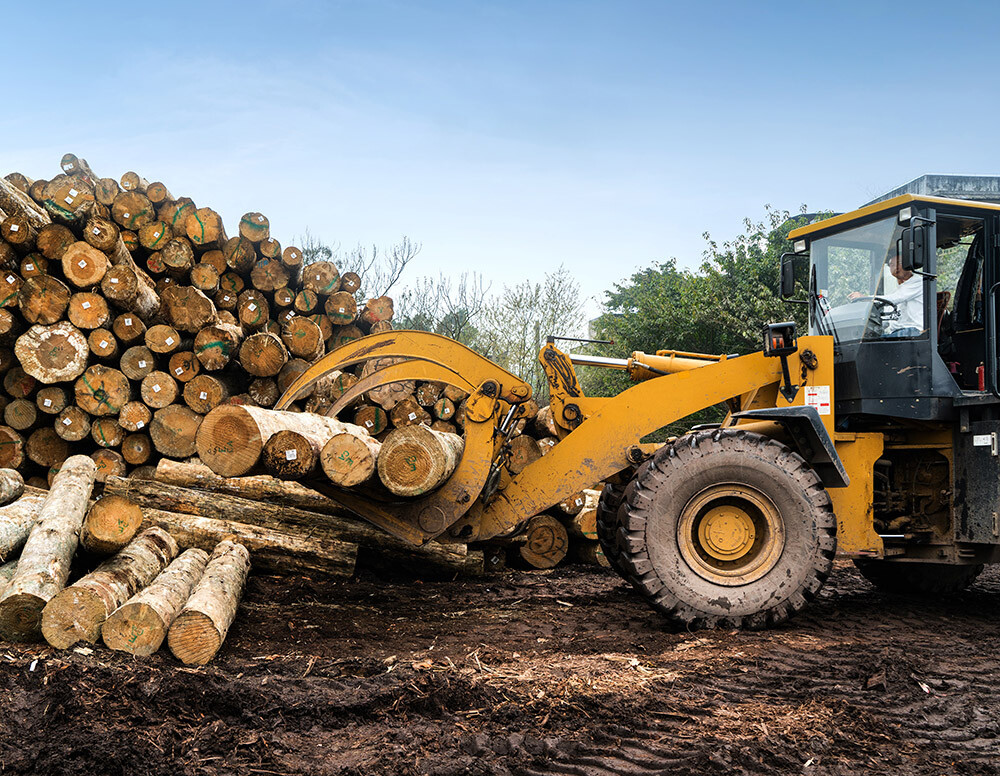
Not Every Job Requires a Large Loader
A common misconception among equipment buyers is that a bigger machine always means higher efficiency. In reality, many day-to-day operations take place in spaces where large machines become less practical.
For confined sites such as farms, warehouses, landscaping projects, and urban maintenance areas, a wheel loader mini configuration often provides a better balance of performance and maneuverability. Smaller loaders typically offer:
Easier access to narrow working zones
Reduced ground pressure on soft or finished surfaces
Lower fuel consumption during frequent stop-and-go operations
Simpler transportation between job sites
Instead of focusing only on lifting capacity, many operators now prioritize flexibility, visibility, and ease of control — areas where compact machines frequently outperform heavier equipment.
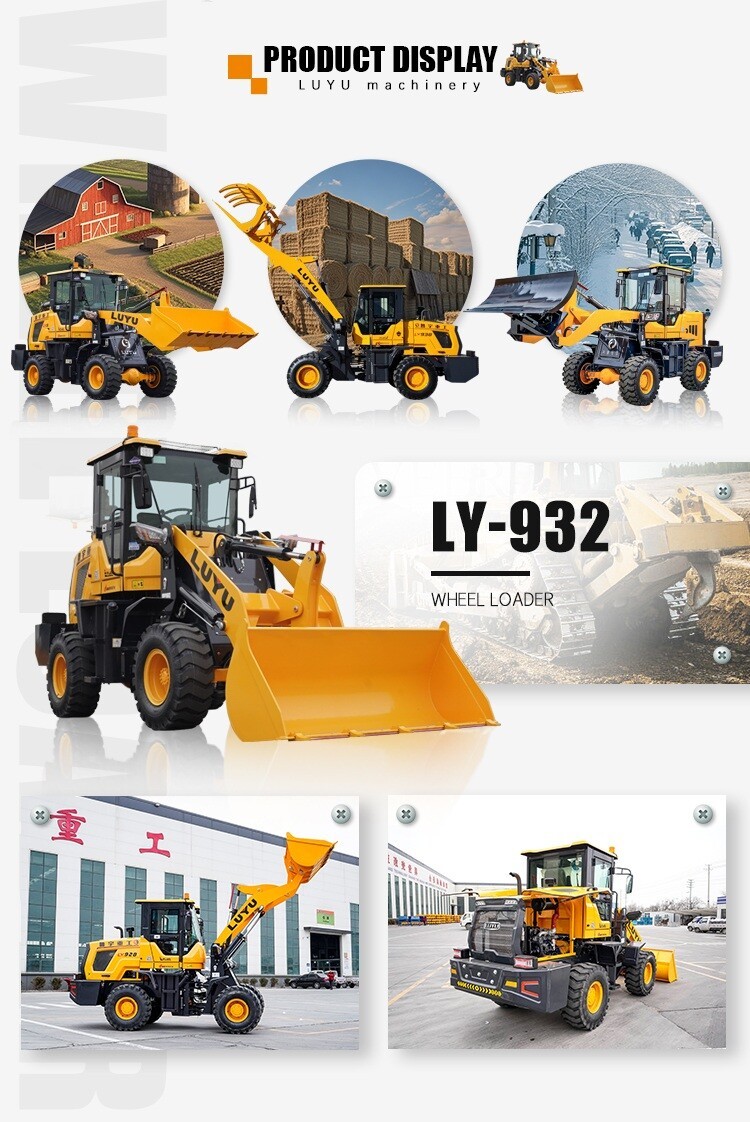
Understanding Different Wheel Loader Jobs
The term wheel loader jobs covers a wide range of real-world tasks, and each places different demands on the machine. These applications go far beyond simple material loading.
Typical jobs include:
Loading loose materials such as soil, sand, or aggregates
Site leveling and backfilling
Handling feed, grain, or fertilizer on farms
Pallet and bulk material movement in yards or industrial areas
Snow removal and municipal cleanup
Each of these wheel loader jobs requires a specific combination of bucket capacity, breakout force, hydraulic response, and machine stability. A loader used for agricultural handling, for example, often prioritizes smooth hydraulic control and visibility, while construction sites may demand stronger digging performance and durability under heavy cycles.
How Machine Size Influences Productivity
Machine size plays a bigger role in daily efficiency than many buyers expect. It’s not always about choosing the loader with the highest horsepower — it’s about how comfortably the machine fits the space it works in and how often it repeats the same loading cycle.
On many medium-duty sites, a wheel loader mini can actually keep the workflow moving more smoothly. Smaller machines tend to travel shorter paths, turn without constant adjustments, and spend less time backing up or correcting position. Over a full day, those small time savings add up. When a wheel loader machine is properly matched to the task and site layout, operators experience:
Shorter cycle times
Reduced fuel cost per hour
Lower tire and component wear
Improved safety in restricted environments
Oversized machines, by contrast, often operate below their optimal efficiency range while generating higher ownership costs.
Matching the Machine to Real Working Conditions
Before choosing equipment, it is important to consider:
Average material weight and density
Daily working hours and load cycles
Ground conditions and terrain type
Access limitations and turning space
Attachment requirements
These practical factors determine whether a standard wheel loader machine or a more compact solution is the better fit. When equipment selection is guided by actual wheel loader jobs instead of only specifications, long-term operating efficiency improves significantly.
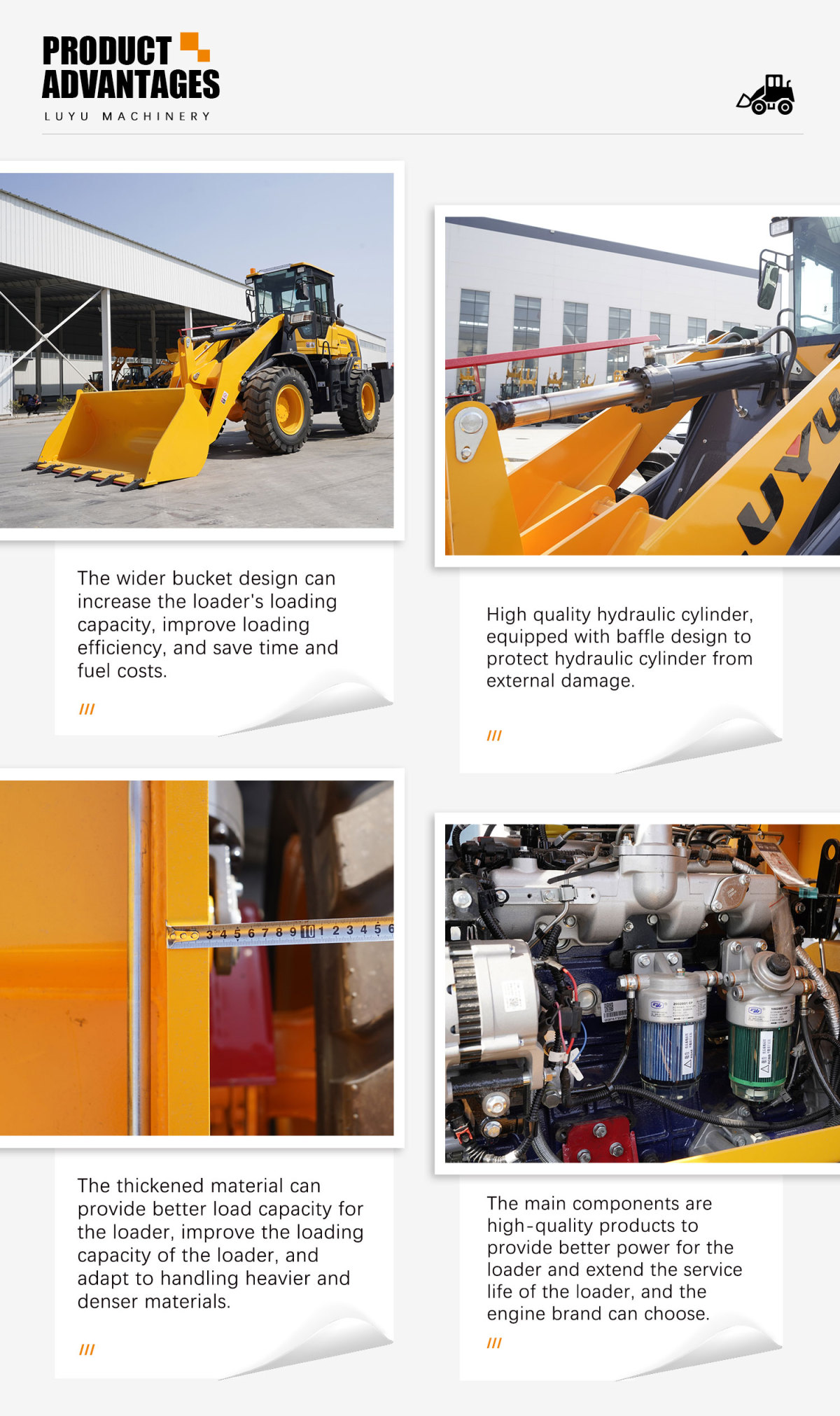
A Practical Approach to Loader Selection
As industries place greater emphasis on cost control and site efficiency, selecting the right equipment is no longer about choosing the biggest machine, but the most suitable one. A professional supplier like LUYU understands that a wheel loader machine must be matched to actual wheel loader jobs, operating environments, and long-term usage demands. Whether the requirement points toward a versatile wheel loader mini for flexible operations or a higher-capacity solution for heavier workloads, an application-based approach ensures equipment investment translates into consistent, real-world productivity.
Share to :


Inquiry
Our manager will contact you within 30 minutes of working hours.
Related products
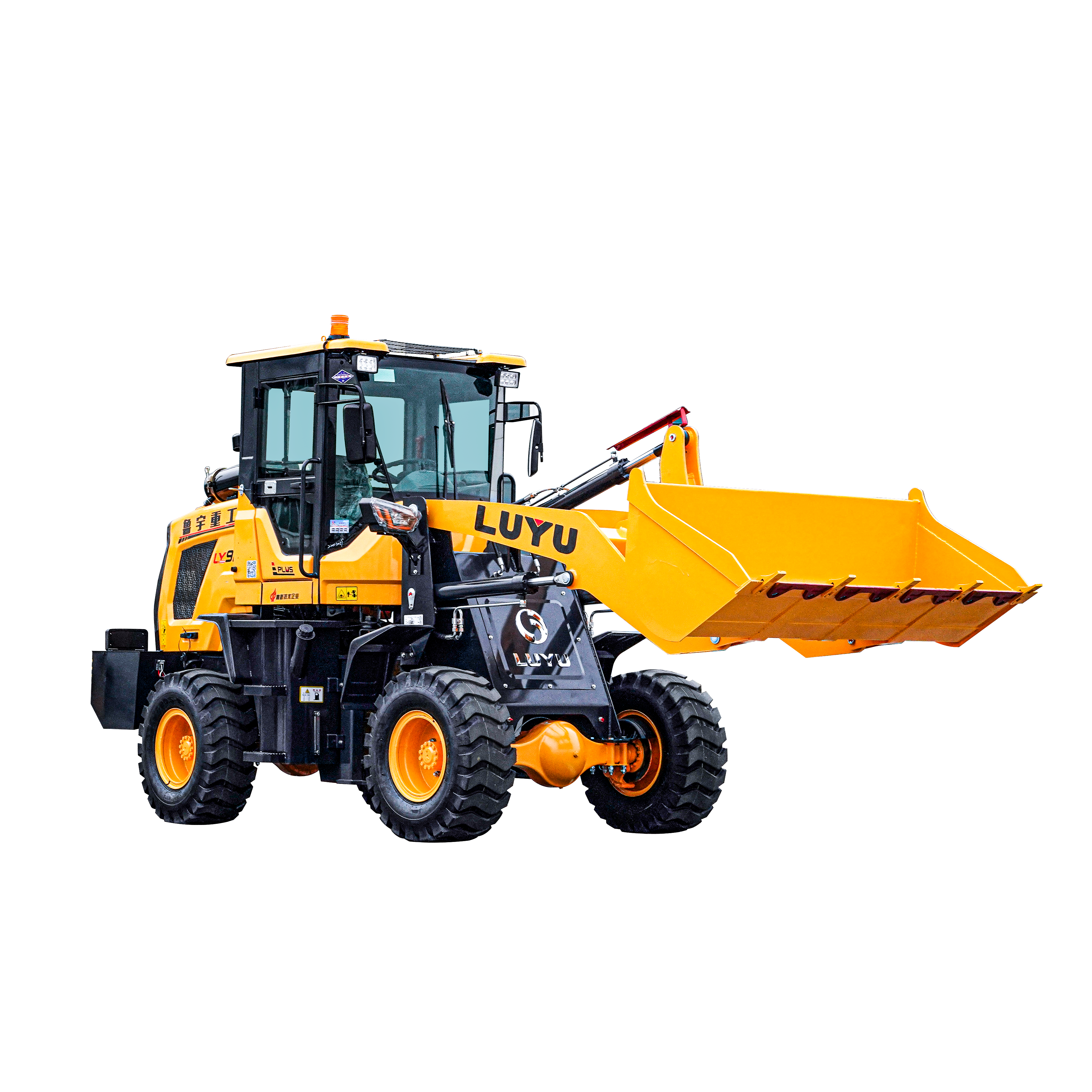
 LY949 Compact Wheel Loader
Engine YN4108T 90KW/122HP Rated Load 2800kg Dumping Height 3800mm Bucket Capacity 1.2m³  LY942 Compact Wheel Loader
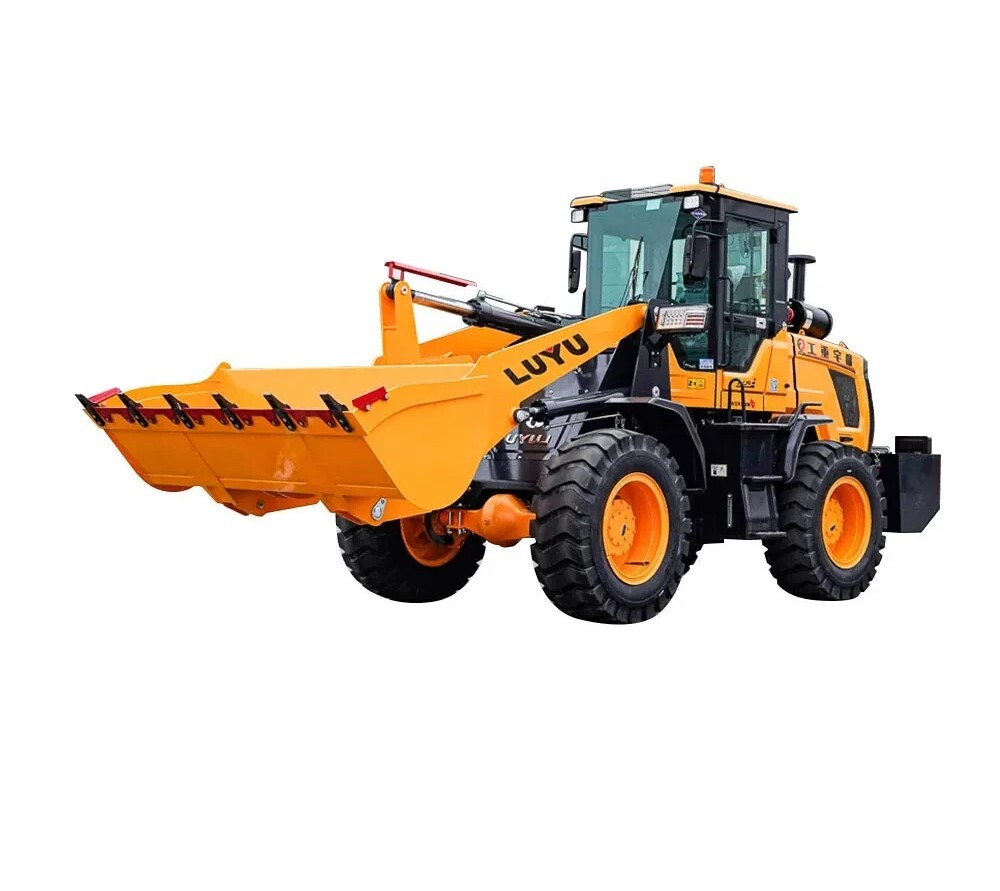
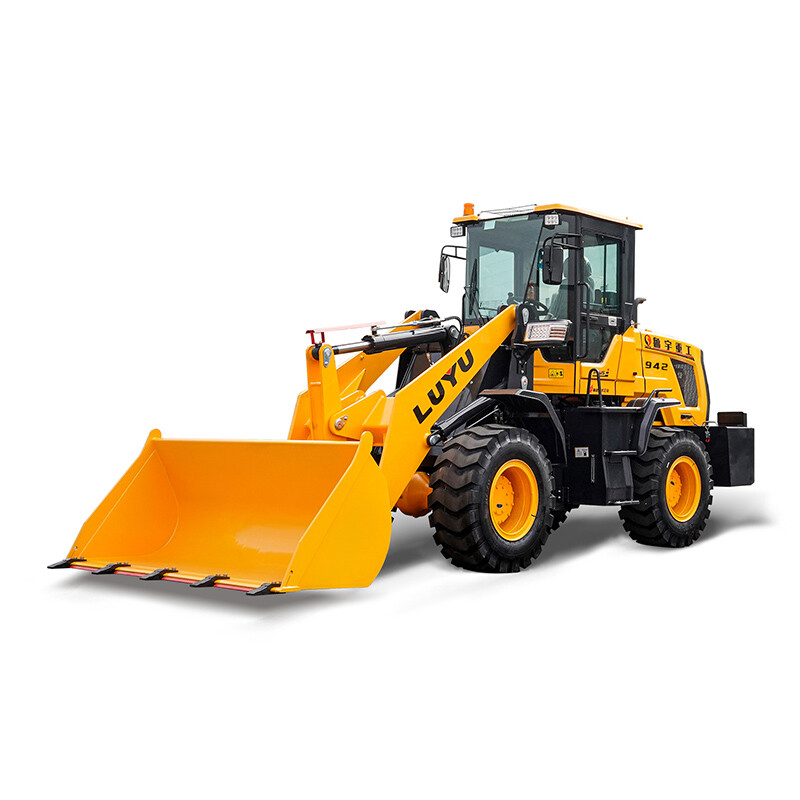
Engine Type YN 76KW/103HP Rated Load 2200kg Dumping Height 3500mm Bucket capacity 1m³  LY932 Mini Wheel Loader
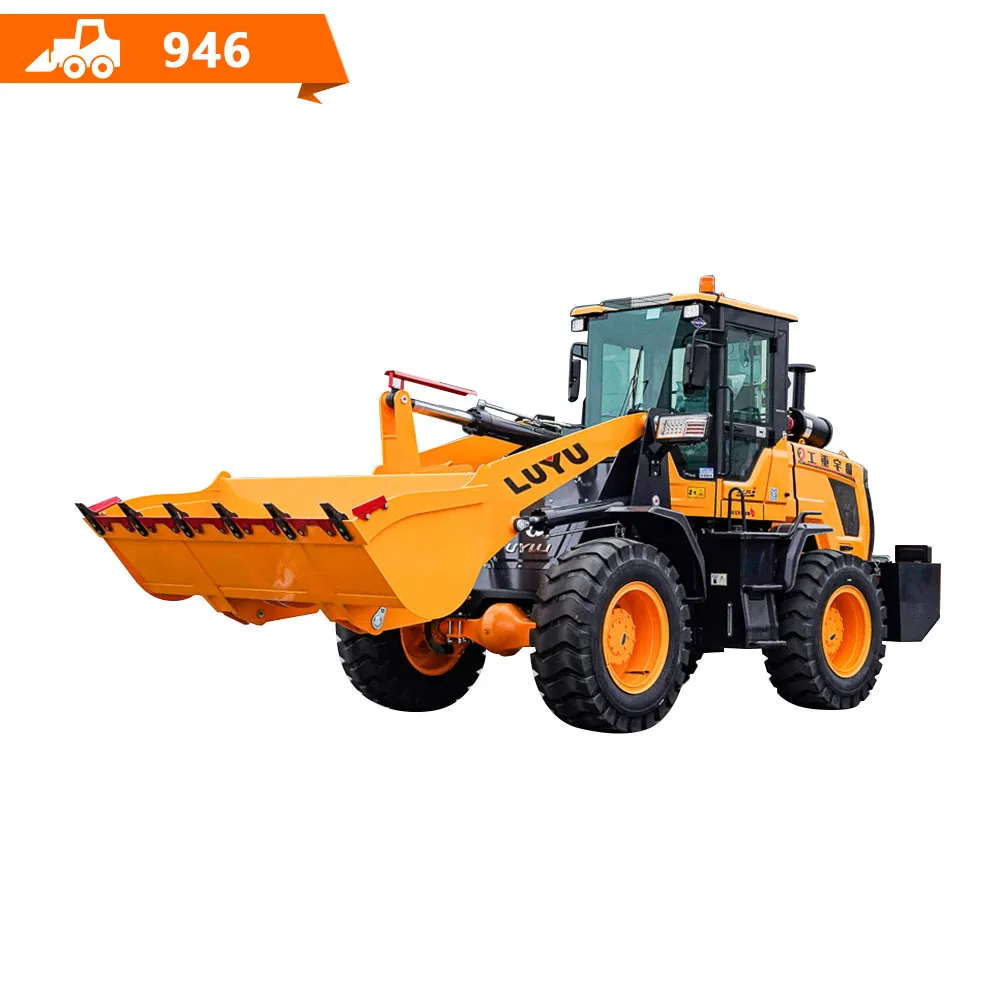
Engine YN27(42KW/56HP) Rated Load 1600kg Dumping Height 3200mm Bucket capacity 0.7m³  946 2.5Ton wheel loader
Rated power 1OKW/13.5HP Operating weight 1000kg Dumping height 1861mm Digging depth 1825mm

Send Your Inquiry