






How to Choose a Wheel Excavator: A Buying Guide from Applications to Equipment Configuration
Content
What Parameters Should You Check When Buying a Wheel Excavator?
How Do You Choose the Right Wheel Excavator by Operating Weight?
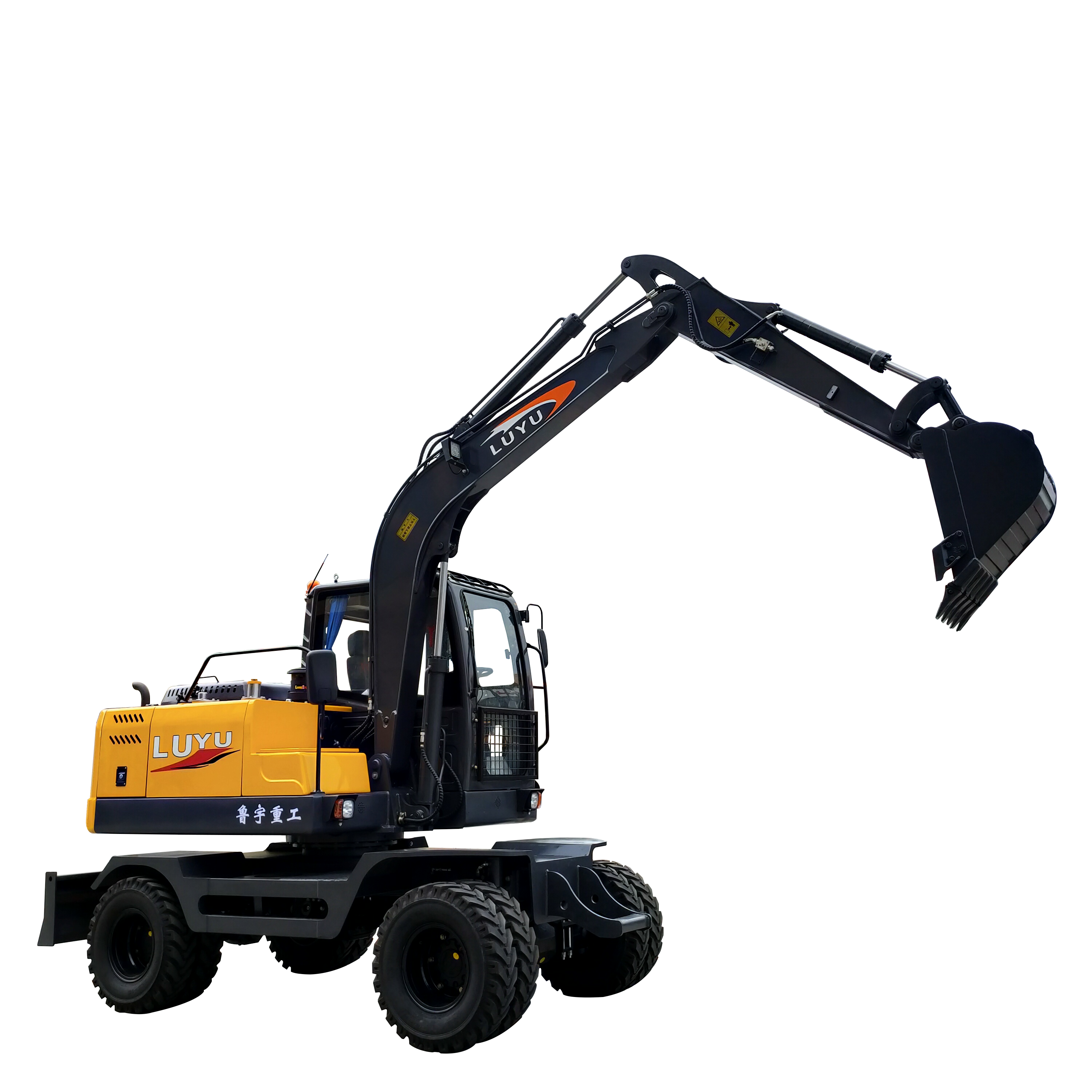
Farms, road maintenance sites, drainage projects, and construction sites can all require an excavator to move from one work area to another. When moving between locations is part of the job, a wheel excavator needs to offer more than digging capability. Mobility, travel performance, and on-site flexibility also matter when choosing a machine.
Choosing a wheel excavator starts with the job itself. A machine used for drainage work on a farm may have different requirements from one used for road maintenance or construction. Before looking at individual models, think about the ground conditions, the work to be done, the required digging depth, and the size of machine you need. The machine configuration can then be checked against those requirements.
When Is a Wheel Excavator a Suitable Choice?
A wheel excavator can be a practical option when the machine has to move around during the working day. This is especially relevant for jobs where one area needs to be finished before the machine moves on to another. In these situations, the excavator should easily travel between work areas before purchase.
Jobs that require frequent relocation
On farms, road maintenance projects, or sites with multiple work areas, the machine may need to change locations several times a day. A wheeled chassis is suitable for travel on roads and firm ground where conditions allow, which can reduce the need to frequently rely on other equipment for transportation.
Work on roads and firm ground
Tasks such as drainage ditch cleaning, road maintenance, roadside work, and site preparation often involve roads or other firm surfaces. These conditions allow the mobility of a wheel excavator to be put to good use.
Jobs that involve both digging and material handling
Some tasks involve more than digging soil and may also include loading and unloading, site cleanup, and material handling. For users who need one machine to handle multiple tasks, select the right wheel excavator based on the working attachments and hydraulic configuration.
If the machine will work for long periods in muddy, soft, or complex terrain, reconsider the equipment type based on the specific working conditions rather than relying on mobility alone.
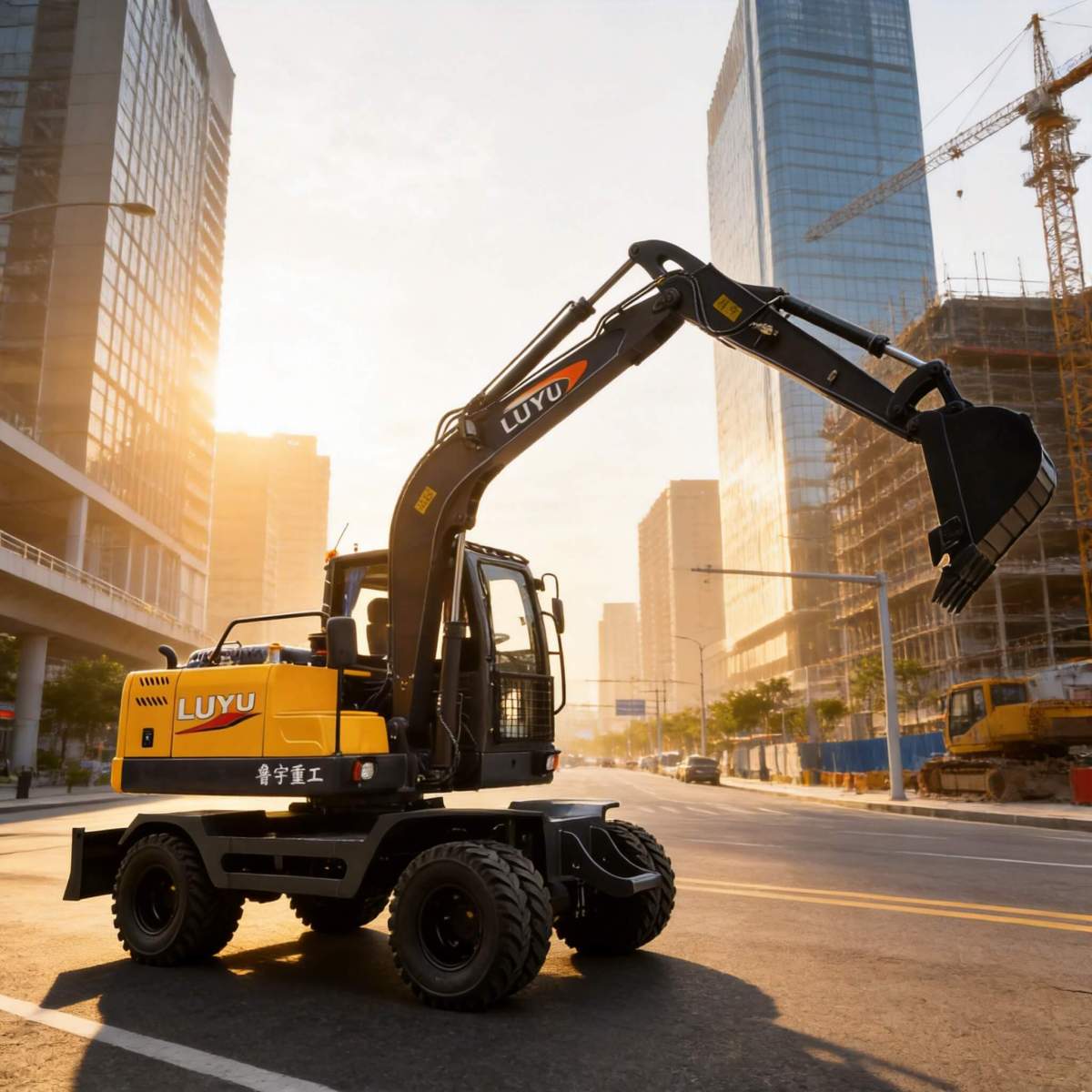
What Parameters Should You Check When Buying a Wheel Excavator?
Once the working conditions have been defined, the following factors can serve as a practical reference for wheeled excavator selection.
1. Stabilizers and Stabilizing Equipment
When a wheel excavator is digging, stabilizers or other supporting devices are needed to provide stability during operation. When purchasing, check the stabilizer layout, operating method, and support range, and make sure the configuration suits the actual working environment.
2. Travel Performance
For machines that relocate frequently, travel performance is particularly important. In addition to travel speed, consider the braking system, axles, wheelbase, and overall dimensions. Farm roads, construction roads, and narrow work areas may have different requirements for machine mobility.
3. Hydraulic System and Operating Controls
During operation, a wheel excavator needs to perform various movements involving the boom, arm, bucket, and swing system. The hydraulic system and operating controls affect how smoothly these combined movements can be coordinated. When purchasing, in addition to checking the hydraulic specifications, consider also whether the operating controls suit your daily work requirements.
4. Digging Specifications and Bucket Capacity
Different jobs require different digging depth, working range, and bucket capacity. For example, drainage ditch cleaning and pipeline construction require attention to digging depth, while loading work should be considered together with bucket capacity and the type of material being handled.
5. Operating Weight and Dimensions
Going for a larger machine is not always the right choice. Farms, roadsides, and confined construction sites may leave little room to turn or operate. Before buying, check the machine’s overall width, working radius, and the condition of the roads it will use.
How Do You Choose the Right Wheel Excavator by Operating Weight?
The operating weight of a wheel excavator should be selected according to the actual workload rather than simply choosing a larger machine.
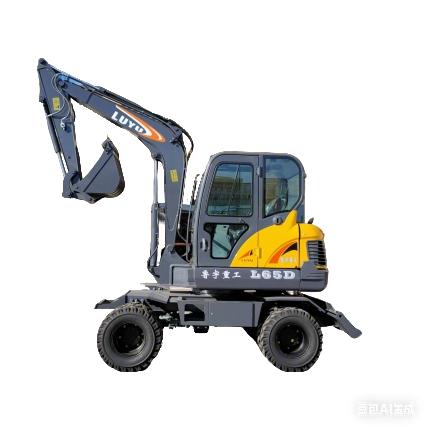
For farm maintenance, drainage ditch cleaning, and general site work, the 5–7-ton class offers a practical balance of mobility and working capacity. The LUYU LY65D andLY75C are two options in this range.
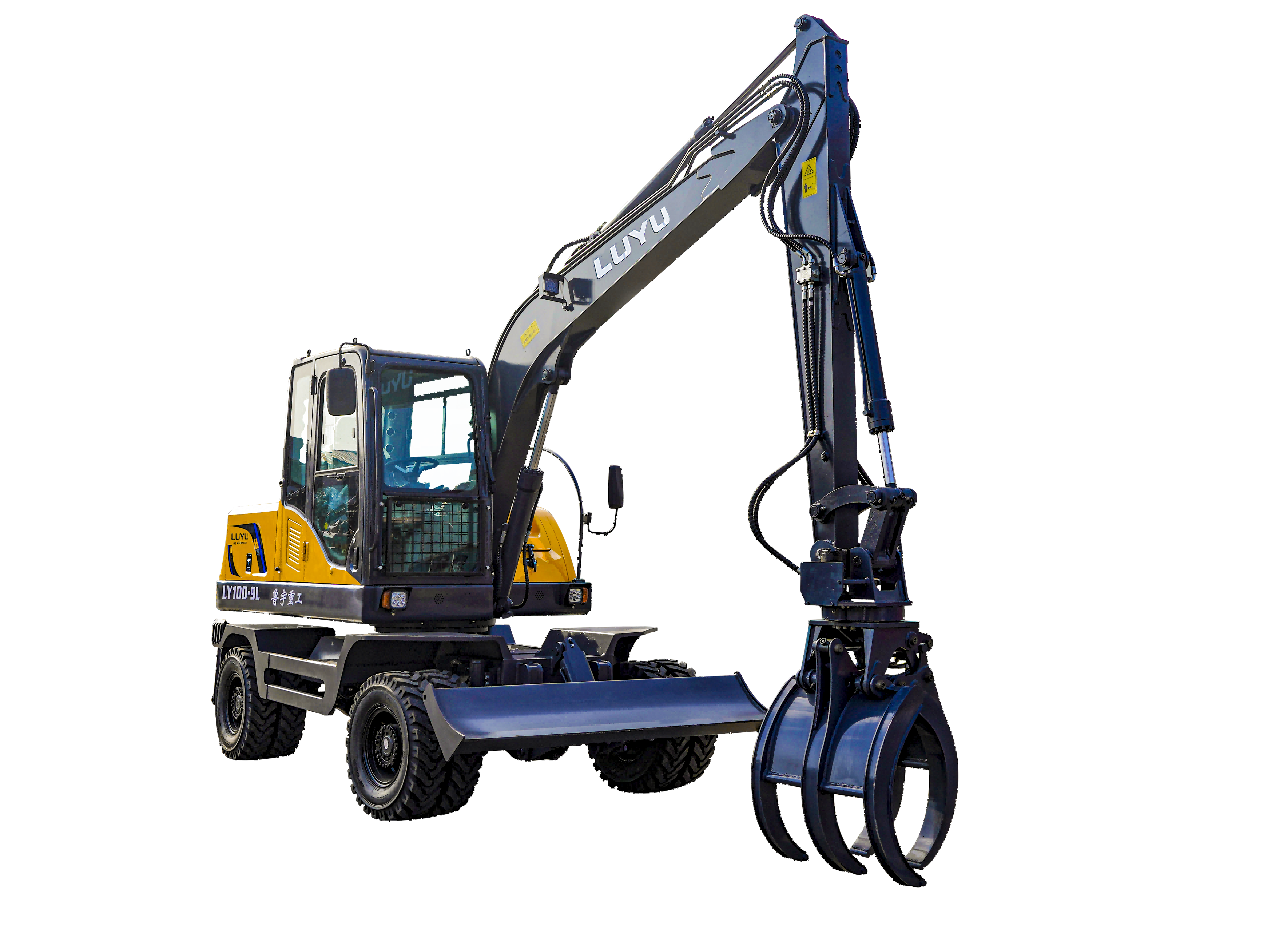
For larger-scale trenching, road maintenance, or material handling, a machine in the 9-ton class may be more suitable. The LUYU LY100Z is one such model. At 9,100 kg, it uses a 55kW engine and a 0.32 m³ bucket to handle more demanding work.
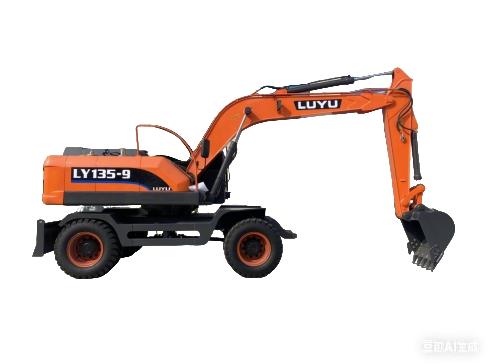
For heavier digging and loading workloads, an excavator in the 11-ton class or above may be more appropriate. The LUYU LY135-9 is one example: it weighs 11,500 kg and has a 73.5 kW engine and a 0.38 m³ bucket.
Conclusion
Operating weight alone should not determine your choice of a wheel excavator. The working environment, relocation frequency, required digging depth, main tasks, and machine configuration must also match the actual work. For farm maintenance, road work, drainage ditch cleaning, and projects involving multiple work areas, selecting a suitable model can help better match the machine to everyday operating needs.
LUYU offers wheel excavators in different operating classes for a range of applications. If you are looking for a wheel excavator for sale for farm work, road maintenance, drainage, or construction, contact LUYU to discuss the model and configuration that fit your work.
Share to :




Tag :
Inquiry
Our manager will contact you within 30 minutes of working hours.
Related products
 LY135-9 Wheeled Excavator
Engine Yuchai Rated power 73.5KW Operating weight 11500kg Bucket capacity 0.38m³  LY100Z Wheeled Excavator
Engine Yuchai Rated power 55KW Operating weight 9100kg Bucket capacity 0.32m³  LY65D Wheeled Excavator
Engine YANMAR Rated power 42.5KW Operating weight 5500kg Bucket capacity 0.18m³  LY75C Wheeled Excavator
Engine YCF3050-T450 Rated power 36.8KW Operating weight 6850kg Bucket capacity 0.32m³

Send Your Inquiry