






NEWS
How to Choose a Forklift for Your Warehouse
Content
9.Conclusion: Matching Configuration to Your Environment
As your warehouse grows, order volume usually grows with it. The old handling equipment may still work, but it may no longer keep up with daily operations. If you're thinking about adding a new forklift, or replacing an older model, you're really looking for one thing: a smoother, more efficient operation.
So, before making a decision, it's important to clearly understand your actual needs and practical configuration of equipment. That's why we provide this comprehensive guide to help you choose the right forklift for your warehouse operation.
1. Load Capacity
Load capacity is a key starting point when choosing a forklift. Too little capacity is unsafe. Too much may be more than the job needs. Start by considering three key questions:
What size are your goods?
What is the average load weight?
What is the heaviest load you need to move?
2. Lift Height
Lift height should match your racking layout and stacking needs. You need to consider:
How high do you usually stack?
How high is the top rack level?
Are there any low doorways, overhead beams, pipes, or other obstacles inside the warehouse?
A 2-stage or 3-stage mast works well for most warehouse jobs. For low doorways and high stacking, a full free lift mast is often the better choice.
3. Power Choice
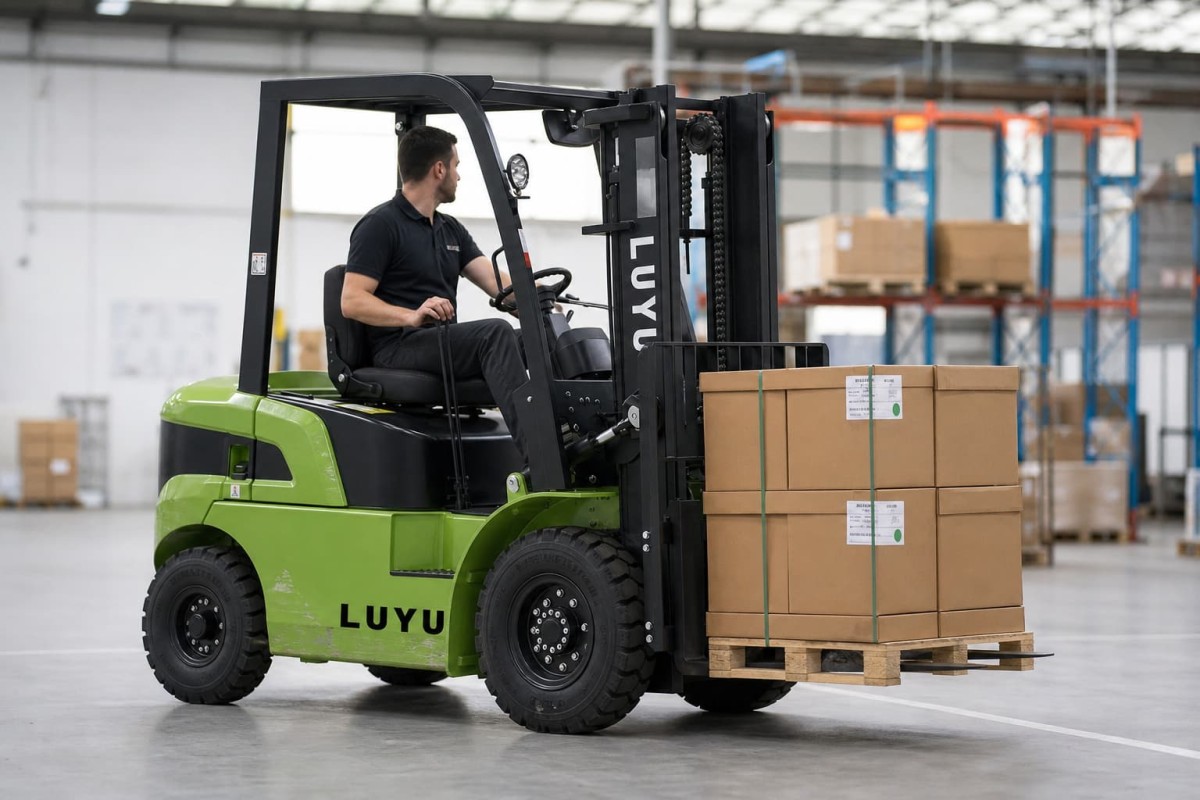
There are usually two main power options: electric and internal combustion.
Electric forklifts run quiet and fume-free. They're ideal for food storage, cold rooms, production areas, or any enclosed space. Just map out where and when you'll charge them.
IC forklifts, whether diesel, gasoline, or LPG, bring serious power. They thrive outdoors in lumber yards, ports, scrap yards, and non-stop heavy-duty jobs. For closed warehouses, though, exhaust and noise usually take them off the table.
4. Aisle Space
In warehouses with dense racking or limited loading space, check these points in advance:
How wide are the rack aisles?
Does the forklift need to work inside trucks or containers?
How much turning space does the forklift need?
5. Tire Selection
Choose tires based on the floor conditions. Generally, you can choose one of the following types:
Solid Tires: They are practical for busy warehouses. They are durable and less likely to be damaged by debris, metal scraps, or packaging waste.
Pneumatic Tires: They are a better fit for rough or uneven ground. They offer more cushioning, making them suitable for outdoor loading areas, ramps, gravel surfaces, and rough roads.
6. Forks & Attachments
Fork length should match the size of the pallets and loads. Short forks may leave the load unsupported, while long forks may affect maneuverability and stability.
For standard pallet handling, regular forks are usually enough. If load sizes vary frequently, consider fork extensions, a side shifter, or a fork positioner.
For irregular loads such as drums, bags, or paper rolls, matching the right attachments can make handling easier and safer.
7. Driving Comfort
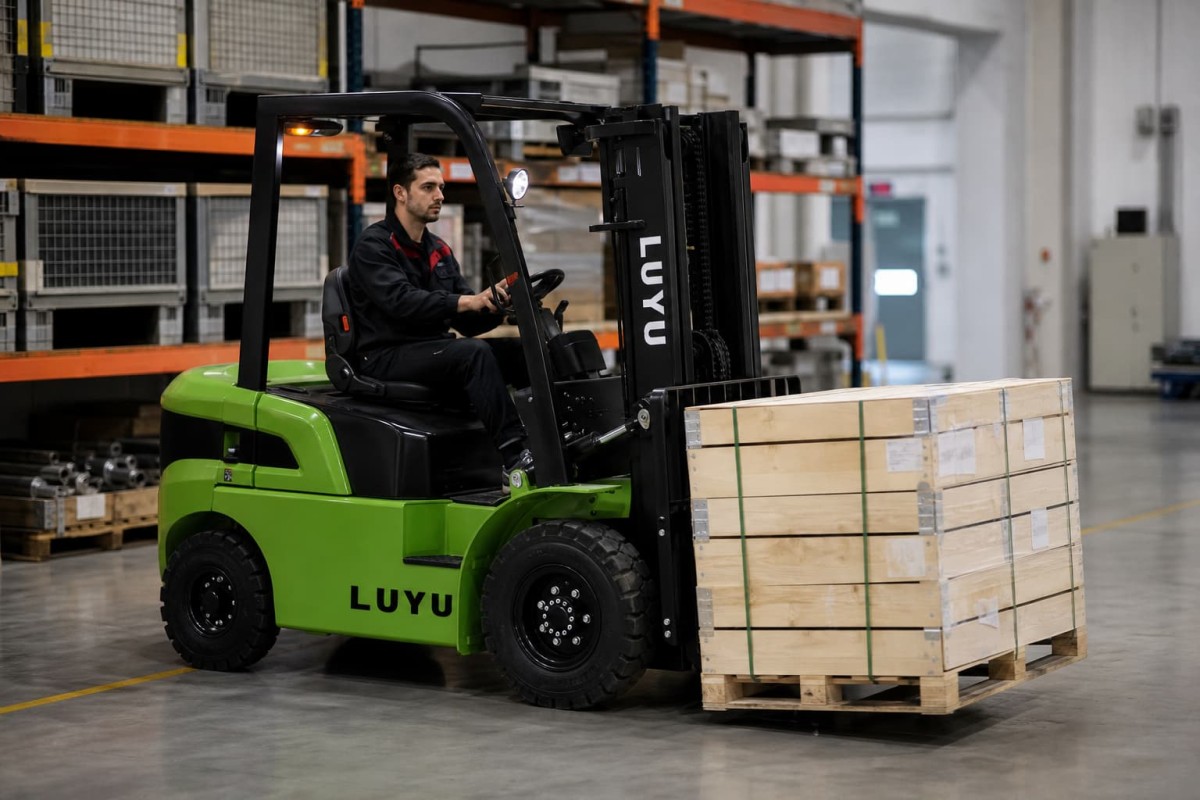
For long daily shifts, operator comfort matters a lot. When comparing forklifts, pay attention to:
Is the view clear?
Are the controls easy to reach and use?
Is the operator area ergonomically designed?
For warehouses with fast order turnover and dense racking, a reasonable cab layout will help reduce fatigue and keep handling work steady over long shifts.
8. Maintenance Access
Warehouse forklifts are used frequently. Daily checks, charging or refueling, and wear part replacement should be easy. When choosing a model, check:
Are the inspection points easy to access?
Are spare parts easy to get?
Is after-sales service reliable?
Conclusion: Matching Configuration to Your Environment

Picking the right forklift comes down to your layout and what you move daily. If you run a tight, enclosed space or handle food, stick with electric—it keeps things clean and quiet. For heavy loading outdoors, like in timber yards or brickfields, you'll want the raw torque of a diesel or gas engine. And if your drivers are constantly moving between the yard and the warehouse, dual-fuel is your best bet to handle both jobs without buying two separate machine.
Share to :


Tag :
Inquiry
Our manager will contact you within 30 minutes of working hours.
Related products
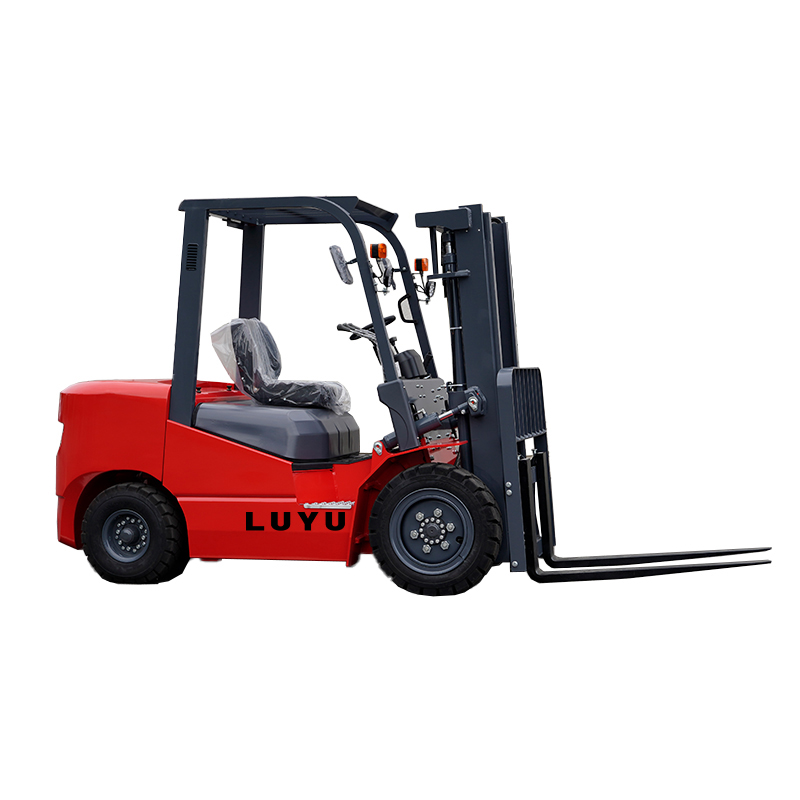
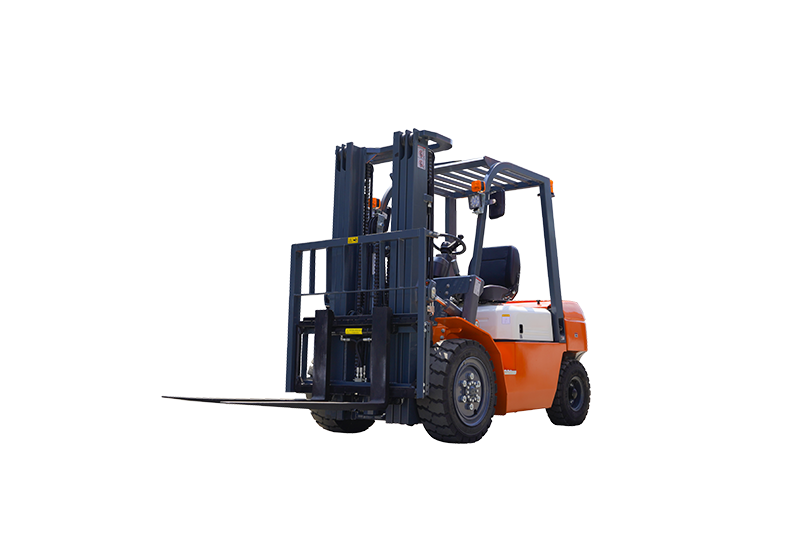
 CPC30 3Ton Forklift
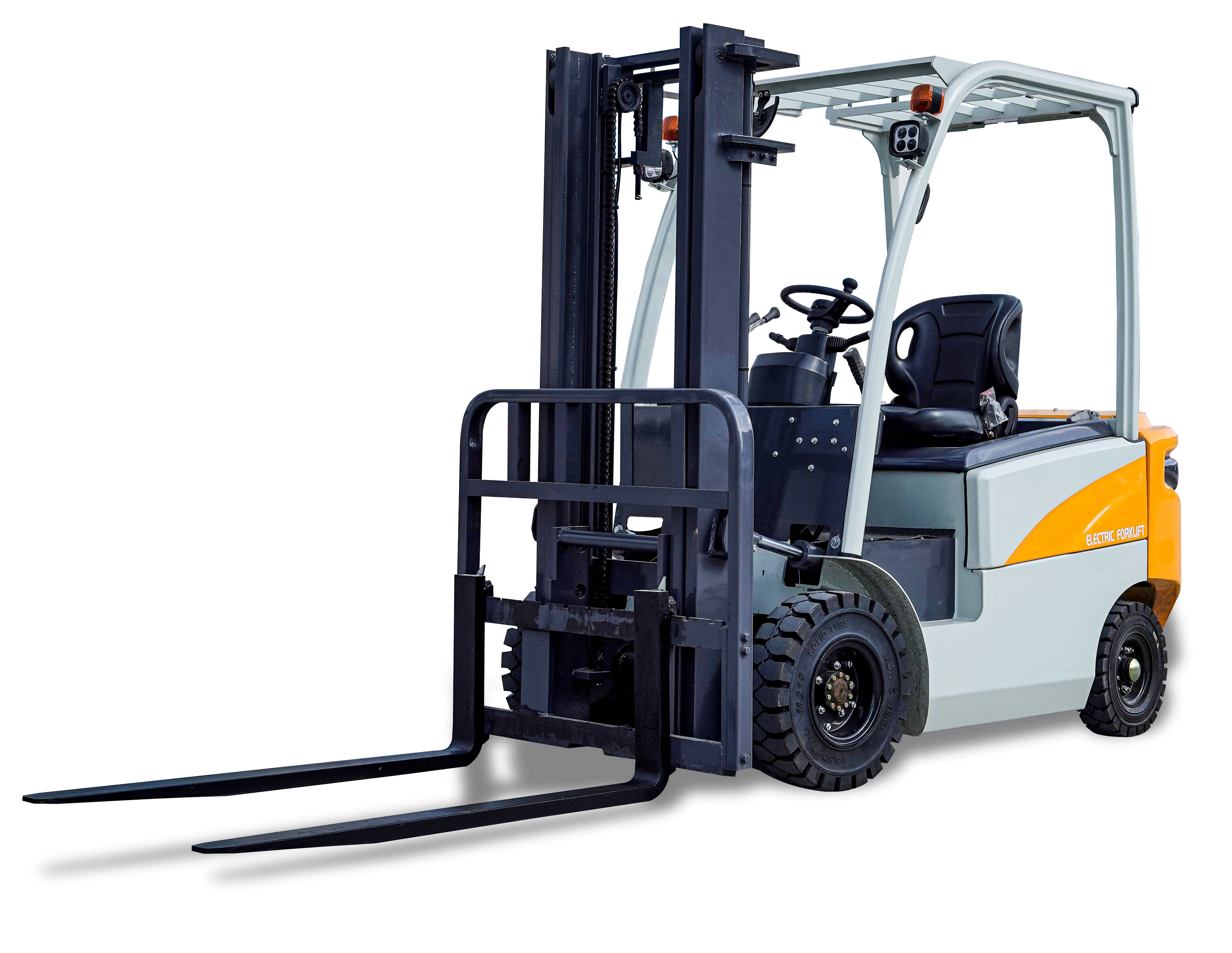
Rated lifting load 3000kg Load center distance 500mm Free lifting height 135mm Size 1220x122x45mm  CPD30 3Ton Electric Forklift
Rated Capacity 3000kg Load center 500mm Lifting Height 3000mm Size 1220x122x45mm  CPY40 4 Ton LPG Forklift
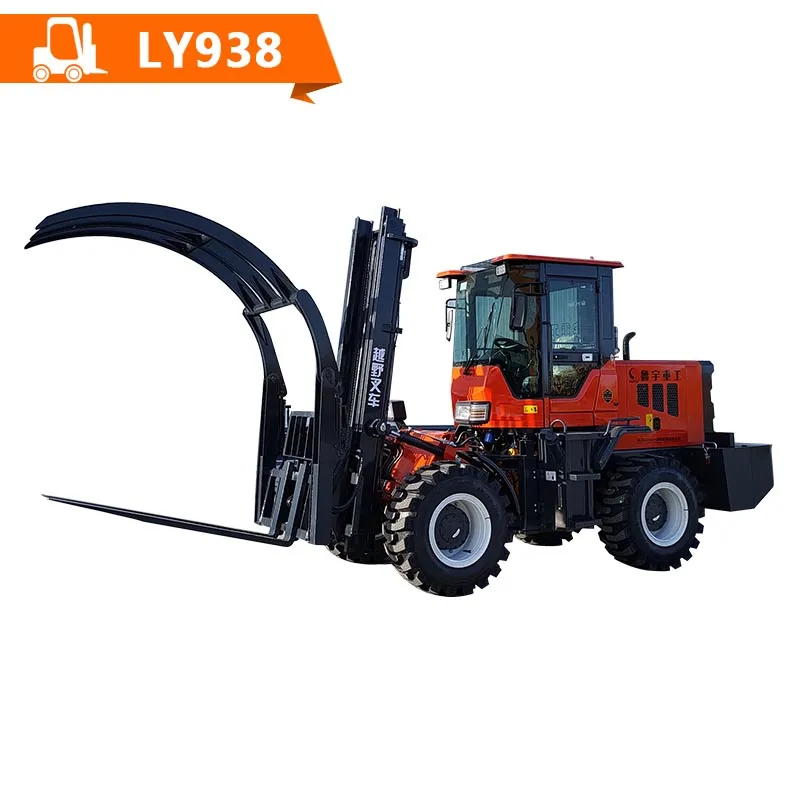
Rated Capacity 4000kg Load center 500mm Free lifting height 135mm Size 1220x125x50mm  LYF942 5Ton Off-road Diesel Forklift
Rated power 1OKW/13.5HP Operating weight 1000kg Dumping height 1861mm Digging depth 1825mm

Send Your Inquiry