






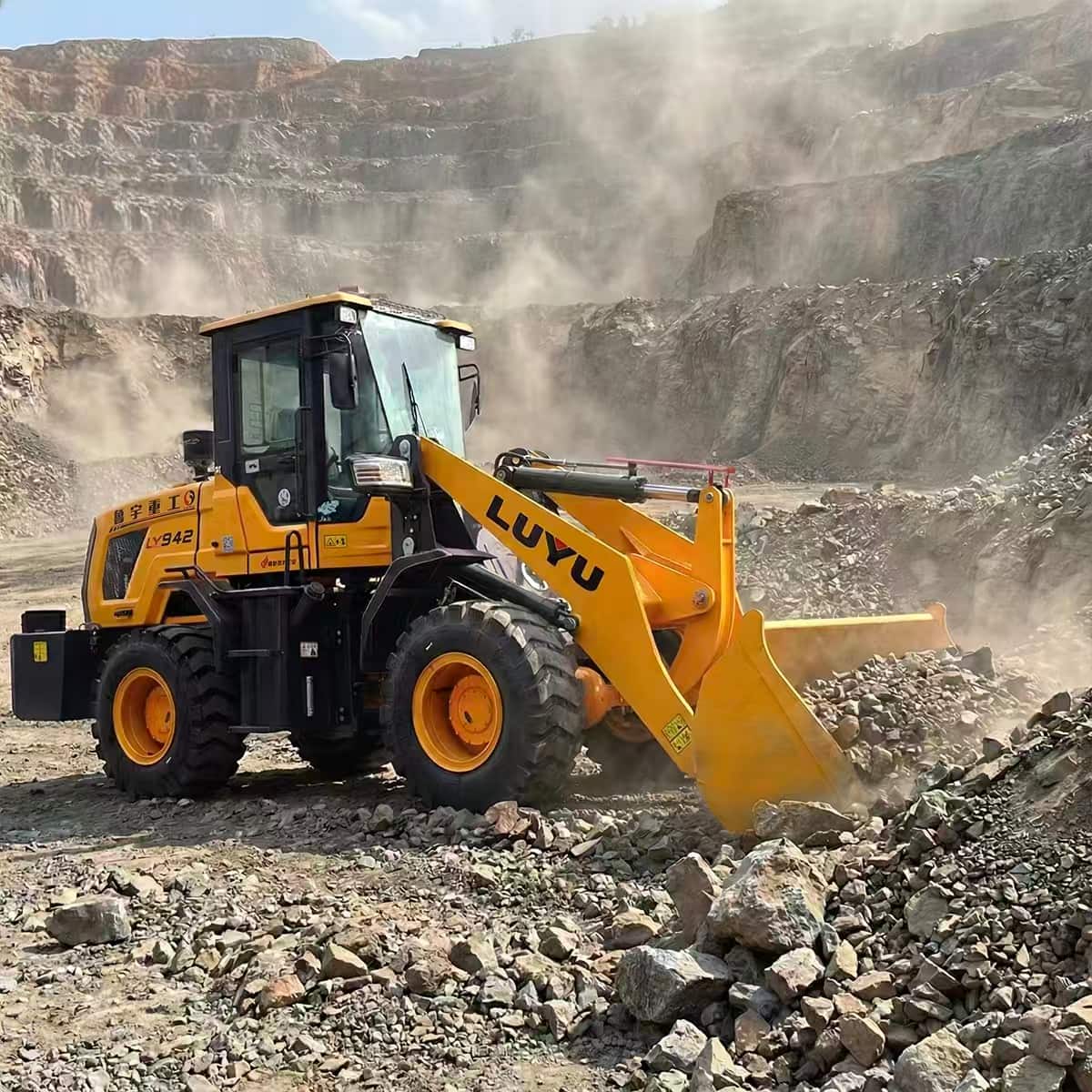
Indonesia Customer Case | LUYU LY938 Wheel Loader for Sand & Gravel Plant
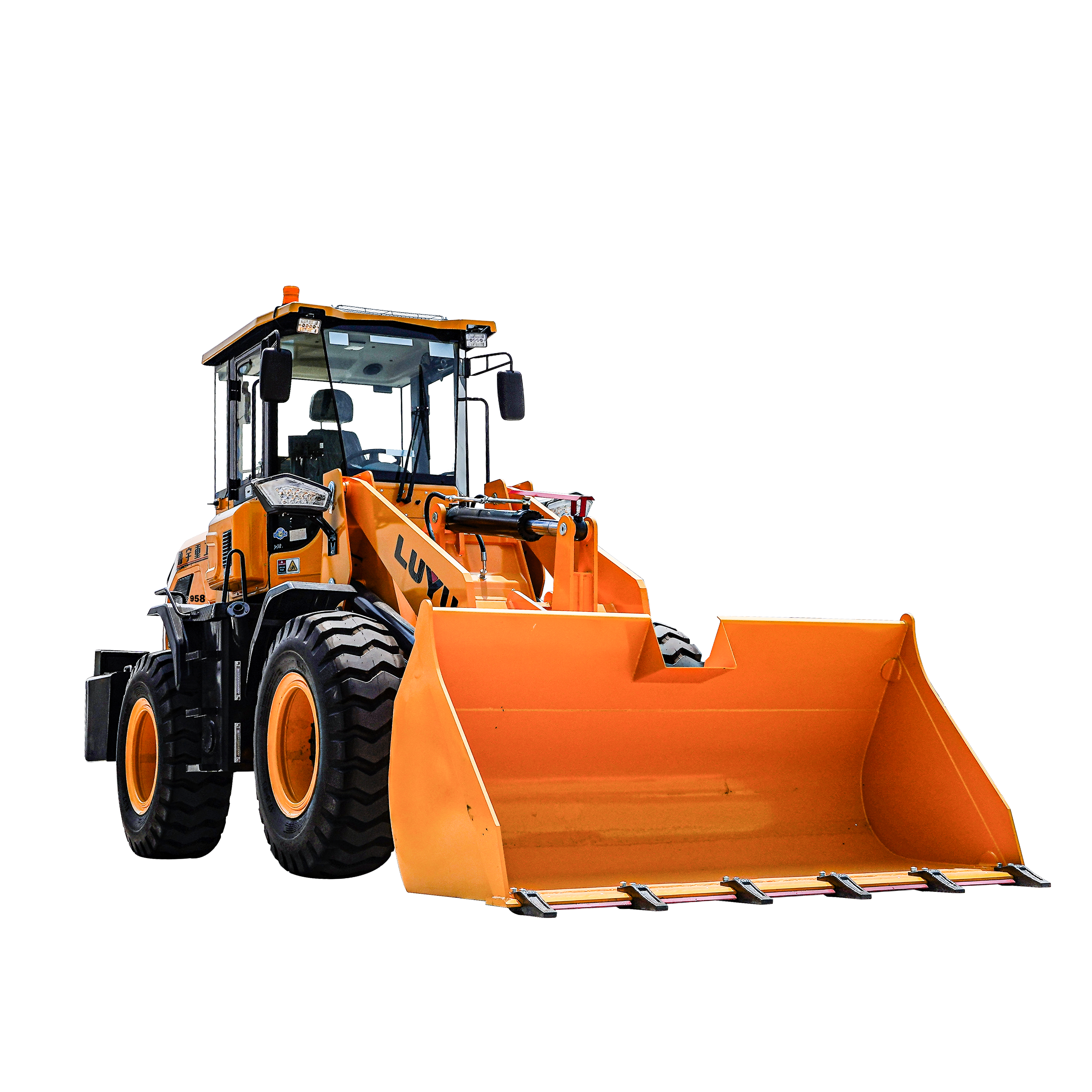
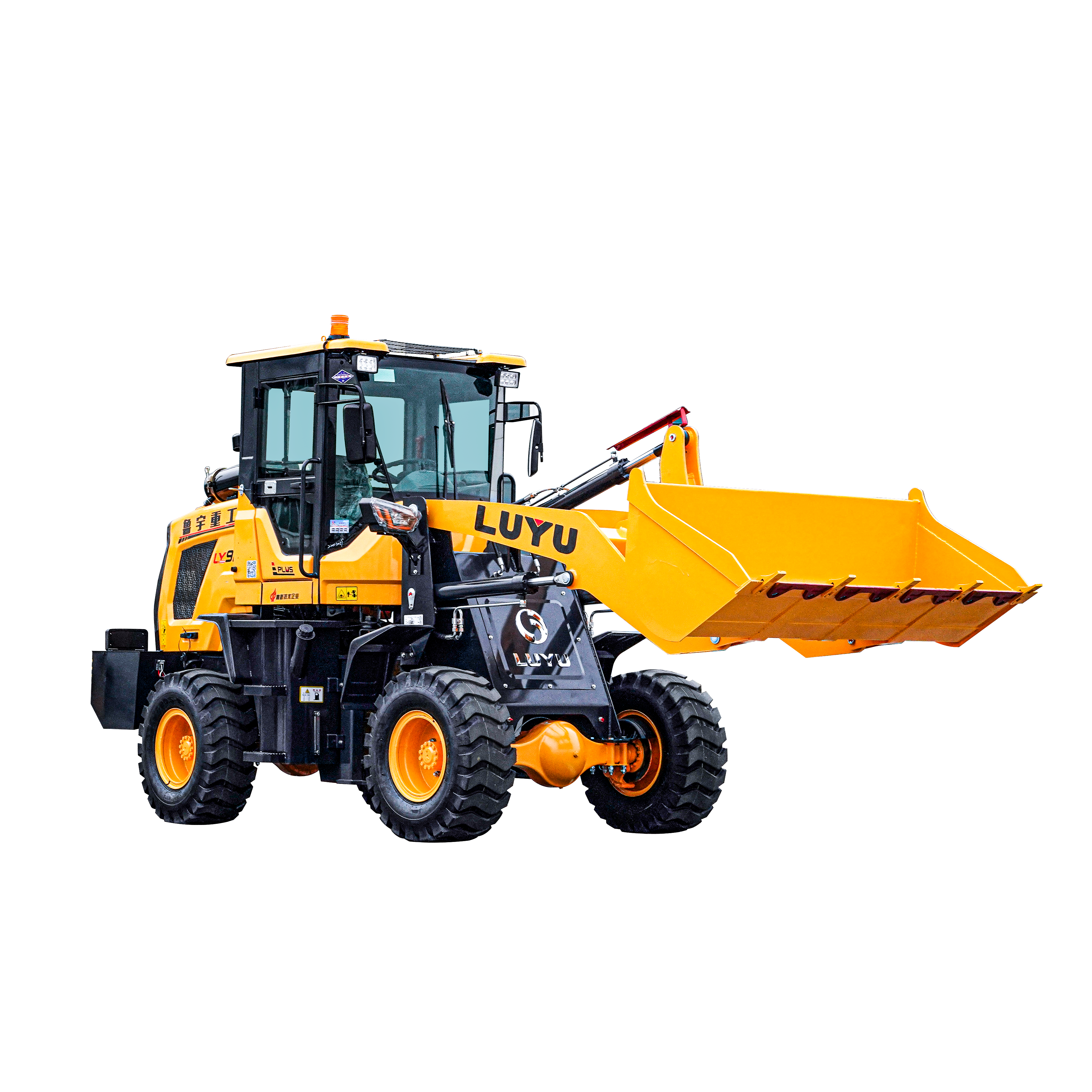
A sand and gravel plant customer from Indonesia purchased the LUYU LY958 wheel loader to support increasing production demands. The machine is mainly used for loading crushed stone and sand, as well as short-distance material transportation within the site.
The equipment operates continuously for approximately 6–8 hours per day, requiring strong performance in reliability, loading efficiency, and after-sales support. Since being put into operation, the LY938 has demonstrated stable power output and flexible maneuverability during material loading, truck loading, and on-site transportation. It performs effectively in high-dust and high-frequency working environments.
According to customer feedback, compared with their previous equipment, the LY938 improved on-site loading efficiency while making maintenance more convenient and reducing downtime.
Supported by LUYU's local after-sales service team and spare parts warehouse in Indonesia, the customer benefits from faster technical support and parts availability, helping maintain continuous equipment operation.
In addition, LUYU offers nearby factory inspection and local delivery services, shortening procurement lead times and improving delivery efficiency to ensure stable project operation.
For hauling limestone—which is heavy, abrasive, and full of sharp edges—you really need to pay extra attention to how you handle the machine and keep an eye on wear parts. Compared to regular sand or gravel, limestone is a whole different beast. It puts a lot more stress on the bucket, the tires, and the whole hydraulic system.
Here’s the practical, no-nonsense advice I’ve picked up from working with this stuff:
⛏️ Loading Techniques: What to Do and What to Avoid
Limestone is dense and doesn't scoop easily. If you're not careful, you'll beat up your machine fast. A few things to always keep in mind:
Stick to 1st gear, no shortcuts. When you're tackling a pile of limestone, you need all the pulling power you can get. Always use 1st gear for loading—it gives you maximum traction. Skip this, and you'll just spin your tires, which chews them up way faster than it should.
Get your bucket angle right. Before you even hit the pile, make sure you're in the right gear and tilt the bucket slightly downward. The idea is to let the teeth dig in first, not the flat bottom of the bucket. And don't try to take a huge bite—shave off thin layers instead. It saves your machine a ton of unnecessary strain.
Lift as you push. Here's a trick that makes a world of difference: as you're driving the bucket into the pile, start raising the boom nice and slow. This does two things—it stops the engine from bogging down if you dig in too deep, and the lifting force actually helps you fill the bucket more completely.
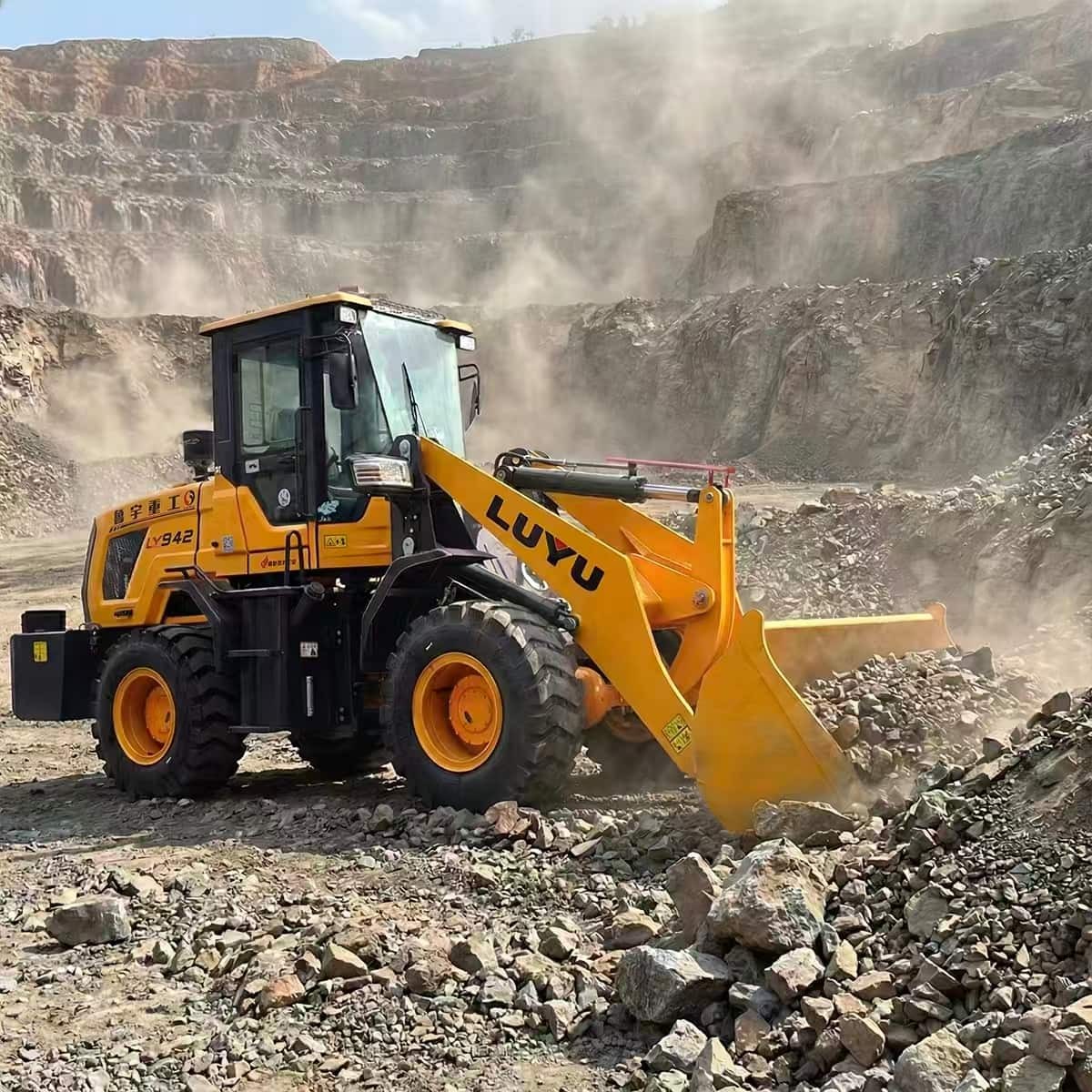
Keep the load low when moving. If the ground is rough, don't carry a full bucket with the boom raised high. That's just asking for trouble—it makes the whole machine top-heavy and raises the risk of a tip-over. Plus, it puts way too much stress on the steering system for no good reason.
🛡️ Protecting the Key Areas
Given how abrasive limestone is, these three spots are where you'll see the most wear. Paying attention here is what keeps your machine running longer:
Reinforce the bucket—it's your first line of defense. Limestone is brutal on buckets. The floor, the cutting edge, and the teeth are going to take a beating. Here's what I recommend:
Weld on some curved reinforcement ribs at the high-stress points to spread the load out.
Think about installing wear-resistant polymer liners inside the bucket where it gets hit the hardest. Or, go with a replaceable tooth holder design—it makes swapping out worn parts a lot quicker and cheaper in the long run.
Don't let dust get in (this is a big one). The dust from limestone is incredibly fine and acts like sandpaper once it gets inside.
The air filter is your engine's lungs—you've got to check and change it more often than you think. Let it clog up, and you'll lose power and shorten the engine's life real quick.
The radiator and oil coolers get caked with dust just as fast. I make it a habit to blow them out with compressed air or give them a gentle rinse with a low-pressure hose at the end of every shift. It's the best way to keep things from overheating.
Also, don't neglect the outside of the machine. Give it a good blow-down regularly to keep dust from building up on the wiring and hoses, which can cause corrosion and electrical gremlins down the road.
Keep the work area as level as you can. Take a few minutes to clear any big rocks or debris before you start hammering away. A smoother surface does two big favors: it saves your tires from getting sliced up by sharp limestone chunks, and it cuts down on the rough bouncing that can crack the frame or the axles over time.
 facebook
 twitter
 linkedin
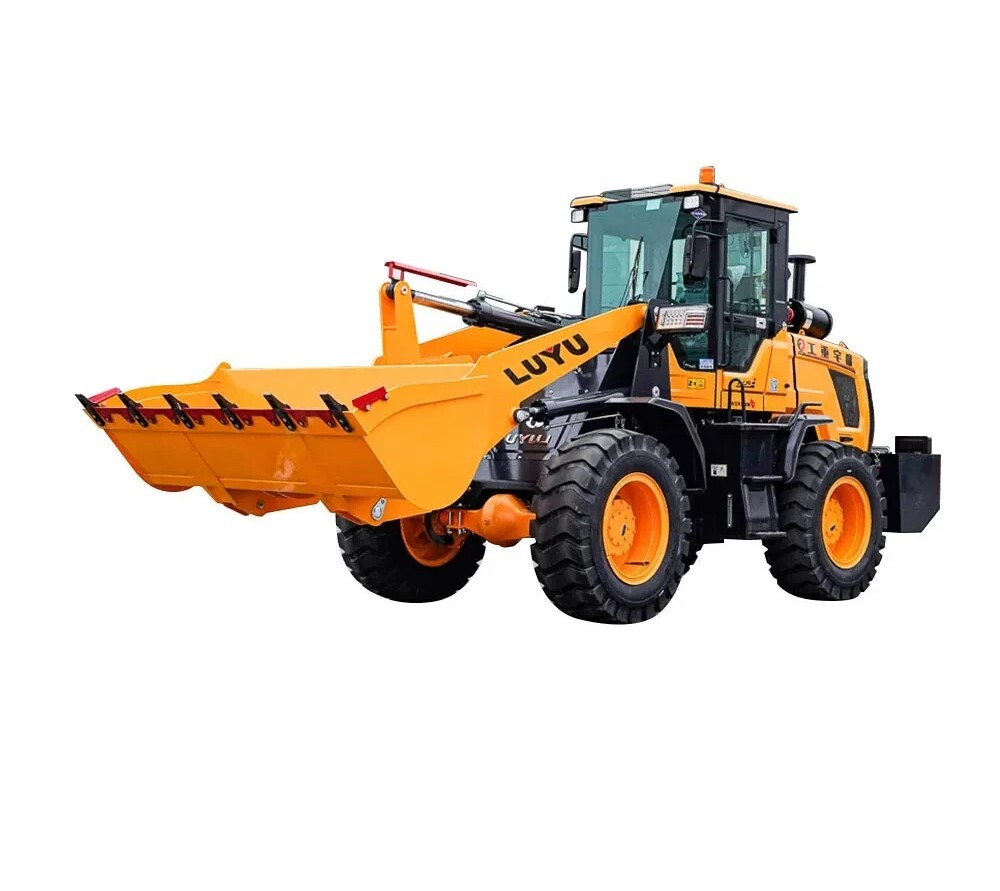
 LY949 Compact Wheel LoaderThe 949 Compact Wheel Loader is a full-featured wheel loader that can be used in a variety of environments such as earthworks, construction sites and mines. We have a professional R & D team and engineer team, with a wealth of technical strength
 LY958 Compact Wheel LoaderWhen the LY958 Compact wheeled loader is used for agricultural work, we should change the engine oil and filter regularly. Clean oil and filters help maintain engine lubrication and reduce friction and wear.
 LY932 Mini Wheel LoaderLook for features such as a comfortable seat, easy-to-use controls, and safety features such as ROPS (rollover protection system) and FOPS (falling object protection system).

Send Your Inquiry