






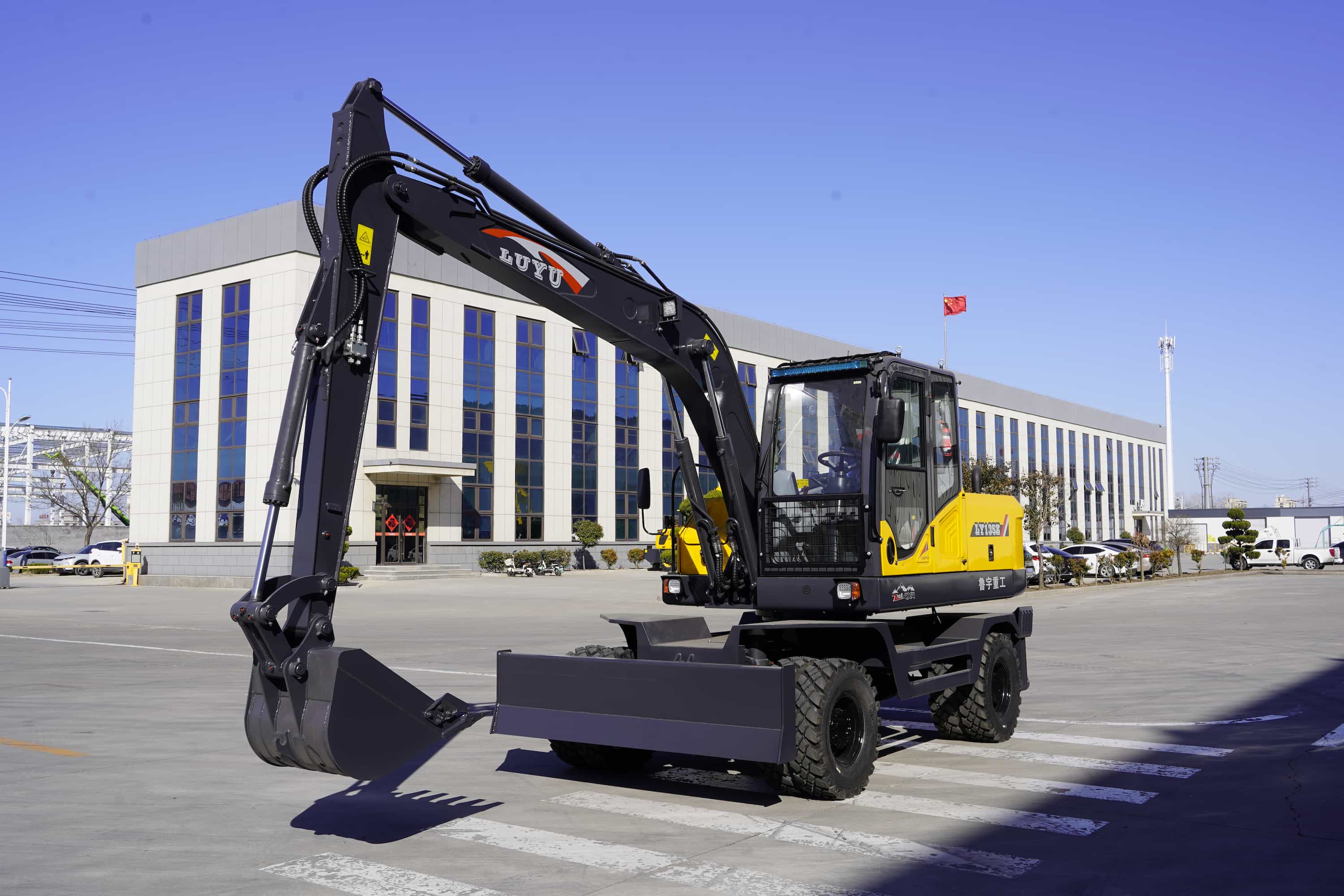
Wheel Excavator Hydraulic Cylinders: Common Faults and Solutions
The performance of a wheel excavator's hydraulic cylinder governs how the boom, arm, and bucket operate, so any cylinder movement abnormality — slower action, shuddering, or oil leakage — warns the operator of a potential fault. These signs can have different causes, so the fault needs to be checked before it begins to interfere with normal excavator operation.
I. Common Faults of Wheel Excavator Hydraulic Cylinders
1. Sluggish or Weak Movement
Slow or weak movement of the boom, arm, or bucket can have several causes. The hydraulic oil may be too low or contaminated, the pump may fail to supply sufficient flow, or the relief and control valves may not function properly. Internal leakage in the cylinder is another possible cause.
The scope of the problem can provide an initial indication. When several hydraulic functions become weak together, the hydraulic system should be checked first. If the abnormality is limited to one cylinder, that cylinder and its related hydraulic piping require closer inspection.
2. Cylinder Shuddering or "Stick-Slip" (Jerky Motion)
Jerky cylinder movement may occur during extension or retraction, with the operating speed becoming inconsistent. Possible factors include air entering the hydraulic system, abnormal hydraulic oil, problems with the hydraulic lines, or wear of internal cylinder components.
The oil level, hydraulic fluid, and related piping should be checked first. Then, perform further inspection according to the equipment's maintenance requirements.
3. Cylinder Oil Leakage
Leakage is another common sign of wheel excavator hydraulic cylinder problems. Oil may be found on the piston rod, cylinder head, or hose fittings, with worn seals, loose connections, or scratches and corrosion on the piston rod being possible causes.
If the amount of leakage continues to increase, the machine should be stopped for inspection. Allowing the problem to continue can result in unnecessary hydraulic oil loss and further operating issues.
4. Abnormal Noise
Unusual sounds during cylinder operation can have several possible causes, including air in the hydraulic circuit, loose connections, contaminated hydraulic fluid, or worn internal components.
The sound itself is not enough to identify the fault. Its location and the operating conditions under which it manifests should also be considered during diagnosis.
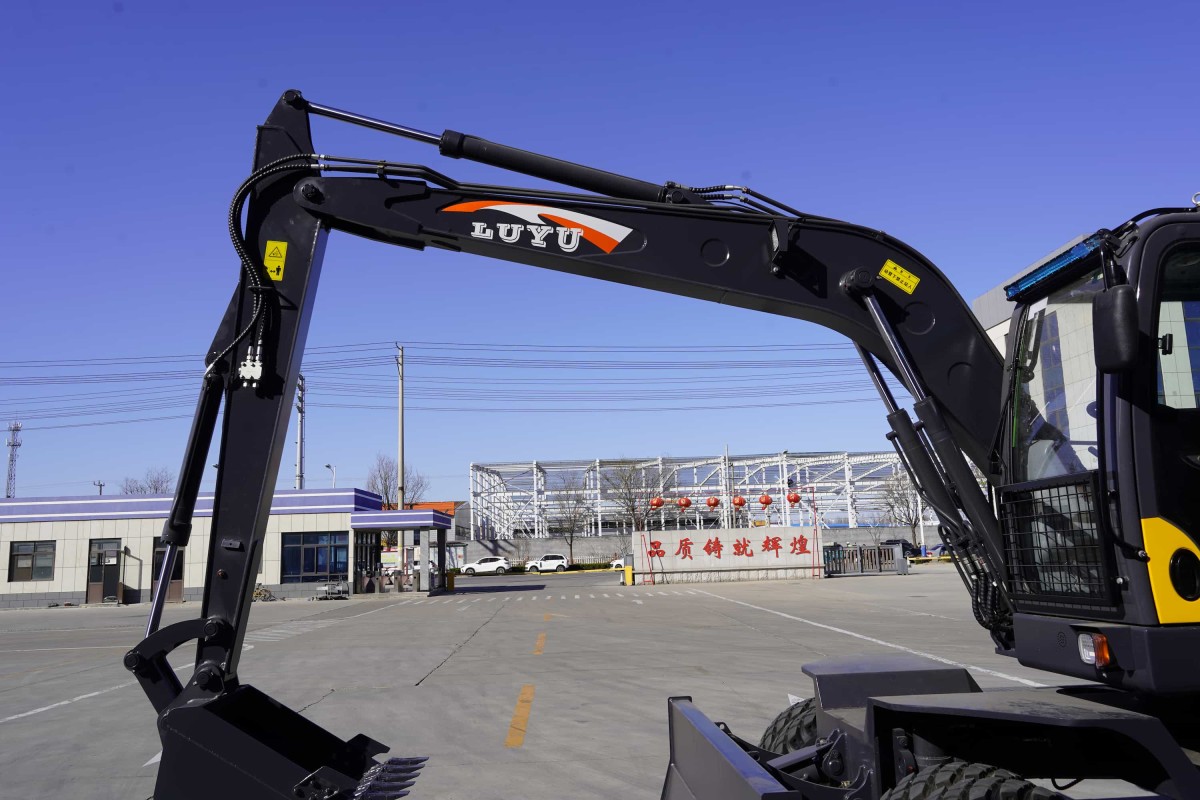
II. How to Troubleshoot Hydraulic Cylinder Faults?
When a hydraulic cylinder fault occurs, inspection should proceed from external components to the hydraulic system, and finally to the cylinder itself.
Step 1: Check External Condition
Before considering any disassembly, verify the basic condition of the hydraulic system. The hydraulic oil should be at the required level and free from obvious contamination. Leakage, looseness, and wear may be observed on external areas of the cylinder assembly, including the piston rod, cylinder head, hose fittings, and connecting pins.
Step 2: Inspect the hydraulic system
A cylinder that remains slow or weak after the basic checks may be affected by a pressure problem elsewhere in the hydraulic circuit. The pump, relief valve, and related circuits are the main areas to look at, with system pressure providing a useful reference for the diagnosis.
Step 3: Inspect the cylinder interior
Normal system pressure does not rule out a fault within an individual cylinder. When only one cylinder continues to perform abnormally, the internal components should be examined, including the piston seals, guide sleeve, dust seal, piston rod, and cylinder bore.
Worn or damaged seals should be replaced with approved components. Serious scoring, corrosion, or deformation may appear on the piston rod or cylinder bore. When this happens, evaluate the damage level. Based on that evaluation, decide between professional repair and replacement.
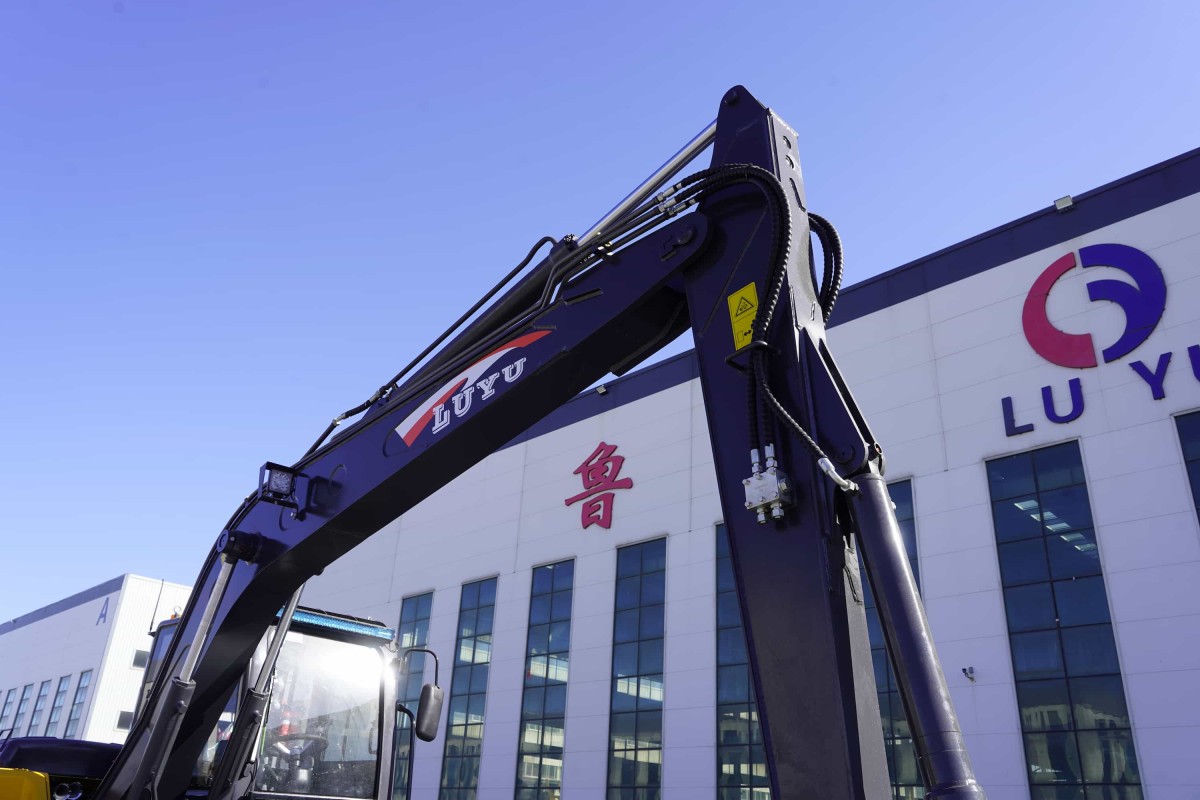
III. How to reduce hydraulic cylinder failures?
Hydraulic cylinder service life is closely related to the condition of the hydraulic system and daily operating practices. Hydraulic oil and filter elements should be checked and replaced according to the equipment requirements.
During excavator hydraulic cylinder maintenance, contamination around the piston rod should be removed to prevent premature seal damage, while the condition of the hydraulic hoses and joints should be monitored regularly. Extended operation under excessive loads should also be avoided.
Any leakage, jerking, or unusual noise calls for a check. Do not continue operating the excavator once a cylinder fault is detected.
IV. What to consider when replacing a hydraulic cylinder?
Base replacement cylinder selection on machine requirements, not just dimensions. Before installing, verify bore, rod, stroke, mounting specs, pressure, and mount type. Also confirm hydraulic system compatibility.
For wheeled excavators used in heavy-duty applications, construction details are also worth considering. The piston rod surface treatment, cylinder machining quality, welding quality, and seal performance can influence the cylinder's service life and operational reliability.
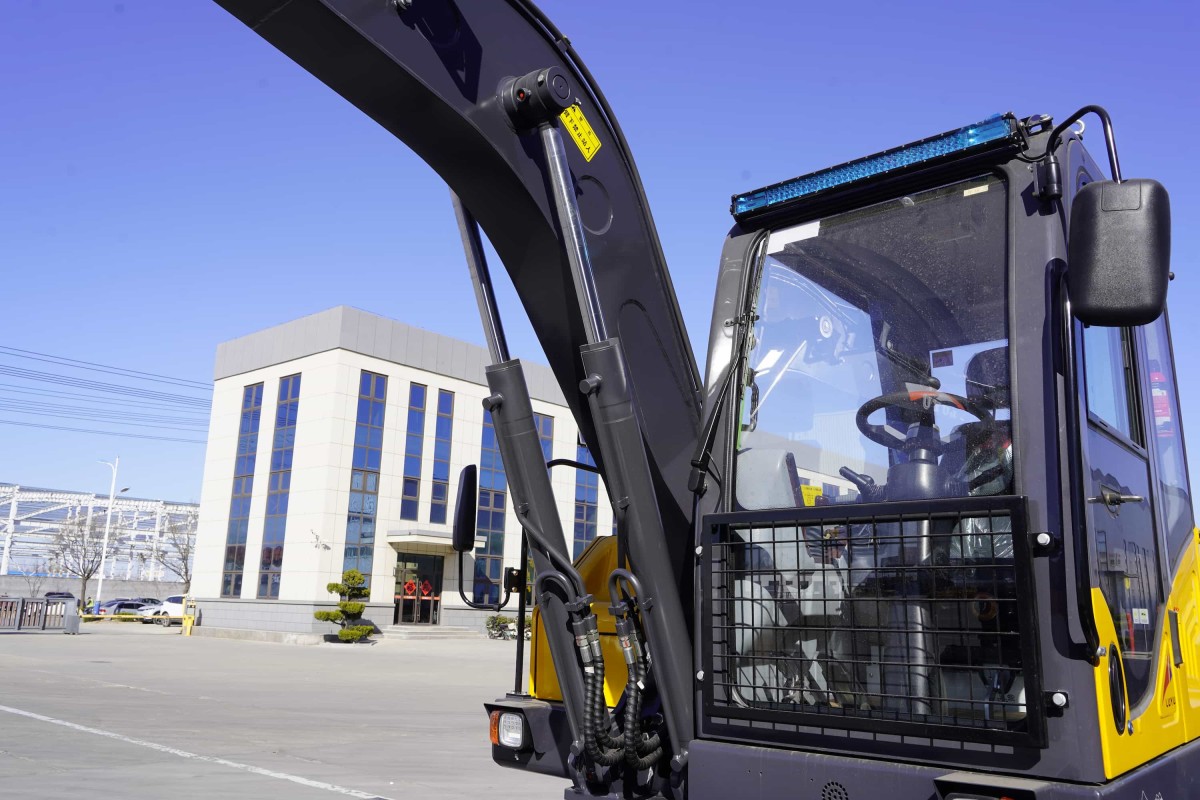
Summary
First, check the hydraulic oil level, lines, and system pressure. Do this before any cylinder disassembly. If all checks are normal, the cylinder is probably faulty and may need replacement.
To reduce cylinder failures, follow four key practices. Change hydraulic oil and filters regularly; keep the piston rod clean; avoid excessive loads; and respond promptly to any abnormal signs. When a cylinder or other hydraulic component needs to be replaced, its specifications should be matched to the machine and its working conditions to avoid problems caused by an unsuitable component.
In construction machinery supply, LUYU focuses on equipment stability, component compatibility, and after-sales support, providing customers with support for practical equipment operation and maintenance needs. For wheeled excavators, timely diagnosis and proper excavator hydraulic cylinder maintenance are important for reducing unnecessary downtime and keeping the machine working reliably.
 How to Choose a Reliable Wheel Excavator? Top 3 Configurations for the Best ROI from LUYUIn today’s global construction machinery market, more and more contractors and fleet owners are choosing to invest in a wheel excavator. With their built-in rubber tires, these machines eliminate the need for expensive flatbed trailer transportation and can travel at speeds of 30–40 km/h. These highly flexible mobility advantages have made the rubber tire excavator an absolute staple in municipal construction, utility pipe repairs, road widening, and agricultural development.
 Buying a Mini Wheeled Excavator? Avoid These 3 Common Mistakes to Find the Best ModelFinding a reliable mini wheeled excavator can be a challenge with so many options for wheel excavator for sale today. As leading wheel excavator manufacturers, we believe that understanding core specifications is the key to making a smart investment for your project.
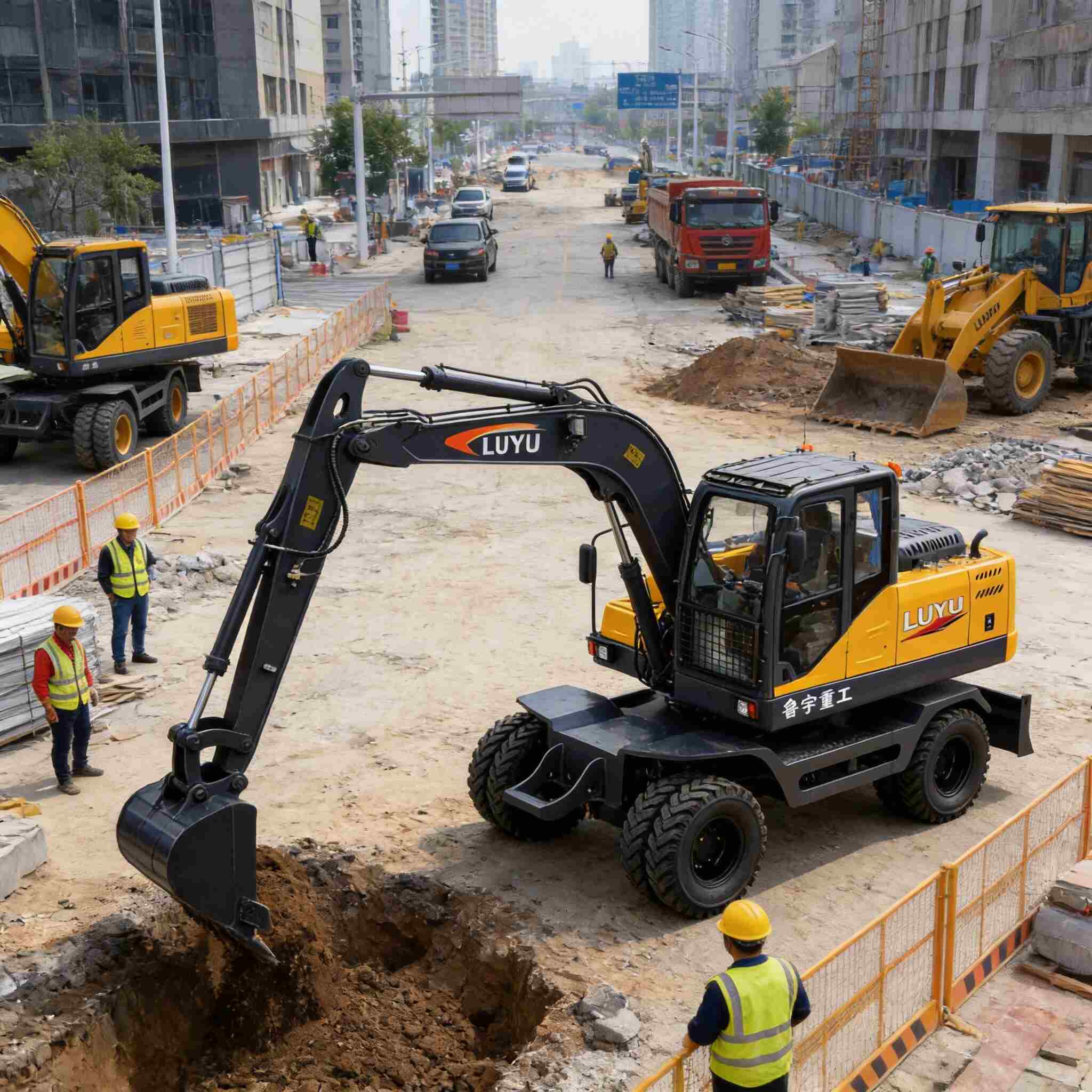
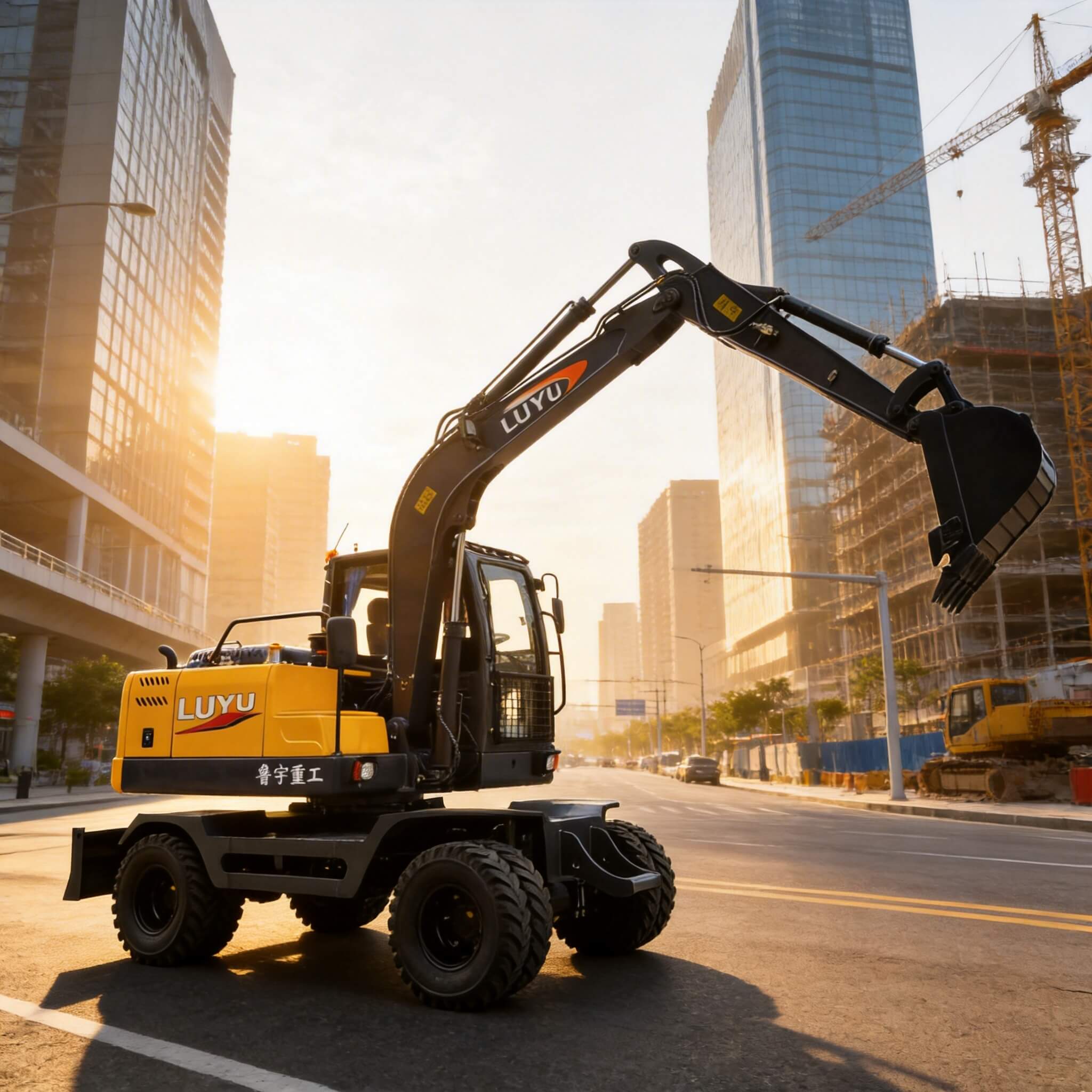
 Tires Over Tracks: How LUYU Wheeled Excavators are Redefining Urban Construction EfficiencyThere's a visible shift happening in urban infrastructure, and it's parked right there on the curb. For modern contractors, scouting a wheeled excavator for sale has become a strategic move to eliminate the constant headache of transport logistics. It's no longer just about checking technical boxes; it's about finding a machine that can travel between job sites on its own steam, cutting out the middleman and the extra costs that crawler transport always demands. In the tight quarters of a city, a mini excavator with wheels offers a level of agility that heavy crawlers simply can't match. At LUYU, we've integrated this mobility into our core design, making wheeled excavators the preferred choice for those who need to get on-site, get the job done, and move to the next location without waiting for a trailer.
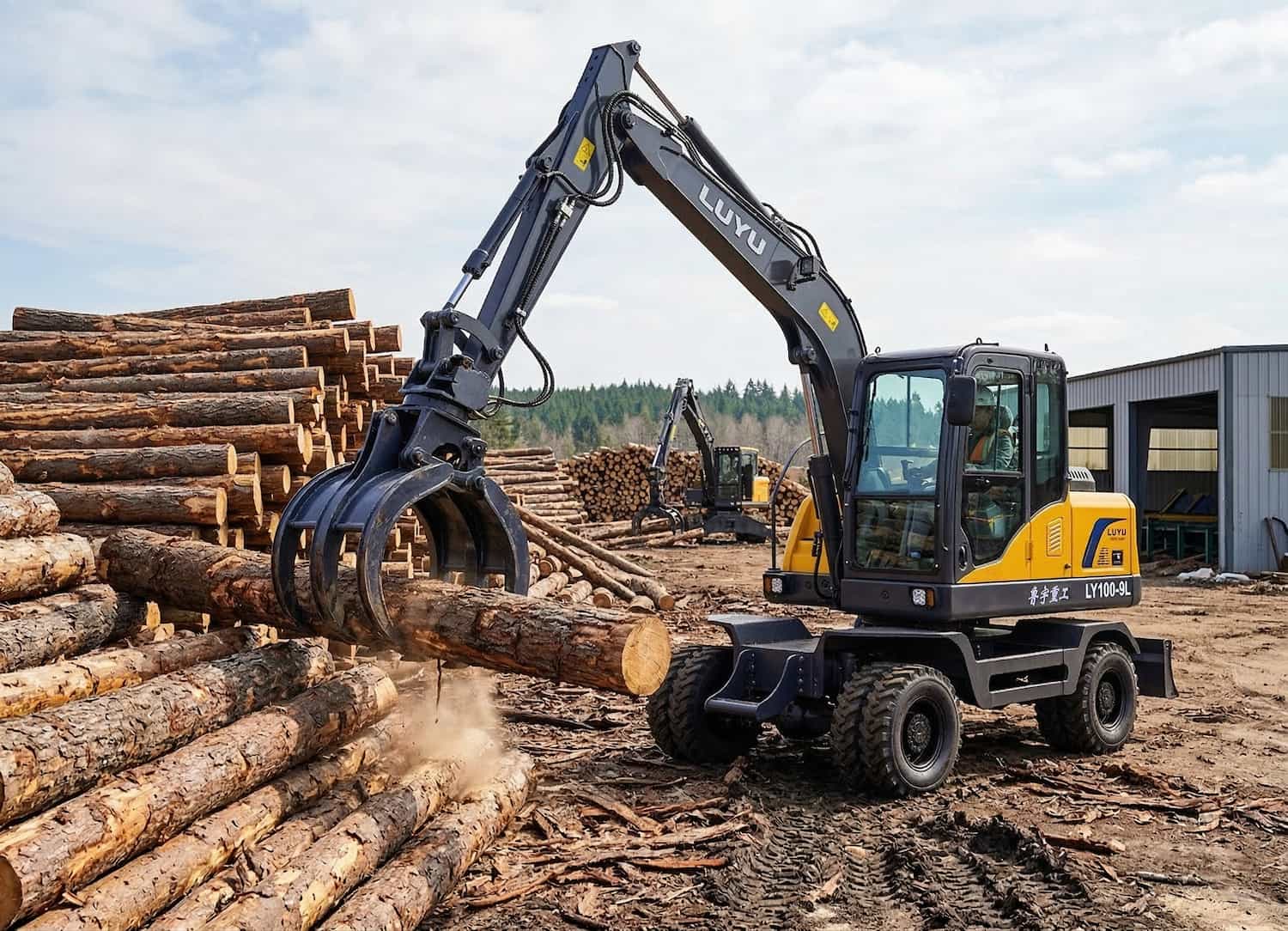
 Efficiency in Motion: How Luyu Wheeled Excavators with Timber Grapples Revolutionize Log HandlingSuccess in modern timber management hinges on a thin line between brute strength and logistical speed. The Luyu LY100Z wheeled excavator is engineered specifically to walk that line, integrating a high-performance timber grapple to tackle the industry's most demanding loads. By fusing the rapid-response mobility of an excavator with wheels with professional-grade clamping power, this machine eliminates the trade-off between agility and heavy-duty forestry performance.
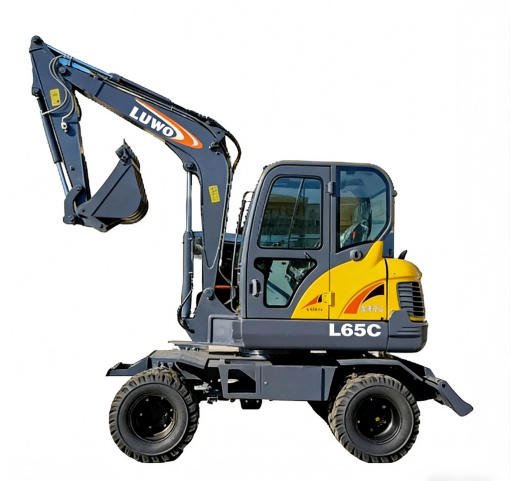
 LY-65C Wheel Excavator
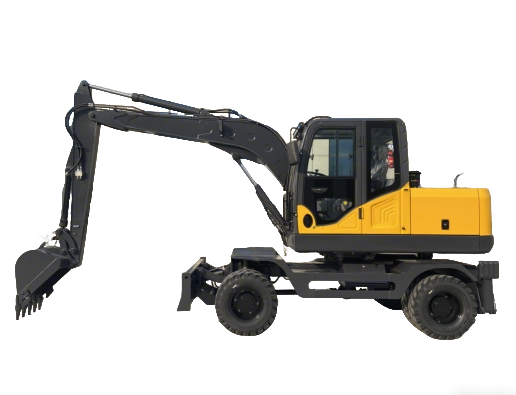
 LY-110Z Wheeled ExcavatorThe LY-110Z wheeled excavator is built for excavation, material handling, road maintenance and utility projects. It delivers excellent mobility, efficient operation and dependable performance across a wide range of job sites.
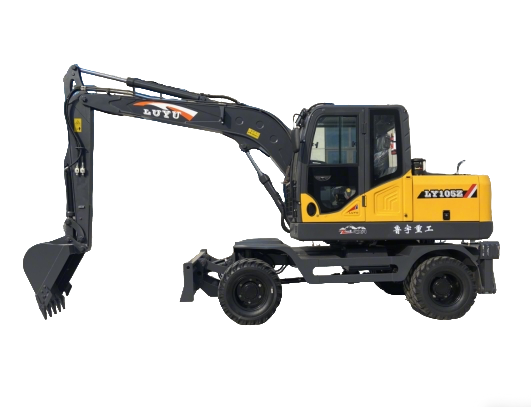
 LY-105Z Wheeled ExcavatorThe LY-105Z wheeled excavator is designed for urban construction, road maintenance and utility projects, delivering excellent maneuverability, efficient operation and dependable performance across diverse job sites.
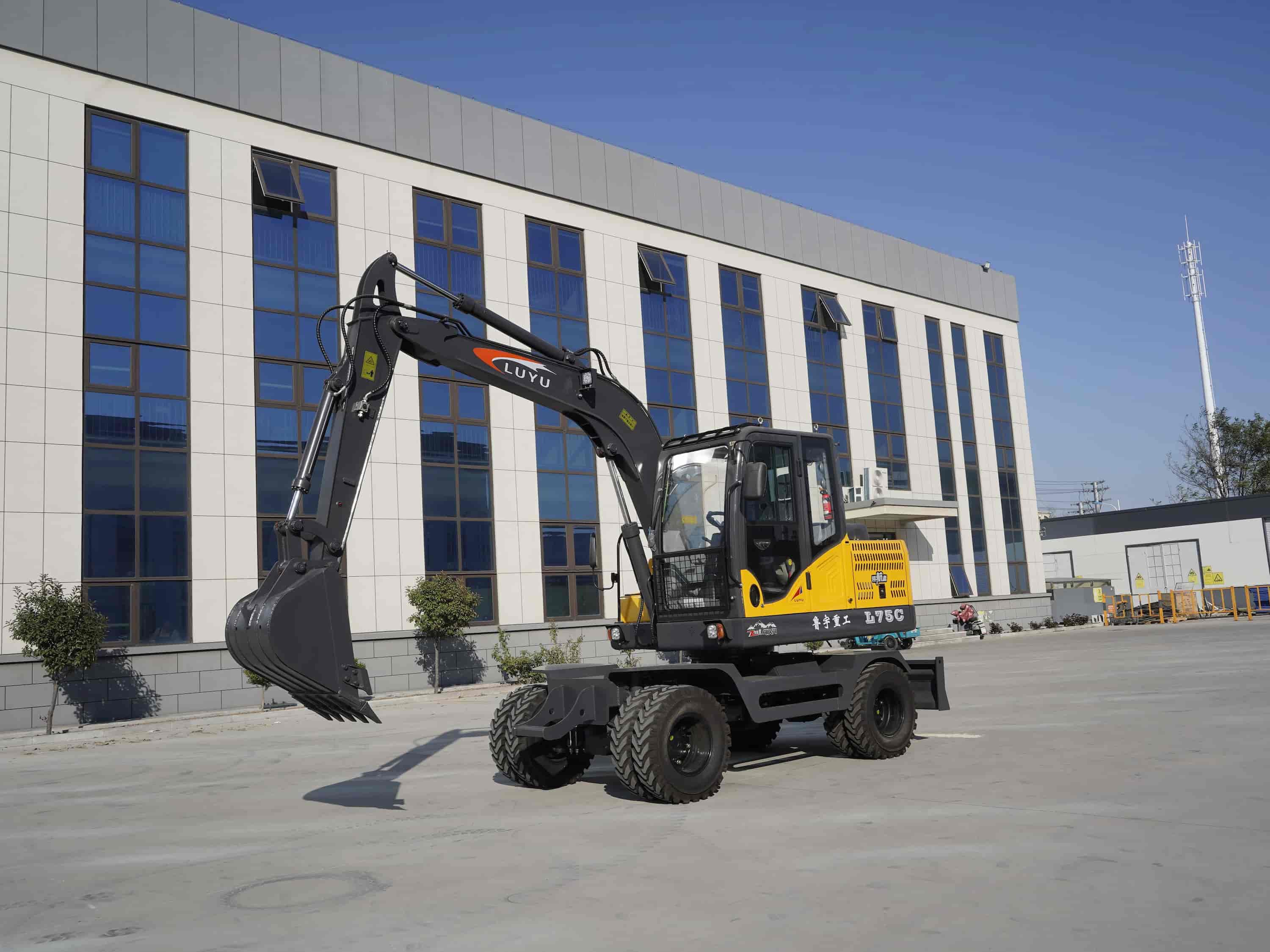
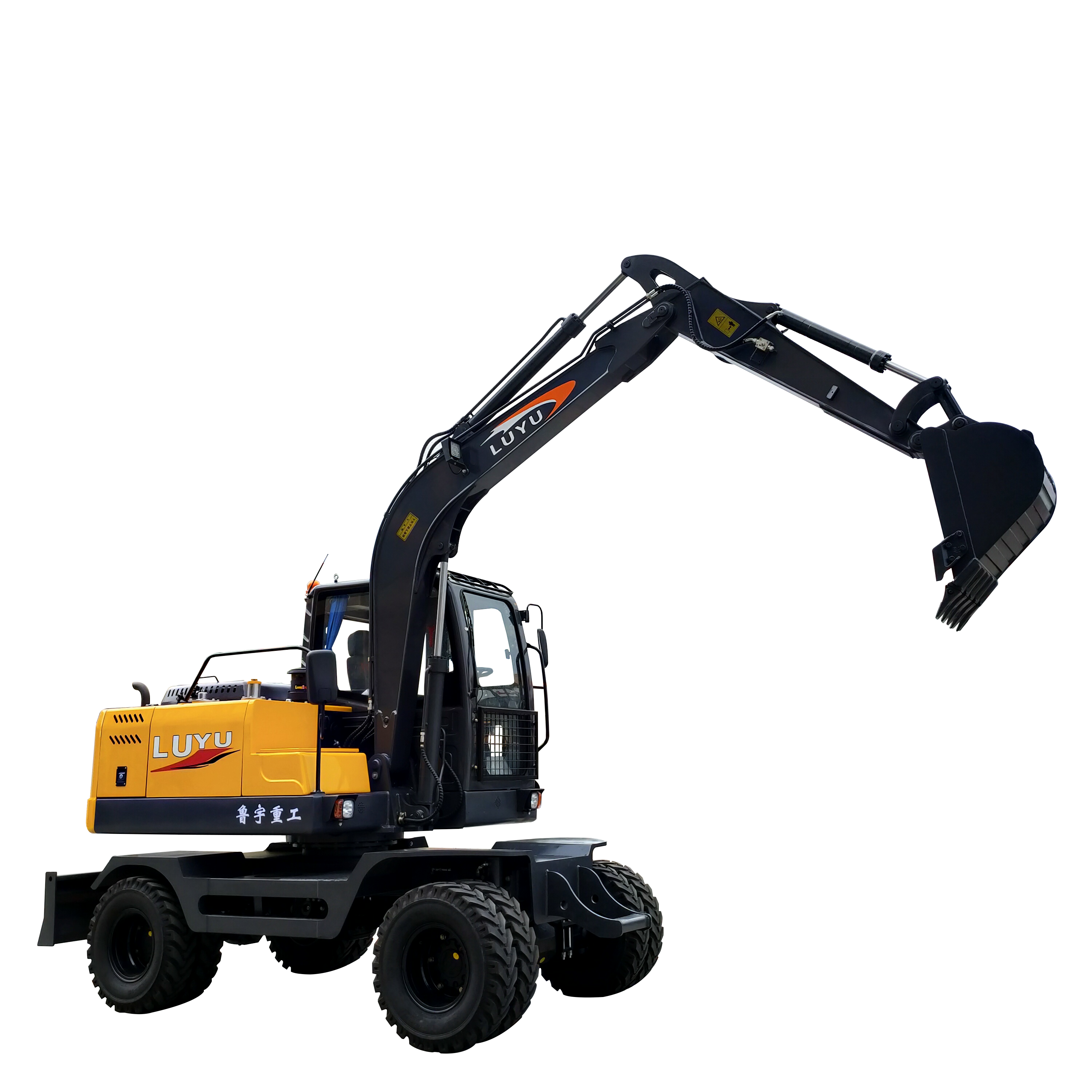
 LY75C Wheeled ExcavatorThe Luyu LY75C wheeled excavator delivers high-performance hydraulics and exceptional fuel efficiency. Perfect for urban construction, roadwork, and agriculture. Reliable, durable, and ready for global delivery. Get a quote!

Send Your Inquiry