






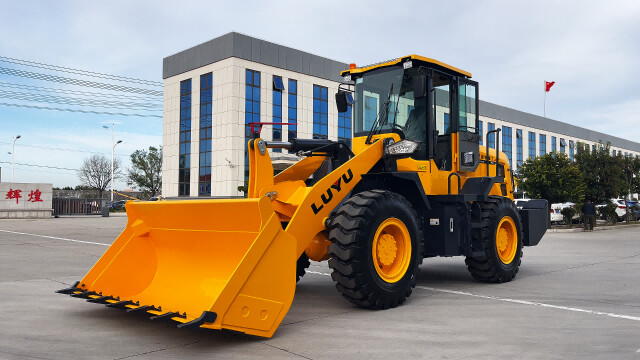
What Is the Average Lifespan of a Wheel Loader?
For anyone managing a fleet, running a batch plant, or staring at an active quarry box, nailing down a realistic wheel loader lifespan isn't an academic exercise—it's a major factor in avoiding a financial mess. If you miscalculate how many years a loader has left in the tank, your depreciation schedules wind up completely broken, and your sudden maintenance spikes end up eating your job margins alive.
When calculating long-term equipment budgets, the first question on every buyer's mind is simple: how long do wheel loaders last?
As a general baseline, a standard loader delivers around 7,000 to 12,000 operating hours, which usually breaks down to 10 to 15 years of work under normal job site conditions. But let's be honest: that "average" is just a ballpark number. In the real world, the actual wheel loader service life you get depends entirely on the size of the iron, how brutal your materials are, and how much your operators abuse the directional shifter.
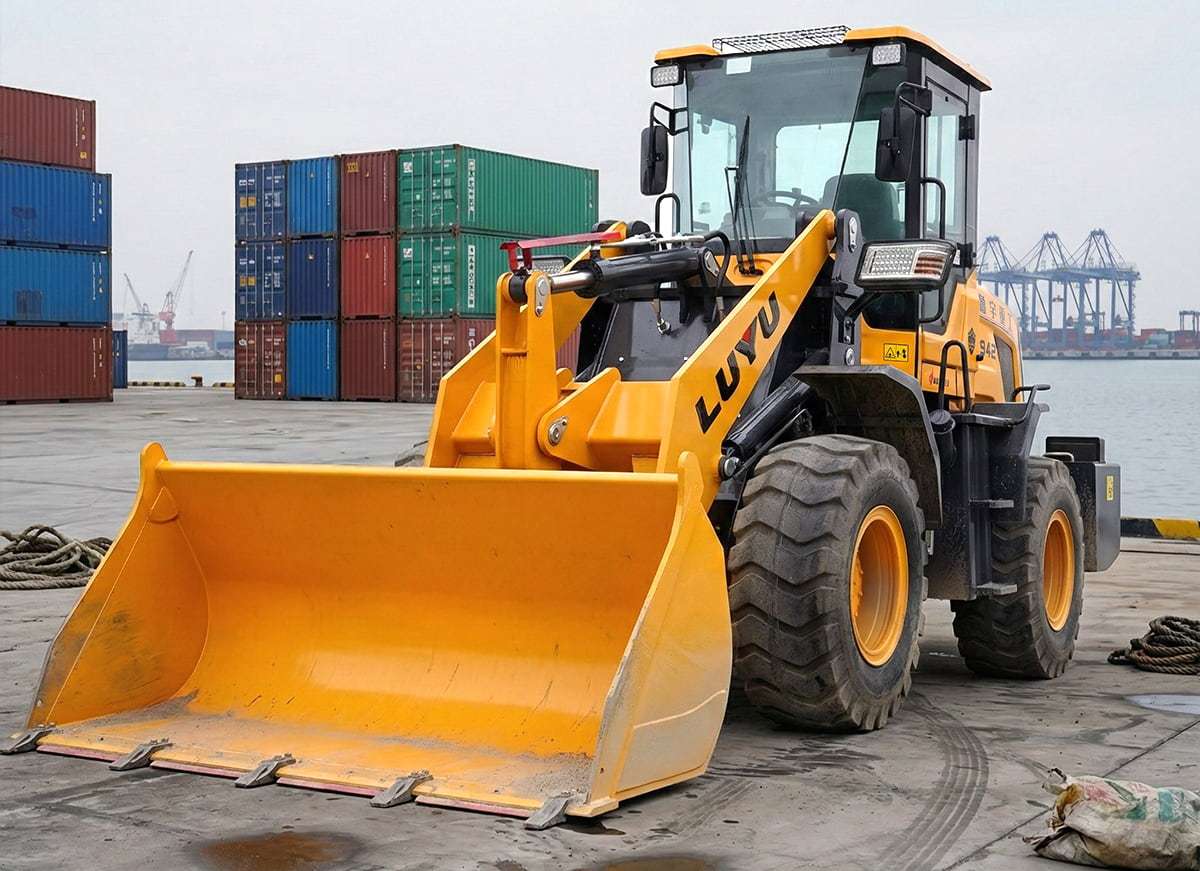
Average Wheel Loader Lifespan in Hours and Years
Calendar age means next to nothing when you're dealing with heavy iron. A 3-year-old machine getting absolutely hammered on non-stop quarry shifts will have far more structural metal fatigue than a 10-year-old unit that mostly sits in a shed waiting for seasonal snow removal or light yard work. If you actually want a straight answer to what is the average lifespan of a wheel loader, stop looking at the model year and start looking at how hard it worked and what's on the hour meter.
Lifespan by Machine Class and Operating Weight
Compact Wheel Loaders
You see compact wheel loaders everywhere in landscaping, livestock farming, and municipal maintenance yards. Their operational wheel loader lifespan bounces around a lot because their workloads vary so much. Since these smaller units scale down their pins, bushings, and hydraulic pumps to stay nimble in tight spaces, they aren't built to take endless heavy impact. If they spend their lives lifting light hay bales, they'll last forever; if they're constantly breaking frozen ground, they'll wear out fast.
Mid-Size and Heavy-Duty Wheel Loaders
The big stuff—from 10-ton utility units to massive 30-ton production monsters—is built for the pit. Engineers design these machines with massive planetary axles and thick, cast-steel center hinges specifically to take the violent shock of driving straight into a hard aggregate pile. Because the structural frame is so heavy, this class of machinery is built to give you a much longer wheel loader service life. They are designed to outlast two or three engine overhauls before the actual steel weldments give out.
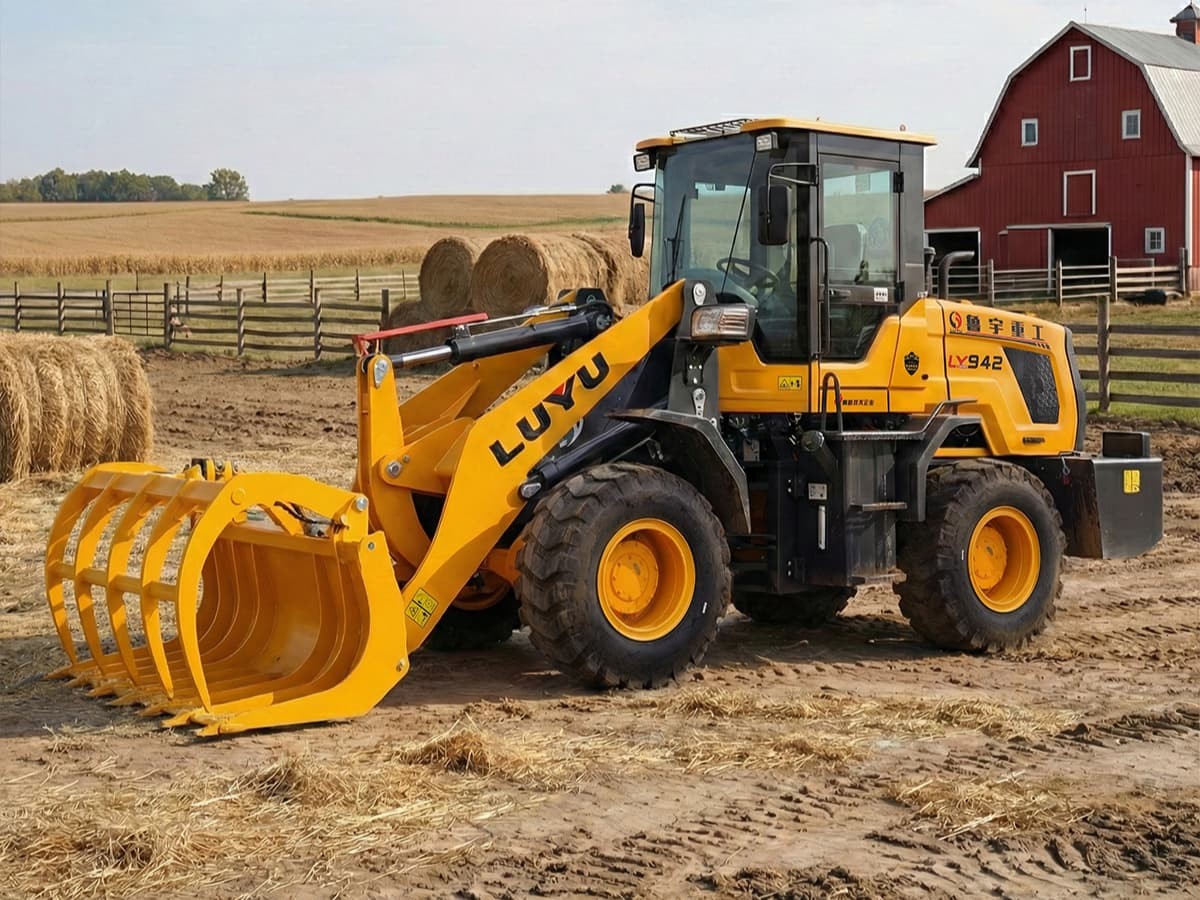
The Component Wear Timeline
A loader doesn't just die all at once. It goes down piece by piece, component by component. If you know the typical survival timeline of each major system, you can predict exactly when your shop costs are going to skyrocket, helping you answer how long do wheel loaders last based on your own service history.
1. Powertrain & Engine (8,000 – 15,000 Hours)
The diesel engine and the torque-converter transmission take the heaviest beating. Once a machine crosses the 8,000 to 10,000-hour mark, you need to watch for engine blow-by and increased oil consumption. Inside the transmission, the clutch pack friction materials start slipping around this same time—especially if your operators have a bad habit of slamming the machine into reverse before tapping the brakes.
2. Hydraulics (8,000 – 12,000 Hours)
Main hydraulic piston pumps run under incredible pressures. Over thousands of hours, tiny particles of dirt get into the system and cut microscopic score marks inside the pumps and valves. Eventually, you get oil thinning at high temperatures, which shows up on the job as sluggish boom cycle times and a bucket that slowly drifts down when holding a full load.
3. Center Pins & Bushings (7,000 – 15,000 Hours)
The center articulation joint takes massive multi-directional twisting forces every time the machine turns and digs. Pin wear happens naturally, but if the grease gun gets ignored, metal-on-metal friction will wallow out the structural frame bores. Once that happens, fixing it requires a massive bill for on-site line boring to save the machine's tracking alignment and overall wheel loader service life.
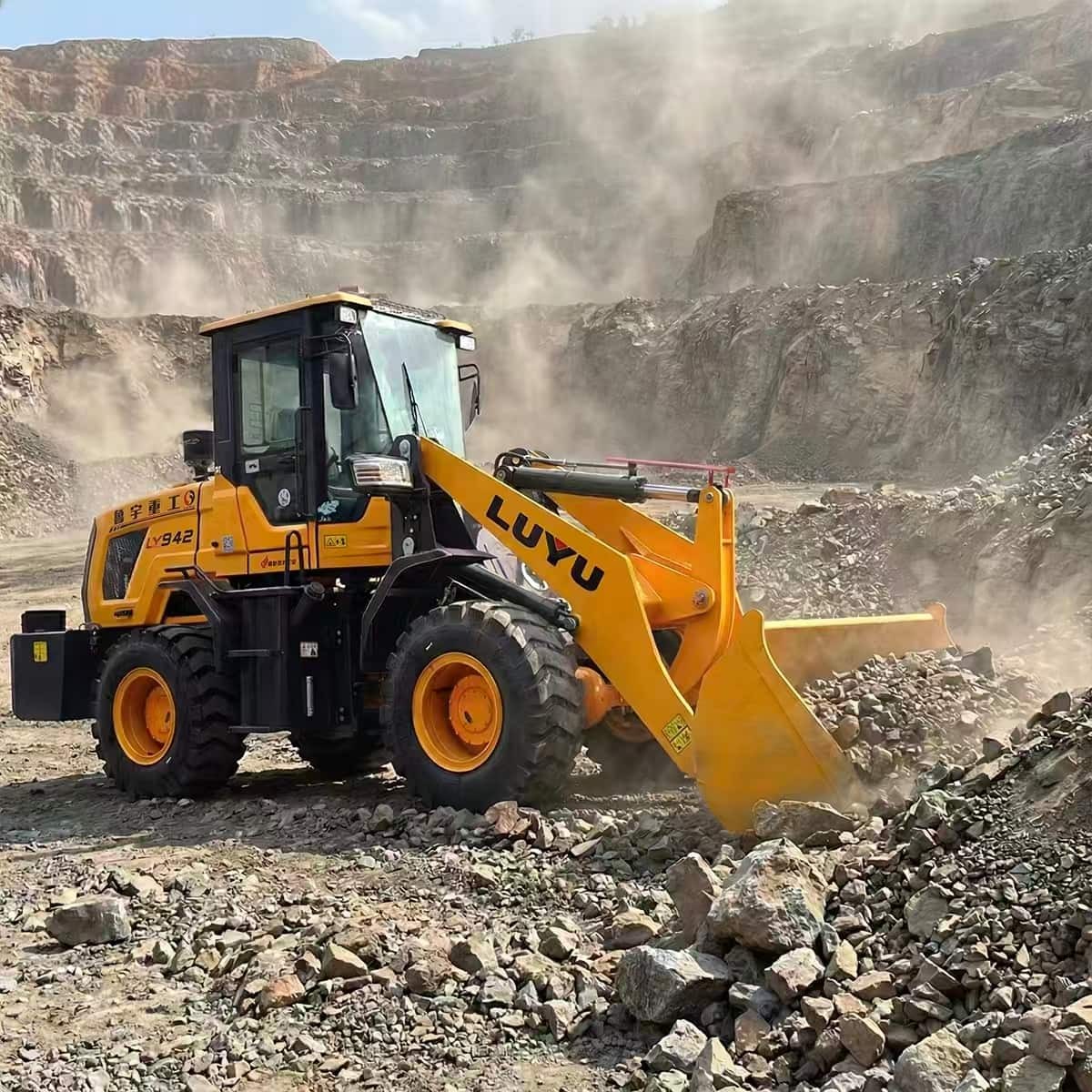
What Factors Affect Wheel Loader Lifespan?
1. Material Density and Abrasiveness
What the bucket hits every day determines how fast the steel degrades. Digging fractured granite, shot rock, or hot slag sends violent shockwaves through the boom arms. Moving loose topsoil, grain, or woodchips, on the other hand, puts almost no stress on the chassis weldments, adding years to the wheel loader lifespan.
2. The Job Environment (Dust, Mud, Temperature)
Silica Dust: High-dust applications are brutal. Fine dust acts like sandpaper on hydraulic cylinder rods. Once it chews through the wiper seals, it gets into the hydraulic oil and starts grinding away at your internal valves.
Corrosion: Working in fertilizer plants, coastal ports, or animal waste destroys aluminum radiator cores and turns electrical wiring brittle long before the engine is tired.
Extreme Heat: Running a loader in blistering summer heat thins out your oils, destroying the lubrication film and causing premature metal-on-metal wear inside the differentials.
3. Operator Shifting Habits
A bad operator can ruin a great machine in half the time it takes a pro. The quickest way to kill a drivetrain is "Y-cycling" abuse—spinning the tires inside a pile or ripping the directional shifter from forward to reverse at full throttle. These sudden shocks snap axle shafts and shred differential gears.
4. Maintenance Habits
The difference between a machine that goes to the scrap yard at 7,000 hours and one that runs smoothly to 15,000 hours is preventive care. Running oil analysis (SOS sampling) at every 250-hour oil change lets you catch internal engine or brake wear before it turns into a catastrophic breakdown. And hitting the center pivot pin with grease daily is the simplest way to protect your wheel loader lifespan.
Signs a Wheel Loader Is Reaching the End of Its Service Life
You don't want to find out your loader is dead when it drops a transmission in the middle of a major project. When field managers match their fleet costs against the typical what is the average lifespan of a wheel loader benchmarks, they watch for these clear warnings that the machine is done:
Losing Hydraulic Muscle: The boom crawls slowly, or the bucket struggles to break out payloads that the machine used to lift without breaking a sweat.
Blue Smoke & Heavy Blow-by: Constant smoke out of the stack paired with high crankcase pressure means the piston rings are shot and compression is gone.
Frame Cracks: Hairline cracks showing up around key stress points, like the boom tower welds, bucket corners, or near the center articulation hitch.
Chronic Overheating: Engine or transmission temperatures spiking during normal, everyday material handling, signaling internal component friction or blocked radiator cores.
The Shop Floor Trap: When a machine spends more days sitting in the repair bay than it does moving material on the yard, it’s actively draining your company's cash flow.
Rebuild or Replace? Understanding the 50% Rule
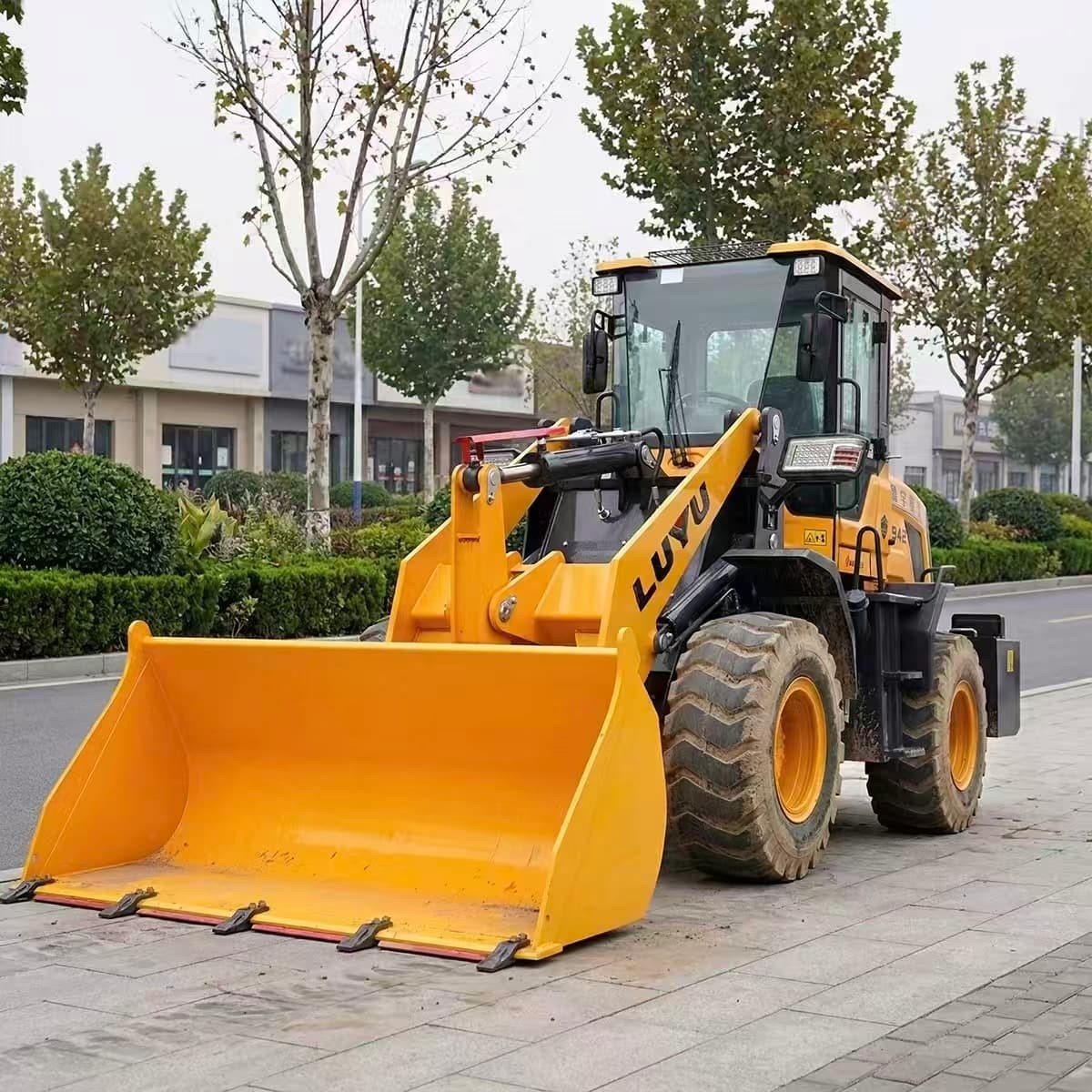
When a loader hits that 8,000 to 10,000-hour window, you have to make a tough financial choice: pull the components for an overhaul or trade the machine in. Most fleet managers use the 50% Financial Rule to draw the line. If the estimate to rebuild a dropped engine and a slipping transmission comes out to 50% or 60% of what the machine is actually worth on the used market, it's time to replace it. Sinking that much money into an old asset rarely makes sense when you can put that capital toward a new machine with a fresh warranty.
Quick Decision Guide
Buying a High-Hour Used Wheel Loader
Buying a high-hour used loader is a classic way to save upfront cash, but it can backfire completely if you don't do your homework on the machine's actual wheel loader lifespan.
Never buy a machine based on fresh paint or a clean cab wash. Demand the actual service ledger. Look for documented maintenance tracking, historical oil analysis reports, and get an independent heavy-equipment mechanic to look it over.
Checking old oil sheets tells you the real story inside the metal: if there are copper or iron shavings floating in the differential or transmission drains, you'll know the machine is sitting at the very end of its wheel loader service life before you sign the check.
Conclusion
At the end of the day, getting the most out of your wheel loader lifespan comes down to picking the right weight class for your material, keeping up with the grease gun, and training operators to respect the drivetrain. Spending your money on a machine built with heavy structural steel and highly reliable components is the only proven way to keep your operating costs down over the long haul.
At LUYU Machinery, we engineer our loaders for heavy workloads, simple daily service, and a long working life so you can protect your margins on demanding job sites. By putting heavy-gauge steel plates together with rock-solid, field-tested powertrains, LUYU builds iron that answers the question of how long do wheel loaders last with decades of actual, profitable field performance.
 facebook
 twitter
 linkedin
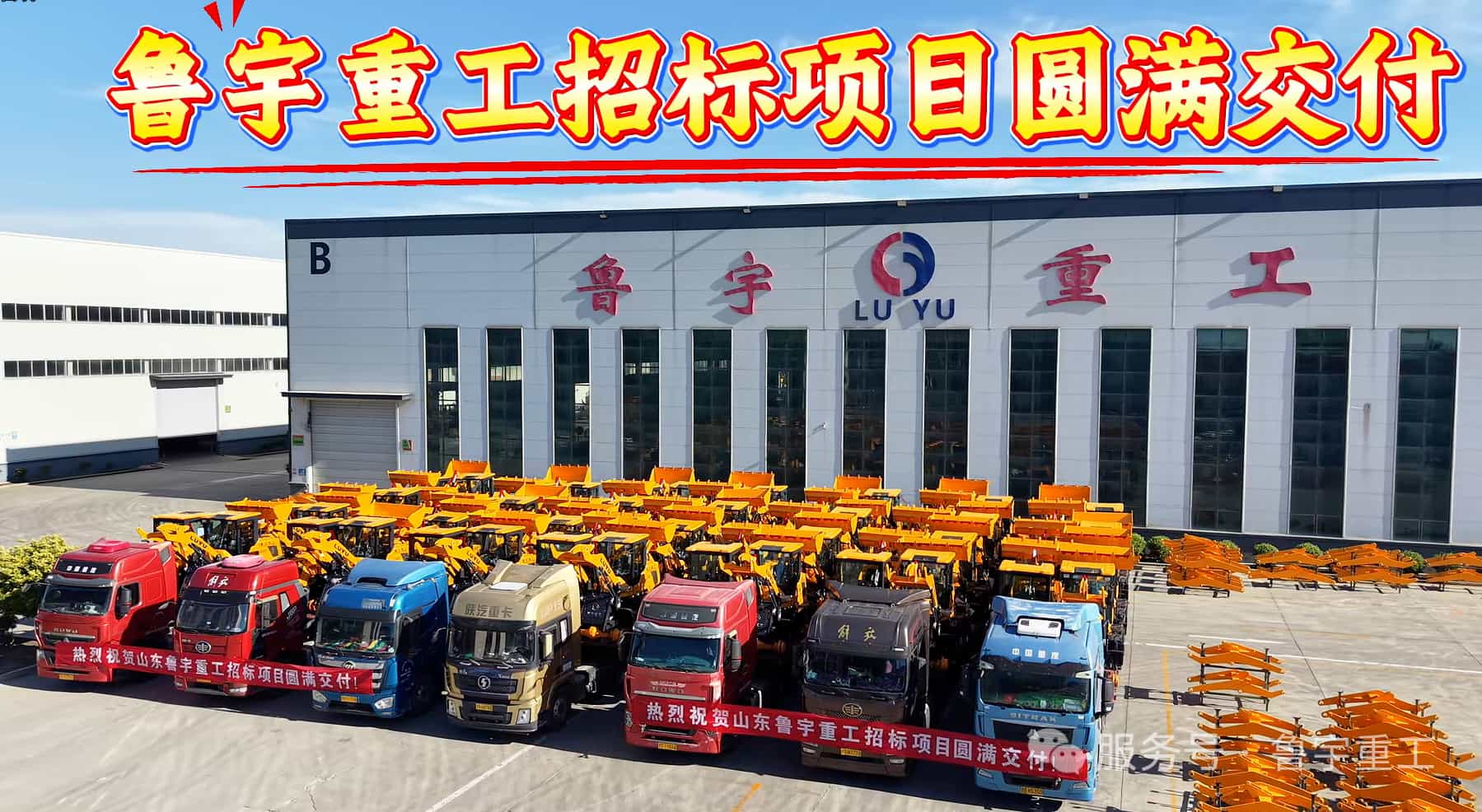
 LUYU Heavy Industry Delivers Major Bidding Project for Wheel LoadersLUYU Heavy Industry celebrates the successful delivery of its recent major equipment bidding project. Learn how LUYU’s compact wheel loaders power high-intensity operations globally.
 LY958: Redefining the Heavy-Duty Paradigm in 6-Cylinder LoadersThis isn't just a machine upgrade; it's a structural response to the brutal demands of high-intensity work sites. Designed with a "Zero-Failure" mindset, the LY958 blends a rugged external skeleton with a sophisticated 6-cylinder heart, ensuring that performance never yields to environmental pressure.
 China’s 2025 Loader Exports Hit Record High: How Niche Leaders Like Luyu Heavy Industry are Redefining Global Market DynamicsWhile the total export value reached $3.895 billion (+13.0%), the real story lies in the sophisticated regional strategies adopted by industry pioneers like Luyu Machinery.
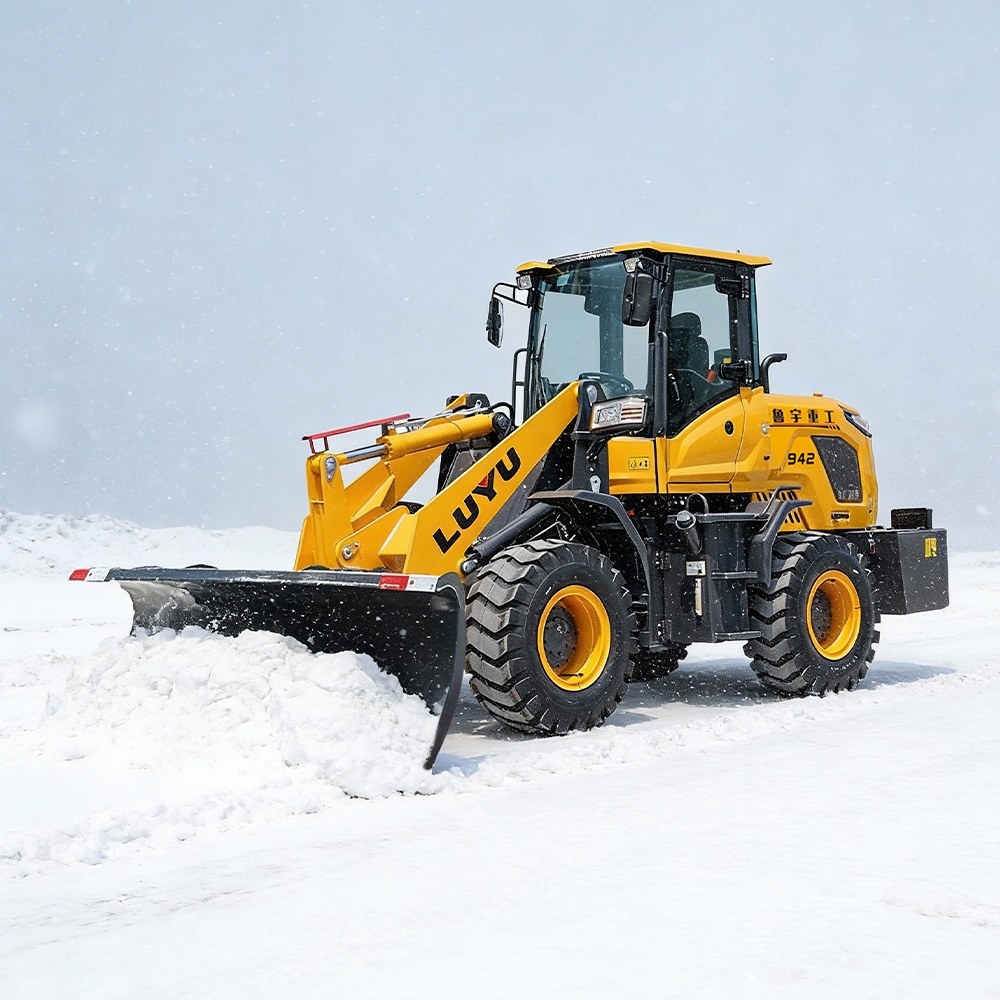
 LUYU LY942 Wheel Loader — Engineered for Reliable Winter OperationsFor buyers working in cold climates, a wheel loader is not only judged by power and capacity — winter performance, cold-start reliability, and snow-handling efficiency are equally critical.


Send Your Inquiry