






NEWS
3-Ton Wheel Loaders for Europe: A Dealer's Buying Guide
Contents
I. Where Does a 3-Ton Loader Fit Your Business?
II. Five Points to Settle with Your Supplier
Are customers asking for more capacity than your smaller models offer, yet finding larger machines too expensive or too big for their sites? In Europe’s competitive construction equipment market, that gap in your range can mean missed business.
A versatile, cost-effective3-ton compact loader can fill that gap and open up new business in agriculture and construction.
Choosing the machine is only the first step. Your supplier also plays a role in the business's long-term success. You'll need to assess your target segments, check EU Stage V compliance, and agree on attachment packages and after-sales arrangements. Each decision calls for market knowledge and the resources to put plans into practice.
At LUYU, we've drawn on 21 years of in-house manufacturing experience to put this 3-ton wheel loader buying guide together. We'll take you through these equipment and supplier choices so you can make informed decisions for your business in Europe.
I. Where Does a 3-Ton Loader Fit Your Business?
Before adding a 3 ton compact wheel loader to your range, consider what you already offer. Do your smaller models lack the loading capacity your customers need? Are there agricultural or construction applications your range does not yet cover?
Your existing customer base, recurring enquiries and projects you couldn't take on are useful starting points. They can reveal where a 3 ton wheeled loader would open new business for you.
To support that assessment, LUYU has put together the following table of common applications.
The safer business approach is to plan your product range around local conditions, whatever differences in demand across Europe.
II. Five Points to Settle with Your Supplier
Once you’ve decided to add a 3 ton compact loader to broaden your offering and strengthen your market presence, you'll need to choose a supplier. Here are five steps to guide your choice:
1. Engine Choice and Stock Versions
The engine must meet your market’s emissions rules. EU sales require CE marking for the machine and a Stage V engine. Confirm early that your supplier can provide compliance documents for the engine and configuration to avoid delivery delays.
Beyond compliance, you should consider price differences between configurations, local parts availability and servicing expertise.
Agree on standard specifications and options with your supplier. Stock common configurations and purchase special engines or custom options against customer orders. This limits stock variants and simplifies parts management.
2. Attachments for Your Customer Base
A 3-ton compact loader, as an all-rounder, can work with a wide range of compatible attachments.
Your customer mix should guide which attachments you stock for the new line — and don't forget to check if your existing ones are compatible. For example, for agricultural customers, consider grain buckets. For construction and yard customers, prioritize standard buckets and forks.
The supplier should quote the agreed combinations with mounting details, prices, lead times, and capacity data. You will then have a clear specification for repeat orders.
3. Total Cost and Cash Flow
Your margin depends on the full cost of the machine as you will supply it. The calculation needs to include freight, pre-delivery preparation, initial attachments, spare parts and after-sales expenditure.
In addition, your cash flow will depend on the supplier’s minimum order quantities, payment terms and replenishment lead times. For this reason, suppliers that accept multiple configurations per order let you match initial stock to actual demand and keep enough cash for replenishment.
4. Service Responsibilities and Dealer Terms
You'll be responsible for after-sales service once the machine is sold. So make sure you ask your suppliers for the model’s parts catalogue and service manuals. Also, confirm whether they provide training, diagnostic support, and critical parts supply.
Be aware that MOQs, payment terms, and restocking cycles impact your cash flow. If the supplier allows mixed-configuration orders, you can spread your first order across different models and reserve cash for restocking.
5. A Sample Before Repeat Orders
One sample machine lets you assess both the product and the supplier. Your local trial can establish how the loader performs, and your team can check the delivered specification and documents against the quotation.
The supplier’s handling of parts requests and technical enquiries will also inform your decision. You can use those results to settle the stock specification, initial quantity, and replenishment plan.
III. Conclusion
With our own factory and 21 years of manufacturing experience, LUYU delivers reliable equipment and comprehensive service.
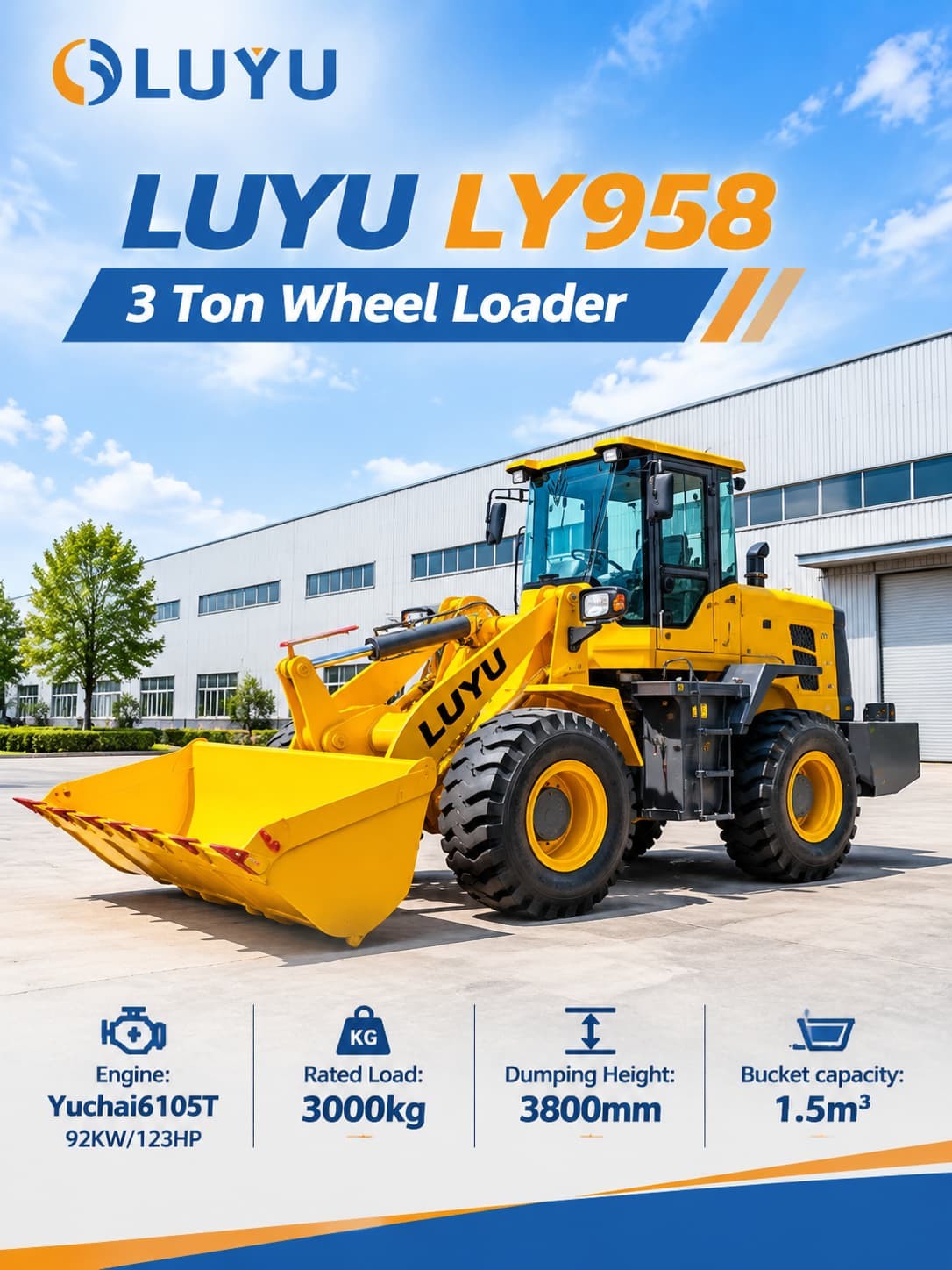
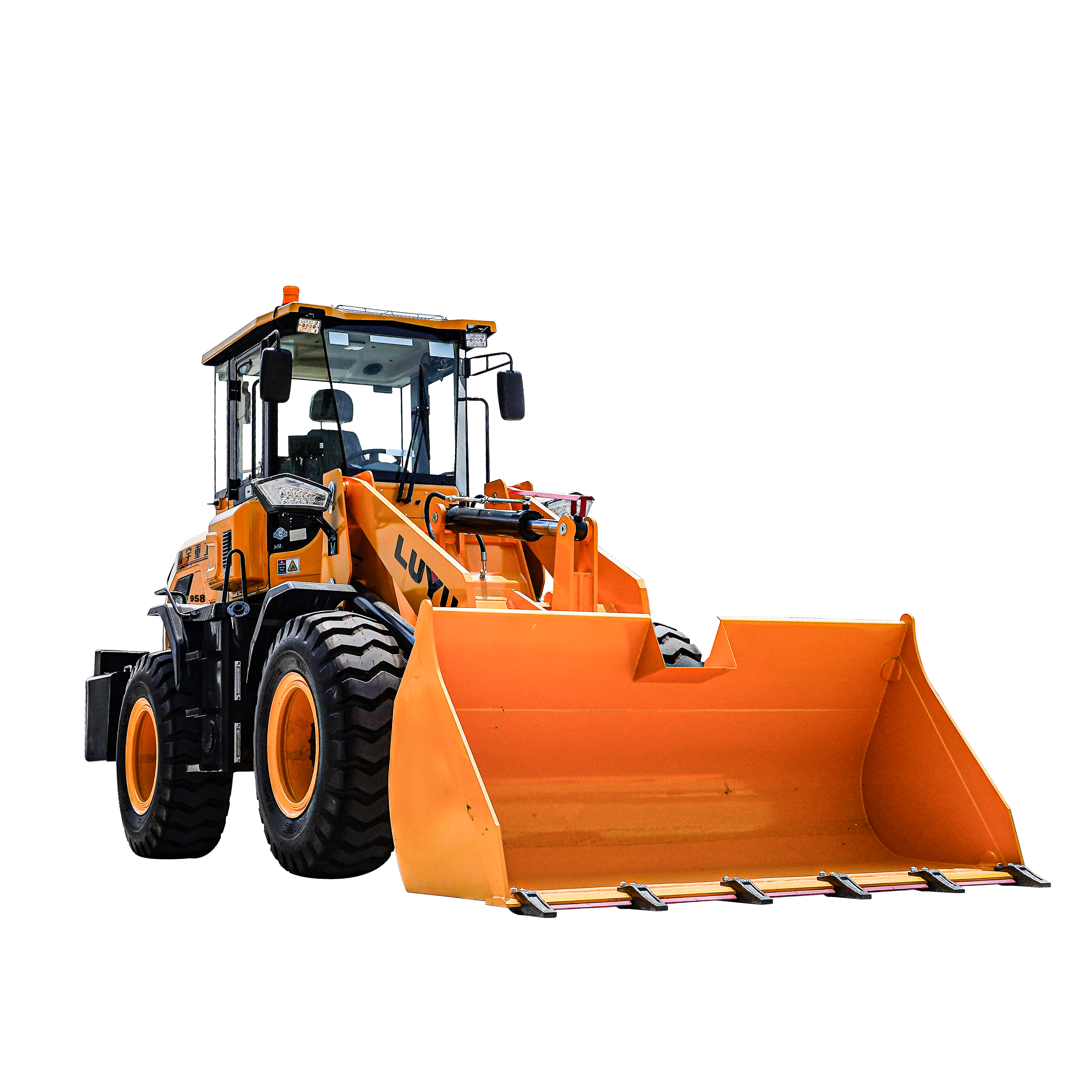
LY958 3 ton wheel loader: Precision-built to handle heavy loads.
Compliance support: CE-marking provided, plus Euro V-compliant engines.
Custom branding: Dealers can brand equipment with their own colors and logos.
Attachment choice: Buckets, pallet forks, snow blades, and more.
Single-unit sample orders: Start with one machine, then order more after satisfaction.
Looking for a 3 ton wheel loader for sale in Europe? Click here to learn more about LY958, or contact the LUYU team to get a customized quote and partnership proposal.
Share to :




Inquiry
Our manager will contact you within 30 minutes of working hours.
Related products
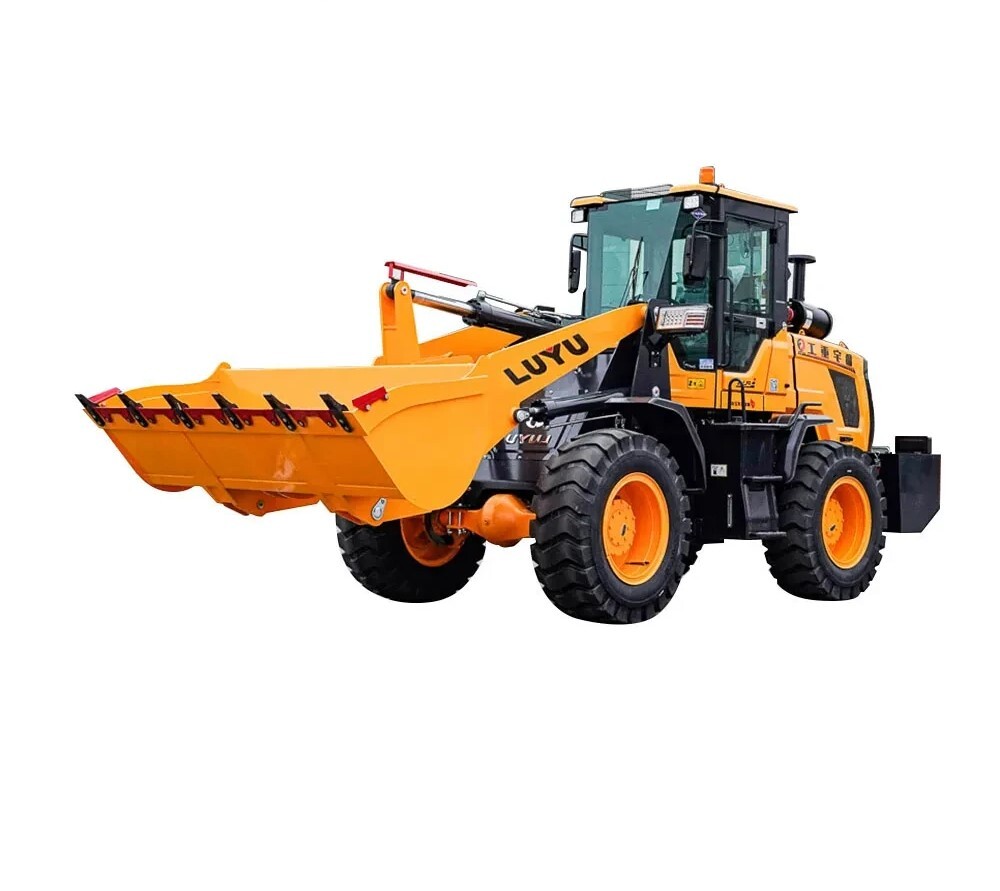
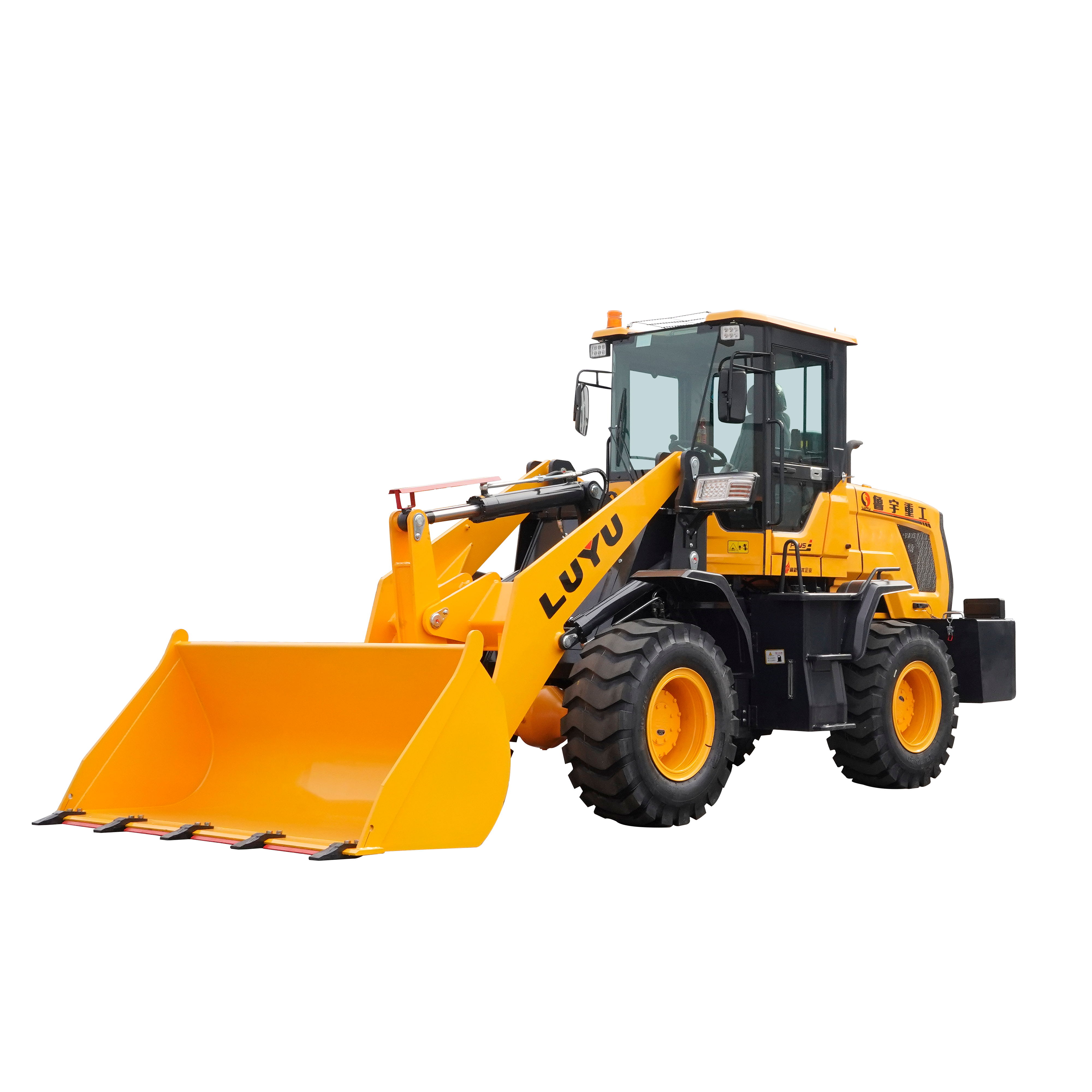
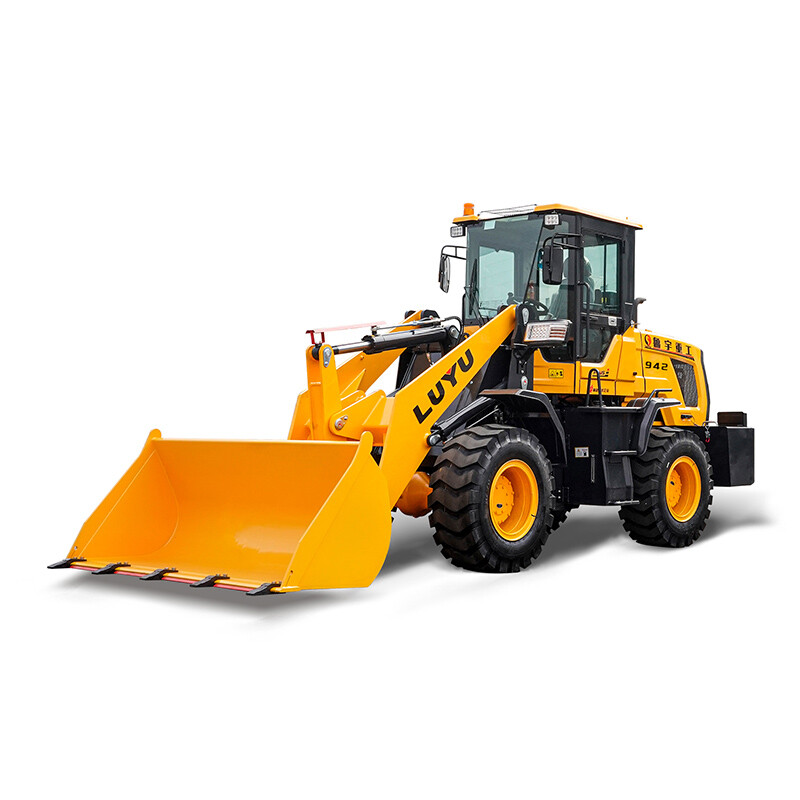
 LY949 Compact Wheel Loader
Engine YN4108T 90KW/122HP Rated Load 2800kg Dumping Height 3800mm Bucket Capacity 1.2m³  LY946 Mini Wheel Loader
Engine YN48T 92KW/123HP Rated Load 2500kg Dumping Height 3500mm Bucket Capacity 1.1m³  LY942 Compact Wheel Loader
Engine Type YN 76KW/103HP Rated Load 2200kg Dumping Height 3500mm Bucket capacity 1m³  LY958 Compact Wheel Loader
Engine Yuchai6105T 92KW/123HP Rated Load 3000kg Dumping Height 3800mm Bucket capacity 1.5m³

Send Your Inquiry